REMINDER: YOUR SUBMISSIONS ARE ENCOURAGED | | |
1. Happy Mother's Day!I'm in New York City and will see The Lion King with some besties to celebrate. This week, I'll look at Mother's Day celebrations around the world. Next week, I'll feature some family activities here in New York.
2. The gathering of the College of Cardinals, known as the papal conclave, has made its decision and elected the first American Pope, Cardinal Robert Prevost, a Chicago native, as the new Bishop of Rome.
3. It's Teacher Appreciation Week. If you let it slip by you this year, there are things you can do anytime to show teachers that you appreciate what they have done for you and your family.
4. In Higher Education, I have this years winning video from Science magazine's annual Dance Your Ph.D. contest, where Ph.D. candidates from multiple disciplines enter videos that explain their thesis through dance.
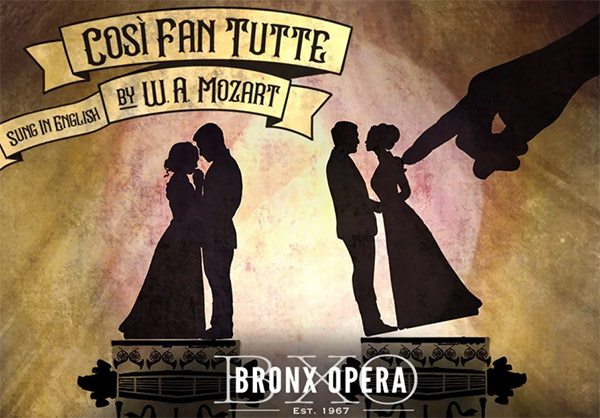
5. In Performing Arts, I had a chance last weekend to attend a performance of W.A. Mozart's Cosí fan tutte featuring the Flock's favorite mezzo-soprano from the Bronx, Linda Collazo.
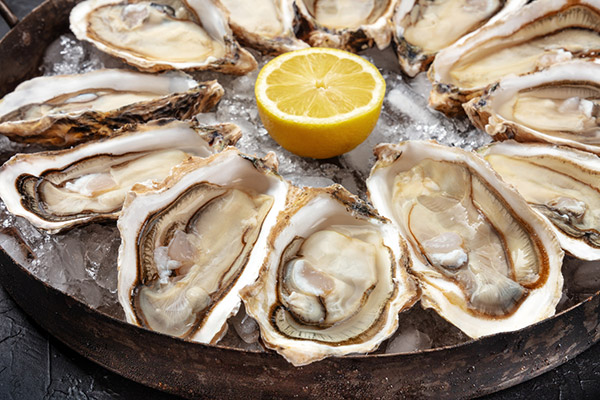
6. I've never eaten oysters, but they are supposed to be very nutritious, and the people who eat them seem to love them. Maybe I'll give them a try, but I' don't think so.
7. In Wellness, at the suggestion of a long-time Flock reader, I have a post on the benefits of cryotherapy for athletic recovery.
| | Now, to this week's Flock. | | 1. Mother's Day: May 11, 2025 | | This Sunday, May 11th, is Mother's Day. First, I want to wish all of my Flock readers a very happy Mother's Day. This year, I am looking at how countries around the world celebrate their mothers. If you would like to read about the history of Mother's Day, please have a look at my 2023 Mother's Day issue in the Flock Archives. | | 7 Mother’s Day Traditions Around the World
While specific traditions vary, nearly every country observes a day to honor mothers.
| | |
Millions of American families honor their mothers every year with cards, flowers, special meals and other gifts on the second Sunday in May thanks to the work of Anna Jarvis, the founder of this country’s Mother’s Day. A single woman without children, Jarvis relentlessly lobbied for the holiday in honor of her own mother’s death, which took place on the second Sunday of May 1905. By 1914, the celebration had become so popular that it was declared a national holiday (Jarvis later regretted lobbying for the official holiday after it became commercialized.)
Today almost every country in the world observes a version of Mother’s Day to thank mothers for the critical role they play in the family.
“Despite the many cultural differences that exist and differing expectations of motherhood throughout history and the world, one thing remains constant: a recognition that mothers have a uniquely important, valuable role in helping children to thrive,” says Christine Gross-Loh, author of Parenting Without Borders: Surprising Lessons Parents Around the World Can Teach Us.
While many countries celebrate on the same day as the United States and with similar traditions, others observe different dates and follow their own unique customs. Here’s a look at how seven other countries celebrate Mother’s Day around the world.
| | | | |
United Kingdom
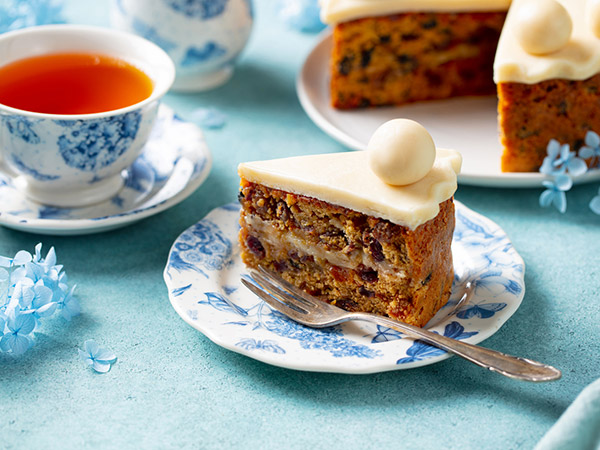
Mother’s Day in the United Kingdom takes place on the fourth Sunday of Lent, a date that varies each year. The celebration originated in the Middle Ages as a religious holiday known as Mothering Sunday, when people in domestic service were allowed to return to their home, or mother, church and often visited family.
Influenced by the modern American celebration, Mothering Sunday became largely secular by the 1950s, though it retained the traditional date in Lent. Today the holiday is known in the United Kingdom both as Mother’s Day and Mothering Sunday and is celebrated much as it is in the United States. One traditional Mothering Sunday food is the Simnel cake, a light fruitcake made with marzipan, which is also popular at Easter.
| | | | |
Mexico
Mexico has celebrated Mother’s Day since 1922, when it was established as part of an effort to promote motherhood as the roles of women expanded outside the home. Rafael Alducin, founder of the Mexico City newspaper El Excelsior, organized the first celebration on May 10, 1922.
Today, in addition to giving mothers flowers, cards, and other gifts, families enjoy traditional Mexican foods and music. The celebration also frequently includes serenading mothers in the morning, some families even hire mariachis to accompany them, and continues with special masses and school performances.
| | | | |
Japan
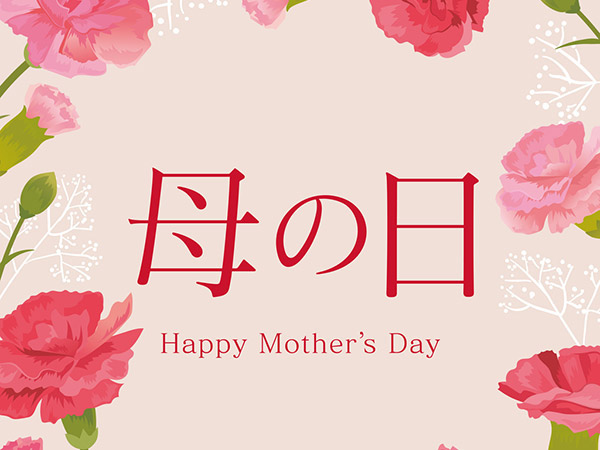
Mother’s Day in Japan was originally held on March 6, 1931, to celebrate the birthday of Empress Kojun, the mother of Emperor Emeritus Akihito, but it was banned as a Western influence during World War II. In 1949, Japan began celebrating Mother’s Day on the second Sunday in May. Today it is marked by families giving their mothers gifts, cards, and flowers, usually red carnations, which symbolize a mother’s love and sacrifices, and enjoying traditional Japanese egg dishes.
| | | | |
Ethiopia
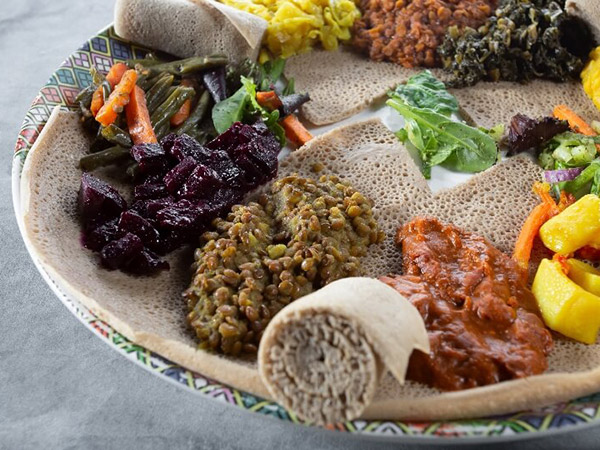
Mother’s Day in Ethiopia takes place during Antrosht, a three-day celebration held whenever the rainy season ends, sometime between October and November. Families come together with traditional singing, dancing, and a feast that includes a hash made by the mother. The ingredients for the hash are brought by the children with boys bringing lamb or bull meat and the girls bringing vegetables, spices, and dairy.
| | | | |
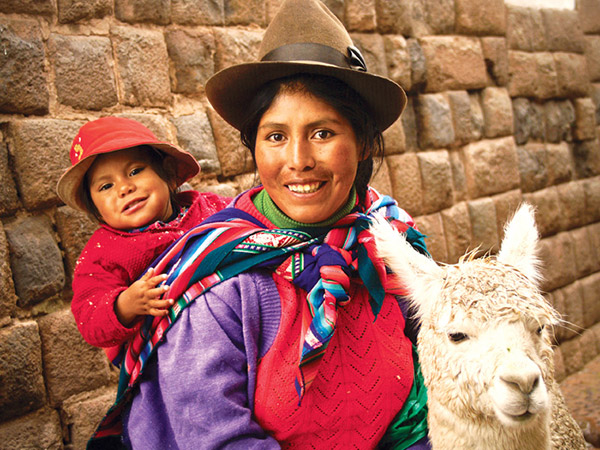
Peru
While Peru marks Mother’s Day on the same date as the United States and with many of the same customs, including giving flowers and sharing meals, many Peruvians also honor their deceased female relatives. They gather at their graves to celebrate them, often bringing flowers and sharing food and drinks. The tradition is so popular that vendors sell flowers, balloons, and signs outside the cemeteries.
| | | | |
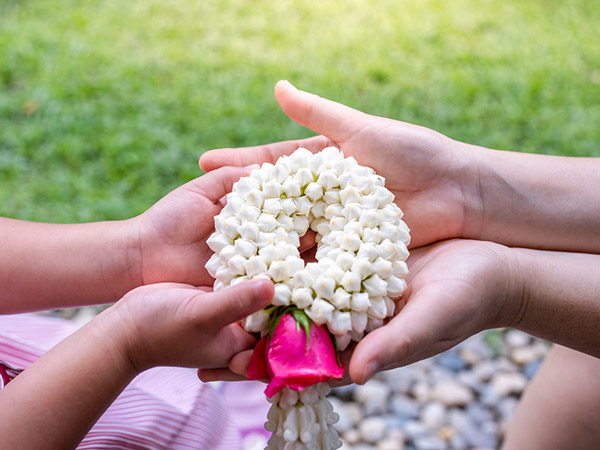
Thailand
When Thailand first celebrated Mother’s Day in 1950, it took place on April 15, close to Songkran, the Thai new year, but it was moved to August 12 in 1976 to honor the birthday of Queen Sirikit, who is considered the mother of the nation. Children give their mothers garlands of jasmine, which symbolizes purity and love, while families often give alms to Buddhist monks and make charitable donations. Schools host performances for mothers, while candle-lighting ceremonies, parades, and fireworks honor the Queen.
| | | | |
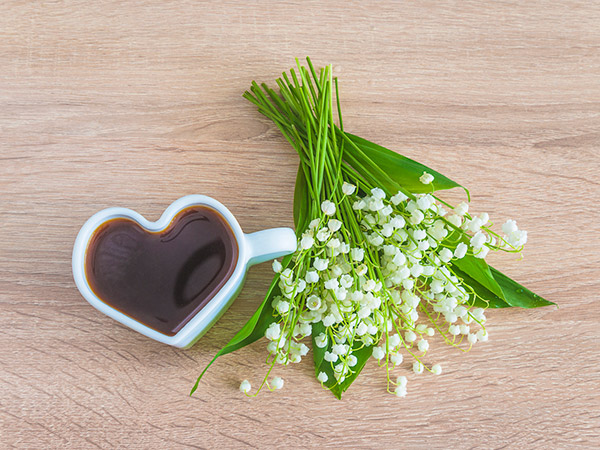
France
The French honor their mothers nationally on the last Sunday in May, unless it falls on the same day as the Christian holiday of Pentecost, in which case it moves to the first Sunday in June. Although the day originated as a way to honor mothers of large families and has been celebrated nationally since the 1920s, it was not until 1950 that the government gave it a fixed date. Like many other countries, French families give mothers gifts, cards, and flowers, though in France, Lily of the Valley is preferred. Special meals are followed by children reciting poems and giving cakes shaped like floral bouquets or hearts.
| |
2. Religion: Cardinal Robert Prevost Elected First American Pope
| | For the first time in the history of the Catholic Church, a cardinal from the United States was elected pope. Cardinal Robert Prevost, a native of Chicago, IL, spent many years as a parish pastor and bishop in Peru before becoming a cardinal. He has taken the name Leo XIV. The last pope to take the name Leo was Leo XIII, who served as pope from 1878 to 1903. | | Cardinal Robert Prevost becomes the first American pope, choosing the name Leo XIV | | From: NPR, By: Sarah Ventre & Daniel Burke, May 8, 2025 | | |
VATICAN CITY — Cardinal Robert Prevost has been elected pope, becoming the first pontiff from the United States. He chose the name Pope Leo XIV.
The 69-year-old new pontiff appeared on the balcony of St. Peter's Basilica and said, "Peace be with all of you!"
He said he wanted his message of peace to "enter your hearts, to reach your families, and all people, wherever they are, all of the people, all over the Earth."
He thanked his fellow cardinals for selecting him and spoke in Italian, Spanish and Latin. Having spent years working in Peru, he thanked his former diocese in the South American country, "where a loyal people has shared its faith and has given a lot," he said.
He spoke warmly of the late Pope Francis, with his "always courageous voice," he said, and concluded by leading the crowd in prayer.
| | 3. Teacher Appreciation Week: May 4 –10, 2025 | | Teacher Appreciation Week concludes tomorrow, May 10th, but don't let that stop you from showing your appreciation to the educators in your family's life. The article below has some great suggestions on showing a teacher your appreciation any day of the year. Tucson has a great organization, Tucson Values Teachers, through which you can show your support for teachers. | | Teacher Appreciation Week | | |
Teacher Appreciation Week is celebrated in the first full week of May, from May 4 through May 8 in 2025, and is when teachers get the extra credit they deserve. The big day is Teacher Appreciation Day on May 5, but teachers are just so great that they get a whole week to savor our appreciation. Whether you have a teacher, know a teacher, or are a teacher, there are endless ways to give a little extra support to teachers and teachers organizations. Teaching is known to be a time-consuming and challenging profession, so this week is our chance to say thank you to those that play or have played such a huge role in our lives. Who doesn’t have a fond memory of a teacher who inspired us in some way?
Teaching is one of the oldest professions – in 561BC, the first private teacher in history was one of the most learned men of all time, Confucius. In Ancient Greece, there was huge value placed on educating children, and in the 1600s the Pilgrims also placed a similar emphasis on the practice.
How to Observe Teacher Appreciation Week
1. Bring a gift to your teacher
Many associations, like National PTA, offer suggestions for gifts to give to teachers and provide fun printable thank-you notes and flyers. Other great ideas to honor your teacher’s work include gift cards, donations, baked goods, decorating their classroom door or teachers lounge, volunteer in a classroom, or use the official hashtag #ThankATeacher
2. Reach out to an old teacher
We all remember at least one old teacher fondly, and chances are they remember you and would love to know what you’re up to. See if they are still teaching at your old school and plan to pay a visit, give a call, or even add them on social media to keep up with them! It’s a great chance to let them know the impact they have had on your life.
3. Donate to teachers!
Many associations have made it their mission to support teachers with school supplies and making ends meet. Some of the best organizations to send a little extra to this week include Donors Choose, Fund for Teachers, and the National Education Association Foundation. You can even specifically fund particular subjects, like the arts or math and sciences!
| | 4. Higher Education: Dance Your Ph. D. | | Science magazine sponsors an annual contest in which Ph.D. holders and candidates submit videos explaining their thesis through dance and music. The choreography, music, and video production quality are remarkably high. This year's overall winner and winner of the chemistry category, Sulo Roukka from the University of Helsinki, is presented below, along with the social sciences category winner, Manisha Biswas from Humboldt University of Berlin. | |
And the winner of this year’s ‘Dance Your Ph.D.’ contest is …
Helsinki chemist’s food-themed frolic wins overall honors as other awards recognize physics laser raps, swaying leaf cells, and collective dancing takeovers
| | |
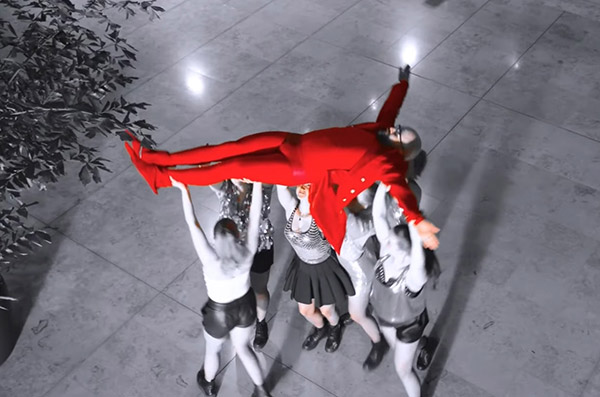
The stinging heat of chili peppers, the cooling taste of mint, and the drying sensation from drinking tea were all part of Sulo Roukka’s winning entry in Science’s “Dance Your Ph.D.” contest this year. During the dance, the University of Helsinki food scientist flamboyantly sheds a white lab coat to reveal a red suit, complete with a coattail, symbolizing a chili pepper. He leaps and twirls with sequined partners amid flashing lights in his sensory lab and through the school’s hallways. To Roukka, the best part of the process was bringing friends together “to create something amazing.”
Based on the thesis he defended in January, Roukka’s dance explored the differing sensations among people caused by food compounds such as the fiery capsaicin found in chili (“Hot! Hot! Hot!” accompanying lyrics go) or the icy menthol found in mint (“Cool! Cool! Cool!”). Roukka studied how those sensations, known as chemesthesis, influence human experience, such as remembering the pleasantness of certain foods. These insights can help create better foods, such as plant-based products or nonalcoholic drinks.
Roukka, who took home the $2750 overall and chemistry category prizes, recruited some friends who created costumes, directed, and filmed the action. He also enlisted dancers from one of the university’s musical theater groups. “I got to experience a ‘Kylie Minogue’ fantasy,” he says, recalling a part of the video where he’s lifted up by other dancers in the same way that pop singer often
Roukka’s No. 1 fan—his cousin's 6-year-old daughter Frida—was mad about not being in the video, he says. But Roukka has already made her a promise: “If I ever do another Ph.D., I will make sure she’s the first one to join for the next Dance Your Ph.D. music video.”
| | Dance Your PhD 2025 Winner | Insights into oral chemesthetic perception by Dr. Sulo Roukka | | Dance Your PhD 2025 SOCIAL SCIENCES WINNER | The Powerful Outcomes of Collective Synchron | |
5. Performing Arts: Linda Collazo Update
| | I had the pleasure of watching the Flock's favorite mezzo-soprano, Linda Collazo, perform the role of Dorabella in the Bronx Opera's production of W.A. Mozart's Cosí fan tutte. Mozart's comic masterpiece from the sixteenth century was performed in English and set in New York City in 1965. This opera buffo tells the story of two sisters and their fiancées. Linda's performance was spectacular. I can't wait to see Linda perform again. Here is a helpful overview of the Cosi fan tutte stortyline. | | Oysters are a delicacy worldwide, but even though I grew up close to the New England seashore, I've never eaten an oyster. As a child, it bothered me that the oysters were alive when you ate them. There is also the concern of Vibrio bacteria contamination from "red tide" algae blooms in any wild-caught shellfish, the root of the traditional saying, "only eat oysters in a month with the letter r", or September through April, avoiding the warmer summer months when the sea heats up. Modern methods of oyster farming have ensured a safe supply of oysters year-round. Local harvesters monitor their oyster beds for contamination and don't harvest during red tides. | |
Are Oysters Good for You? Benefits and Dangers
Beneficial to ecosystems and humans, oysters also provide an array of health benefits. What oysters lack in calories they make up for in their nutritional content, which includes vitamin B12, zinc, and a unique antioxidant.
| | From: Healthline, By: Jillian Kubala, MS, RD, June 13, 2023 | | |
Oysters are saltwater bivalve mollusks that live in marine habitats such as bays and oceans.
They’re a vital part of the ecosystem, filtering pollutants out of the water and providing habitats for other species, such as barnacles and mussels.
There are many different types of oysters — and their briny, flavorful meat is considered a delicacy around the world.
Though well known for their supposed aphrodisiac qualities, these mollusks have a lot to offer in terms of health benefits.
This article reviews the impressive health benefits — but also risks — of eating oysters and explains the best ways to prepare them.
An excellent source of important nutrients
Oysters are packed with nutrients. They’re especially high in the following vitamins and minerals:
-
Vitamin B12. This vitamin is critical for nervous system maintenance, metabolism, and blood cell formation. Many people, especially older adults, may have a vitamin B12 deficiency .
-
Zinc. This mineral plays a vital role in immune health, metabolism, and cell growth. A 3.5-ounce (100-gram) serving of oysters provides more than 500% of the DV.
-
Selenium. This mineral helps maintain proper thyroid function and metabolism.
-
Iron. Your body needs iron to make hemoglobin and myoglobin, proteins that carry oxygen throughout your body. Many people don’t get enough iron through their diet.
| | | | |
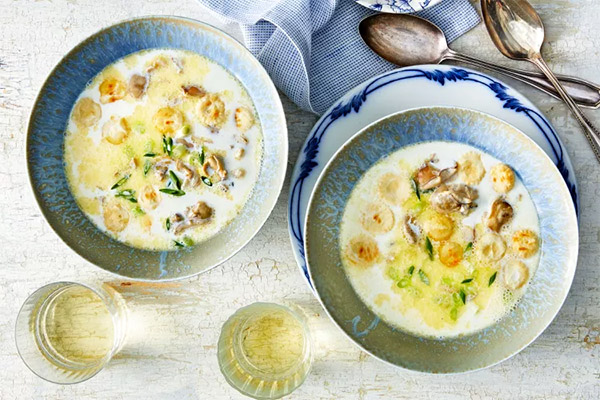
SimpleOyster Stew
From: Soiuthern Living
Folks who grew up on the coast, or visiting family and friends there on a regular basis, understand the simple humble goodness of this no-frills stew. Assembled in minutes using just fresh oysters, milk, salt, pepper, butter, and a little green onion, this stew is incredibly simple, but that’s why it’s so good.
Get the Recipe
| | | | |
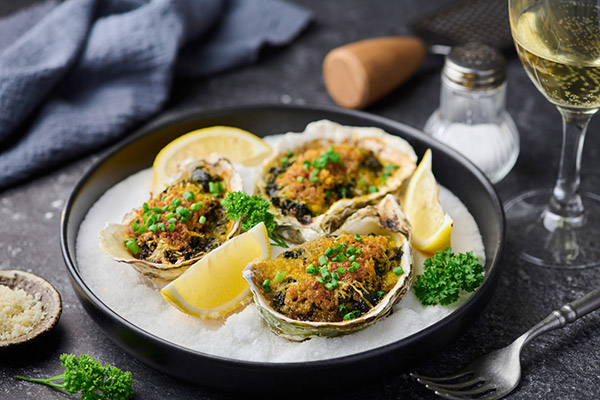
Oysters Rockefeller
From: SkinnyTaste
This easy Oysters Rockefeller recipe is always a hit. Topped with creamy spinach and breadcrumbs that get hot and golden under the broiler. Oysters Rockefeller are named after the millionaire John D. Rockefeller because they are covered in a rich, green sauce, the color of money
Get the Recipe
| | Big Island friend, agriculturalist, coffee grower, early Flock reader, and contributor Rick Robinson suggested I cover cryotherapy this week. Most of us have used some form of cryotherapy, even if it was just putting an ice pack on a sore joint after a particularly tough workout. Whole-body cryotherapy is a more recent innovation that is gaining popularity as a therapy for athletic recovery. *Be sure to check with your physician first before trying cryotherapy, the cold shock can be detrimental to people with heart conditions. | | |
Cryotherapy is the practice of exposing your body to very cold temperatures, such as an ice bath, a cold shower, or a cryo-chamber (an enclosed device that exposes the body to extremely cold air cooled by Nitrogen). Some forms of cryotherapy have been practiced for centuries in various cultures around the world, and research suggests it may have therapeutic benefits for athletes both pre- and post-training.
…Cryotherapy is not recommended as a medical treatment, but rather as a tool to aid athletic recovery. This offering is supervised and recommended to some athletes based on individual needs and goals, considering overall health and wellness history.
Benefits of cryotherapy
The formal study of cryotherapy, especially whole-body cryotherapy using nitrogen-cooled air, is a relatively new field. However, available evidence indicates that cryotherapy may have benefits for athletes, including:
-
Hormone regulation: Cold exposure is linked to higher levels of testosterone and lower levels of cortisol, which may improve athletic performance.
-
Nervous system effects: Cryotherapy may provoke changes in neurotransmitters like dopamine and increase activity between the sympathetic nervous system and skeletal muscle, inducing a faster heart rate. These effects may help to prime an athlete for performance.
-
Psychological well-being: In some studies, participants who received whole-body cryotherapy reported improved mood and sense of well-being. Considering the role of psychology in high-level competition, improved mood and reduced stress may help athletes perform at their best.
-
Reduced post-training discomfort: Some studies show that post-exercise cold exposure can reduce perceived muscle soreness after training.
-
Improved performance: Cold-water immersion after a workout has been positively linked to multiple performance measures, including muscular power, muscle soreness, and perceived recovery.
| | |
Photo: Dr. Puneet Shroff
A Tucson rainbow
| | |
Photo: Dr. Puneet Shroff
Zeus closes out the day.
| | These Flock regulars are always here for you: | | Don't Be Shy: Share Your Stories! | | I'm looking forward to sharing more of your personal stories - oral, written, or otherwise, as we enter our third year. I'd so love to present them to The Flock, hit a mailbox below to share your story. | | Subscriptions & Idea Submissions
Reminder: Your submissions are always welcomed. | | |
Feel free to forward this email to a friend. If this was forwarded to you and you would like to receive your very own Flock Newsletter, you can sign up here. If you have any questions or suggestions for future Flock resources, don't hesitate to contact me.
Your fan and friend,
Beth
| | | The information and materials contained or referenced in this newsletter are for informational purposes only and not intended to be a substitute for professional medical advice, diagnosis, or treatment. Always consult a physician or other qualified medical professional with any questions you may have regarding a medical condition or treatment and before beginning a new health care regimen. Do not disregard professional medical advice or delay seeking medical advice or care based on anything contained in this newsletter. | | | | |