AHC Foundation


AHCKIDS.ORG

JAN 2025

Celebrating 30 Years of Service.

Honoring our legacy and embracing our future.

"People debate if The Shawshank Redemption should have won the Best Picture Oscar instead of Forrest Gump. Operating system, Windows 95 is released by Microsoft. Super Bowl XXIX is won by the San Francisco 49ers who beat the San Diego Chargers. The year is 1995 and the AHC Foundation is formed by a group of dedicated AHC parents.


When the AHC Foundation was formed, no one knew the cause of AHC and only 6 papers were published that year. It would take another 17 years for the cause of over 80% of AHC cases to be discovered. And in the seven years that followed, over 280 papers were published on AHC-related research. Wow, so much has happened in the last thirty years!  


This year, we look to celebrate the hard work and dedication of AHC families over the last 30 years. We’ll look back at some of the most significant accomplishments of the foundation and look forward to the amazing plans to come. Join us each month as we celebrate how we came together as a community and where we plan to go as we seek to fulfill our mission to End AHC."


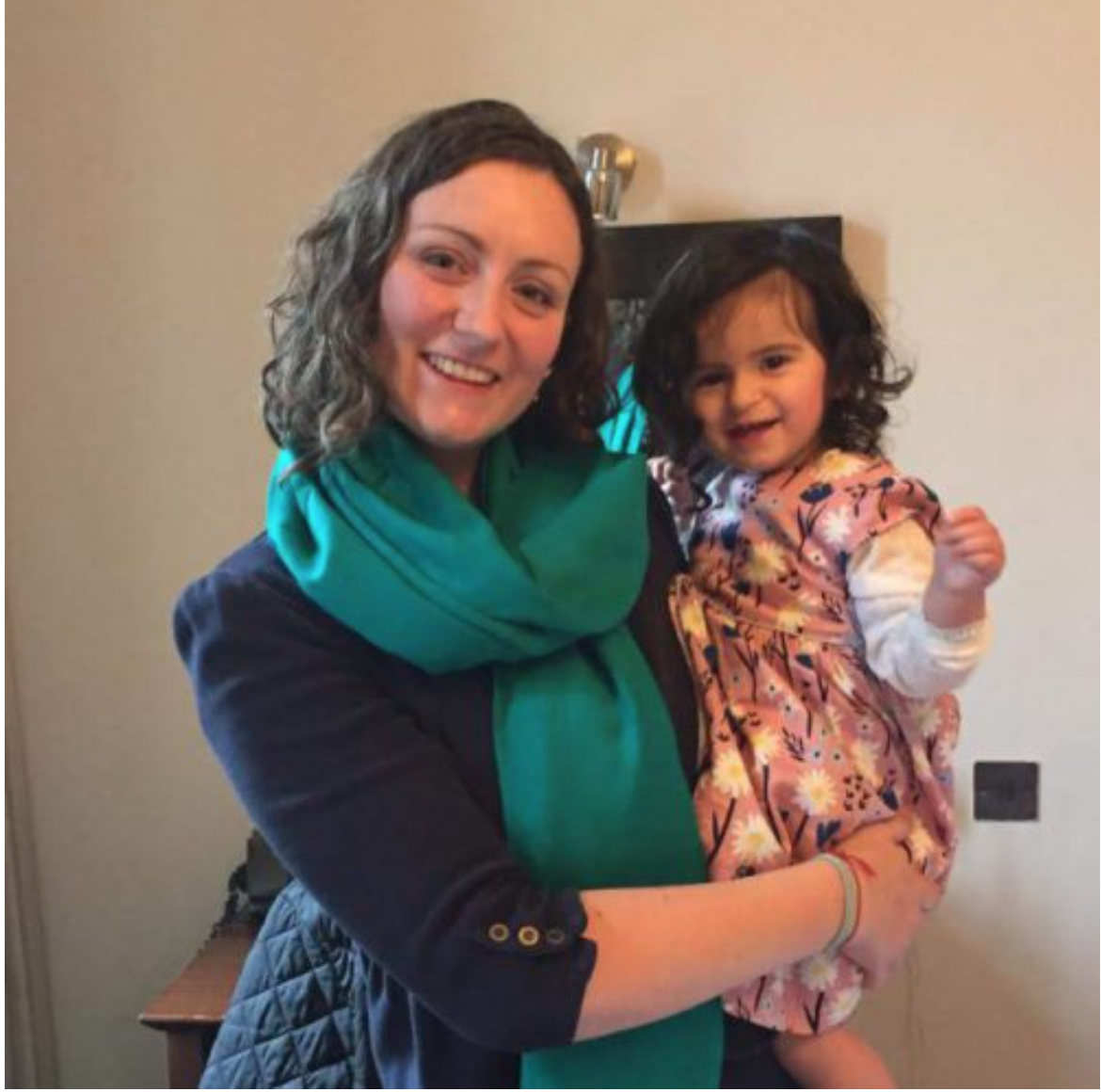
Vicky Platt, AHCF President


Recent Published Research Papers

This year looks to be starting out as the “year of the mouse” for AHC-related research. Researchers in Europe and the United States are so busy publishing papers on AHC that we are limiting this update to just four papers published in December and January. And three of those four papers focus on AHC mouse models. Links to the papers are included, but not all papers are available in a full text format for free. Enjoy.


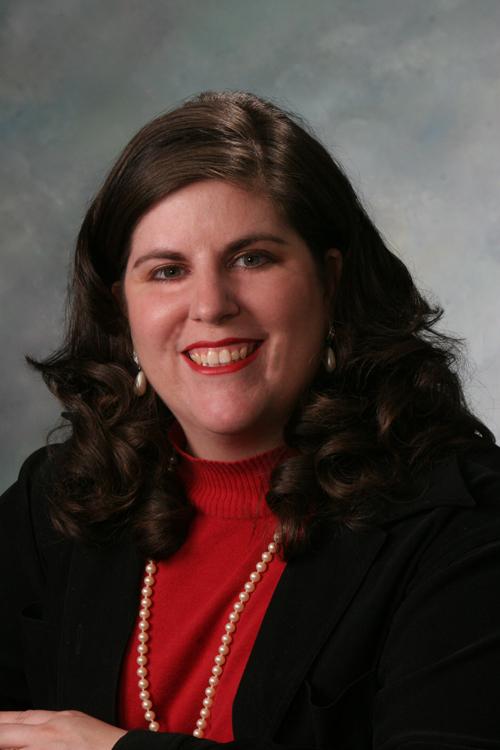
Celebrating AHC Mom & Author Katherine Behl


Alternating hemiplegia of childhood: challenges in a changing climate. Published on 1/7/2025 in Nature Reviews Neurology.


Katherine Behl is a physician and the mother of a child with alternating hemiplegia of childhood (AHC). Here, she highlights the day-to-day challenges of living with AHC and considers what stakeholders in climate action can learn from people with lived experience of disease.


Paper Link Here

Duke ATP1A3 Mouse Model Confirms Cardiac and SUDEP Issues for AHC

Progressive central cardiorespiratory rate downregulation and intensifying epilepsy lead to sudden unexpected death in epilepsy in mouse model of the most common human ATP1A3 mutation. Published in Epilepsia on January 11, 2025.


Congratulations to the Duke team of researchers who conducted this amazing work. We wish to thank all the doctors for bringing such important information to our community.


This study tested the Atp1a3Mashl/+ mouse which carries the D801N mutation. They found: (1) SUDEP consistently occurred during seizures that were more severe than preterminal seizures; (2) seizure clustering occurred in periods preceding SUDEP; (3) slowing of breathing rate (BR) and heart rate was observed preictally before preterminal and terminal seizures; and (4) the sequence during terminal seizures was as follows:

bradypnea with bradycardia/cardiac arrhythmias, then terminal apnea, followed by terminal cardiac arrhythmias. Compared to wild-type, mutants showed (1) abnormal resting BR variability but no difference in cardiac PR, QRS, QTc, or RR intervals; (2) abnormal hypoglossal nerve firing in response to hypoxia; and (3) abnormal whole-body plethysmography, consisting of baseline predisposition to apnea and abnormal responses to respiratory challenge.


Paper Link Here


Northwestern Publishes on First G947R AHC Mouse Model


Novel mouse model of alternating hemiplegia of childhood exhibits prominent motor and seizure phenotypes. Published in Neurobiology of Disease on December 2024.


Please congratulate Dr. Al George and his team at Northwestern University on creating a new AHC mouse model. This is a great asset to AHC research! 


The study demonstrated the neurological phenotypes exhibited by a novel mutant mouse model of AHC associated with the recurrent ATP1A3 pathogenic variant p.G947R. The mouse model reproduces cardinal features of human AHC including inducible dystonia and hemiplegia along with a prominent seizure phenotype, including lower thresholds for chemically and electrically induced seizures, handling-induced seizures, rare, spontaneous seizures and epileptiform activity on EEG. The quantitative EEG analysis provides novel insights about comorbid epilepsy in AHC that were not apparent in previously reported mouse models of this disorder. This new mouse model will have value as a platform for investigating AHC pathophysiology and for in vivo testing of new therapeutic strategies.


This work was supported by National Institutes of Health grant NS125785 and a grant from the Alternating Hemiplegia of Childhood Foundation.


Paper Link Here

Jacksoon Laboratories AHC Models Reveal Differences between D801N and E815 Mice


Jackson Laboratories AHC models reveal differences between D801N and E815K mice 

Alternating hemiplegia of childhood associated mutations in Atp1a3 reveal diverse neurological alterations in mice. Posted as a prepublished paper on bioRxiv’s website on December 24, 2024.


Through the generous and collaborative work led by Cathleen Lutz and Markus Terrey at The Jackson Laboratories, and amazing group of researchers published an incredibly important paper on the differences between the two most prevalent AHC mutations.  


Critical for the eventual testing of therapeutic strategies in AHC disease models, Jax Labs shares extensive details on the D801N and E815K mouse models. They performed behavioral, electrophysiological, biochemical, and molecular testing to comparatively

analyze AHC mice. Their data revealed the presence but also the differential impact of the p.D801N and p.E815K variants on disease relevant alterations such as spontaneous and stress-induced paroxysmal episodes, motor function, behavioral and neurophysiological activity, and neuroinflammation. Their alternate AHC mouse models with their phenotypic deficits open novel avenues for the investigation of disease biology and therapeutic testing for ATP1A3 research.


Paper Link Here


Influence AHC Patients Quality of LIfe

Email Now

For people living with AHC, there are a lot of uncertainties every day. This year, we are looking to fund research projects that improve daily life issues for our community. If you are interested in hearing about a variety of opportunities in development, please email vicky@ahckids.org for more information.


AHCF Board of Directors: Gene Andrasco, Sharon Ciccodicola, Cate Cohen, Lynn Egan, Mollie Erpenbeck, Heather Gates, Bill Gerber, Vicky Platt, and Kathy Sharo

Facebook