|
WILD ROCKIES
March 2025 Newsletter
| | Introducing WRFI's Strategic Plan | | |
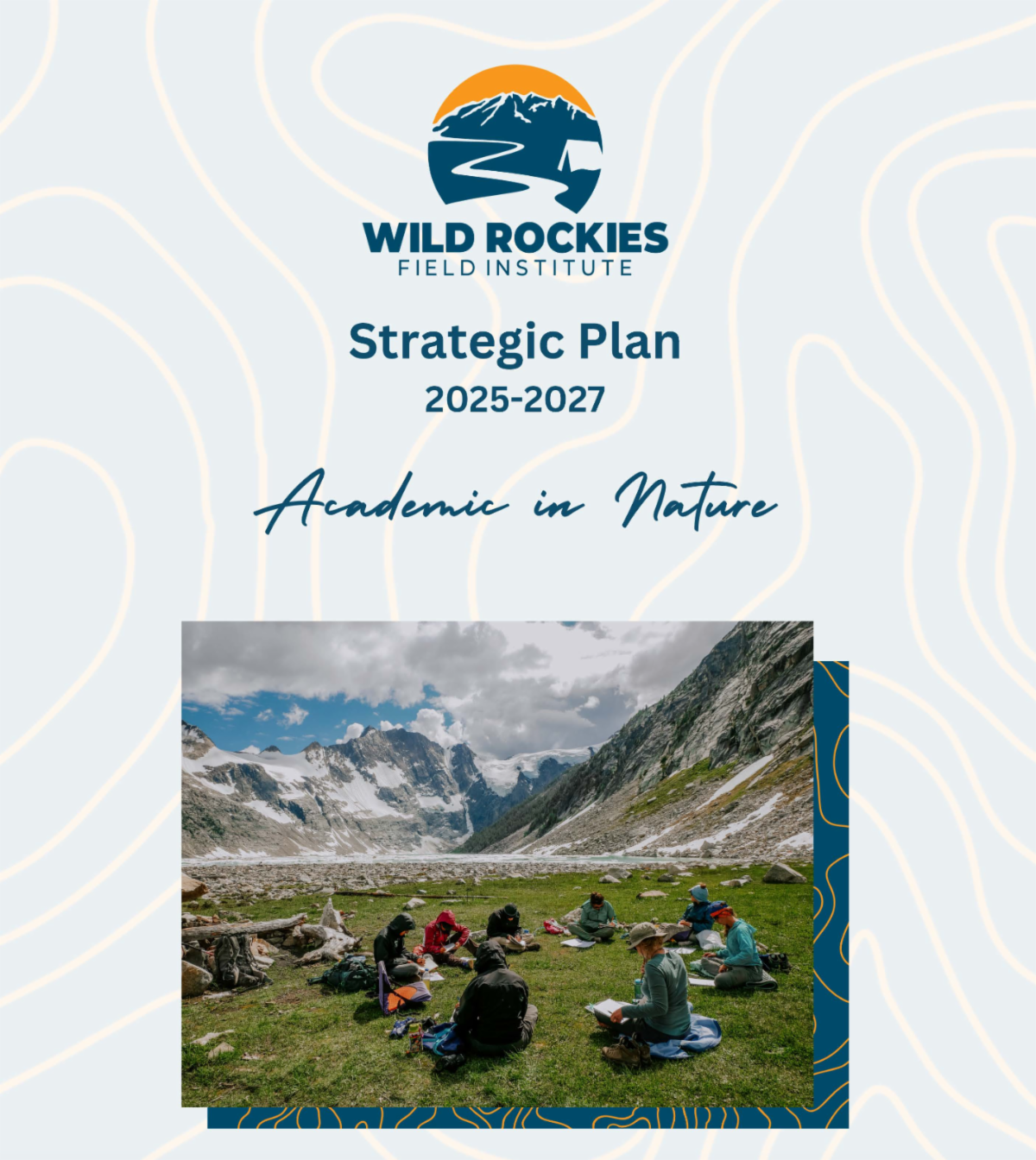
We want to make sure everyone in the WRFI community gets a chance to browse our newly-released 2025-2027 Strategic Plan! If you haven't yet had the opportunity, keep reading for a note from Matt and a link to the plan itself:
Hello, wonderful WRFI community!
The last few years at WRFI have had some big ups and down as we've recovered from COVID, celebrated our 30th anniversary with gatherings and a major fundraising campaign, energized the current generation of WRFI students, and thought long and hard about WRFI's future. Our Board of Directors has been hard at work throughout this time working to develop a new strategic plan for WRFI that will guide our work over the next few years as we continue to offer incredible field programs for engaged learners. This work started way back in 2022, and has continued since as we've refined the vision for WRFI's next chapter.
I'm honored to share this plan with you today; you can either download a PDF by clicking the image below, or view the plan on our website on our History, Impact, and Strategic Plan page. If you're interested to know more, or want to chat about this plan, please drop me a note!
Here's to WRFI's bright future!
Matt Baker-White
Executive Director
| | |
Put On Your Thinking Caps
Are You Ready to Think Like A WRFI Student?
| | |
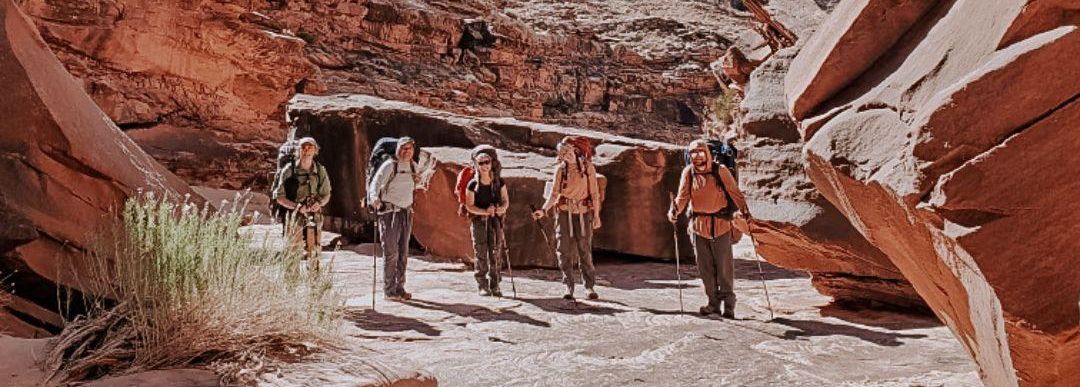
Our Colorado Plateau course is launching next week! The theme of this course is Desert Canyons & Cultures, and a key focus is the management of public lands and how competing interests–recreation, energy development, and conservation, to name a few–shape the future of these landscapes. We invite you to step into the mind of our students and think about the following prompt:
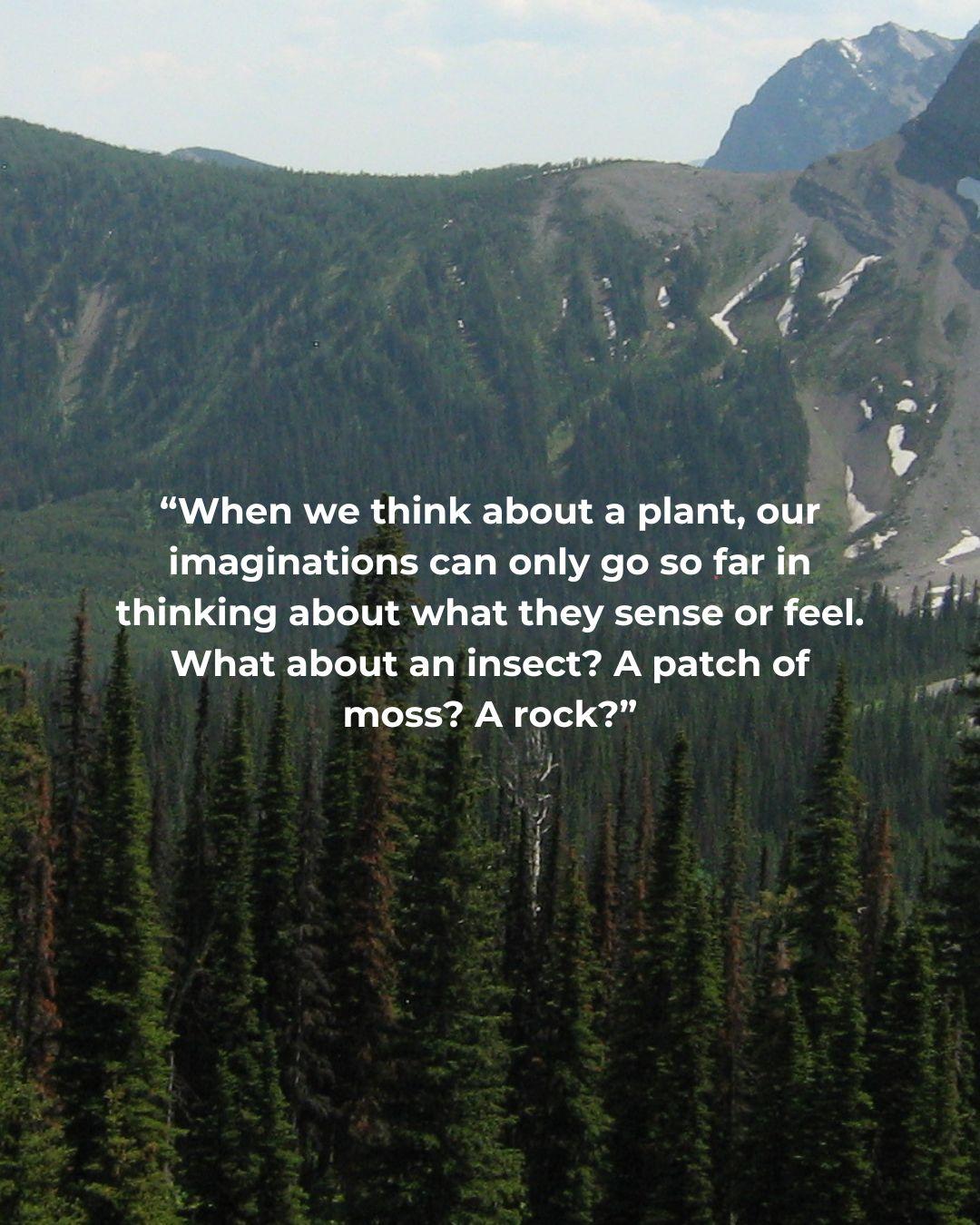
During this course, students are asked to read Barry Lopez's fantastic essay, The American Geographies (which feels more relevant than ever, despite first being published in 1988). In this essay, Lopez writes, “One learns a landscape finally not by knowing the name or identity of everything in it, but by perceiving the relationships in it.”
As you consider the management of public lands in your backyard, how do competing interests reflect different perceptions of the landscape and its value? How do legal and political frameworks shape these relationships, and in what ways might they either support or disrupt ecological integrity and cultural heritage? Given Lopez’s emphasis on relationships, how might a more holistic approach to land management foster a deeper understanding of place and responsibility?
| | |
Featured Course: Montana Afoot and Afloat
63 Field Days | 15 Semester Credits | $11,996 - $14,995
August 29-October 30, 2025
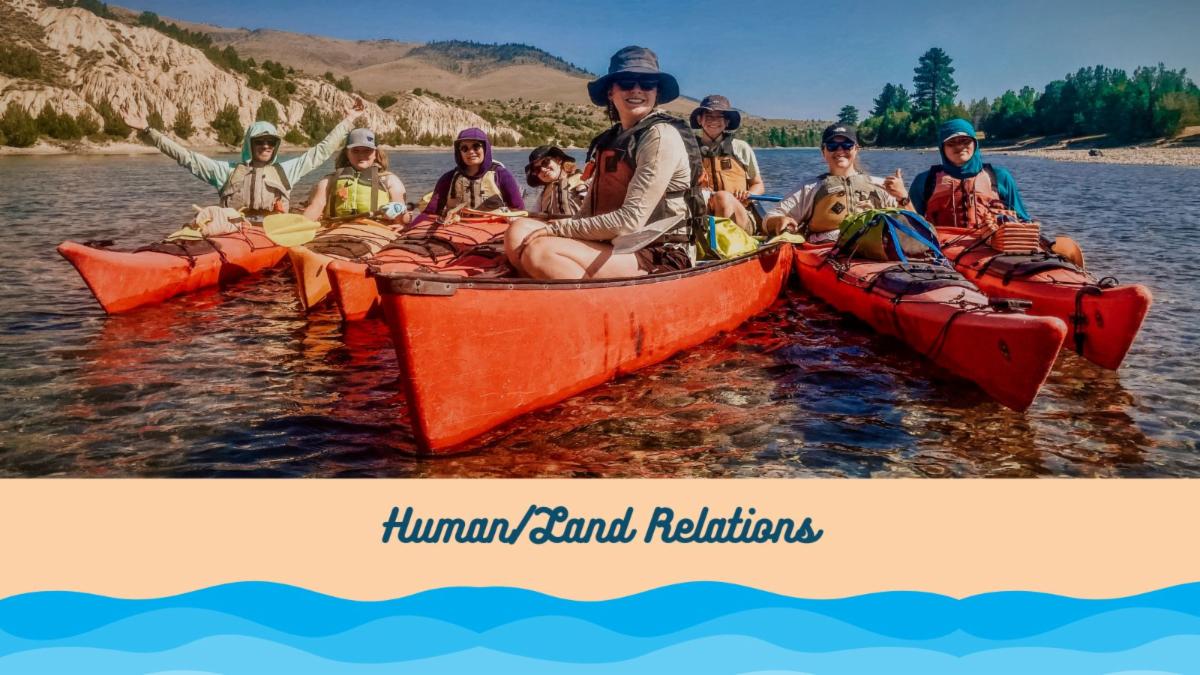
| | Gain a holistic picture of Montana’s landscapes, ecosystems, and geography by tracing the path of water in Montana’s dramatic landscape from headwaters high up in the mountains to flood plains in valleys that host important wildlife and communities alike. Students on this course will gain an integrated understanding of future, past, and present relationships between the human communities and landscapes that characterize Montana’s rich and diverse geography and is designed to give students the experiences and academic background to formulate a personal land ethic – that is, a vision of a wise and beneficial way to relate to the land. | |
|
Fresh From the Field: Sydney Lackey
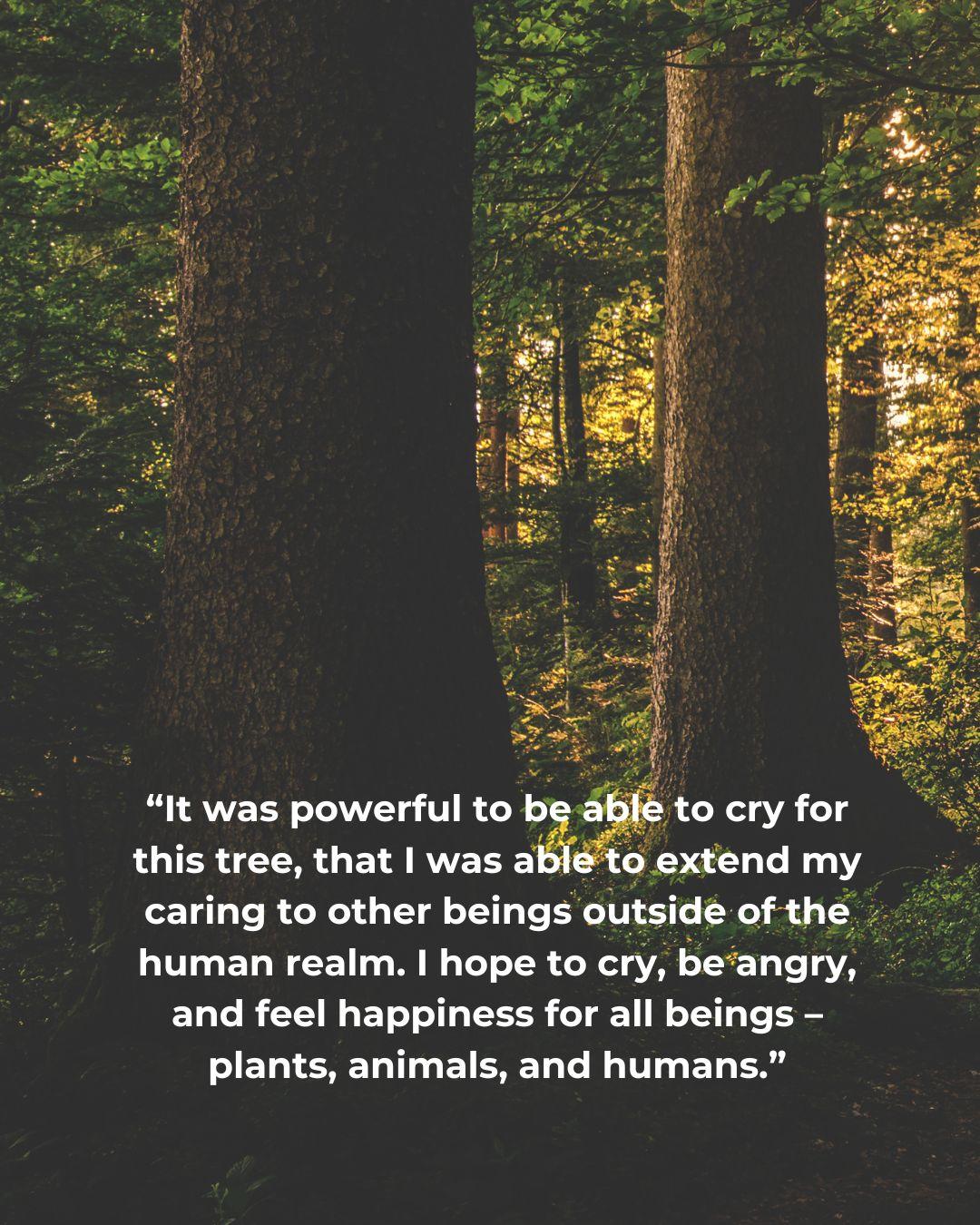
Crying for a Tree
| | |
Sydney's blog post is a moving reflection on how our connection to nature can deepen our understanding of our lives and place in the world by helping us process loss, expand empathy, and find balance. She also reflects on how her time on her Conservation Across Boundaries course made her face these ideas head-on while working with a trail crew in Canada.
Read the full post to reflect on your own perspective of all kinds of relationships.
| |
|
WRFI Is Hiring!
Southwest Climate Studio Art Field Instructor
| | |
WRFI is looking for an instructor to lead our Southwest Climate Studio Art course this spring! Our 2025 field course will run for 28 field days plus pre- and post-course work; contract dates from May 15-June 18th. This course is an incredible mix of creative practice, climate science education, and highlighting community resilience in the American Southwest. If you know of anyone uniquely qualified for this role please do put them in touch, and feel free to forward this note to others!
The first two weeks focus on visits with artists and community leaders in Spanish and Indigenous communities of the Northern Rio Grande watershed, while the course learns how human communities build resilience to a changing climate. The second two weeks of the course focus on personal expression of experiencing climate change in today's world. Some of the location highlights this course visit are Bandelier National Monument, the Valles Caldera, Taos Pueblo, Jemez Pueblo, Cochiti Lake, Santa Fe, Albuquerque, Chaco Canyon, Mt Taylor, Gallup, and various other locations in New Mexico. Throughout the program the course will visit with guest speakers, attend community and cultural events, and engage deeply with each other and the world around them. This course is in its second year, so there is significant opportunity to shape the curriculum and itinerary.
Ideal candidates will hold a MFA in studio art or a closely related field and/or be a practicing artist, a Wilderness First Responder certification, have 2+ years of experience educating with an overnight outdoor program, and have 2+ years teaching at an undergraduate level. WRFI's field instructor compensation guide is viewable here; total compensation for this course contract is estimated to be $4750-5500 including daily pay, pre/post hourly pay, and stipends. There is a possibility of having an instructor teach either the first or second half of the course.
To apply, please submit a cover letter and resume to matt@wrfi.net.
| |
|
Scholarship Highlight: Joel DiBiase Memorial
For Restoration Ecology Students
| | The Joel DiBiase Memorial Restoration Ecology Scholarship This scholarship is made possible by the family and friends of Joel DiBiase and is available to students enrolling in the Restoration Ecology in Greater Yellowstone course. Joel was a student on the 2019 Restoration Ecology course and sadly passed away in April 2021. Joel studied Environmental Science at Humboldt State and Sacramento State Universities. His passion for the outdoors and his commitment to restoring, conserving, and preserving our public lands was contagious and admirable. Through this memorial scholarship we keep Joel’s legacy and love for wild spaces alive. | | Wild Rockies Field Institute is a 501(c)3 organization. Your gift is fully tax deductible. Our Federal Identification Number is 81-0487425. | | | | | |