|
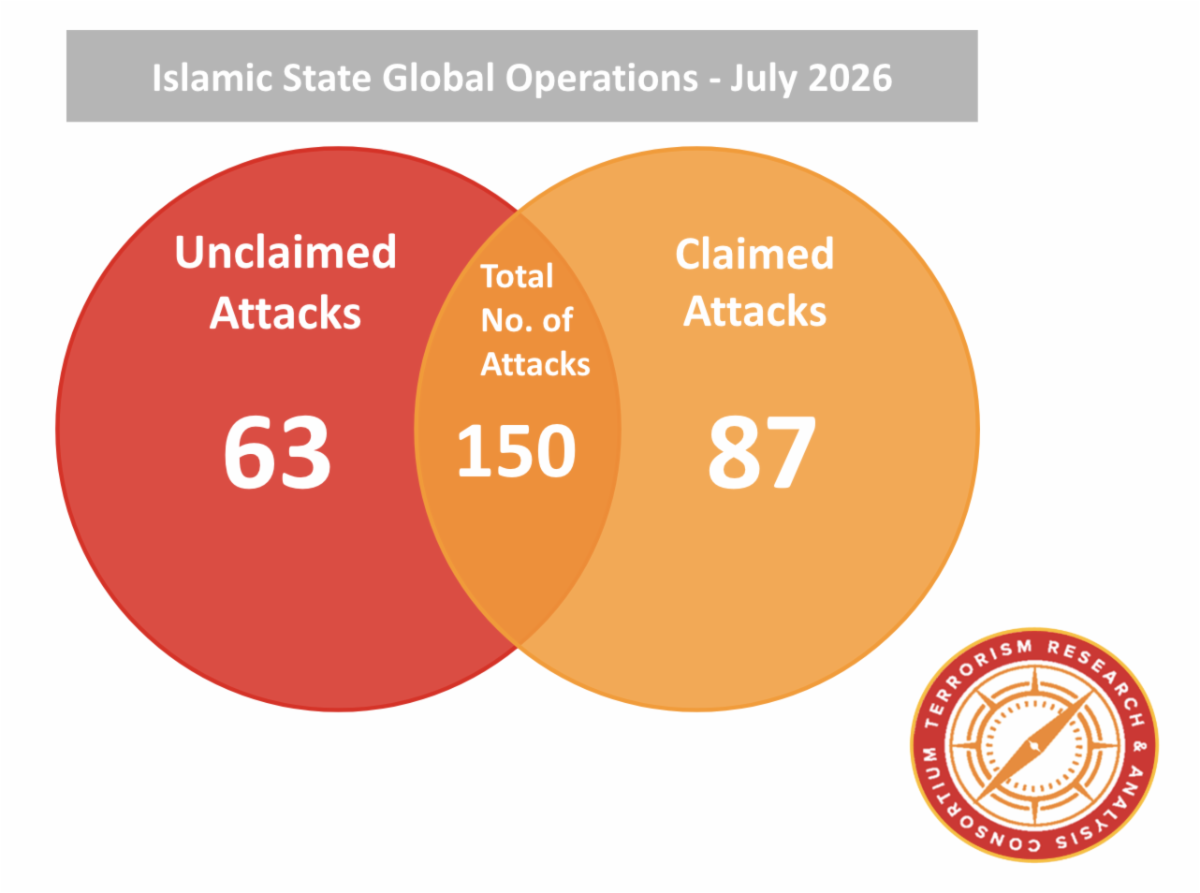
Islamic State Global Operations – July 2026
Islamic State (IS) global activity declined from 181 attacks in June to 150 in July 2026, largely following the end of the group’s “Hot Summer” campaign in Iraq and Syria, which had generated numerous unclaimed attacks against agricultural land and food production. Although the campaign has subsided, its longer-term effects may emerge through disrupted livelihoods and food insecurity, potentially creating conditions conducive to future recruitment. Excluding this temporary campaign, however, IS activity remained broadly stable, suggesting that the decline does not yet represent a wider deterioration in the organisation’s operational capacity.
Several affiliates nevertheless demonstrated significant capabilities. Islamic State Mozambique (IS-M) repelled a substantial Mozambican military assault involving naval and air assets at Quiterajo; Islamic State Central Africa (ISCA) temporarily captured Tibi and its surrounding mines; and an unclaimed attack at Dan-Kassari demonstrated continued militant activity in the ISGS/ISSP operating environment. Meanwhile, Islamic State West Africa (ISWA) increased its activity from 30 to 42 attacks, despite communications difficulties and the surrender of dozens of militants.
Overall, July suggests that IS' global network remains operationally resilient, with declining aggregate attack numbers masking significant regional activity and several high-impact operations.
Areas of Interest
Nigeria
Islamic State West Africa (ISWA) activity increased significantly in July 2026, rising from 30 attacks in June to 42 in July, firmly reestablishing the group as the Islamic State’s premier claimer of attacks. However, ISWA continues to experience communications difficulties, constraining its ability to consistently publicise operations and maintain a reliable propaganda output.
Despite this increase, ISWA suffered a significant setback with the mass surrender of militants, including a senior finance chief, to Nigerian government forces. Beyond the loss of manpower and financial expertise, the defections could provide Nigerian authorities with valuable intelligence on the group’s finances, movements, and support networks. Nevertheless, the increased attack volume suggests these losses have not yet significantly diminished ISWA’s operational capacity.
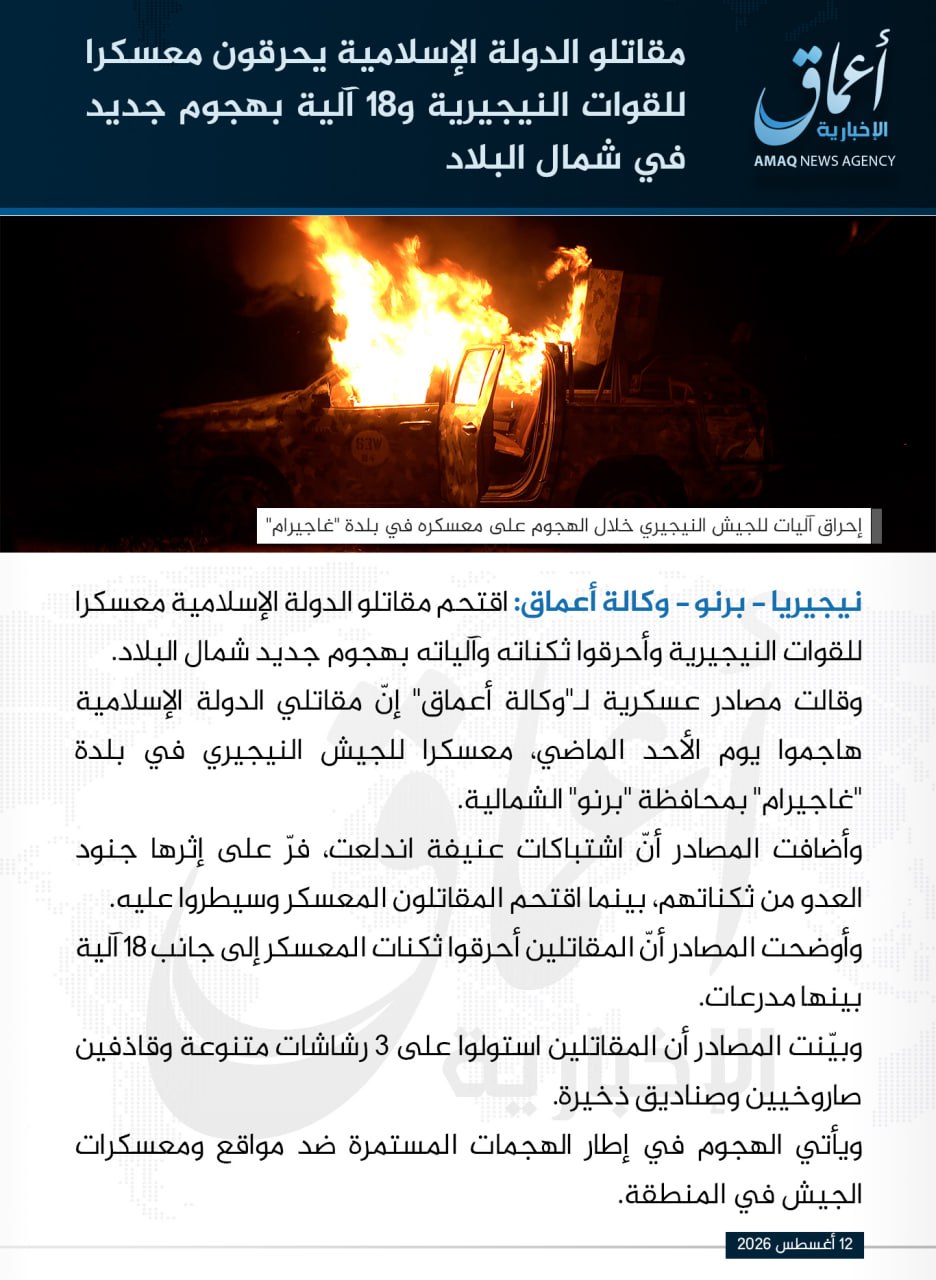
July also saw a renewed emphasis on conventional armed assaults, following a period in which ISWA increasingly relied on intelligence-driven operations and targeted killings. While these activities have continued, the return to more overt attacks and direct engagements with security forces demonstrates ISWA’s ability to maintain pressure across multiple fronts despite personnel losses and persistent communications problems.
Congo (DR)
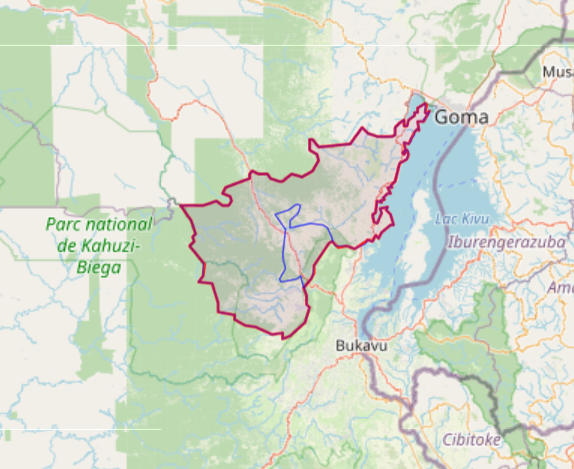
Islamic State Central Africa (ISCA) activity increased modestly in July 2026, with 27 attacks compared with 22 in June, indicating that the group maintained a steady operational tempo. The most notable development was ISCA’s capture of Tibi and its surrounding mines, marking a departure from its more typical pattern of mobile roadside attacks and short-duration raids. The seizure suggests a willingness to temporarily hold strategically valuable territory when doing so provides access to additional resources.
ISCA detained individuals and demanded Jizya payments, further highlighting the importance of revenue generation to its operations. Control of Tibi provided the group with multiple opportunities for resource extraction through local taxation and access to mining activity. Although ISCA later vacated the area, the episode demonstrates its willingness to deviate from its traditionally mobile operating pattern when temporary territorial control offers sufficient financial benefits.
Mozambique
Islamic State Mozambique (IS-M) activity increased in July 2026, although operations remained inconsistent and concentrated in short bursts. A notable lull between 10 and 19 July, during which no attacks were recorded, suggests that while IS-M retains operational capacity, its ability to sustain continuous activity, or consistent communication with the IS publishing apparatus, remains limited.
The month’s most significant development was the clash at Quiterajo, an important base for IS-M’s maritime operations and coastal movement of fighters, supplies, and other resources. Mozambican forces launched a substantial assault involving naval and air assets, apparently seeking to dislodge IS-M and disrupt its coastal infrastructure.
Despite the scale of the offensive, Mozambican forces were ultimately repelled, representing a significant tactical success for IS-M. The engagement suggests that the group’s position in Quiterajo is better defended than previously assessed and demonstrates that, despite uneven activity, IS-M retains the ability to withstand coordinated military operations and defend strategically important territory.
|