|
There are approximately 1.3B combustion-engined vehicles on the road today globally. According to the IEA's 'Global EV Outlook 2021', EV's passed the 10M mark at the end of last year - totalling just less than 1% of the world's fleet.
The current proportion of EV's to total automobile sales varies significantly by region - affected mainly by government incentives - and can be anywhere from a few per cent (Alberta), to higher than 80%(Norway). Inside EV's reports that in the first quarter of 2021, electrified vehicles (PHEV and BEV) accounted for 5.8% of the global market, with BEV's at 3.8%.
We are likely to sell roughly 80M vehicles globally in 2021. The average service life of today's vehicles is probably 20 years. The percentage mix of electrified vehicles is rising exponentially, but it will probably take at least a decade to move from the current 5.8% to 50%, and then another decade to get it to 75% [my estimates]. This should be some comfort to those in the oil business, as we are still going to need a lot of liquid fuel for quite some time. Still, the change is happening: In 50 years we might see 1% of the world's vehicles powered by liquid fuel, and 99% powered by electricity.
What of today's luxury cars that may enjoy an easy life of Sunday drives and frequent polishing, that will be too nice to scrap?
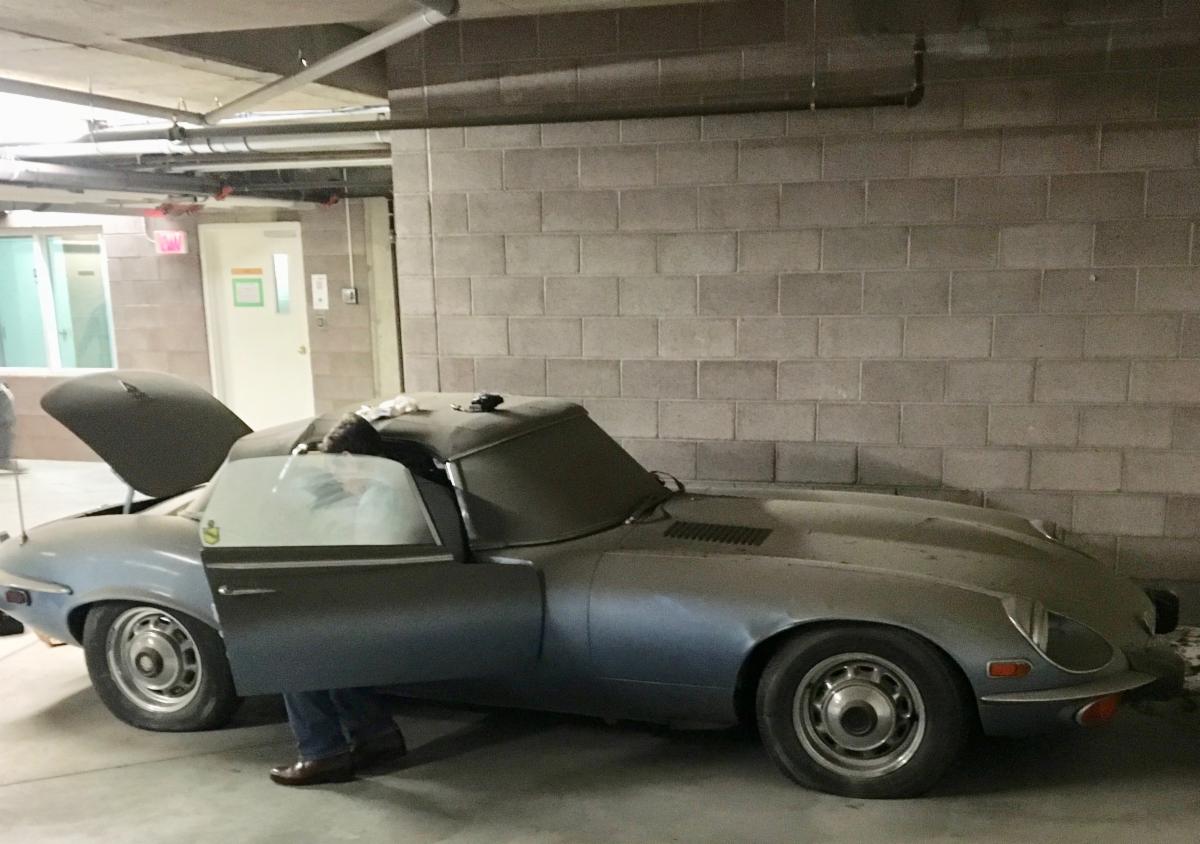
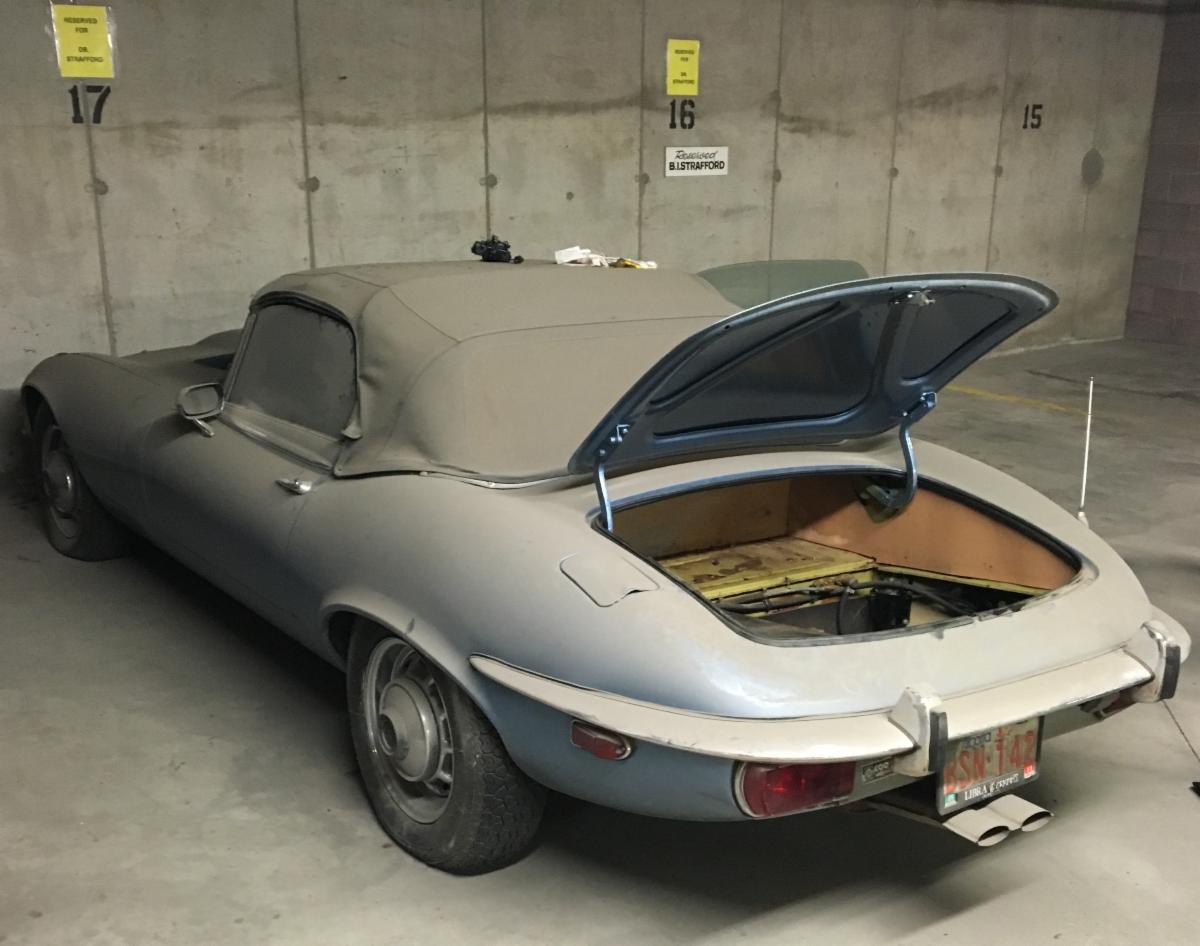
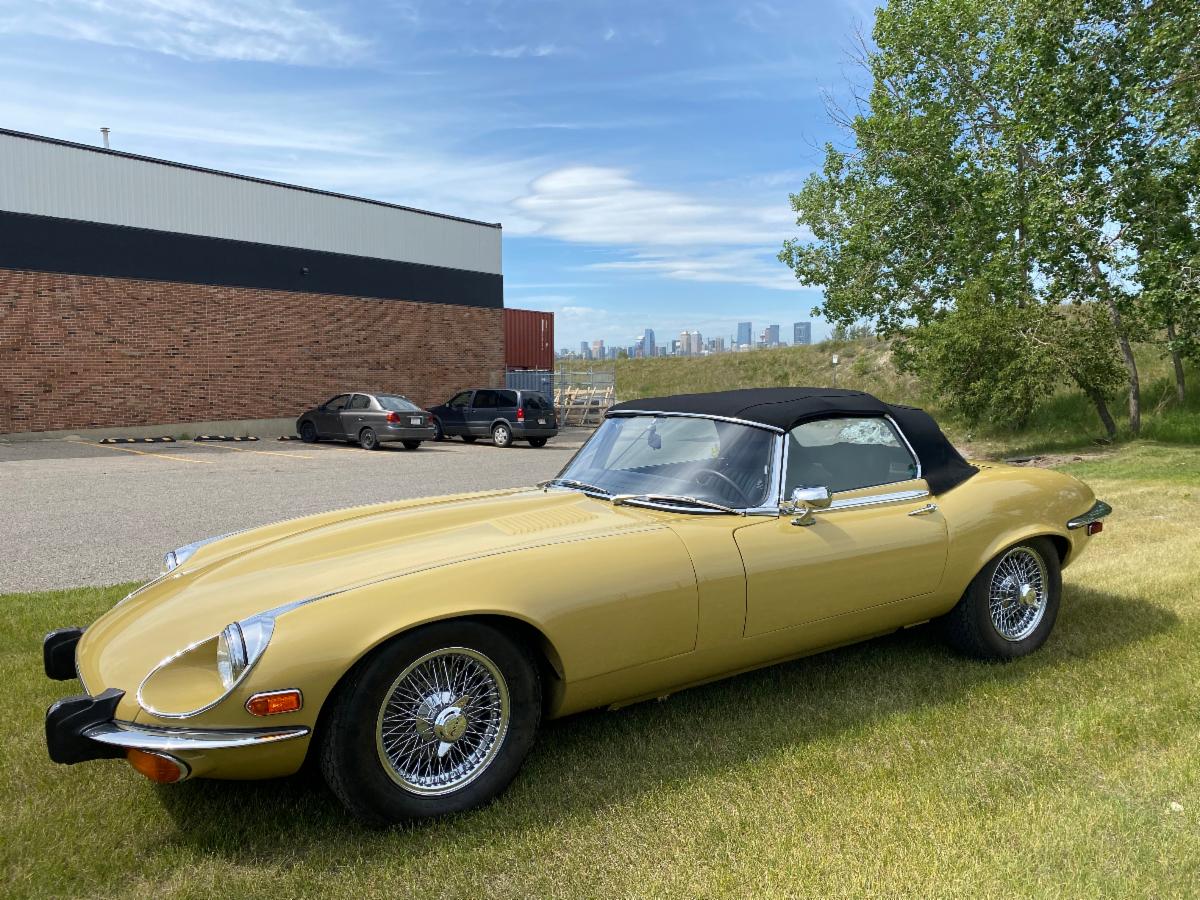
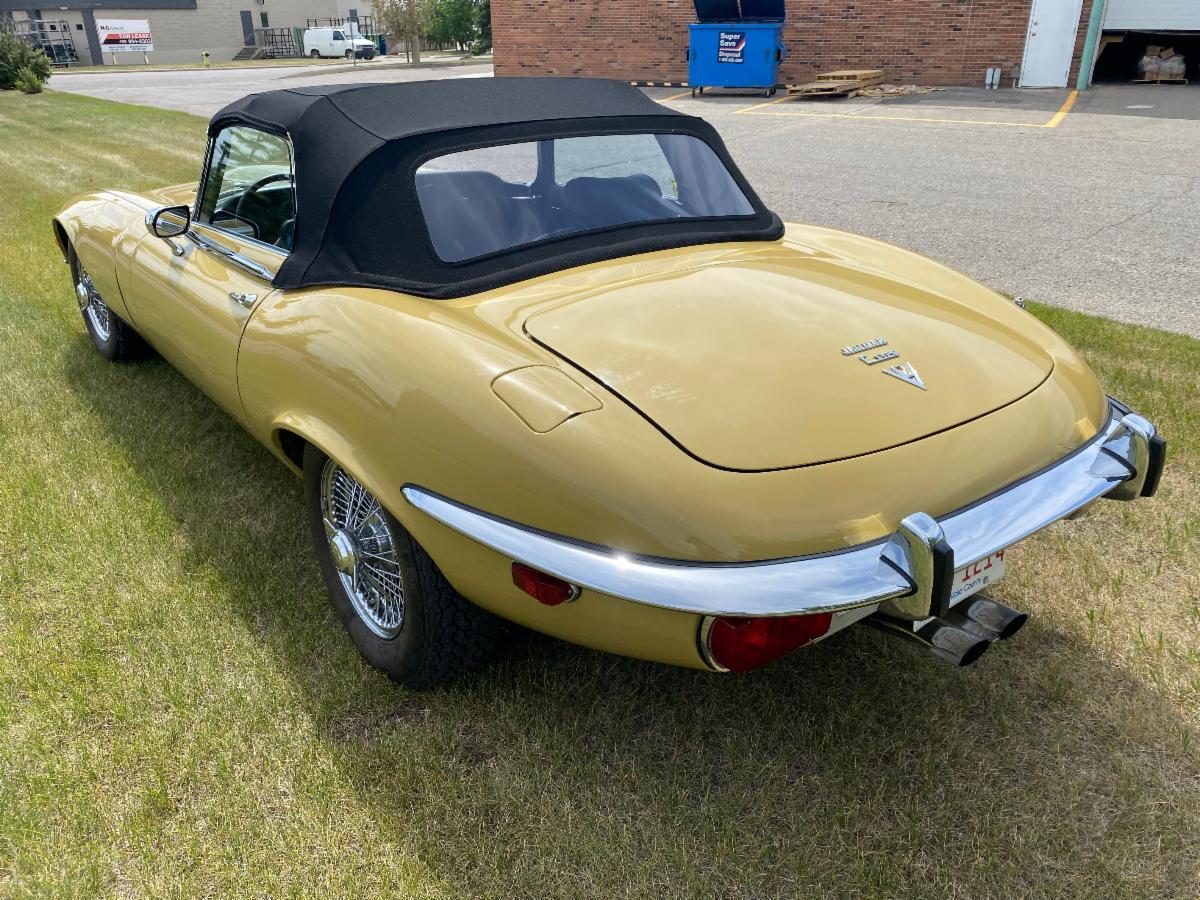
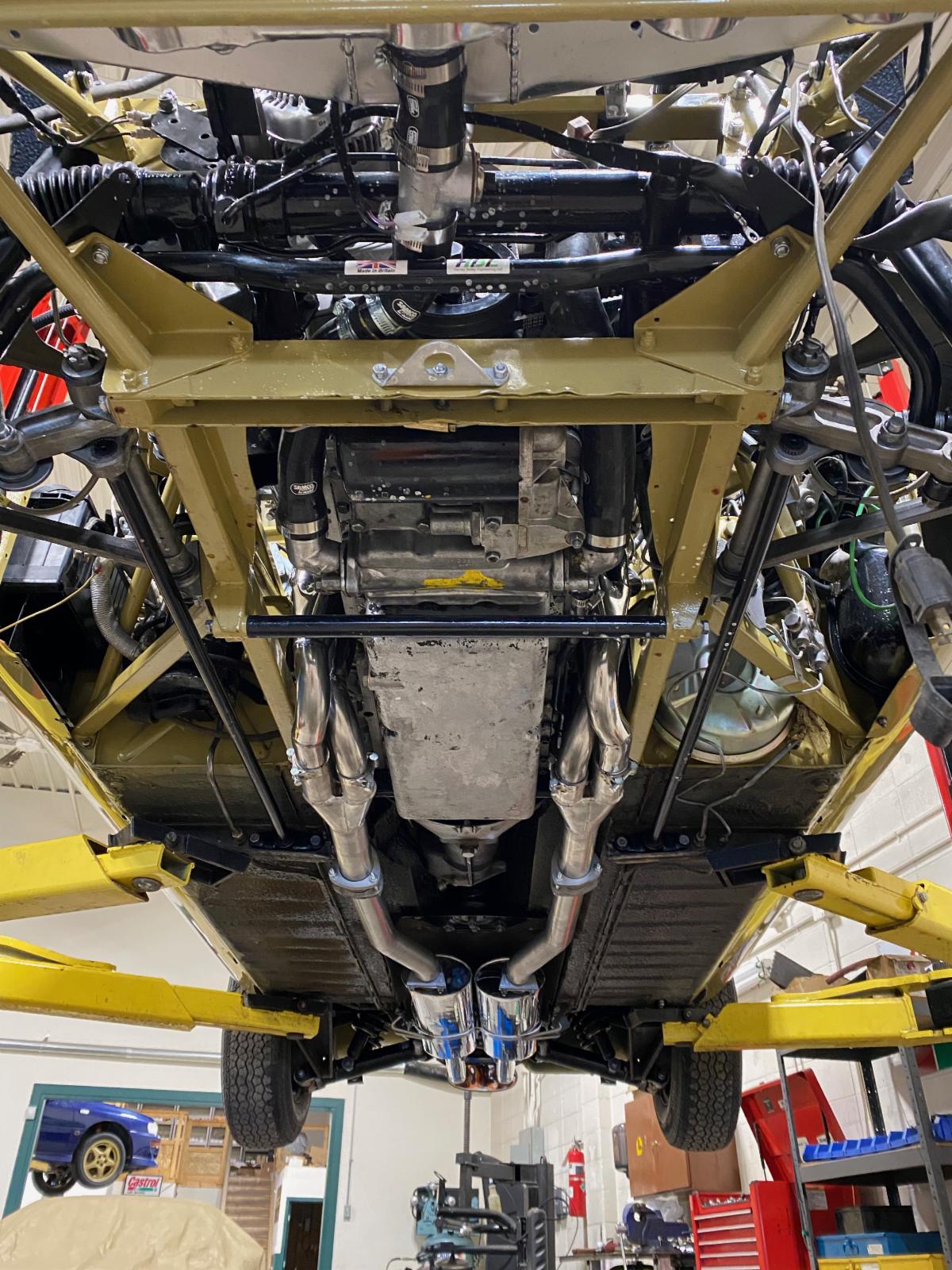
The Jag pictured above is a case in point. This 1973 Jaguar V12 E-Type was bought new by a physician at Cooke Motors in Calgary. It was the last series of the E-Type, which stunned the world in 1961 with it's stunning good looks and near 150mph performance. Enzo Ferrari called it the most beautiful car in the world.
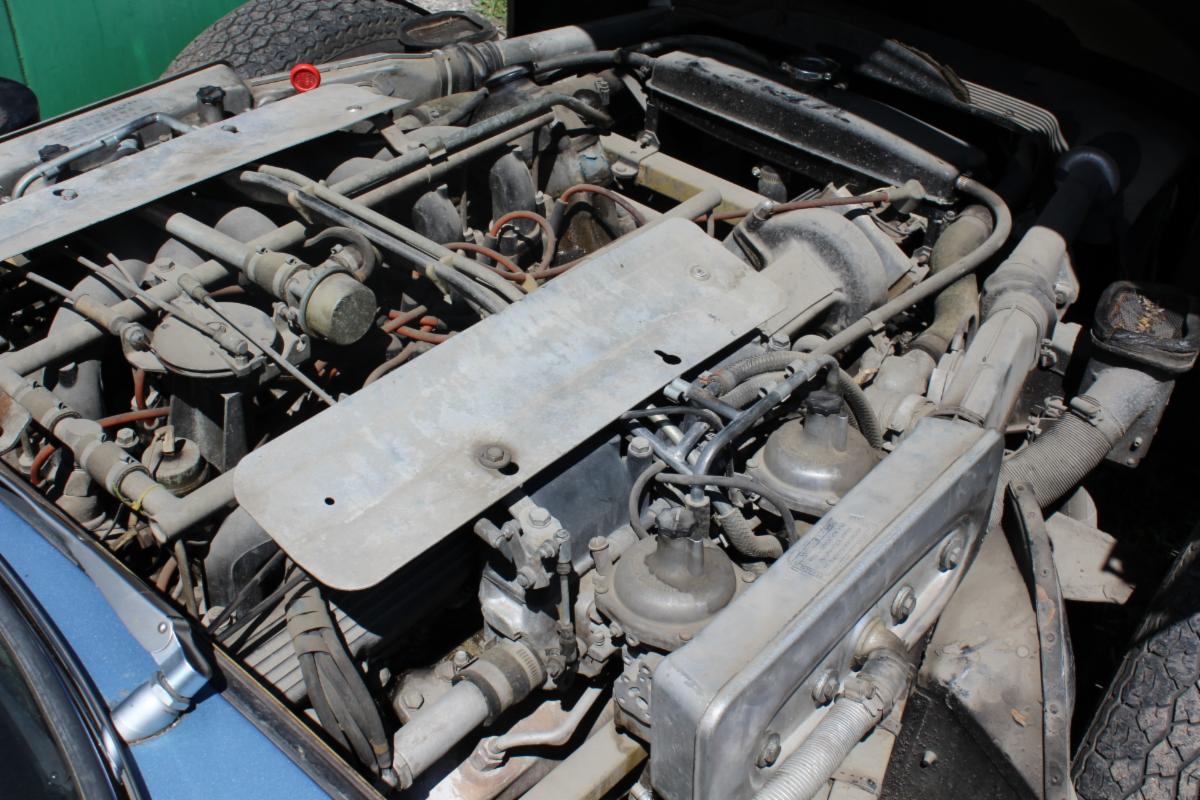
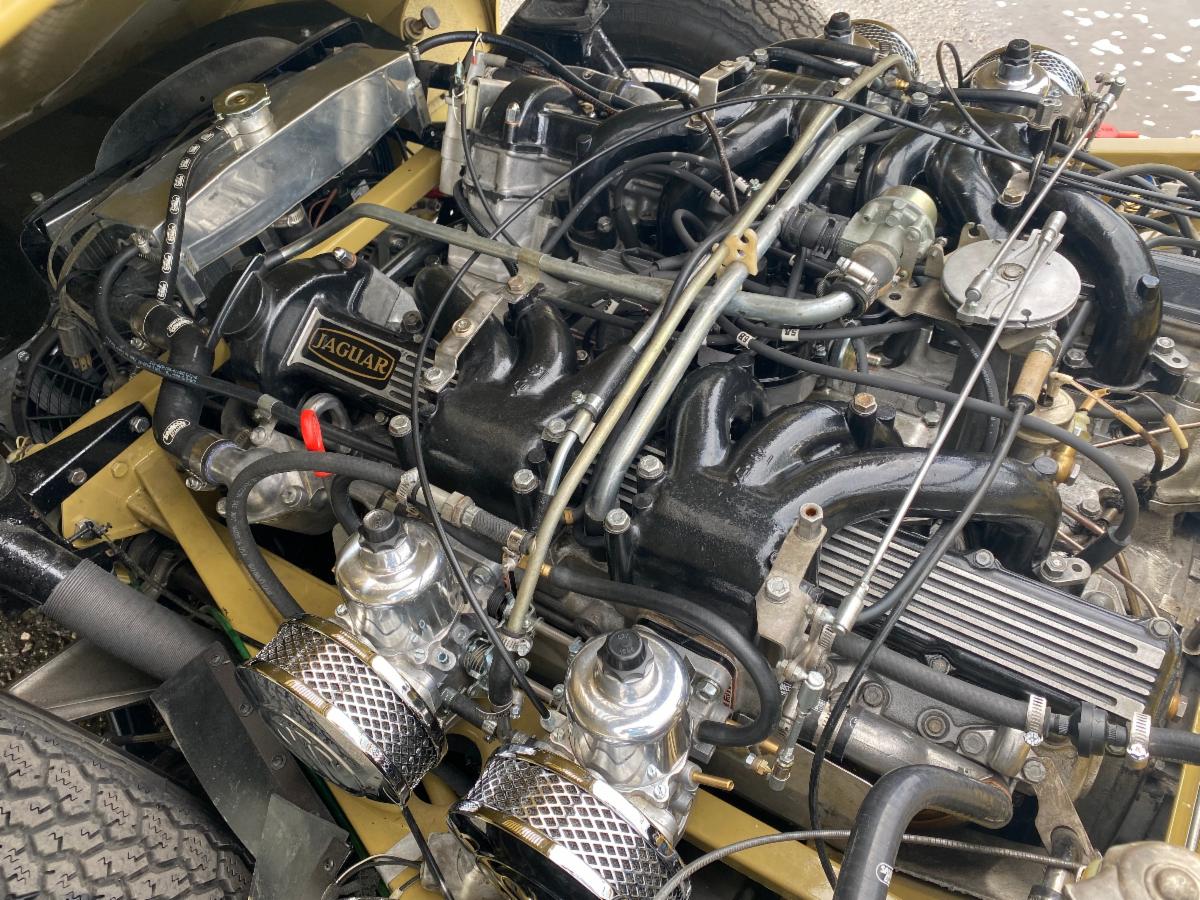
The V12 engine in the Series 3 E-Type was developed by some of Britain's greatest racing car engineers, including Walter Hassan and Harry Mundy, who also had a hand in the pre-war ERA's, the post war BRM V16 F1 engine and the first Coventry Climax racing engines. It produced 272hp and gave the Jag an honest 140mph performance at a time when many cars would struggle to reach half of that speed.
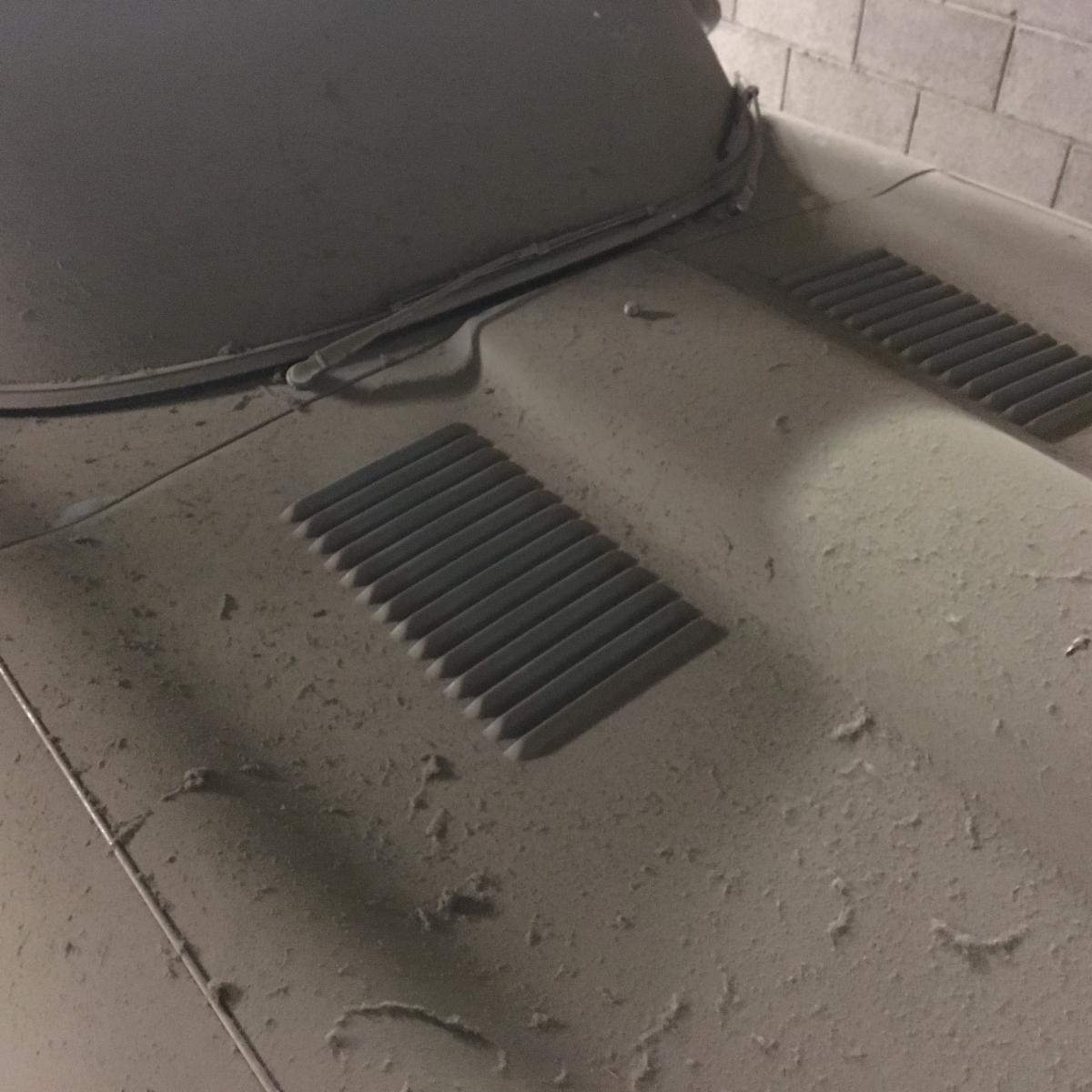
At some point early in the car's life the Doctor changed the colour from the rare Greensand to a light metallic blue. He racked up just over 70,000miles from 1973 to about 2005, when he got too old to drive it, and it sat in an underground car park until his passing. The roughly 2,000 miles per year that he drove it gave him a lot of enjoyment, and he enjoyed showing it at car events and parades.
The Doctor dedicated a significant portion of his working life to developing affordable housing to help seniors, homeless and those fleeing domestic violence. He was decorated with many civic awards and received an honorary doctorate. Now, the Jag became more than just an automobile, but a physical link to the memories of a distinguished husband, father and grandfather.
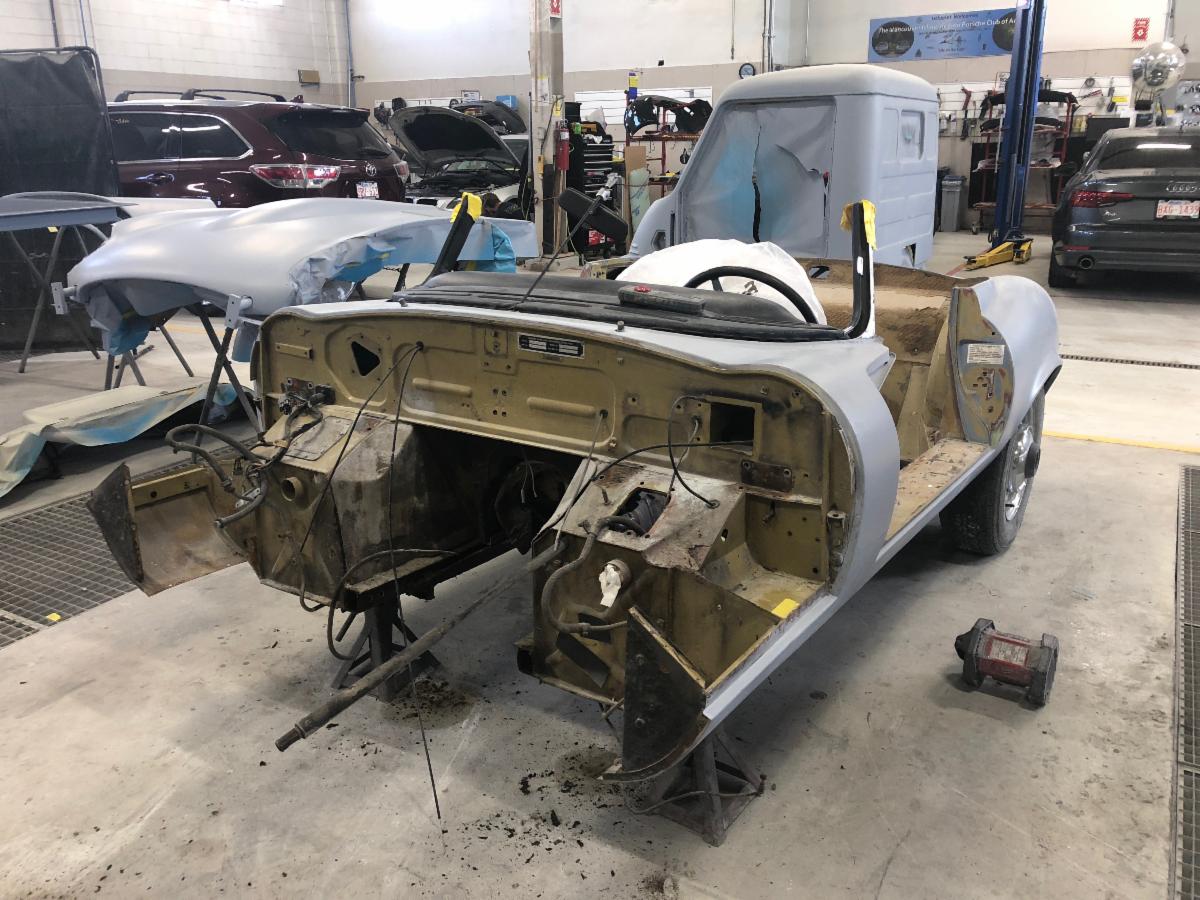
I first saw the car when asked to appraise it and advise on restoring it. The options in Calgary were limited, and I wound up agreeing to contract the restoration myself on behalf of the family - it seemed like a worthy project.
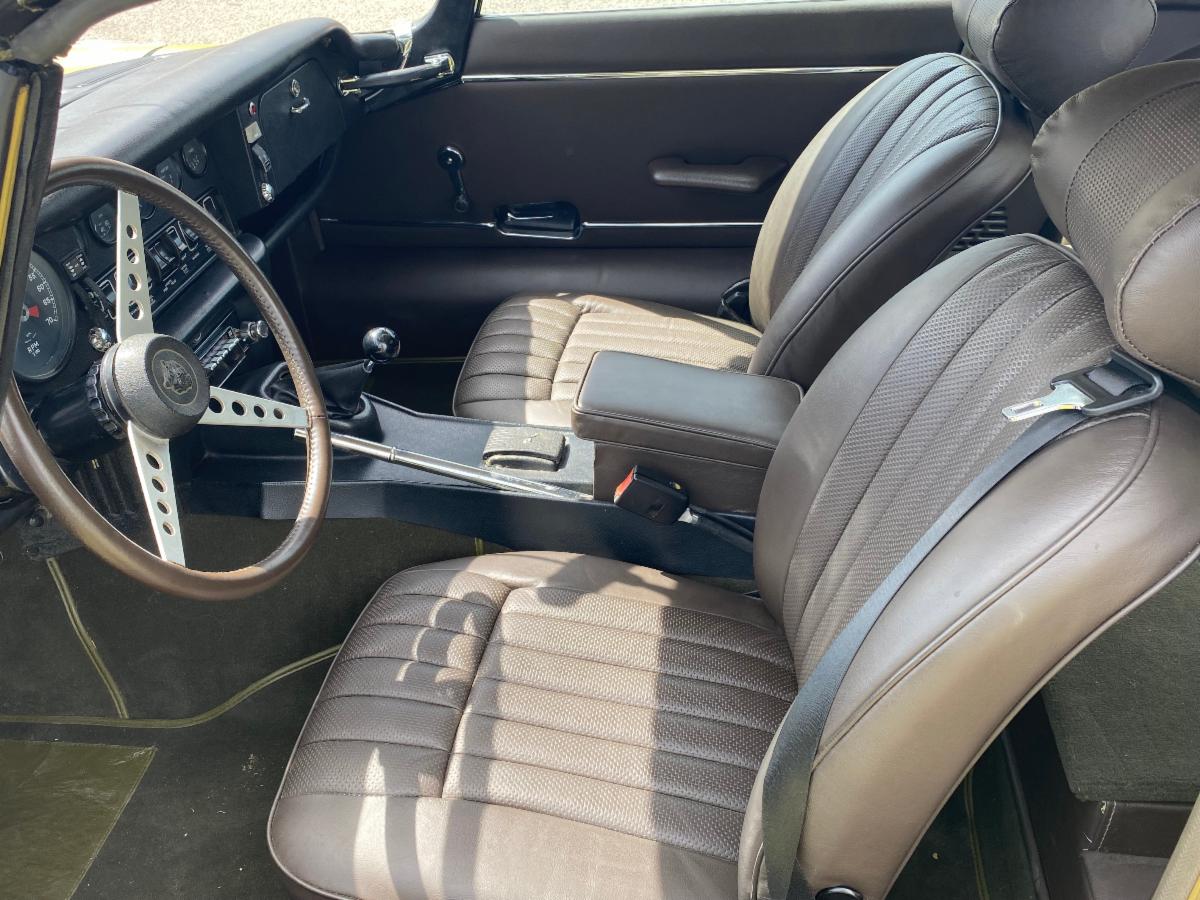
The car was finished recently and I'm pleased to report that It came out pretty nice!
This is an example of a combustion-engined car that deserves to be saved. It is a historical artifact and a piece of industrial art with a rich history of British engineering talent, cultural impact, and an important personal connections. With the restoration, it's ready for the next 50 years of memories.
|