|
The period commonly referred to as Radical Reconstruction was one of those rare moments where everyday people grasped the levers of power.
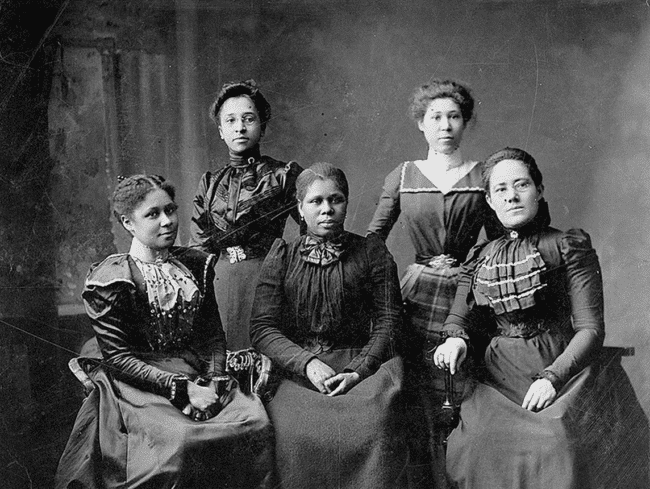
Textbooks often focus on the few Black people who made it to the U.S. Senate or House of Representatives. Although these are some of the most dramatic symbols of the revolution that swept through the South, it’s the smaller, local positions — Black jurors, judges, tax assessors, sheriffs, county commissioners, school board members — that give a sense of the drastic ways Radical Reconstruction transformed the day-to-day lives of most Black people.
And beyond those who gained official titles, the actions of everyday people — demanding better treatment on the streets and on the plantations, organizing self-defense against reactionary whites, protecting families and allies — reveal the many attempts to make society anew and prevent the old racist relations from returning.
That is why we offer resources to Teach Reconstruction, including the lesson quoted above, Teaching the Reconstruction Revolution: Picturing and Celebrating the First Era of Black Power.
We are hosting a class on Nov. 18 on the Reconstruction-era multiracial government in Wilmington, North Carolina. The class will include clips from the American Experience PBS documentary, American Coup: Wilmington 1898, that premieres on Nov. 12.
|