|
Housing Shows More Cooling
Greetings!
The housing market is giving buyers a little more room to breathe—but not enough to call it a turnaround. Home-price growth is slowing, builders are becoming more flexible, and buyers have more homes to choose from. Even so, elevated mortgage rates continue to keep many would-be buyers on the sidelines.
The latest home-price reports reinforce that mixed picture. The S&P Case-Shiller National Home Price Index rose 1.5% from a year earlier in June, while the Federal Housing Finance Agency reported a 2.1% annual increase. Both measures show that home prices are still rising, but much more slowly than they were a few years ago.
Inflation continued to rise faster than home prices. After adjusting for inflation, national home values declined for the 13th consecutive month. That may offer buyers a small measure of relief, although affordability remains a significant challenge.
Buyers Remain Cautious
The clearest evidence of softer demand came from new-home sales, which fell 10.5% in July to an annual rate of 607,000—the lowest level since January. Sales were also 6.3% below where they stood a year earlier.
Builders appear to be responding. Nationally, the median price of a new home fell to $393,800, while the available supply increased to 9.6 months at the current sales pace. This price may seem far removed from California’s housing market, where the median price of an existing single-family home was $887,680 in July. The figures are not a direct comparison—the national number covers new homes, while the California number covers existing single-family homes—but they show how much higher home prices are for California buyers.
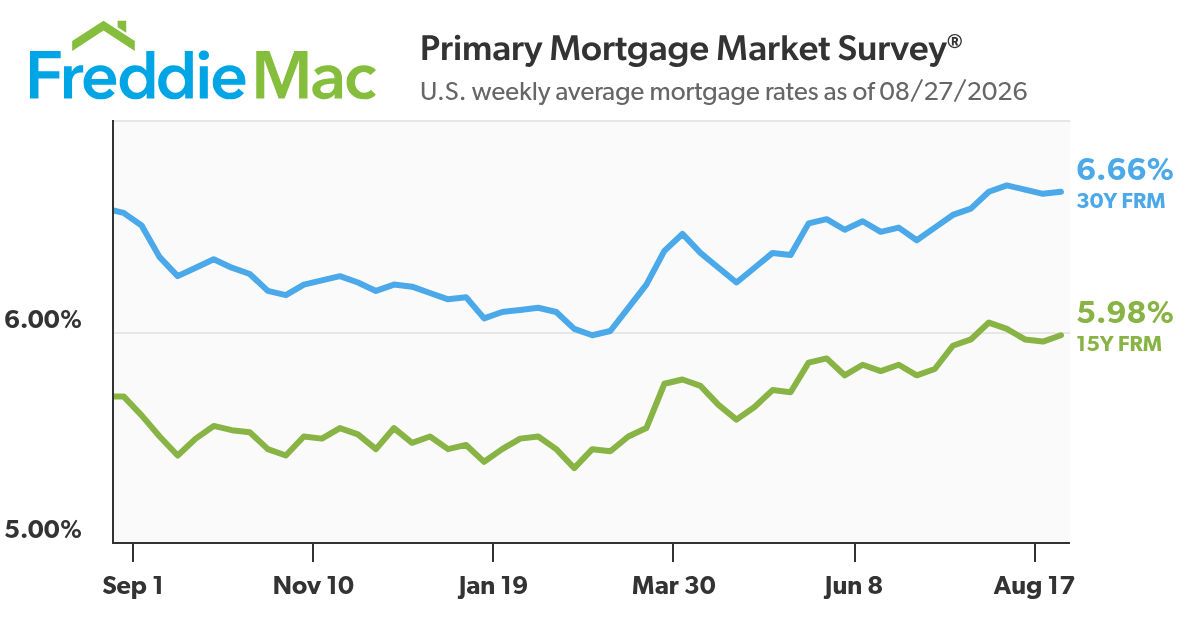
Mortgage rates, however, remain the biggest obstacle. And the latest inflation report suggests buyers may not see substantial relief right away. The Federal Reserve’s preferred inflation measure—the Personal Consumption Expenditures Price Index—rose 3.7% from a year earlier in July. Core PCE, which excludes food and energy, remained at 3.3%, still well above the Fed’s 2% target.
For now, the housing market appears to be shifting gradually in buyers’ favor, even though affordability remains a challenge. Slower price growth, more inventory, and softer new-home sales could give buyers more negotiating room. Sellers and builders, meanwhile, may need to adjust their prices or offer other incentives to attract buyers while mortgage rates remain elevated.
If you’re wondering how changing prices, inventory, or mortgage rates could affect your plans to buy, sell, or refinance, we’re always here as a resource. Feel free to reach out anytime—and please forward this newsletter to someone who might find it helpful.
|