Technically Speaking: CS Everyone Back to School Updates | | A Message from the Center Director | | | | |
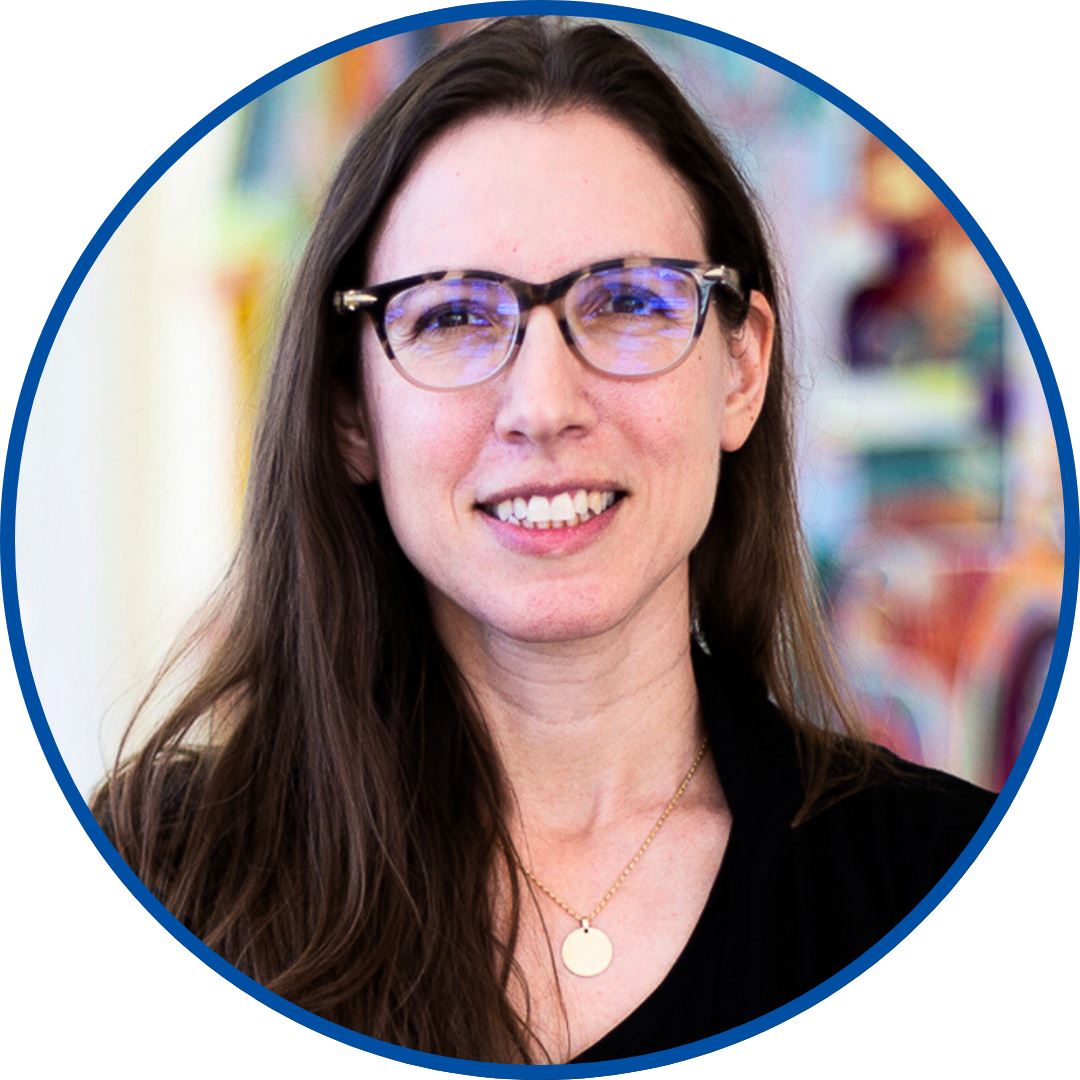
Welcome to the first edition of the CS Everyone Center newsletter!
As we step into a new academic year, the momentum behind both computer science (CS) and artificial intelligence (AI) education continues to grow. At the CS Everyone Center, we are constantly reminded that this work matters. Our mission is to ensure that every learner has the opportunity to meaningfully engage in the technologies that are shaping our future.
In this issue, we are excited to share updates from several key initiatives including the Florida K-12 AI Task Force, our research-practice partnerships, and professional development efforts to support teachers in bringing CS and AI into their classrooms.
Our work is made possible by the collective efforts of incredibly dedicated educators, school leaders, researchers, and teacher educators. Thank you to everyone who has contributed to our shared vision and work.
Sincerely,
Maya
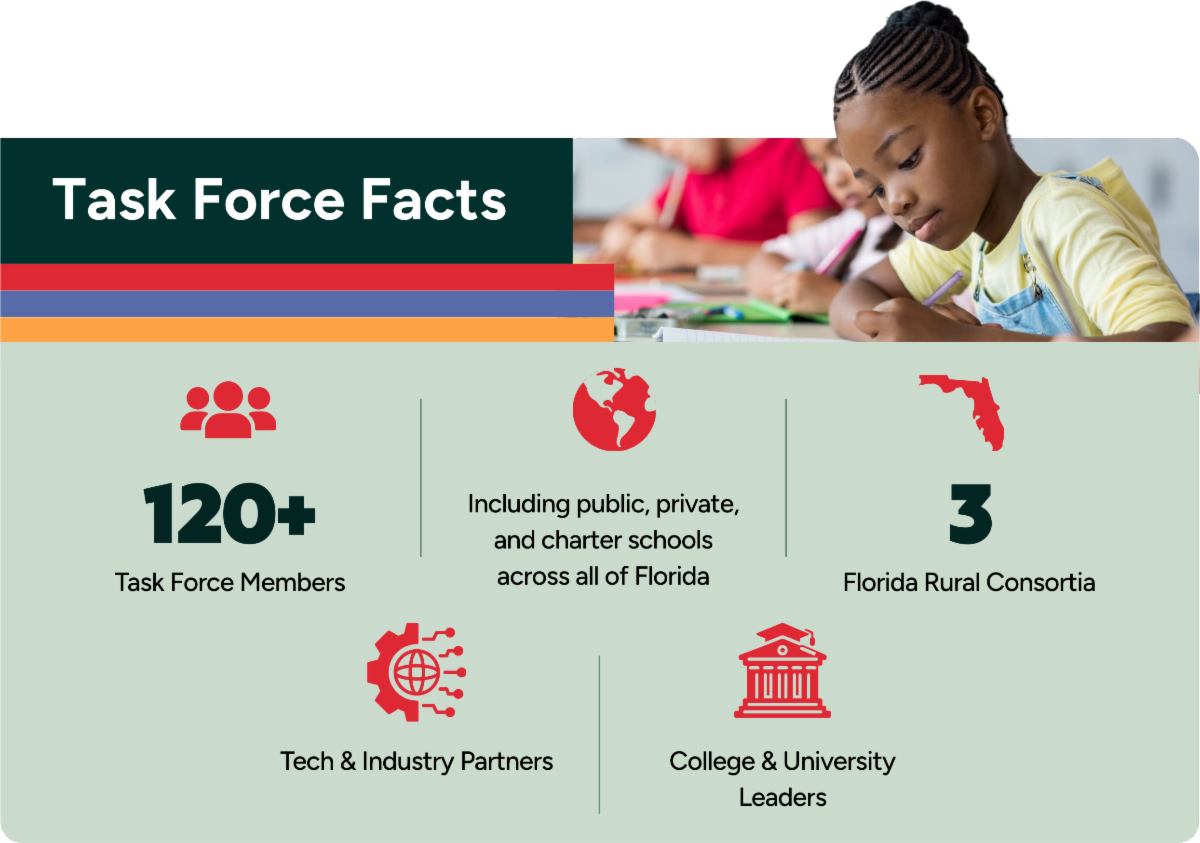
| | Strengthening the Ecosystem: A Statewide Model for K-12 AI | Together with strategic state and national partners, the CS Everyone Center released guidance to advance AI literacy for all K-12 students in Florida. Through an iterative process, the goal is for educators, researchers, industry leaders, school and district administrators, students, and families to develop a common language of AI concepts, ethics, and applications through engaging learning. The FL AI K-12 Taskforce aims to provide flexible guidance for safe and responsible AI integration across Florida’s schools, while also strengthening capacity building in school policies, infrastructure, and professional development. | | Click on the links below to learn more about our impact! | | | | Championing Growth: CSforAtlanta InnovateCS Summit | |
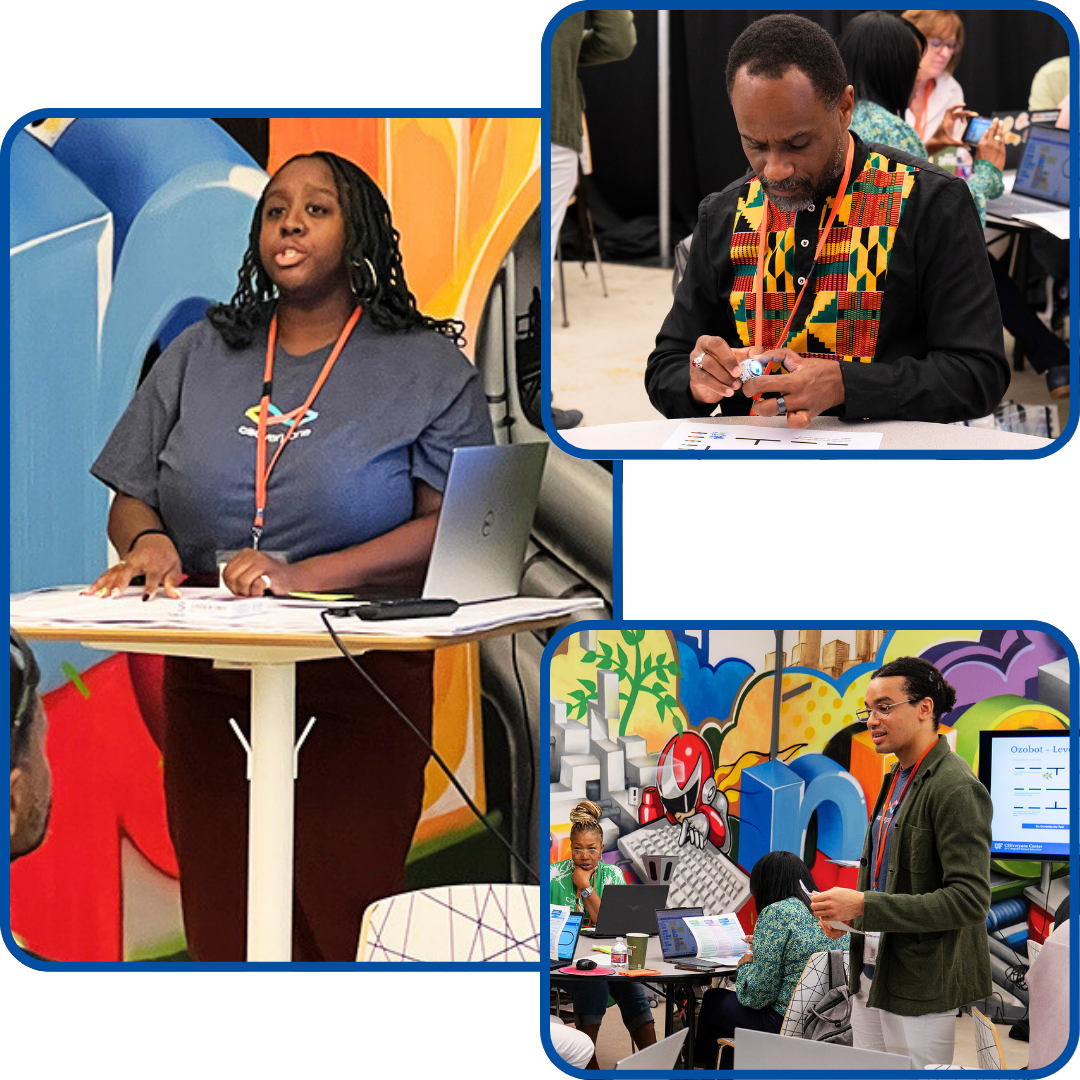
The UF CS Everyone Center recently made a powerful impact at the CSforAtlanta InnovateCS Summit, a regional gathering focused on advancing computer science pedagogy across the metro-Atlanta area. Held over two days, the summit brought together educators, researchers, and practitioners dedicated to making computer science accessible and meaningful for all students.
Center representatives, Nykema Lindsey and Dr. Michael J. Johnson, led a well-received workshop, Pedagogical Practices to Support All Learners with CS and CT, offered on both days of the event. Participants explored how to design lesson plans aligned with Universal Design for Learning (UDL) principles—critical for reaching all learners, including those with disabilities. Educators engaged in hands-on activities and collaborative planning, sharing strategies and insights that affirmed the importance and timeliness of inclusive instruction. The energy and enthusiasm in the room spoke to the workshop’s success and the clear demand for actionable, equity-focused practices in computer science education.
The summit reinforced the value of strong educator networks and the shared commitment to evolving classroom practices that welcome and support all students. Our participation reflects the Center’s mission to equip teachers with the tools, strategies, and mindset needed to foster a truly inclusive computer science learning environment.
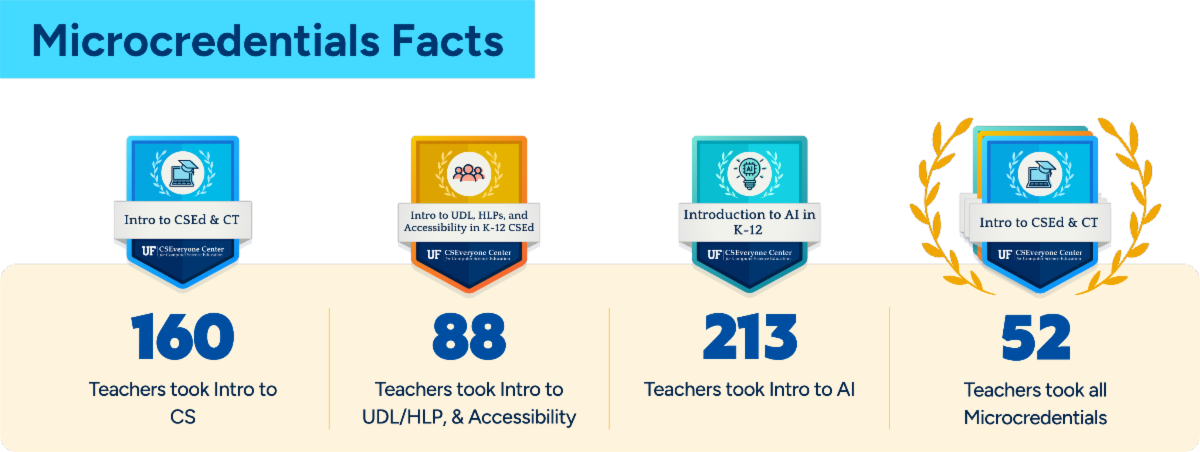
| | Microcredentials: A Macro Level Impact for Teachers | In an era defined by rapid technological advancement, educators are continually seeking pathways to enhance their skills and prepare students for the future. A suite of three targeted microcredential courses is making a significant impact, equipping educators with essential knowledge and practical strategies in critical areas of K-12 computer science education. | |
The Introduction to Computer Science microcredential serves as a foundational stepping stone, demystifying CS and CT concepts. Educators gain the confidence and skills to introduce fundamental problem-solving and algorithmic thinking to their students, laying crucial groundwork for digital literacy.
Building on this foundation, the Introduction to AI in K-12 Education course guides educators through the rapidly evolving world of Artificial Intelligence. Educators explore AI types, applications, and ethical considerations, learning how to thoughtfully integrate AI tools and concepts into their classrooms to personalize learning and foster critical thinking about emerging technologies.
Completing this powerful trio is the Introduction to Universal Design for Learning (UDL), High-Leverage Practices (HLPs), and Accessibility in K-12 CS Education. This microcredential is vital for reaching all learners in CS education. It provides educators with research-backed strategies and frameworks to reduce barriers, making computer science and technology engaging for every student, including those with disabilities.
Collectively, these microcredentials empower educators to become leaders in their schools. They are not only building their own expertise in cutting-edge fields like CS and AI but are also championing pedagogical practices. All participants earn digital badges and 20 hours of continuing education credit. These courses are truly shaping the next generation of K-12 education.
| | | | Expanding Boundaries: Our Research with Blockly | |
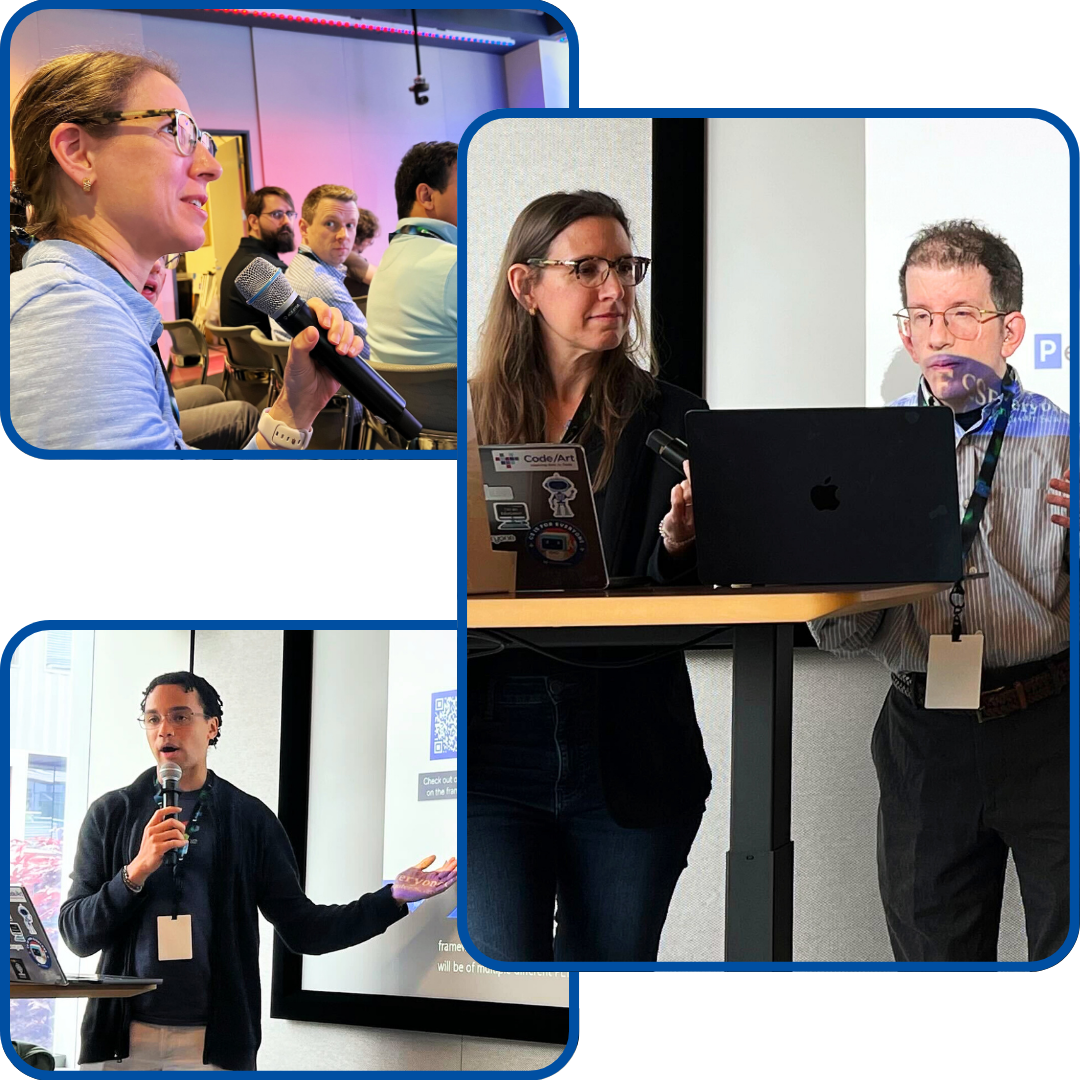
This past June, Center members Dr. Maya Israel, doctoral student Andrew Bennett, and Dr. Michael J. Johnson represented our research community at the Google Blockly Summit in Seattle, Washington, presenting on how to better support inclusive computer science education in K–5 classrooms.
Dr. Israel and Bennett led the session, Professional Development for K–5 Teachers to Tailor the POUR Principles to Their Use Cases, highlighting that for students with disabilities to fully engage in computer science, classroom technologies and materials must be designed with accessibility at the forefront. Their work underscores the importance of equipping teachers with the knowledge and tools to adapt learning environments using the POUR principles—Perceivable, Operable, Understandable, and Robust.
Dr. Johnson presented Modality and Materiality: A Teacher’s Framework for Evaluating and Choosing CS EdTech, where he introduced the early development of the Programmable Learning Tool (PLT) Framework. This approach helps educators reflect on the material and modal properties of educational technologies, enabling them to choose tools that align with their students’ needs and classroom goals. By knowing the kind of learning environment they aim to create, teachers can more effectively select technologies that support their instructional vision.
Our team was honored to share this work and join conversations on how to better integrate technology, support educators, and ensure all students can thrive in computer science education. The Blockly Summit provided valuable opportunities to collaborate across disciplines and connect with others leading Blockly-related initiatives. We are deeply grateful to Google Blockly for supporting our research and providing a platform to elevate this important work.
| | | | |