1. Quinoa
1 cup cooked quinoa = 8 g protein
This protein-rich whole grain delivers 8 grams of protein per cup. Quinoa is also a rare complete plant-based protein, which means it provides all the essential amino acids. Not to mention, quinoa delivers 5 grams of healthy fiber per cup and cooks up quickly.
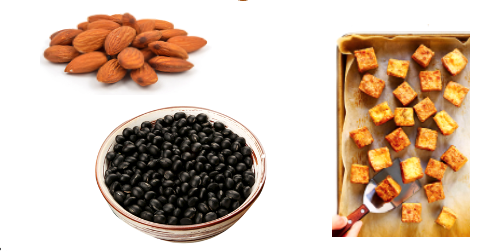
2. Tofu
3 ounces = 8 g protein
Tofu is a vegan and vegetarian powerhouse protein. If you think you don't like tofu, it's possible you just haven't made it the right way. Tofu is a very versatile protein—think of it like chicken, a blank slate. Silken tofu is great in smoothies, and firm tofu adds protein to stir-fries and soups.
3. Almonds
1/4 cup = 7 g protein
Almonds have been shunned for being high in fat (side note: they are, but it's the heart-healthy kind that's good for you and helps keep you full), but this nut is also rich in protein. A 1/4-cup serving of whole almonds is about 1 ounce. Try slivered almonds on top of your salad, or spread nut butter on your toast.
4. Black beans
1/2 cup = 8 g protein
Black beans, or any beans really, are often overlooked as a protein source. But whether you use them as taco filling, stir them into soup or whir them into dips, beans are a great source of protein. A half cup of cooked lentils has 9 grams of protein, and chickpeas and kidney beans aren't far behind. Beans offer a protein-fiber one-two punch and since most of us aren't eating enough fiber, eating more beans is a good place to start.
5. Chickpea pasta
2 ounces = 14 g protein
We don't often think of a bowl of pasta as being protein-rich, but new bean pastas are changing that. These relatively new noodles use bean flours instead of semolina to give you a meal that's packed with protein and fiber. Chickpea pasta doesn't taste quite the same as regular pasta—the texture is a little heartier and you can tell it's made from beans— but with a yummy sauce, it makes a tasty dinner.
6. Greek yogurt
1 cup = 23 g protein
Greek yogurt is higher in protein than regular yogurt, so it delivers a lot more protein than an egg. Probiotic-rich yogurt is excellent at breakfast—try a parfait with berries and granola, or add it to your smoothie.
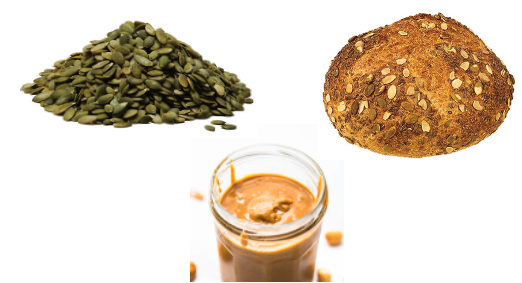
7. Peanut butter
2 Tbsp. = 7 g protein
Humble and classic, peanut butter does more than make up half of a PB&J sandwich. It actually delivers a nice boost of protein to toast, noodles, smoothies and oatmeal. For a protein-rich snack, spread peanut butter on apple slices or celery sticks.
8. Sprouted-grain bread
2 slices = 8 g protein
Most of us don't think of bread as a protein source, but it actually does have some. Some whole-wheat breads have 3 to 5 grams per slice—and make a sandwich on sprouted-grain bread and you'll get 8 grams of protein (and that's not including any of the fillings inside). Sprouting grains helps their natural sweetness and nuttiness come out, and the texture of sprouted-grain bread is pretty hearty. Look for these breads in the freezer aisle at your grocery store, as they're sometimes kept there to maintain freshness.
9. Pumpkin seeds
1 ounce = 9 g protein
Pumpkin seeds, or pepitas, are a protein-rich seed. Snack on them on their own or add them to muffins, trail mixes or quick breads. Pumpkin seeds also deliver zinc, which supports your immune system, and magnesium, a mineral that helps keep your heart healthy.