|
Turkey's Paramilitary Expansion into Coastal West Africa: SADAT Deploys to Togo
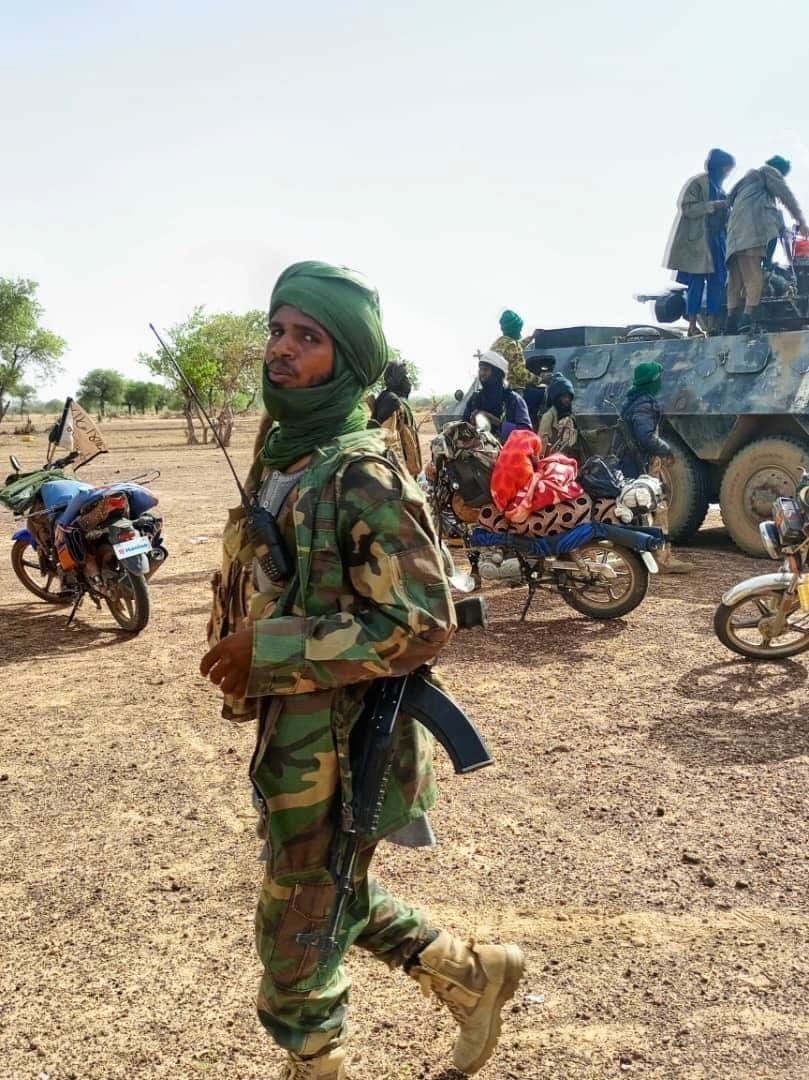
Togo has deployed several hundred personnel from the Turkish private military company (PMC) SADAT International Defence Consultancy, marking Turkey's first significant paramilitary presence on the West African coast. The deployment represents a strategic expansion beyond the landlocked Sahel and reflects growing concern over Jama'at Nusrat al-Islam wa al-Muslimin's (JNIM) continued southward expansion from Burkina Faso into the Gulf of Guinea states.
Turkey's Alternative Security Model
Founded by retired Turkish Brigadier General Adnan Tanrıverdi, SADAT has increasingly emerged as an unofficial instrument of Turkish foreign policy, allowing Ankara to project military influence under the guise of private security assistance. Unlike Russia's Africa Corps, which primarily supports military juntas in Mali, Burkina Faso and Niger, SADAT's deployment in Togo is conducted through a formal agreement with a recognised sovereign government. The deployment has already faced resistance, with Turkish personnel becoming targets of JNIM, showing that the group increasingly views Turkey as a direct participant in regional counterinsurgency operations.
Replacing Western Influence
The deployment further illustrates the transformation of the Sahel's security landscape, in which French and other Western military forces have largely been replaced by a mix of Russian state-backed forces and Turkish PMCs. While Africa Corps focuses on offensive combat operations and support for military regimes, SADAT provides specialist counterterrorism training, infrastructure security, regime protection, and protection of strategic mining and energy assets. Across Mali, Burkina Faso, and Niger, the company employs approximately 1,000 Turkish-trained Syrian fighters, often operating alongside Russian personnel to secure critical resource corridors and government infrastructure.
Fortifying Togo's Northern Border
To contain JNIM's southward advance, SADAT instructors are training elite Togolese Special Forces while supporting a broader border security programme that includes extensive defensive trench networks, new forward operating bases (FOBs), and the integration of Turkish-made ISR drones and intelligence capabilities along the Burkina Faso frontier.
Strategic Assessment
While Turkey has been in Somalia for quite a while, SADAT's deployment signals that it is no longer limiting its security ambitions to the central Sahel but is actively positioning itself as a long-term security actor across coastal West Africa. For Lomé, the partnership represents an effort to prevent JNIM from establishing a permanent foothold in the Gulf of Guinea. More broadly, the deployment highlights the continued erosion of Western security influence in Africa as regional governments increasingly turn to Turkish and Russian security providers to confront expanding jihadist insurgencies.
| | | TRAC Incident Report: Patriot Front and Núcleo Nacional Plan European Remigration Summit 2026 in Portugal | | |
On 14 July 2026, Patriot Front (PF) and the Portuguese white nationalist group Núcleo Nacional released a professionally produced propaganda video promoting the upcoming European Remigration Summit 2026 in Portugal. According to the narration, "Activists, prior to attending the Remigration Summit in Portugal, toured Spain and met with representatives of Núcleo Nacional," where members discussed "the similarities and distinctions of the respective national struggles of Spain and America."
The three-and-a-half-minute documentary-style production follows members of both organisations as they tour the Valley of the Fallen (Valle de Cuelgamuros), interspersed with scenes of churches, historic monuments, mountain landscapes and public demonstrations. Throughout the video, participants' faces are blurred while organisational logos, flags and symbolism remain prominently displayed. The production repeatedly frames "remigration" as the solution to what it describes as Europe's demographic and cultural decline, ending with calls for continued cooperation under the slogan "Remigration, save my nation!"
The announcement represents a notable development in the evolution of the white nationalist movement. While far-right organisations have increasingly cooperated across borders, this is the first time TRAC has documented a major U.S.-based white nationalist organisation publicly organising and promoting participation in an extremist event outside North America. Previous international cooperation has largely remained regional, European organisations travelling within Europe, Australian and New Zealand groups collaborating across Oceania, or U.S. organisations mobilising between states. Patriot Front's participation, therefore, marks the movement's most ambitious attempt to build an organised transatlantic extremist network.
Interestingly, the footage also suggests that Patriot Front members may have already travelled to Portugal and Spain before the summit itself. Although the video promotes the Remigration Summit as a future event, it simultaneously shows individuals dressed in Patriot Front attire meeting Núcleo Nacional activists and touring the Iberian Peninsula. This indicates that bilateral coordination and relationship-building may already be underway rather than merely planned.
Whether Patriot Front can mobilise a significant number of members to Portugal remains uncertain. Transatlantic travel represents a substantial financial barrier compared with domestic mobilisations, with airfare alone likely exceeding US$800 per participant, potentially limiting attendance despite the organisations' aspirations.
The video serves a dual purpose: promoting the upcoming summit while signalling the movement's growing internationalisation. Rather than simply exchanging propaganda online, Patriot Front and Núcleo Nacional are seeking to establish personal relationships, operational contacts and a shared ideological framework centred on remigration. By bringing together American and European activists, the summit aims to facilitate the exchange of recruitment methods, propaganda techniques and organisational strategies that could strengthen extremist networks on both sides of the Atlantic.
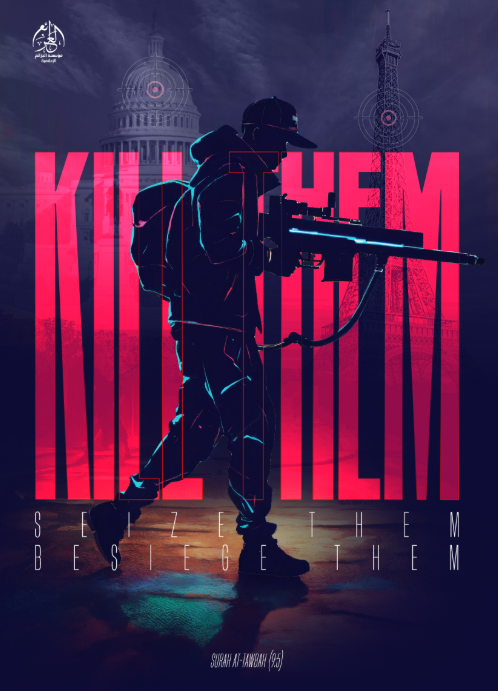
| | (Poster) al-Azaim Media (Unofficial Islamic State Khurasan/ISK) Share Stocastic Poster “Kill Them; Seize Them; Besiege Them” | | |
This shared al-Azaim Media poster is the first released in several months, following the slowing of their operations after the June 2025 detention of Sultan Aziz Azzam, the group's spokesperson and founder of the Al-Azaim Foundation, ISK's official media apparatus. Despite its simple design, the poster delivers a powerful strategic message. It depicts the United States Capitol alongside the Eiffel Tower, overlaid with the command: "Kill Them; Seize Them; Besiege Them." Rather than celebrating a specific operation, the poster serves as a broad call to violence against Western interests.
The selection of the Eiffel Tower and the United States Capitol is deliberate. Both are globally recognisable symbols of Western political influence, democratic governance, and international power. By pairing these landmarks, ISK broadens its messaging beyond a single country, presenting the United States and Europe as a unified enemy while implying that neither continent is beyond the group's reach. The imagery is intended to cultivate fear by suggesting that attacks against iconic civilian and government targets remain both desirable and achievable, regardless of geographic distance from ISK's traditional operating environment in Afghanistan and Pakistan.
This poster reinforces ISK's long-standing strategy of encouraging decentralised attacks against Western targets. Rather than issuing a specific operational threat, the message functions as psychological warfare, projecting an image of global reach, sustaining the perception of an enduring external threat, and inspiring sympathisers to view symbolic Western landmarks as legitimate targets.
| | TRAC Incident Report: FSB Operatives Prevented 35 Weaponised First-Person View (FPV) Drones Strike on Defence Factory in the Moscow Region, Russia | | |
On 14 July 2026, Russia's Federal Security Service (FSB) announced it had foiled an alleged attack involving weaponised first-person view (FPV) drones intended to strike a defence manufacturing facility in the Moscow Region. The drones were smuggled beneath Spanish ceramic tiles along a route from Slovakia through Poland and Belarus before reaching Russia. The shipment contained 35 weaponised FPV drones fitted with Canadian-made anti-electronic warfare control systems and foreign-manufactured explosive warheads. Investigators allege the operation involved a compartmentalised cell consisting of a Russian national who rented a warehouse near the target, two Moldovan nationals who prepared the launch site, and a former Wagner Group fighter from Central Asia who allegedly assembled and activated the drones. According to the FSB, the suspect had previously been an active supporter of the Islamic State (IS), maintained contacts with IS members both before and after serving with Wagner, and received Russian citizenship after completing his contract in 2023. The FSB claims all 35 drones were destroyed shortly after launch and attributed the operation to the Security Service of Ukraine (SBU), although these allegations remain unverified.
This disruption represents one of the largest reported FPV drone sabotage plots uncovered inside Russia to date, highlighting the continued evolution of long-range, covert drone operations that employ international logistics routes, concealed commercial shipments, and compartmentalised operational cells. The use of a multinational support network also demonstrates the increasing sophistication of sabotage operations targeting Russia's defence-industrial base.
Equally significant is the profile of the principal operative. If the FSB's account is accurate, the suspect represents a convergence of organised crime, Islamic State networks, and the Wagner Group's wartime prison recruitment programme. According to Russian authorities, he maintained contacts with IS both before joining Wagner and after receiving a pardon and Russian citizenship, suggesting that his extremist connections were not necessarily severed by military service. Regardless of whether the plot was ultimately directed by Ukrainian intelligence, the case highlights a long-term unintended consequence of Wagner's prison recruitment model: convicted extremists were not only provided with advanced military training and combat experience, but in some cases also reintegrated into Russian society with enhanced operational capabilities. Given IS's well-documented recruitment and facilitation networks within Russia's penal system, the possibility that former Wagner personnel retain ideological or operational ties to jihadist networks cannot be dismissed, presenting an enduring counterintelligence and domestic security challenge.
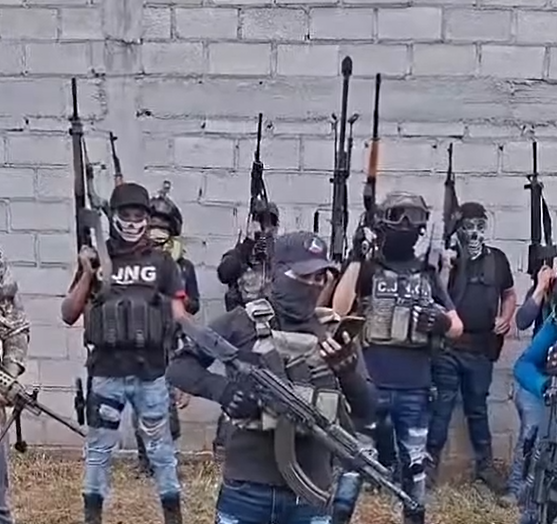
| | TRAC Incident Report: Jalisco New Generation Cartel (CJNG) Threatens La Unión Tepito and Tláhuac Cartel, Raising Violence Concerns in Mexico City and the State of Mexico, Mexico | |
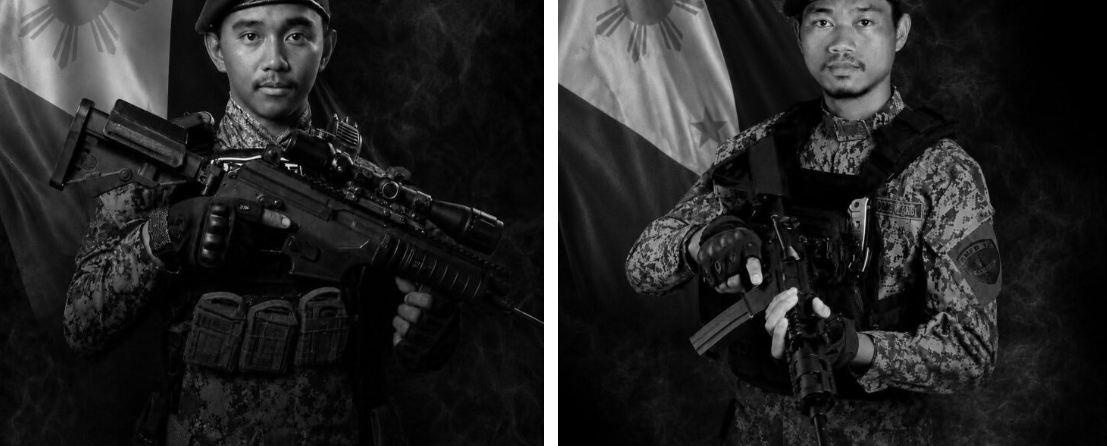
TRAC Incident Report: Two Police Officers Killed by Suspected Islamic State East Asia (ISEA) Gunmen in an Ambush, Barangay Tinumiguisin, Lambayong, Sultan Kudarat Province, Philippines
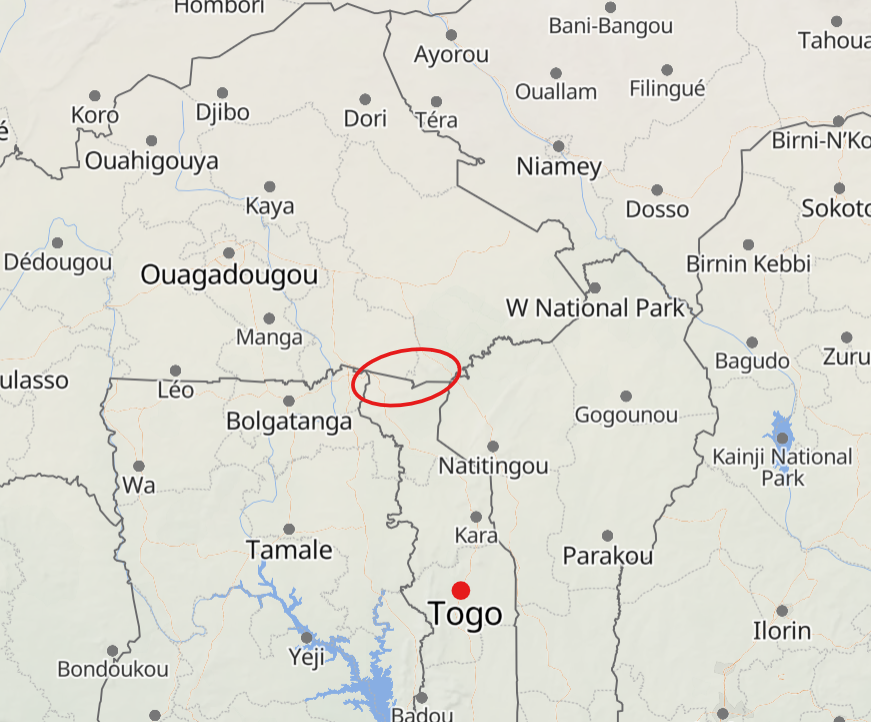
| | TRAC Incident Report: Jama’a Nusrat ul-Islam wa al-Muslimin (JNIM) Militants Assassinate Islamic State Greater Sahara (ISGS)-Linked Saïd Fada in the Border Area Between Burkina Faso and Niger | | | | |