July, 2025

Become Their Voice

July is Minority Mental Health Awareness Month and also includes International Self-Care Day on July 24. It’s a reminder that mental health looks different for everyone—and that caring for ourselves and others is more important than ever.


We’re committed to continuing the conversation, breaking stigma, and supporting those who may be silently struggling. This starts early - at home, in schools and in our community and we are here to help.


-- Deric and Kathy Kidd


The Best Kind of Therapy Has Fur and a Wagging Tail


  • Reduced Stress and Anxiety


Petting a dog can lower cortisol (the stress hormone) and increase oxytocin (the bonding hormone).


Spending time with dogs has been shown to calm the nervous system and reduce symptoms of anxiety.


Many therapy programs use dogs to help people with PTSD, depression, and high-stress jobs.


> Study: A 2019 study in Frontiers in Psychology found that even short interactions with dogs significantly reduced stress levels in college students.


  • Decreased Feelings of Loneliness


Dogs provide companionship and unconditional love, helping people feel less isolated.


They're especially beneficial for seniors, single adults, or people with limited social interaction.


Dog owners often experience more social interaction (e.g. at parks or during walks).


  • Boosted Mood and Emotional Resilience


Having a dog often encourages more play, laughter, and affection—all of which release feel-good hormones like dopamine and serotonin.


Dogs can help people get through grief, depression, or emotional trauma by offering constant presence and comfort.


  • Routine and Responsibility


Dogs need daily care—feeding, walks, playtime—which creates a sense of structure and purpose, especially helpful for those struggling with depression or executive dysfunction.


Caring for a dog can give people motivation to get out of bed or leave the house.


  • Encourages Physical Activity


Dogs need exercise, which gets their humans moving too. Walking a dog boosts physical and mental health.


Even short walks can reduce anxiety and improve mood thanks to movement, fresh air, and natural light.


  • Mindfulness and Being Present


Dogs live in the moment. Their behavior encourages mindfulness, helping humans focus on now rather than dwell on the past or future.


  • Support for Children and Teens


Dogs can help kids develop empathy, responsibility, and emotional regulation.


For children with ADHD, autism, or anxiety, therapy dogs have shown measurable benefits.


Our little "stress relievers"

Livvy and Leo


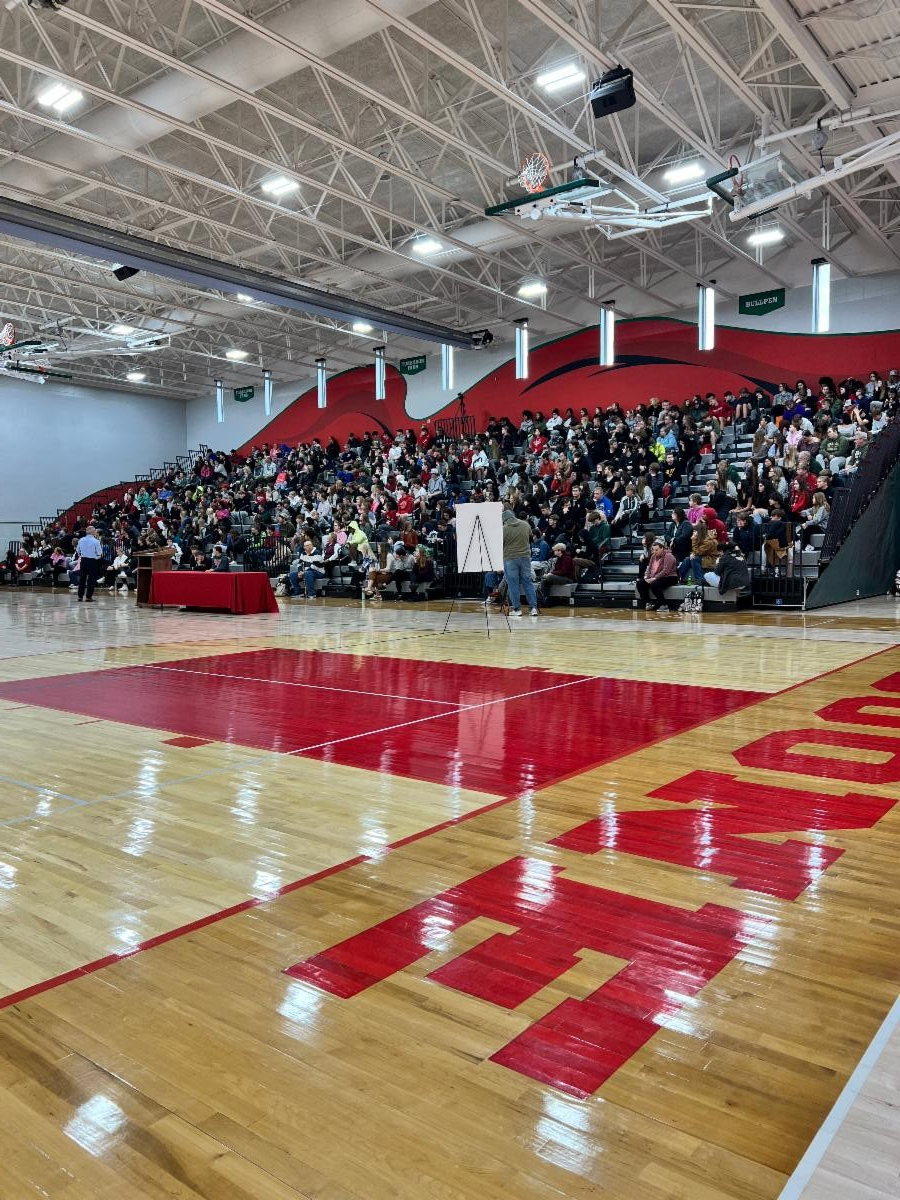
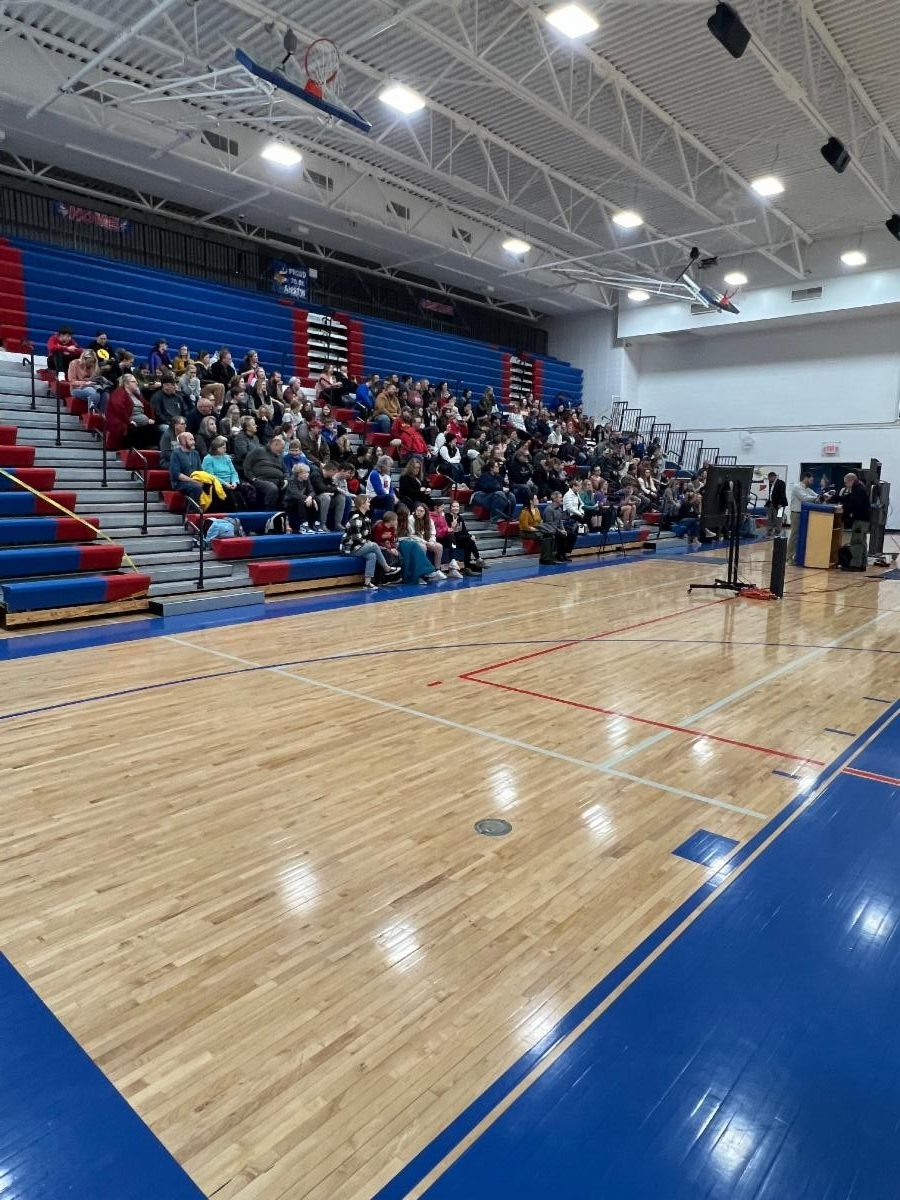
Planning your 2025-2026 school year?


We would love to speak to your students and faculty.


Each presentation is tailored to your needs.


We bring diverse content and additional presenters for engagement!


KNOW a child in crisis that needs help? Or a parent that is struggling with their teen and needs resources? Scroll down to see a list!


July was officially designated Bebe Moore Campbell National Minority Mental Health Awareness Month to honor the novelist who fought for culturally competent care. The goal: highlight the unique barriers communities of color face in getting help and celebrate solutions that work. 


Black/African American adults: Only 1 in 3 who need mental-health care actually receive it. Source: nami.org


Hispanic/Latinx adults: 47% of adults with any mental illness got treatment in 2023 vs. 59% of White adults. Source: samhsa.gov


Asian Americans: Asians are 60% less likely than Whites to receive mental-health services. Source: fda.gov


Indigenous youth (10-24): Suicide rate is 36.3 per 100,000—the highest of any group. Source: cdc.gov


 “Access isn’t equal—but hope is universal when care is culturally responsive.”


International Self Care Day


💛 July 24: International Self-Care Day

This isn’t about bubble baths. It’s about survival.

Too often, self-care gets framed as indulgent—or worse, selfish. But in truth, it’s what allows us to keep showing up for the people and causes we care about most.


✨ A Different Take: Self-Care Is a Responsibility

Self-care isn’t something you earn once you’re burned out. It’s something you owe yourself to prevent burnout in the first place.

Especially for parents, caregivers, teachers, and professionals—it’s easy to prioritize everyone else. But you can’t pour from an empty cup.


💬 “You matter, too. And when you care for yourself, you model it for your kids, your coworkers, and your community.”


⏱️ How to Squeeze in Self-Care (Without Guilt)

Here are 5 real-life ways to fit it in—and actually feel good about it:


1. 60-Second Resets:

Step outside. Breathe deeply. Name one thing you’re grateful for. Your nervous system just got a break.


2. The “Two-Thing Rule”:

Overwhelmed? Do just two productive things (email, laundry, call)—then allow yourself to rest. You’re still moving forward.


3. Drive Time = Quiet Time:

No music. No calls. Just silence. Use commutes to decompress rather than multitask.


4. Say “No” Without a Novel:

You don’t need an explanation. “No, thank you” is a full sentence—and a powerful boundary.


5. Micro-Moments of Joy:

Light a candle. Use the good mug. Say no to the thing you dread and yes to the thing that feeds you. Tiny choices add up.


📢 Call to Action

If you're part of a team, family, or community—talk openly about the importance of self-care. Normalize it. Encourage it. Lead by example.

Let’s raise kids who think self-care is strength, not selfishness.


🧠 Bonus Insight

Research shows self-care improves resilience, focus, and even immune health. And yet, 1 in 2 people say they feel guilty taking time for themselves.


Let’s break that pattern. This July 24th, do one thing for you. No guilt. Just grace.


Your uniqueness isn’t something to hide—it’s your greatest gift.


The world doesn’t need another copy.


It needs you.


DID YOU KNOW??


Social media continues to significantly impact teen mental health, with several concerning trends emerging in 2025. Here's an overview of the most pressing issues:


1. Unhealthy Weight Loss Communities


The hashtag #SkinnyTok, associated with content promoting extreme dieting and disordered eating behaviors, has been banned on TikTok. However, experts warn that such content can resurface under different hashtags, and the underlying issues—such as societal pressures and beauty standards—remain unaddressed. This trend has been linked to rising eating disorder rates, particularly among young people. 


2. Intensive Skincare Routines Among Young Girls


A study by Northwestern University revealed that girls as young as seven are adopting complex skincare routines influenced by beauty videos on platforms like TikTok. These routines often involve multiple products, leading to potential skin issues and financial burdens. The trend contributes to mental distress by promoting unrealistic beauty standards and emphasizes lighter skin tones. 


3. Snapchat Dysmorphia


The use of filters on platforms like Snapchat has led to a phenomenon known as "Snapchat dysmorphia," where individuals become obsessed with altering their appearance to match idealized versions. This has resulted in lower self-esteem, body image issues, and increased risk of depression and anxiety among adolescents. 


4. Cyberbullying and Online Harassment


Social media platforms have become breeding grounds for cyberbullying, with teens experiencing harassment, exclusion, and negative comments. The anonymity of the internet exacerbates the issue, leading to increased anxiety, depression, and low self-esteem among affected teens. 


5. Fear of Missing Out (FOMO) and Social Comparison


Teens often compare their lives to the curated, idealized versions presented on social media, leading to feelings of inadequacy and low self-worth. This constant comparison can contribute to body image issues and disorders like anorexia, bulimia, and body dysmorphic disorder. 


6. Addiction to Social Media and Sleep Disruption


The addictive nature of social media, coupled with late-night screen time, disrupts teens' sleep patterns and overall well-being. This constant stimulation and notifications can lead to stress and overwhelm, affecting mental health. 


7. Increased Awareness Among Teens


A recent survey revealed that nearly half of teens believe social media has a mostly negative effect on their peers, an increase from previous years. Many teens also report spending too much time on social media, with teen girls more likely to say it harms their mental health, confidence, or sleep. 


These trends highlight the need for increased awareness and intervention to mitigate the negative impacts of social media on teen mental health.


Trying to stay off social media?


There’s a word for that: Appstinence.


More specifically, Appstinence is a movement founded by Harvard grad student Gabriela Nguyen built around the idea that social media is optional — not a requirement for socializing as a member of Gen Z or Alpha.


It promotes a simple, alliterative five-step method for detaching from the apps: decrease, deactivate, delete, downgrade, and depart. Dive more into what each step entails.


RESOURCES


Mental Health & Substance Abuse Resources for Children & Teens in Iowa


Your Life Iowa


Services: 24/7 mental health and addiction support via call, text, chat, and email.


Call/Text: 855-581-8111


Orchard Place (Des Moines)


Services: A cornerstone for children’s mental health in Des Moines since 1886, Orchard Place offers inpatient, outpatient, in-home, and community-based services for ages birth–21. In 2024, they served over 6,000 youth with a 92 % satisfaction rate. 


Website: orchardplace.org


Ellipsis (Central Iowa)


Services: Offers a continuum of care—including school- and community-based counseling, crisis shelter, residential treatment, transition support, and after-care—for children and families 


Website: ellipsisiowa.org


MercyOne Genesis Behavioral Health (Quad Cities region: Davenport, IA + IL)


Services: Provides inpatient psychiatric care for children (ages 8–17), plus adult inpatient and outpatient services 


Website: aaidd.org, genesishcs.org, genesishealth.com


Hillcrest Family Services (Dubuque)


Services: Provides adolescent residential treatment on a licensed, landscaped campus in Dubuque—helping behaviorally challenged teens via nationally accredited care. 


Website: rosecrance.org


Rosecrance Iowa (Multiple Locations)


Services: A large Midwest provider with residential and outpatient mental health and addiction care for adolescents and adults. Locations include Sioux City, Quad Cities, and Northwest Iowa—treating over 7,000 people annually. 


Website: manningrecoverycenter.com


Iowa Department of Health and Human Services (HHS) – Behavioral Health


Services: Statewide behavioral health services, including crisis services and provider listings.


Email: SUD.PG.License@idph.iowa.gov


Iowa Substance Abuse Hotline


Services: 24/7 confidential hotline for substance abuse information and referrals.


Call: 866-531-7211


Southwest Iowa Region Mental Health & Disability Services


Services: Mental health services across various counties in southwest Iowa.


Website: swiamhds.com


Phone: 712-328-5645


Child Health Specialty Clinics – Creston


Services: Support for children and youth with special health care needs.


Contact: Phone: 641-782-9500


Children and Families of Iowa


Services: Mental health and substance abuse services for children and families.


Contact: Phone: 515-288-1981


Children's Square USA


Services: Behavioral health services for children and youth.


Phone: 712-322-3700


Child Health Specialty Clinics – Sioux City


Services: Support for children and youth with special health care needs.


Phone: 712-224-5437


Child Health Specialty Clinics – Carroll


Services: Support for children and youth with special health care needs.


Phone: 712-792-5530


Children at Home Program – Iowa Family Support Network


Services: Assistance for families raising a child with a disability.


Phone: 888-425-4371


YSS (Youth and Shelter Services)


Services: Mental health and substance abuse services for youth.


Phone: 515-233-3141


Community and Family Resources


Services: Substance abuse treatment for adolescents.


Phone: 515-576-7261


Compass Pointe Behavioral Health Services


Services: Behavioral health services for adolescents.


Phone: 712-336-0010


Children and Families of Iowa – Cornerstone Recovery Center


Services: Substance abuse treatment for adolescents.


Phone: 515-965-5505


Covenant Medical Center Horizons – Family Centered Recovery Program


Services: Substance abuse treatment for adolescents.


Phone: 319-272-2222


Crossroads of Pella – Edge of Recovery


Services: Substance abuse treatment for adolescents.


Phone: 641-628-1212


Family Counseling Center and Clinic – Youth and Shelter Services Incorporated


Services: Mental health services for adolescents.


Phone: 515-233-2250


First Step Mercy Recovery Center – Mercy Medical Center Des Moines


Services: Substance abuse treatment for adolescents.


Phone: 515-643-6500


Gilbert Alber PC


Services: Mental health services for adolescents.


Phone: 563-547-2474


Heartland Family Service


Services: Mental health and substance abuse services for adolescents.


Phone: 712-322-1407


Clive Behavioral Health (Clive)


Services: Offers around‑the‑clock inpatient behavioral health care for children and adolescents at its Clive facility, with both inpatient and outpatient programs.


Website: clivebehavorialhealth.com


Phone: 844-680-0504


Prairie Ridge Integrated Behavioral Healthcare


Services: Offers a full continuum of care—including crisis intervention, outpatient mental health, and substance-use treatment—across several Iowa communities. 


Website: prairieridge.net


Cherokee Mental Health Institute (Cherokee)


Services: A state-run psychiatric hospital serving adolescents and adults from 41–56 counties, with inpatient capacity for youth behavioral needs. 


Phone: 712-225-2594


Pain Into Purpose: Our Story...


There is nothing more beautiful than someone who dares to be themselves in a world that expects them to be someone else.


July Events in Iowa:


2025 Counselor Toolbox Training Series – Ethics & Dual Relationships

Type: Substance Abuse / Counselor Training

Dates: Tuesday, July 15, 2025

Time: 9:00 AM – 12:15 PM (Central)

Format: Live via Zoom

Details: Focused on ethical issues and dual relationships in counseling—part of a CEU series for substance use professionals 

Iowa Board of Certification


Enhancing Judicial Knowledge on Addiction, Treatment & Supervision

Type: Addiction Treatment Seminar

Dates: Wednesday, July 16 & Friday, July 18, 2025

Time: 12:00 PM – 1:15 PM (CT)

Format: Virtual

Details: Designed for judges and legal professionals to better understand evidence-based supervision and addiction treatment strategies 

Cvent


Recovery Coach Training – Spirituality and Recovery Coaching

Type: Peer Recovery Coaching (Substance Use Focused)

Dates: Wednesday & Thursday, July 2–3, 2025

Time: 9:00 AM – 1:00 PM (Central) each day

Format: Virtual via Zoom (Connecticut Community for Addiction Recovery)

Details: Explores integrating spirituality into recovery coaching practice 

Iowa Peer Workforce Collaborative


Recovery Coach Training – Ethical Considerations for Recovery Coaches

Type: Peer Recovery Coaching

Dates: Monday–Wednesday, July 14–16, 2025

Time: 9:00 AM – 1:00 PM (Central) each day

Format: Virtual via Zoom (Connecticut Community for Addiction Recovery)

Details: Training on ethical boundaries and best practices for recovery coaches


Upcoming August Events in Iowa:


Move for Mental Health Walk

Dates: Saturday, August 23, 2025

Location: Pearson Lakes Art Center, Okoboji

Format: In person

Details: A 2.5 k, 5 k, or 10 k walk/run supporting mental-health curriculum and speaker programs in Dickinson County schools. Youth (10 and under) can participate free (with shirt option). 


2nd Annual Recovery Conference

Dates: Friday–Saturday, August 8–9, 2025

Location: Marriott, West Des Moines (1250 Jordan Creek Pkwy)

Format: In person

Details: A two-day conference on recovery pathways (with an emphasis on substance use). Ideal for professionals and individuals interested in recovery. 


Youth Mental Health First Aid

Date: Thursday, August 13, 2025 – 9 AM

Format: Online

Details: A session focused on mental-health first-aid skills, great for parents, caregivers, educators, and anyone supporting youth. 


If your organization has an upcoming event and would like us to add it to our newsletter, please contact us.


Why Donate


Make a lasting impact.


Your donation directly supports initiatives that raise awareness about the connection between mental health and substance abuse, helping to prevent tragedies and support those in need as well as their families.


Support a meaningful cause.


Funds go towards education, advocacy, and outreach programs that provide resources to individuals and families affected by mental health and addictive challenges. This includes grants, scholarships, and funding to bridge the gap for recovery programs. Click on the link below for full details.


Tax-Deductible contribution.


As a 501(c)(3) non profit, donations to the the Sebastian Kidd Foundation are tax-deductible, allowing you to support a vital cause while receiving potential tax benefits.


If you know someone that would enjoy our newsletter, please forward it on. They can use the link below to subscribe.

If you would like to read our previous newsletters, use the link below.

Sebastian Kidd Foundation


Become Their Voice is funded by the Sebastian Kidd Foundation, a registered 501(c)(3) non profit organization. 92-0524029

Contact Us

Email: DericAndKathyKidd@BecomeTheirVoice.org

Website: BecomeTheirVoice.org


Facebook  Instagram  YouTube  LinkedIn