The Institute for Health Equity Research, Evaluation & Policy | | IHE Highlights Substance Use Prevention Month | | |
National Substance Use Prevention Month was established in 2011 with Substance Abuse and Mental Health Services Administration (SAMHSA) highlighting and celebrating substance use prevention efforts across the nation.
SAMHSA, a government agency focused on improving mental health and substance use services, works to bring public attention to the importance of prevention, increase protective factors, and reduce risk factors for substance use.
Community health centers prioritize Behavioral health services and substance use prevention in their work.
| |
This October, we interviewed Zandra Kelley, Chief Executive Officer of Greater Lawrence Family Health Center, Ashley Naginewicz, Chief of Behavioral Health of Caring Health Center, and Julie Burns, President & CEO at RIZE Massachusetts Foundation, who create clinical programs and resources to support prevention and treatment.
In the interview, we hear from these leaders in the field about work going on across the state to support substance use prevention.
| | October is Substance Use Prevention Month | |
Substance Use Prevention Month encourages a national conversation to showcase prevention’s positive effects on communities across the country.
Learn more.
| |
Substance Use Prevention in Massachusetts
An interview with Zandra Kelley of Greater Lawrence Family Health Center, Ashley Naginewicz of Caring Health Center, and Julie Burns of RIZE MA
| | What is happening in Greater Lawrence and what work is GLFHC conducting? How are people building recovery communities in Greater Lawrence? | | |
Zandra Kelley: We have a robust Office Based Addiction Treatment program including hospital physicians, outpatient physicians, nurse practitioners, nurse case managers, recovery coaches and community health workers. We provide same-day care to new patients seeking treatment for a variety of substance use disorders. For established patients we provide ongoing primary care, substance use relapse prevention, harm reduction (narcan, needle exchange, STI testing). We meet our patients in various locations including in our standard clinic setting, our mobile health unit setting, homeless shelters and with our street outreach team. We also have group visits with a physician, as well as a new Stimulant Use Disorder group focused on harm reduction, positive healthy changes for patients with small rewards for engagement in groups, exercise, etc. Finally, we have a perinatal program working with women in recovery during and after pregnancy.
The group visits are a source of community building as patients bring friends with them to engage in care. Our hospital teams pair with our outpatient team to offer transition of care from acute illness to ongoing sobriety. We also collaborate with local jails and prisons to assist patients being released with accessing both primary care and specialty addiction care. These patients also participate in groups and care management to enable them to re-enter their communities.
In terms of prevention of substance use, we screen all teenagers, all prenatal patients, and all adults during their annual exam for substance use and address those concerns in real time.
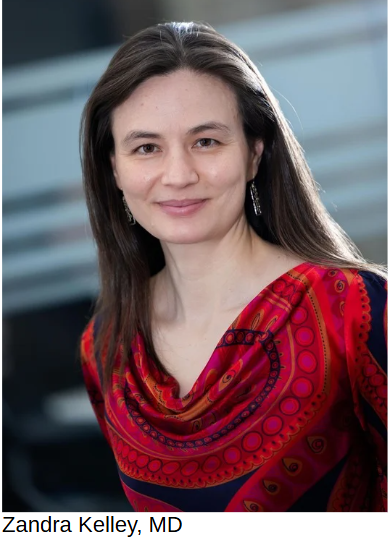
| Zandra Kelley, M.D. has dedicated her career to the Greater Lawrence Family Health Center (GLFHC), where she has served in numerous leadership roles including Chief Medical Officer, Chief of Family Medicine at Lawrence General Hospital, and Vice President of Clinical Affairs for the Merrimack Valley ACO. On September 1, 2025, Dr. Kelley stepped into the role of Chief Executive Officer at GLFHC, continuing her lifelong commitment to community health. She remains a practicing primary care physician and a passionate faculty member of the Lawrence Family Medicine Residency, mentoring the next generation of family doctors. | | What is happening in Springfield and what work is Caring Health Center conducting? | | |
Ashley Naginewicz: Caring Health Center is committed to community support and treatment for substance use disorders. Caring Health Center recognizes that there is not one path to recovery and that it is individual based. With this perspective, there are different options for recovery treatment including harm reduction support and prevention.
Different modalities are offered and tailored to the individual. This starts with an intake to better understand the needs of the individual. Services offered include individual counseling, group therapy, peer recovery support, case management, medication management through behavioral health medications and substance use medications. The individual can have any combination of these treatments to better enhance their treatment.
| Caring Health Center has always been driven on treating the whole person and meeting the individual through empathetic understanding. This helps to promote recovery services and continued engagement in treatment. | | Dr. Ashley Naginewicz is a Doctorate Level, Licensed Mental Health Counselor who works with mental health and substance use clients to help them on the path to recovery and overall wellness. Dr. Naginewicz has worked in the field of mental health and substance use for 13 years with experience in counseling with medication-assisted treatment, mindfulness recovery, and cognitive behavioral therapy. She is the Chief of Behavioral Health at Caring Health Center. | | How is RIZE MA as a funder thinking about supporting the environment for substance use prevention? | |
Julie Burns: The overdose crisis affects every part of society. It impacts not just one group but an entire social system, a network of connected individuals and interests. Addressing such a widespread crisis requires a comprehensive response with input from stakeholders across all sectors of the ecosystem. It calls for a proactive approach that is adaptable and open to new ideas and unconventional partnerships needed to tackle the changing epidemic. This approach is at the heart of RIZE Massachusetts Foundation’s framework and is essential for a strategic and lasting response.
Our philosophy that there are many solutions and pathways allows for an intentional evolution in our program portfolio to meet the changing realities on the ground. We have invested over $29 million to date toward promising models and innovative strategies to fight the overdose epidemic. By working with a diverse range of stakeholders, including those with lived and living experience, we develop comprehensive strategies that increase access to care and promote new approaches to prevention, harm reduction, treatment, and recovery. Our commitment to a participatory decision-making process ensures that individuals with lived and living experience are a vital part of our initiatives, providing valuable insights to our work.
Our innovative funding model distinguishes us from traditional philanthropy by emphasizing collaboration and trust. We aim to streamline grantmaking processes and keep communication open with our grantees, empowering them to concentrate on their essential work. By building trusting partnerships and actively seeking feedback, we strive to be responsive and approachable, ensuring our investments support effective solutions to the overdose crisis in every community.
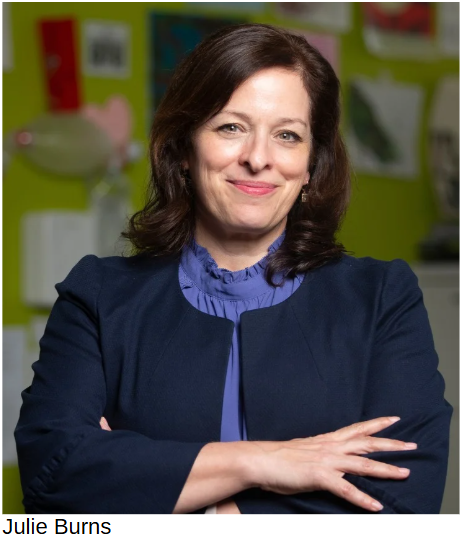
| Julie Burns is the founding executive of RIZE Massachusetts Foundation and leads the foundation’s work researching, investing in, and expanding evidence-based treatment solutions as well as building coalitions across the nonprofit, public, and private sectors to end the opioid overdose epidemic in Massachusetts. Julie served as a member of the city of Boston’s Office of Recovery Services Substance Use Prevention Advisory Board under former Mayor Marty Walsh and was appointed as a member of the Commission on Methamphetamine Use by Massachusetts Governor Charlie Baker in October 2021. She also serves her community on several nonprofit boards and commissions. | | |
Maternal Health Legislation in Action
A NeighborHealth showcase on 10/7
| | |
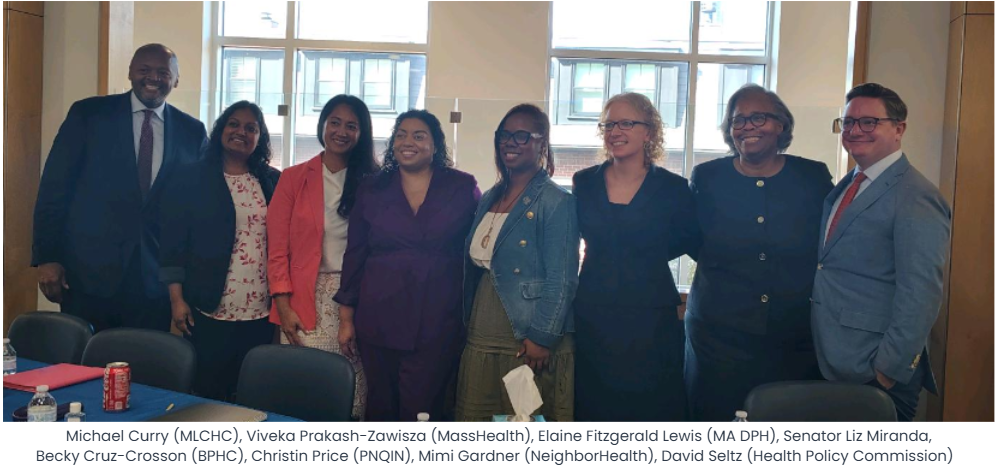
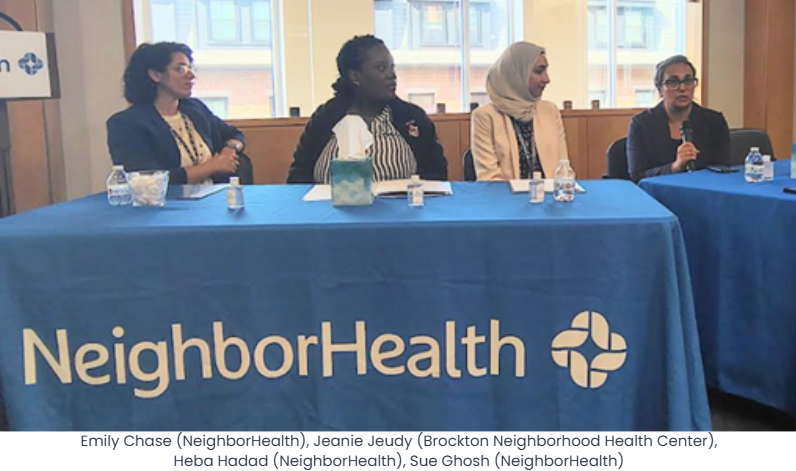
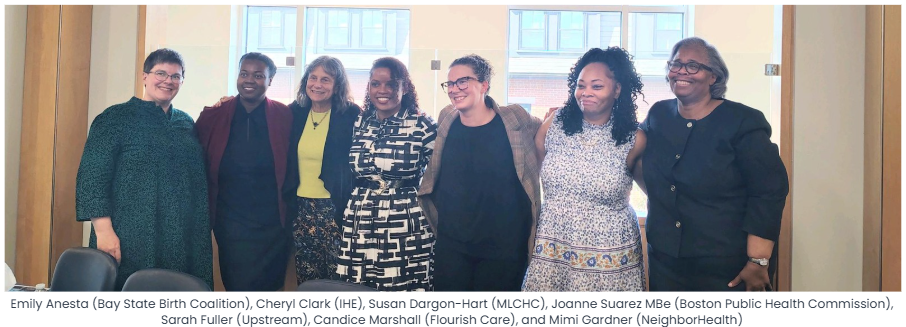
On October 7th, NeighborHealth hosted Maternal Health Legislation in Action which showcased maternal health initiatives at the city, state, and community level.
The discussion focused on the significant disparities in maternal health outcomes in Massachusetts, where Black, Latino, American Indian, and Alaska Native people are two to three times more likely to die from pregnancy-related complications than their White counterparts. These inequities persist across income and education levels, pointing to systemic issues rooted in racism and discrimination.
| |
Topics of discussion and solutions explored included:
-
Policy Changes: Implementing legislation on the Massachusetts maternal health omnibus law that supports the practice of midwifery, birth centers and doula services, as well as services to support treatment of mental health conditions, behavioral health conditions or substance use disorders in the perinatal period, among other benefits.
-
Community-Based Solutions: Discussing how to fund and scale programs that are trusted within communities, such as group prenatal care models and community health centers.
|
-
Healthcare System Reforms: Addressing issues within the healthcare system, such as a lack of culturally competent care, implicit bias among providers, and the need for greater diversity in the maternal health workforce.
-
Data and Accountability: Using data from the DPH and other sources to track progress and hold institutions accountable for improving patient outcomes and safety.
| | Primary Care Week: 10/5-10/11 | | October 5 - 11, 2025 marks National Primary Care Week (NPCW). Community Health Centers make up the nation’s largest network of primary care providers. | |
The goal of NPCW is to engage physicians-in-training, students across the health care spectrum, and the public on the indispensable role of primary care in our health care system through special programming and communications.
NPCW activities are an opportunity for student groups to help others learn about, experience, and spread awareness of primary care’s pivotal role in the U.S. health care system. These efforts can happen at school, in the community, and across social media.
Read more here.
| | World Mental Health Day: 10/10 | | October 10 is a day to emphasize the importance of mental health and the support available at Community Health Centers. Dedicated care teams offer a range of mental health services and resources, including counseling, support groups, and crisis intervention. | |
Some examples of the mental health services and programs that community health centers in Massachusetts offer include:
Cambridge Health Alliance Health Centers (CHA) offers Mental Health First Aid Training (MHFA) which is a national certification managed by the National Council for Mental Wellbeing designed to train members of the community in skills to assist when someone faces a mental health crisis or challenge. Trainees learn risk factors, warning signs, and how to guide someone to helpful resources. CHA also offers another program called Senior Suicide Prevention that is run by the CHA Department of Community Health Improvement in partnership with the Massachusetts Department of Public Health. The program addresses loneliness and social isolation in older adults.
Community Healthlink in Worcester has the BUDD Day Program (Builds Understanding and Develops Direction) which serves adults 18 years and older who experience psychosocial, emotional, or behavioral problems. The program also works with individuals who have recently been discharged from the hospital and require a transition back to the community in addition to individuals who have intellectual disabilities and are experiencing impulse control and/or behavior problems, social deficits or other needs that limit their ability to function within the community.
| |
The Dimock center in Roxbury offers Behavioral Health Services and mental health support to people of all ages. These include inpatient programs for people in recovery from substance use disorder as well as outpatient counseling for youth and adults through our health center. We are committed to healing the whole person, mind, and body.
Duffy Health Center, in Hyannis offers the Bridge Program (Bridging Services After a Mental Healthcare Hospitalization) where support staff meet with persons hospitalized for inpatient mental healthcare before they leave the hospital. Data shows that 90% of patients seen by the Duffy team at Cape Cod Hospital connect to Duffy services post-discharge.
| |
Family HealthCare Center at SSTAR in Fall River has The Mental Health Intensive Outpatient Program which provides services to adults ages 18 and over with mental health diagnoses that are impacting daily functioning. The program also supports clients with co-occurring substance use disorders. Clients can participate in the voluntary program to learn new skills to stabilize mental health symptoms and reduce risk of relapse in order to prevent inpatient hospitalization, or as a step-down after completion of inpatient level of care or partial hospitalization program (PHP).
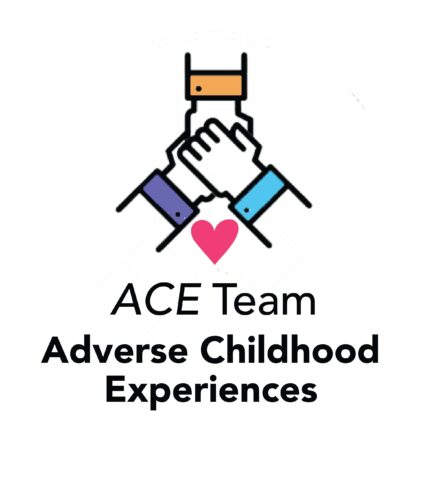
Lynn Community Health Center in Lynn has an Adverse Childhood Experiences (ACE) Team that responds to families, especially children, in the wake of violence and connects them to the appropriate trauma-informed supports and services in the community.
| Whittier Street Health Center in Roxbury offers individual and group arts therapy, drama therapy, and expressive arts therapy. The focus of these therapies is on nonverbal communication of feelings through arts, music, and dance. These therapies are also offered to children, adolescents, and adults in schools, domestic violence shelters, and in nursing homes. |
| |
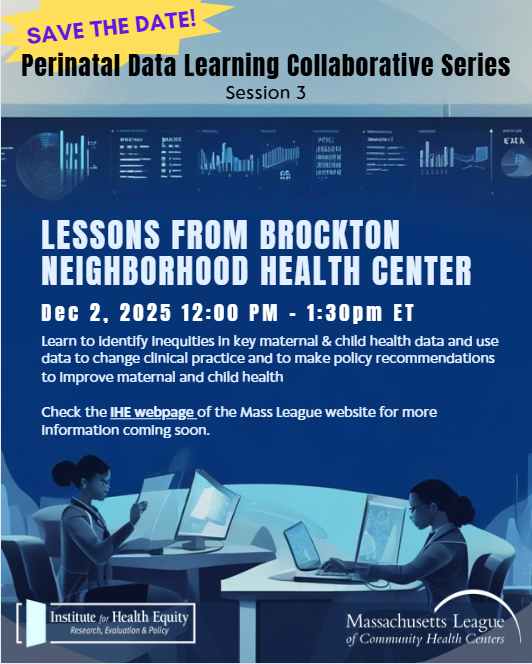
SAVE THE DATE: 12/2
Perinatal Data Learning Collaborative | Webinar 3
| | |
The third webinar in the Perinatal Data Learning Collaborative webinar series is "Lessons from Brockton Neighborhood Health Center" and will take place on December 2, 2025 12:00 PM - 1:30pm ET
Save the date and check the IHE webpage for more information coming soon.
| | The Institute for Health Equity Research, Evaluation, and Policy | |
In 2023, The Massachusetts League of Community Health Centers (Mass League) created the Institute for Health Equity Research, Evaluation, and Policy, Inc. (IHE), a 501(c)(3) non-profit organization designed to support Health Center-led Science driven by community health centers.
IHE convenes communities and supports the scientific infrastructure, implementation, program evaluation and training needed to identify and sustain the most effective strategies for attaining equity in health and healthcare, as defined by those with lived experience of health inequities.
Learn more about IHE on our webpage of the Mass League website and on our LinkedIn page.
| | | | |