Monthly News & Opportunities


November 5, 2026 | V3 #11


ABA Burn Surgeon Forum

How can advances in burn surgery translate into better care--and how can stronger connections across the injury research community accelerate that progress? Those questions connected the practical and scientific discussions at the American Burn Association's Burn Surgeon Forum, held in September in San Antonio.


For CNTR, the meeting's emphasis on collaboration also underscored an ongoing priority: strengthening connections between burn research and the broader trauma research community. "Burn research belongs at the table whenever we discuss the future of trauma care," said CNTR's Executive Director Michelle Price, PhD.


CNTR at PCORI Annual Meeting


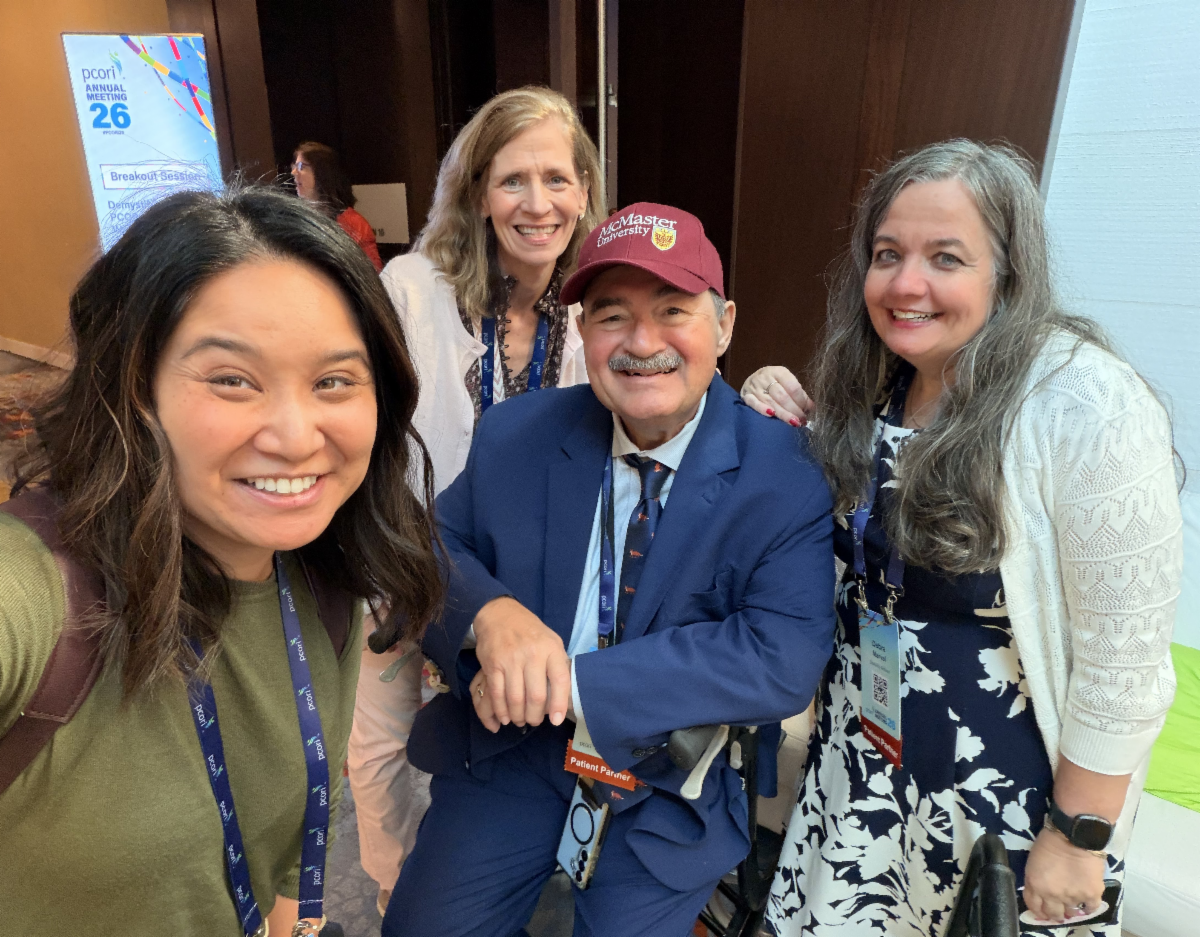
The importance of engaging patients and caregivers as meaningful partners throughout the research process was a central theme of the 2026 Patient-Centered Outcomes Research Institute (PCORI) Annual Meeting, held October 19–20 in Washington, D.C. The two-day gathering brought together researchers, clinicians, patients, caregivers and advocates to share strategies for making healthcare research more relevant, inclusive and impactful.


Representing CNTR at the meeting was Director of Clinical Research Serina Zorrilla, joined by four members of CNTR's Injury Research Engagement Panel (IREP): Kelly Lang, Debbie Marvel, Jeffrey Wells and Juanita Gonzalez.


The meeting reinforced a fundamental principle of patient-centered research: patients and caregivers should have a meaningful voice in shaping research, rather than simply participating in in it. “Patients should be partners throughout the entire research enterprise, not simply participants in clinical studies,” said Serina.

What Trauma Research Reveals About Gun Violence

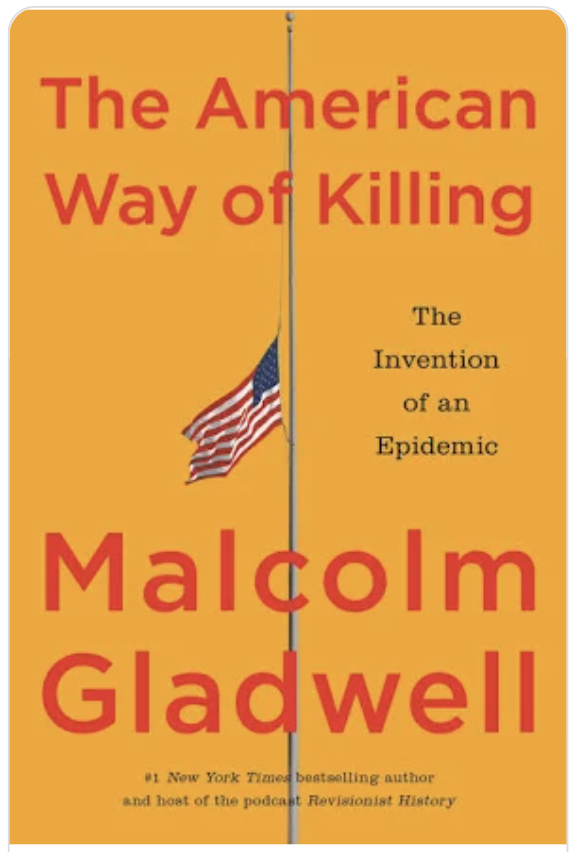
Featured in Malcolm Gladwell’s new book, trauma surgeon  Babak Sarani, MD, discusses the hidden consequences of firearm injuries, the importance of timely trauma care, and why research collaboration matters.


When Malcolm Gladwell began researching The American Way of Killing: The Invention of an Epidemic, he encountered a body of scientific research that challenged conventional assumptions about firearm injuries and survival. Among the researchers whose work caught his attention was Dr. Babak Sarani, Chief of Trauma and Acute Care Surgery at George Washington University.


Sarani's research featured in Gladwell’s book examined autopsy findings from mass-shooting victims to better understand fatal injury patterns and identify opportunities for lifesaving intervention. The resulting publications challenged assumptions about the injuries most likely to cause death and the interventions most likely to improve survival.

Research!America Microgrants Support Early-Career Researchers in Community Engagement


Research!America is a national advocacy organization for science, discovery and innovation, of which CNTR is a member. The organization has opened applications for two awards that seek to empower early-career researchers to engage their communities in two-way dialogue about timely science and research issues.


The Civic Engagement Microgrants are awards of up to $4,000 for STEM graduate students, professional students (medical, dental, nursing, pharmacy, etc.) and postdocs to create projects that build policy, communications and program management skills aimed at dialoging with public officials.


The Public Engagement Content Awards are stipends of up to $5,000 to fund open access curriculum development in science communication and other public engagement skills.


Applications close on November 20, 2026.

CNTR Urges Congress to Protect Federal Research Funding


CNTR signed onto a letter initiated by the Association of American Universities (AAU), calling on Congress to prevent implementation of proposed changes to federal grant rules that could undermine research and community services.


The Office of Management and Budget’s proposed revisions to the “Uniform Guidance”—the rules governing federal financial assistance—would expand agencies’ discretion to terminate awards as priorities change. For trauma researchers and their partners, that uncertainty could jeopardize long-term studies and delay advances in care for injured patients. Read the proposed rule.


The sign-on letter warns that several federal agencies are advancing policies that mirror the proposal despite Congress’s temporary prohibition on OMB moving forward. It asks lawmakers to investigate these actions, extend protections in upcoming funding legislation, and ensure that changes to federal grant requirements respect congressional authority and meaningful public input. Read the Letter.


Together, we can advocate for stable federal support for research that saves lives!

CNTR Investigator Resources

Engage with Patients and Caregivers: Present Your Research to the IREP

The Injury Research Engagement Panel (IREP) was created to make it easier for trauma investigators to meaningfully engage patients and caregivers as they conceptualize and conduct research. The panel represents a range of lived experiences with injury and is designed to help investigators ensure that their research questions and outcomes are meaningful, respectful, trauma-informed and relevant to the people ultimately affected by the work.


Investigators can bring studies and proposals to IREP at any stage of development. 


Next Session:

February 17, 2027, from 6:00–7:15 p.m. CT

LinkedIn