Health News Digest, February 2026 | | We're Speaking Out For You | |
Improving safety in Alzheimer's treatment
In response to the HHS request for public comment, we focused on two issues to help protect dementia patients and those who are having memory problems:
#1: Medicare requires patients taking anti-amyloid drugs like Leqembi and Kisunla to enroll in registries to track serious risks such as brain swelling and brain bleeding. However, the private groups running these registries have not provided the detailed data that patients and physicians need to make informed medical decisions. For example, rather than comparing the complications of the 2 different drugs, the Alzheimer's Association Registry reported results for patients taking either of those two drugs, or who took Aduhelm (a similar drug that is no longer sold). Patients and physicians deserve to know if one of these treatments is safer or more effective for certain kinds of patients -- and that requires comparative data being made public. Making de-identified individual data available to independent researchers will also help doctors and families make informed decisions.
#2: We also raised major alarms about the dangerous misuse of specific psychiatric drugs in dementia care. Experts estimate that one in four older dementia patients is inappropriately prescribed atypical antipsychotics such as Seroquel, Risperdal, or Rexulti or other dangerous anti-anxiety medications. These drugs can cause heart failure, pneumonia, and sudden death in older adults. Nursing home patients are especially vulnerable, and Medicaid has tried to restrict the use of these drugs, but misuse continues. Rexulti is the only atypical antipsychotic that is FDA-approved for dementia patients, but the risks are still great. That's why we urged CMS to study the risks of Rexulti and conduct research to develop better strategies to prevent the misuse of these dangerous medications by dementia patients.
Read our written comment here.
|
Do older men need more testosterone?
FDA recently urged more women to take estrogen therapy as they age, and is now considering telling men to take testosterone as they age. In response to the FDA's request for public comments, we pointed out that recent research found that increasing testosterone could increase blood pressure, heart arrhythmias, and kidney injury. Even though testosterone increased bone density, it surprisingly led to more bone fractures. We warned that short-term research likely underestimates long-term dangers, possibly including prostate cancer risk.
Despite claims that hormones can be a "fountain of youth," clinical trials show testosterone does not effectively treat chronic fatigue, weight gain, depression, or physical weakness. While it may slightly boost libido, it does not improve overall sexual function or cure erectile dysfunction.
We criticized the recent FDA expert panel on testosterone for relying on personal stories rather than scientific evidence, noting a similar lack of evidence at an FDA meeting that discussed female testosterone therapies. Since the known risks to men include blood clots, testicular atrophy, and sleep apnea, we urged the FDA to demand large, long-term studies before granting approval of "testosterone replacement therapy" for the normal signs of aging.
Read our written comment here.
| |
We speak out as part of a legal battle over U.S. children's vaccine policies
A major legal battle is unfolding that could significantly influence the future of U.S. public health. A federal judge is weighing an emergency motion by the American Academy of Pediatrics (AAP) to block Health and Human Services (HHS) Secretary Robert F. Kennedy Jr. from overhauling childhood vaccine guidelines. The lawsuit argues the administration unlawfully bypassed regulatory procedures to shift routine immunizations to "shared clinical decision-making" and illegally replaced members of the CDC’s vaccine advisory panel (known as ACIP). The impending ruling will determine if decades of established pediatric immunization standards can be abruptly dismantled and whether federal policies will remain guided by evidence-based medical consensus.
We have inside information about the biased process used to select ACIP members. As recently revealed in the Public Health Policy Journal, our president, Dr. Diana Zuckerman, submitted a formal declaration detailing her experience being interviewed for the newly formed ACIP. Zuckerman revealed that an attorney working for RFK's former lawyer asked her if she "would feel comfortable" saying that childhood vaccination decisions should be made solely between parents and doctors. She said she didn't. However, the view she was asked about was identical to the ACIP panel's subsequent conclusions about vaccine decision-making. That doesn't seem like a coincidence.
RFK's lawyer has sued HHS vaccine recommendations for many years. Should his firm be vetting Vaccine Advisory Committee members?
Read about this important lawsuit in the Public Health Policy Journal.
| |
|
Be careful when considered TAVR heart surgery!
A recent article in MedTech Dive highlighted a growing national debate over a heart valve replacement procedure known as TAVR. The manufacturer, Edwards Lifesciences, wants Medicare to cover the procedure for patients with severe aortic stenosis who aren't yet experiencing any symptoms.
Aortic stenosis is a dangerous narrowing of the heart valve, and Dr. Zuckerman was quoted in MedTech Dive explaining that Edwards’ research data on asymptomatic patients do not justify national coverage because their study participants were lower-risk patients than most Medicare beneficiaries. Since these devices start to deteriorate inside the body over time, we explained that CMS should be reluctant to encourage “earlier lifelong device implantation, potential re-interventions, and downstream complications without clear evidence of survival or disability benefit.”
The company also wants Medicare to not require ongoing clinical safety studies for patients who want coverage for the device. While Edwards claims that early intervention is best, we believe that Medicare coverage of this major procedure for people who have no symptoms would put patients at risk and increase the cost of Medicare.
Read more in the Medtech Dive article and our public comment.
| |
Are prostate cancer screenings necessary?
We recently updated our web article on prostate screenings with an important new JAMA study showing that most men do not benefit from annual or biennial prostate cancer screening (PSA) tests. The research suggests that a single PSA test in a man's 50s can predict his risk of prostate cancer over the next 20 years. Consequently, most men with the lowest scores won't need another test for 10-20 years. Those with moderate scores can likely wait 5-10 years, while the relatively few with higher scores will require frequent testing.
Prostate cancer is the most common cancer in men, but it is usually not fatal. The PSA blood test was once recommended annually for men over 50. However, frequent false positives often lead to unnecessary biopsies and treatments, which carry complications such as ED and incontinence. The goal is to better predict who will benefit from frequent screening, since that will save lives without harming the many men who are very unlikely to be harmed by prostate cancer.
The harmful side effects of unnecessary screening has fueled years of controversy over whether asymptomatic men should undergo routine PSA screening. Fortunately, this new study offers clarity, suggesting that a single baseline test in a man's 50s can effectively guide whether frequent, annual testing is actually necessary.
Read our article here.
|
HHS leadership shuffle: Improving health or midterm election strategy?
HHS Secretary Robert F. Kennedy Jr. is shaking up his top staff, moving several key officials from health agencies into senior advisor roles. Kennedy says these changes will help push his "Make America Healthy Again" (MAHA) agenda and fight the status quo.
However, there is evidence that this is primarily a political strategy to improve polling numbers before the midterm elections. MAHA voters were important in 2024, but MAHA activists warn that the GOP is only "renting" their support, rather than making converts to the Republican party. As HHS focused on vaccines rather than pesticides and ultra-processed foods, they turned off many voters. Since the White House is defending pesticides, HHS seems to hope that focusing on ultraprocessed foods will win back 2024 voters. The question is: will the change in focus be permanent or just temporary moves to keep voters happy until November?
Read more in THE HILL article.
|
Big Tech on trial: Social media addiction?
Meta CEO Mark Zuckerberg is testifying in a landmark trial that could fundamentally change social media. The lawsuit claims that apps like Instagram and YouTube are designed to be like digital casinos so that they addict children. A new study of nearly 12,000 kids backs this up by finding that heavy social media use increases depression by 35%. This shows the harmful impact of social media, directly challenging Zuckerberg's claim that unhappy children use these platforms to escape preexisting problems.
Attorneys are using a new legal tactic that treats social media apps as defective products, bypassing the traditional laws that usually shield tech companies from liability. With TikTok and Snap having already settled, this trial against Meta and Google is serving as a massive test run for over 1,600 similar pending lawsuits. A win for the plaintiffs could result in enormous financial damages and force major changes in how these apps operate, ensuring that they do a better job of protecting children.
Learn more in NPR article.
| | |
Check us out!
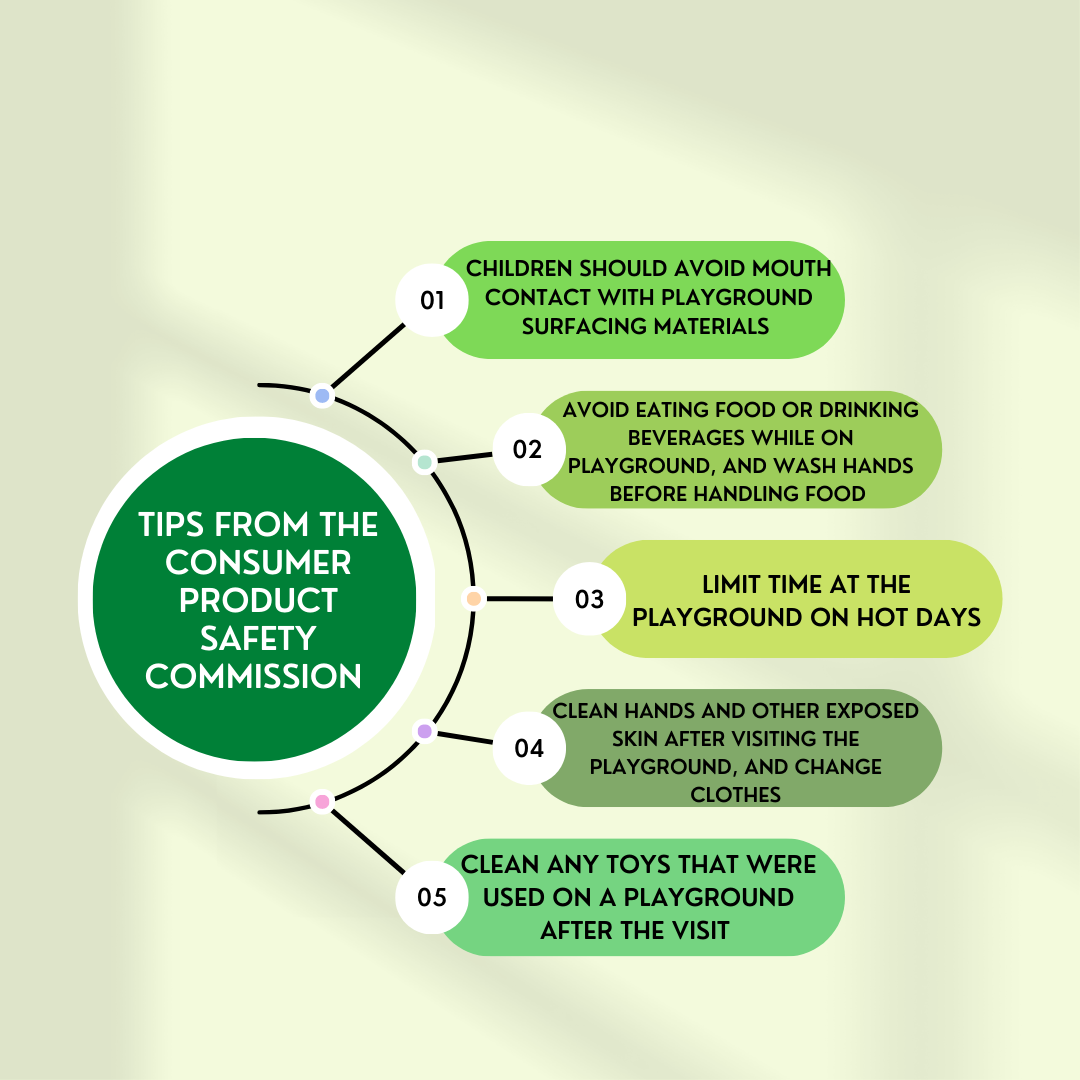
Did you know that artificial turf, rubber playground surfaces, and rubber mulch contain chemicals that can cause attention problems, obesity, early puberty, asthma, and cancer? Are your children or grandchildren getting exposed when they play? Follow us @safe.to.play
| |
| Our main Instagram account and Threads provide free information about new medical research, programs, and policies to help health experts, patients, and the public improve the health of individuals and communities. Follow us @healthresearch4u | | | Connect With Us on Our Other Social Media! | | Your Contribution Can Make a Difference! | | We do not accept any funding from drug companies, device companies, chemical companies, or other sources that could influence our work and compromise our integrity. That's why so many people turn to us when they need help. Donations are tax-deductible! Please consider giving to the National Center for Health Research online or by mail to the address below. You can also contribute to our Cancer Prevention and Treatment Fund online, by mail, or through the Combined Federal Campaign using CFC# 11967. | |
To sign up for these monthly updates, click here.
| | | | |