|
Performance Management: When the Process Replaces the Purpose
Over the years, I have worked with organizations that invested considerable time and energy developing performance management systems. Some were elaborate, with defined competencies, rating scales, measurable objectives, and extensive documentation. Others were relatively simple.
Yet I frequently encountered the same problem: The process had become more important than the purpose.
Managers completed forms, employees received ratings, and Human Resources documented compliance. But had performance improved? Had employees developed new capabilities? Had meaningful conversations taken place?
Too often, the answers were unclear.
When the System Becomes the Objective
I remember working with organizations that adopted Management by Objectives (MBO). The intention was sound: establish measurable goals, clarify expectations, and evaluate results.
However, managers complained about paperwork. Employees questioned the fairness of their objectives. Quarterly progress reviews were postponed or overlooked. By the time annual evaluations arrived, discussions often concerned events that occurred months earlier.
The organizations had performance management systems, but were they actually managing performance?
The problem wasn't necessarily MBO. It was the disconnect between the system's purpose and how managers used it.
The Influence of Organizational Culture
Performance management does not occur in isolation. It reflects both the organization's culture and the assumptions managers hold about the people they supervise.
Where control, compliance, and documentation dominate, evaluations can become exercises in identifying deficiencies rather than opportunities for improvement.
Conversely, organizations that value trust, participation, accountability, and development are more likely to encourage meaningful performance conversations.
The challenge is not simply to improve evaluation forms. It is to examine whether organizational culture and management practices support the performance and development they claim to value.
Accountability and Development
Performance management serves two essential purposes: accountability and development.
Accountability establishes expectations, measures results, addresses performance gaps, and ensures commitments are fulfilled.
Development strengthens capabilities, identifies opportunities for growth, and provides the coaching and support employees need to succeed.
Both are necessary. Neither should replace the other.
Unfortunately, organizations sometimes emphasize ratings, documentation, and corrective action while giving considerably less attention to employee development.
Employees may know how they were rated without understanding what they can do differently or how their manager will help them improve.
A performance evaluation should not be the first time an employee learns that something is wrong.
The Conversation That Was Missing
Consider a manager who consistently rates an employee as needing improvement in communication and follow-through.
Yet, when asked how frequently these concerns are discussed, the manager responds, "We cover them during the annual review."
Further discussion reveals that expectations are unclear, priorities change frequently, and feedback occurs primarily when something goes wrong.
The employee's performance may need attention, but so does the manager's leadership behavior.
Evaluating performance is not the same as managing it.
Managing performance requires ongoing communication, clear expectations, timely feedback, and a willingness to address problems before they become entrenched.
Returning to the Purpose
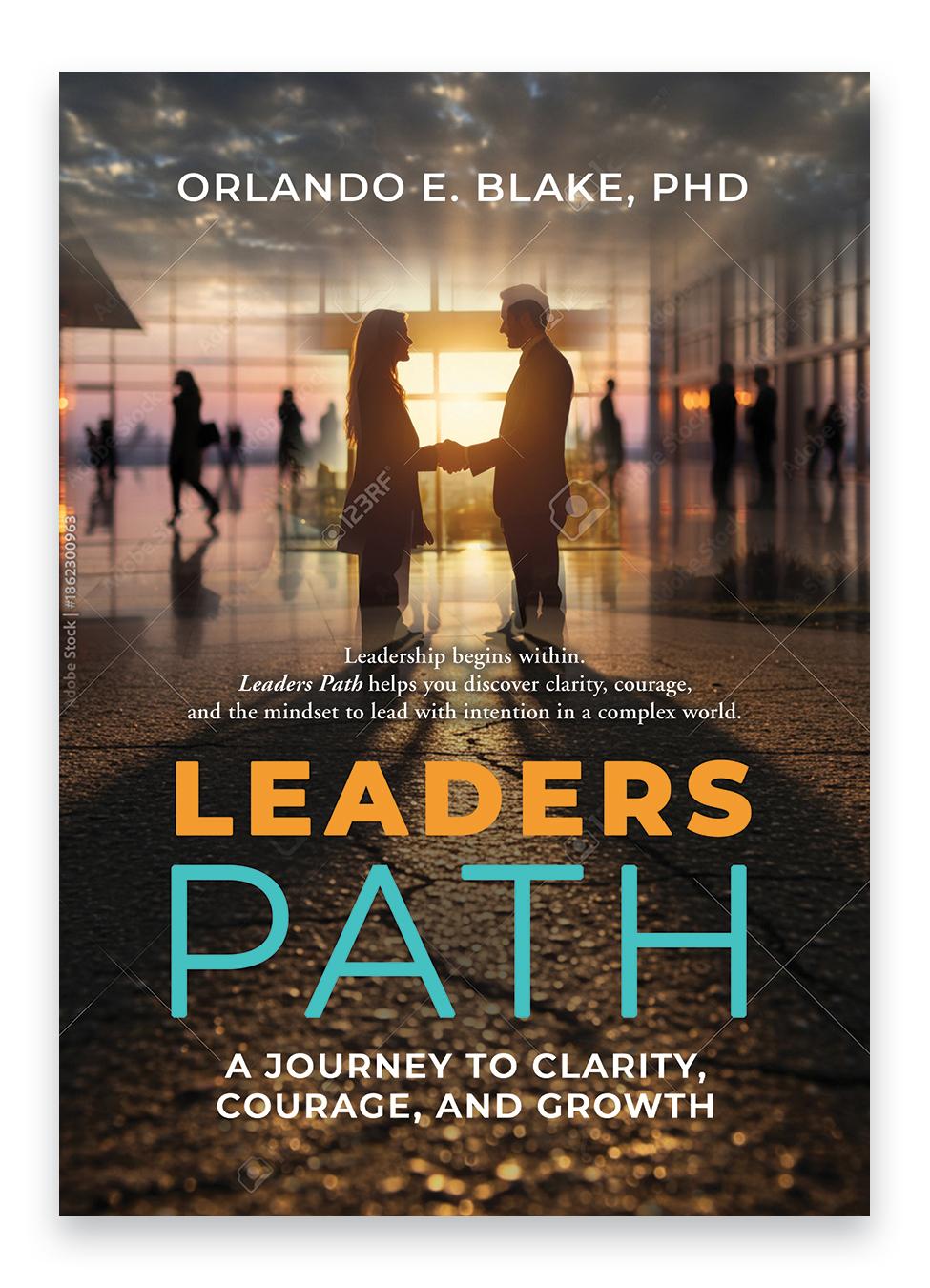
In my book, Leaders Path: A Journey to Clarity, Courage, and Growth, I discuss performance conversations that combine clarity with courage.
Clarity means employees understand what is expected, why it matters, and how success will be measured.
Courage means managers are willing to have honest conversations, including uncomfortable ones.
Effective performance management also requires asking: Are we creating the conditions that enable employees to succeed?
Employees need opportunities to contribute, confidence that their efforts can produce meaningful results, and recognition that their contributions matter.
Rather than relying exclusively on annual evaluations, managers should regularly discuss progress, obstacles, accomplishments, and opportunities for improvement.
A Question for Leaders
As organizations approach another performance review cycle, perhaps the most important question is not whether evaluations have been completed.
It is whether the process has helped people perform better.
Performance management should be something leaders do with employees, not something they do to them.
When the conversation becomes more important than the form, performance management begins to fulfill
its intended purpose.
© Orlando E. Blake, PhD.
Executive Coach | Conflict Resolution Specialist
Author of Conflict Breakthrough and Leaders Path
All rights reserved.
My new book, Leaders Path: A Journey to Clarity, Courage, and Growth - Available on Amazon HERE and on booklocker.com HERE where you may read an excerpt.
|