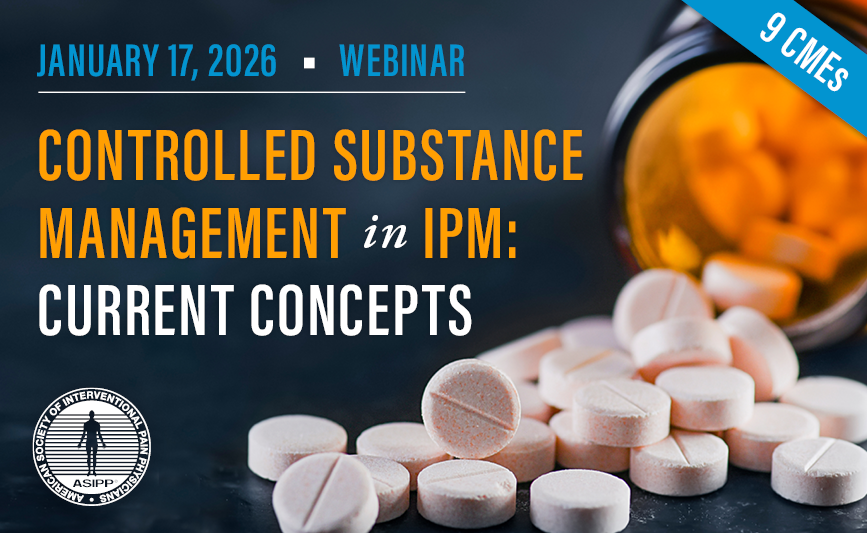
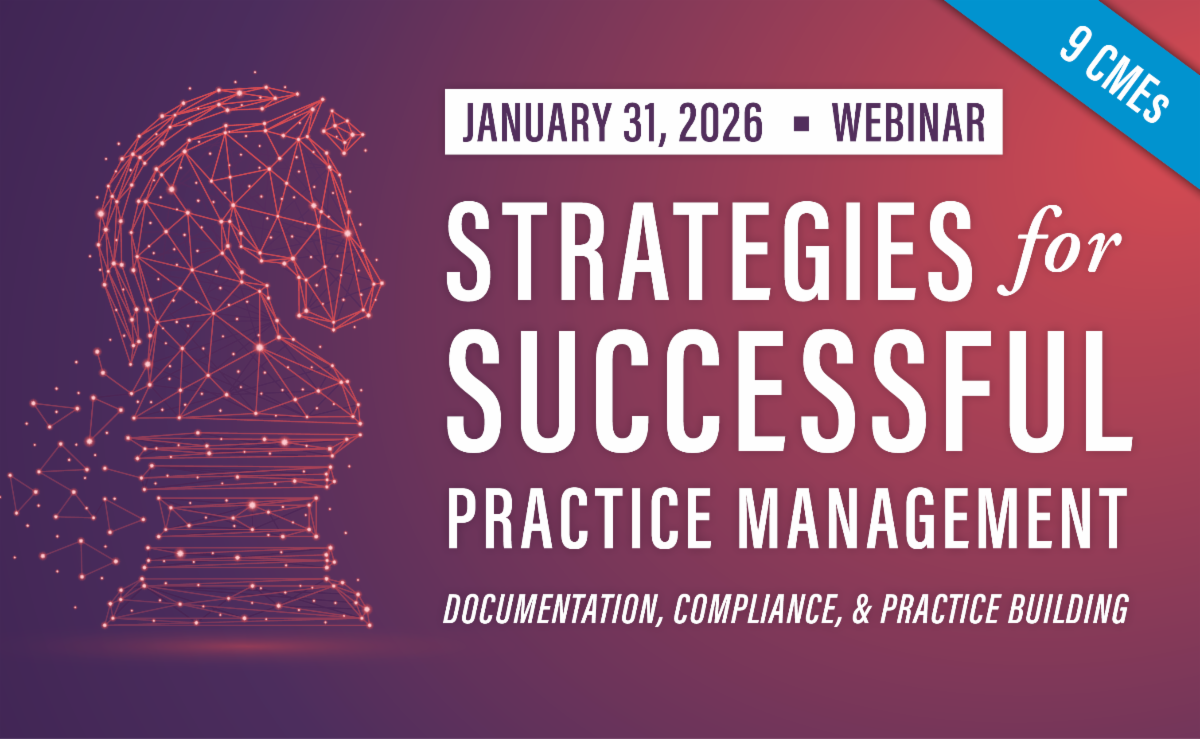
Don't miss this weekend's webinar
REGISTER TODAY!
| |
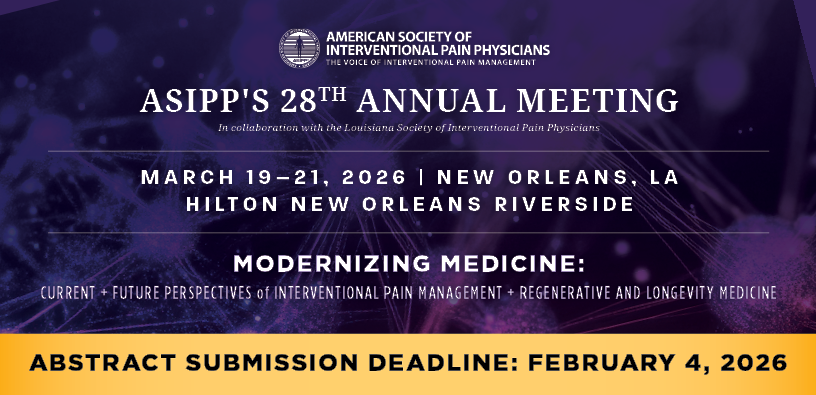
Join Us in New Orleans for ASIPP 2026
Earn CMEs, Expand Networks, and Explore the Future of Pain Management
| |
Planning to attend ASIPP’s Annual Meeting with colleagues? Our Register Two, Get One Complimentary group registration offer makes it easier to bring your team to New Orleans!
For a limited time, when two new full Annual Meeting registrations are completed, a third registration is provided at no additional cost—helping practices maximize the value of attending together.
Group participation supports shared learning, collaboration, and alignment around best practices in interventional pain management.
| | JOIN or RENEW your ASIPP Membership for the best registration rates. | | Hands-On Cadaver Workshops | | | |
|
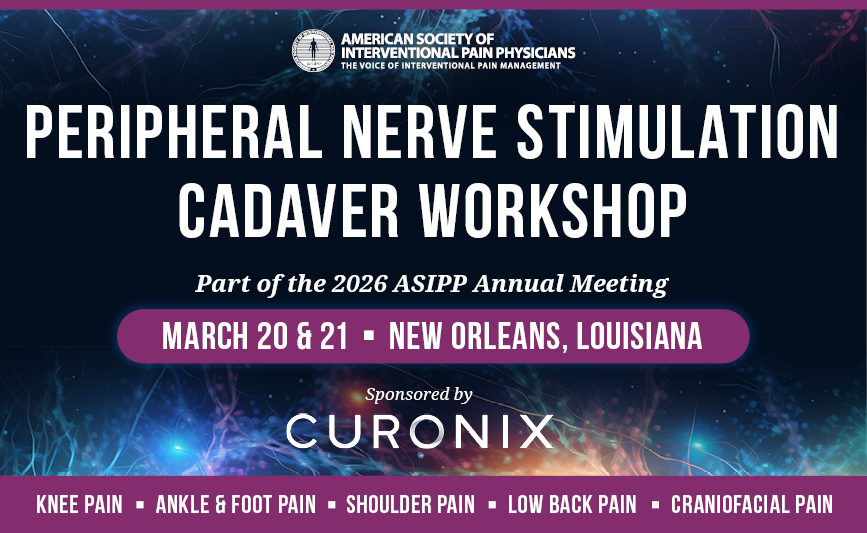
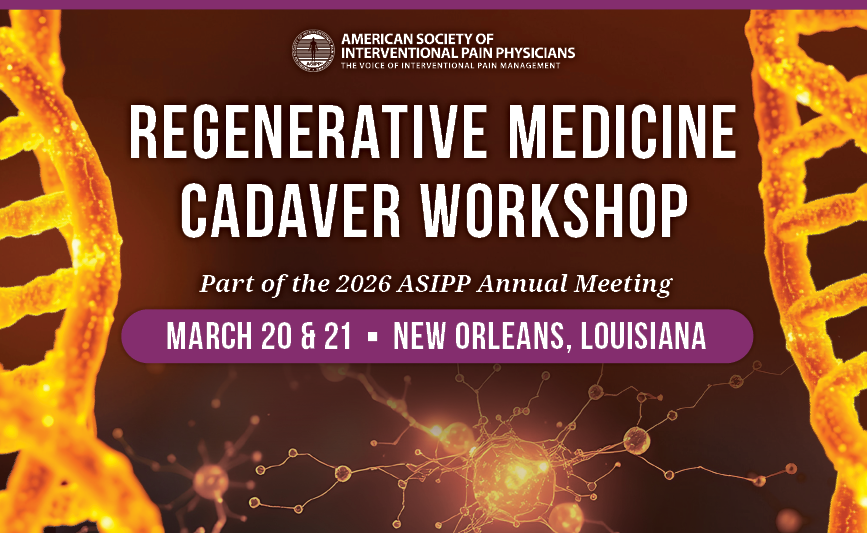
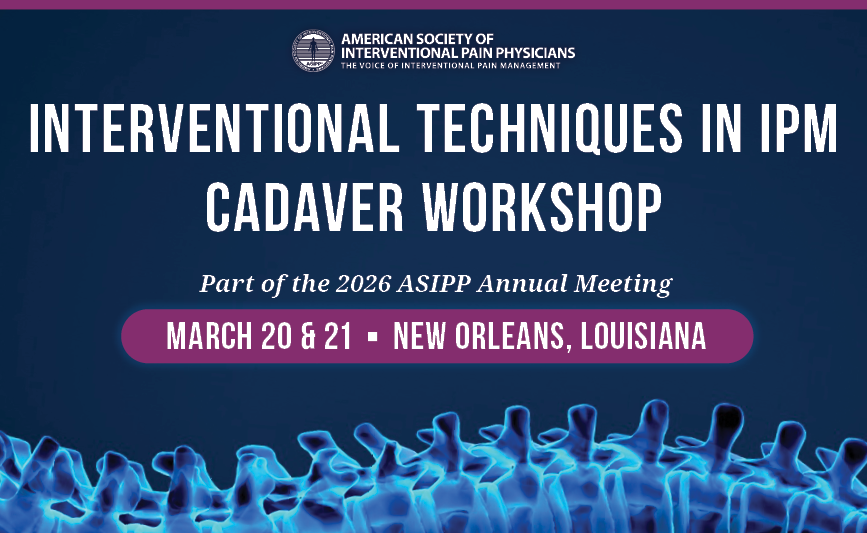
Don't miss the Hands-On Cadaver Workshops taking place March 20 and 21 alongside the Annual Meeting in New Orleans!
These workshops offer practical, guided training in key interventional procedures. This is an invaluable opportunity to sharpen your skills and gain confidence through real-time, instructor-led practice.
Sponsored by Curonix
(non-CME)
(8 CMEs)
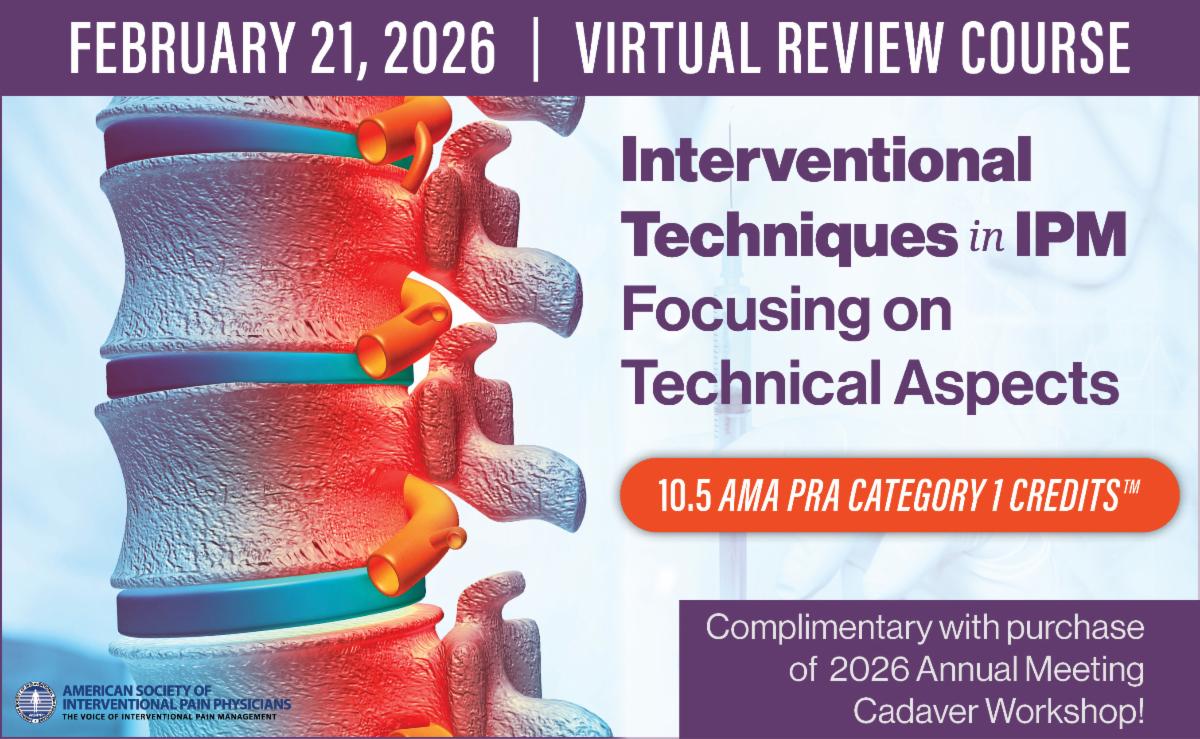
- Interventional Techniques
(8 CMEs)
| |
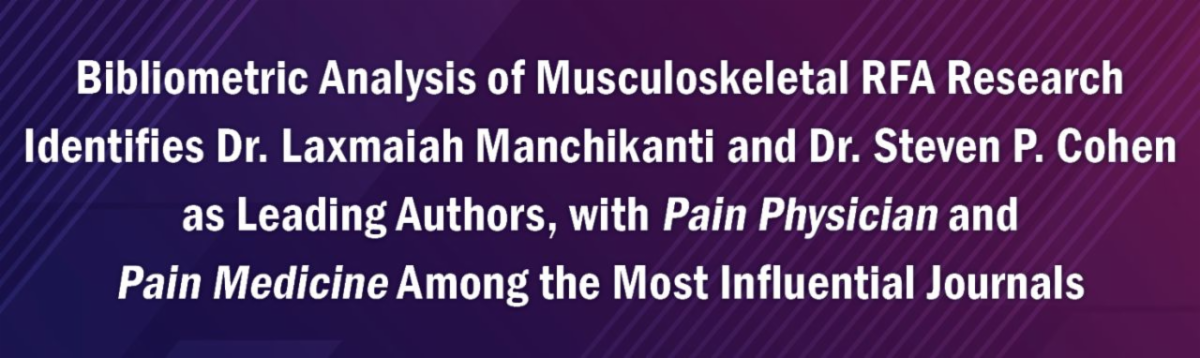
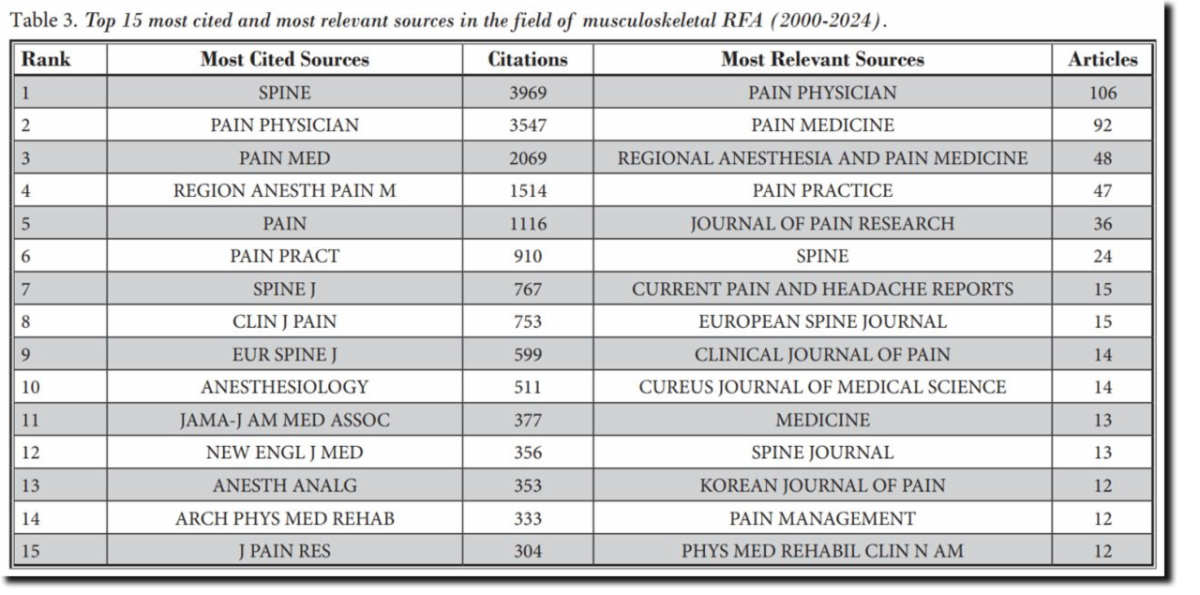
Key findings and related bibliometric rankings include:
Laxmaiah Manchikanti, MD
- Identified as one of the most influential authors based on sustained productivity and citation impact, with contributions shaping the evidence base for spinal and genicular nerve interventions (Pain Physician 2025; 28:S157-S168)
- Ranked #1 globally for randomized controlled trials in chronic pain therapy spanning 1989–2024 (Medicine, 2025; 104:39)
- Ranked #1 among the most cited studies on epidural steroid injections (PM&R Sciences, 2025; 292-297)
Steven P. Cohen, MD
- Recognized for high citation impact and influence in musculoskeletal RFA research (Pain Physician 2025; 28:S157-S168)
Click here for the full article.
| |
There may be a really simple way to help patients lower their risk for cardiovascular disease: getting them to sleep with the lights off.
In a new study, the largest of its kind, researchers analyzed light exposure records from nearly 90,000 people — 13 million hours’ worth of data — and compared light exposure levels to cardiovascular disease records collected 8-10 years later. People who slept in the brightest rooms had a 30%-50% higher risk than those who snoozed in darkness.
The fix is so simple, your patients could start to implement it tonight.
“For a lot of other approaches, you could say, well, because it’s so complicated and there are a lot of pros and cons, you need stronger evidence,” said Frank Scheer, PhD, director of the Medical Chronobiology Program at Brigham and Women’s Hospital in Boston and one of the co-authors of the study. “For something like light exposure at night, there’s no downside to keeping it dark other than using a dim light for safely getting out of bed.”
Click here to read the full article.
| |
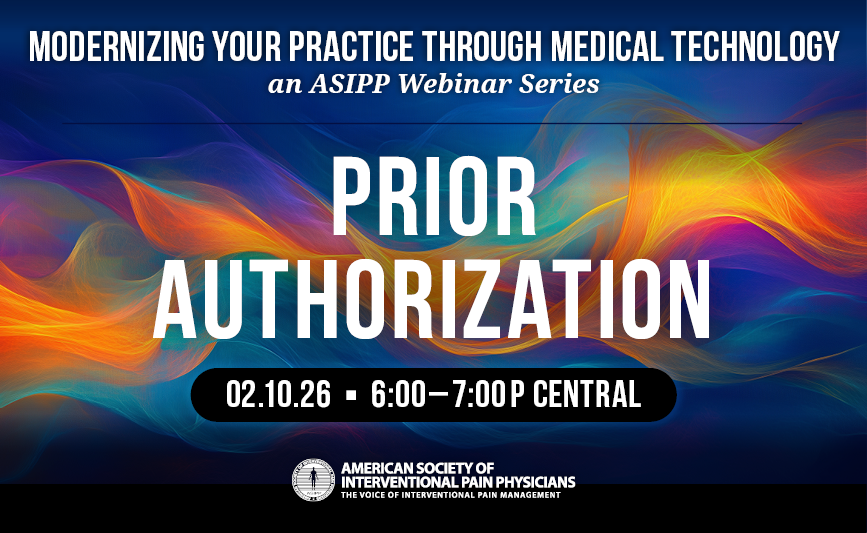
Upcoming ASIPP Webinars
Register today!
| | |
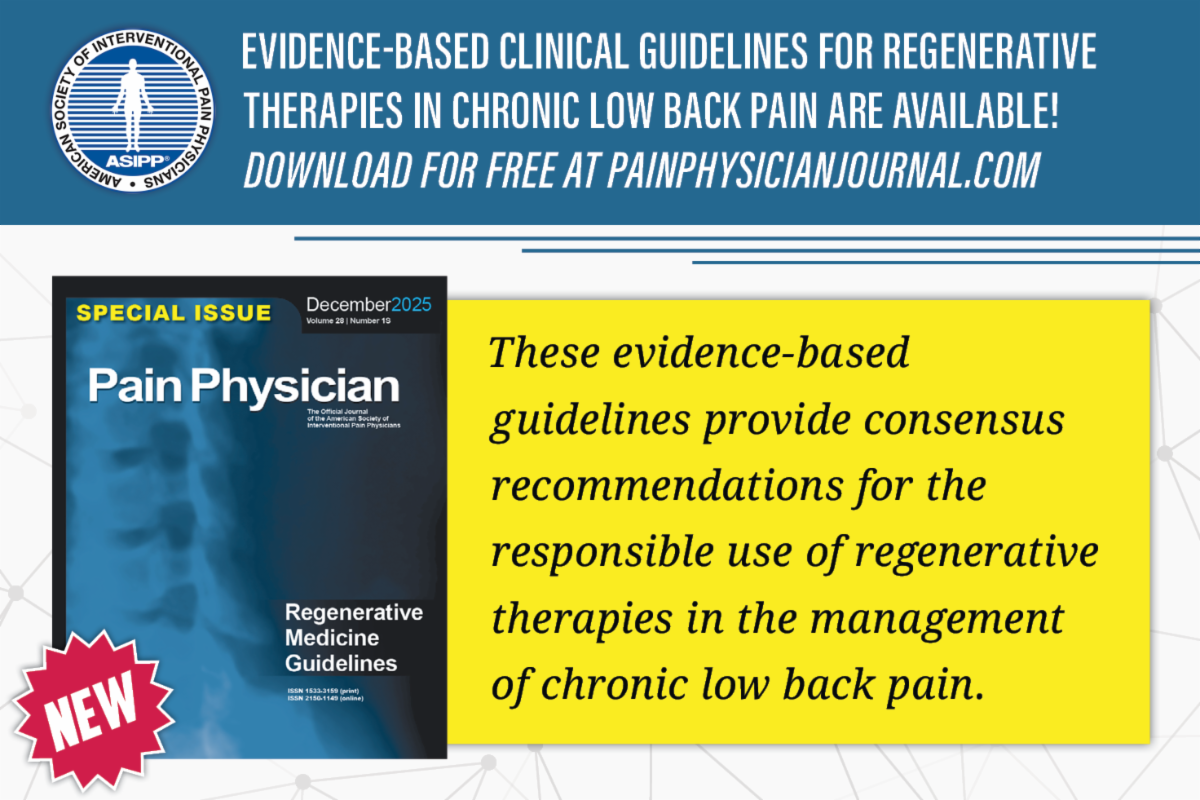
Laxmaiah Manchikanti, MD, Riya Navani, Annu Navani, MD, Mahendra Sanapati, MD, Alan D. Kaye, MD, PhD, Adam M. Kaye, PharmD, Amol Soin, MD, Devi Nampiaparampil, MD, Kenneth D. Candido, MD, Alaa Abd-Elsayed, MD, Theodore T. Sand, PhD, Navneet Boddu, MD, Sairam Atluri, MD, Anss Annie Augustine, BDS, Dajie Wang, MD, John Santa Ana, DO, Lady Christine Ong Sio, MD, Vidyasagar Pampati, MSc, Michael Khadavi, MD, Nebojsa Nick Knezevic, MD, PhD, Robert Farhat, DO, Shivam S. Shah, MD, Shounuck J. Patel, DO, Tom Nabity, Jr, MD, Alexander Bautista, MD, Aaron K. Calodney, MD, Joseph Cabaret, MD, Miles R. Day, MD, Paul J. Christo, MD, Sanjay Bakshi, MD, Shalini Shah, MD, Sheldon Jordan, MD, Sheri L. Albers, DO, Vivek Manocha, MD, and Joshua A. Hirsch, MD
| | | |  | | |
A limited number of qualifying residents/fellows will receive a scholarship to attend the ASIPP 28th Annual Meeting, March 19-21, 2026 at the Hilton New Orleans Riverside. Recipients of this scholarship with receive reimbursement of their meeting registration, and up to three nights stay at the host hotel. This includes room block rate and tax.
Deadline to apply is February 15, 2026.
Click here for more information.
| | |
Substance use, including the use of tobacco, alcohol, and illicit drugs such as cocaine and cannabis, significantly increases cardiovascular (CV) risk and contributes to premature atherosclerotic disease development. Cardiologists should routinely screen for depression using empathetic, non-stigmatizing approaches and validated tools to improve patient outcomes through timely intervention and referral.
Despite factors such as lack of time, a degree of embarrassment or discomfort, or the perception that this is an issue belonging to other specialties, problematic substance use constitutes an aggravating factor in traditional CV risk scores and should be a dimension addressed during cardiology consultations, emphasized by Eliane Sasovsky, MD, a member of the Cardiovascular Prevention Council of the Argentine Society of Cardiology, during a roundtable at the 51st Argentine Congress of Cardiology held from October 15 to 17, 2025.
“This is a topic that sometimes makes us uncomfortable. There are many prejudices, and we do not always like to address them. However, we need to step away from this position, assume that substance use modifies risk for CV, and understand that addressing it is beneficial for the health of the patients. The cardiologist is often the patient’s main reference physician,” she said.
Click here to read the full article.
| |
- Well-established group seeking an interventional pain physician with pain fellowship training
- Comprehensive interventional pain management program with physicians, nurse practitioners, and two Ambulatory Surgery Centers
- Established interventional pain management practice with strong clinical and research focus
- High-volume practice that is ethical and fully legally compliant
- Research and publication opportunities available
- Early and generous partnership opportunities in both the practice and ASC
The Community:
- Excellent quality of life in a county of more than 60,000 residents, with a regional drawing area exceeding 200,000
- High standard of living with abundant recreational and social opportunities
- Strong public school system and a private parochial elementary school
- Convenient location: approximately 2.5 hours to Nashville and St. Louis; 3 hours to Memphis, Louisville, and Lexington
- Daily one-hour flights to major international hubs, including Chicago O’Hare and Houston, TX
Please email Cindy Jackson at cindy@thepainmd.com with your current CV to schedule an interview or to learn more about this practice.
| |
Meta-analysis points to characteristics associated with perceived difficulty
| |
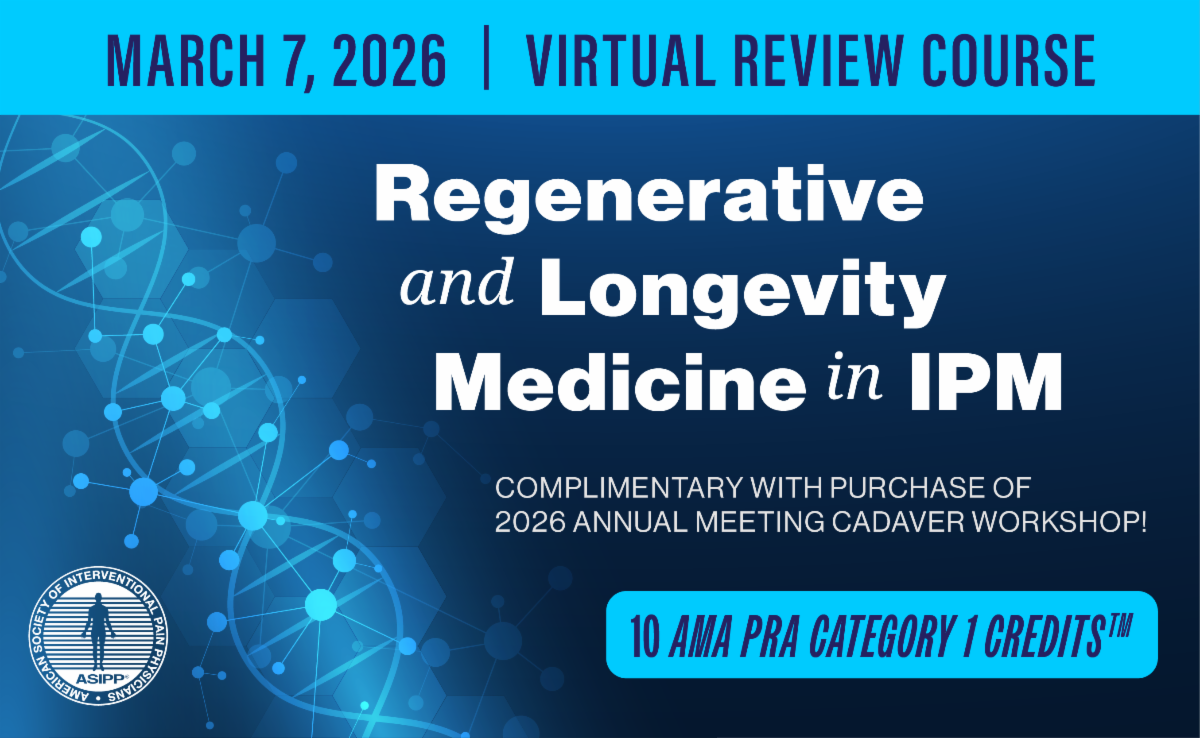
ASIPP is pleased to announce the launch of the Regenerative and Longevity Medicine Section!
This section reflects the growing importance of regenerative and longevity medicine—fields dedicated to restoring health, enhancing vitality, and extending the healthy years of life. From stem cell therapies and tissue engineering to gene therapy and orthobiologics, these disciplines are transforming the way we approach pain management and age-related decline.
Section membership offers:
- Access to ASIPP’s physician database and future data registry
- Opportunities for certification and continuing education
- Section-exclusive resources and updates
No additional cost for ASIPP members!
| | |
ASIPP is proud to launch our Resident and Fellow Mentorship Program. This initiative is designed to connect trainees with experienced pain physicians to foster professional growth, provide guidance, and strengthen the future of our specialty.
Each mentor would be paired with one to two trainees, but can take more if interested. Trainees will be responsible for initiating introductions and arranging at least one to two video calls per year. These sessions will provide opportunities for mentees to seek advice on clinical decision-making, career planning, research opportunities, and professional development.
We believe that your experience, expertise, and insight can have a lasting impact on the next generation of pain physicians. By volunteering as a mentor, you will play a critical role in shaping the future of our field and ensuring that ASIPP continues to cultivate excellence in interventional pain medicine.
If you are interested in serving as a mentor, please confirm your participation by filling out the appropriate form below.
| | |
How much time do you spend with a typical patient? It’s probably less than you’d like. The statistics tell the story; 56% of doctors spend 16 minutes or less with patients (6% spend less than 9 minutes; 21% spend 9-12 minutes; and 29% spend 13-16 minutes) according to a Medscape Physician Compensation report.
That’s a relatively short time to connect with a patient, listen to your patient’s presenting issues, make a diagnosis, and suggest a treatment plan. That time stricture is one of the reasons that the art of “bedside medicine” is more important than ever.
Why Bedside Care Matters, Especially Today
The term “bedside” is a misnomer. “Bedside medicine can refer to any kind of care – it could be the hospital, the clinic, telemedicine, a home visit, any place where care is happening,” said Brian T. Garibaldi, MD, MEHP, director, Center for Bedside Medicine, and a professor of medicine at Feinberg School of Medicine, Northwestern University, Chicago. “I think that bedside medicine is really important right now because of all the tools with AI [artificial intelligence] and LLM [large language models]. When given the right information, they can compete with the average physician in terms of diagnosis so the inputs to these systems become critical.”
Click here to read the full article.
| | |
Although the rare Alice in Wonderland syndrome (AIWS) is a neurologic condition, most often associated with migraine and epileptic seizures among others, emerging research suggests it may also be linked to certain medications prescribed for neurologic, psychiatric, and other disorders.
AIWS involves distortions in how the brain perceives the body and its surroundings, including seeing objects as much larger or smaller than they really are, as well as experiencing altered time perception and sensations of levitation.
Among 87 cases of AIWS identified from a global World Health Organization (WHO) database, the strongest signal of a drug association was found with the anti-inflammatory medication montelukast.
Click here to read the full article.
| | |
NEW 2026 Dates Announced
January 24, February 7, March 14, April 18, May 23 & June 27, 2026
Apply now!
Four (4) hour virtual exam
- ABIPP Path – Combined CCPM/ CSM Exam
For those with subspecialty in Pain Medicine
Two (2) hour virtual exam
- ABIPP Competency Exam in IPM
For those without primary board certification
Two (2) hour virtual exam
- ABIPP Competency Exam in Regenerative Medicine
Two (2) hour virtual exam
- Controlled Substance Management Competency Exam
Two (2) hour virtual exam
- Documentation, Coding, Compliance, Practice Management Competency Exam
Two (2) hour virtual exam
| | | |
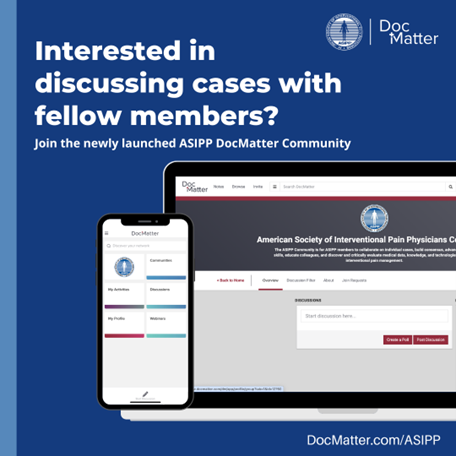
We're excited to let you know that the new ASIPP Community, hosted by DocMatter, is now live!
The ASIPP Community on DocMatter will serve as a place for members to collaborate around clinical and research topics to advance the care of their interventional pain patients.
Click here to be a part of the conversation!
| | |
Pain Medicine Case Reports (PMCR) and Editor-in-Chief Alaa Abd-Elsayed, MD, PhD would like to invite you to submit case reports and case series to the PMCR journal. Your article will be published free of charge.
Open access journals are freely available online for immediate worldwide open access to the full text of published articles. There is no subscription fee for open access journals. Open access journals are no different from traditional subscription-based journals: they undergo the same peer review and quality control as any other scholarly journal.
Interested in becoming a member of the PMCR Editorial Board?
Editorial board members are asked to review 2-6 manuscripts per year. Please submit your most up-to-date CV to sgold@asipp.org for consideration.
For more information or to submit your articles, click here.
| | |
We are excited to announce that Pain Medicine Case Reports (PMCR) journal (eISSN 2768-5152) has been accepted for inclusion in MEDLINE and PubMed, the prestigious bibliographic database of the U.S. National Library of Medicine. PMCR, a companion publication to the prestigious Pain Physician journal by ASIPP, joins its counterpart in achieving indexing in both MEDLINE and PubMed, marking ASIPP’s dual presence in these renowned databases.
The inclusion of PMCR journal in MEDLINE signifies a higher level of selectivity, as MEDLINE consists of the top 5,200 biomedical journals. This indexing also means that articles from PMCR will be searchable using NLM Medical Subject Headings (MeSH terms) and other metadata.
The selection for MEDLINE follows a rigorous evaluation process by reviewers from the Literature Selection Technical Review Committee (LSTRC). According to their criteria, the scientific quality of a journal’s content is the primary factor considered for indexing.
We extend our congratulations to the Pain Medicine Case Reports Editor-in-Chief, Deputy Editor-in-Chief, Journal Team, and Editorial Board for this achievement, which underscores the significance and excellence of this esteemed journal.
| | | | |