|
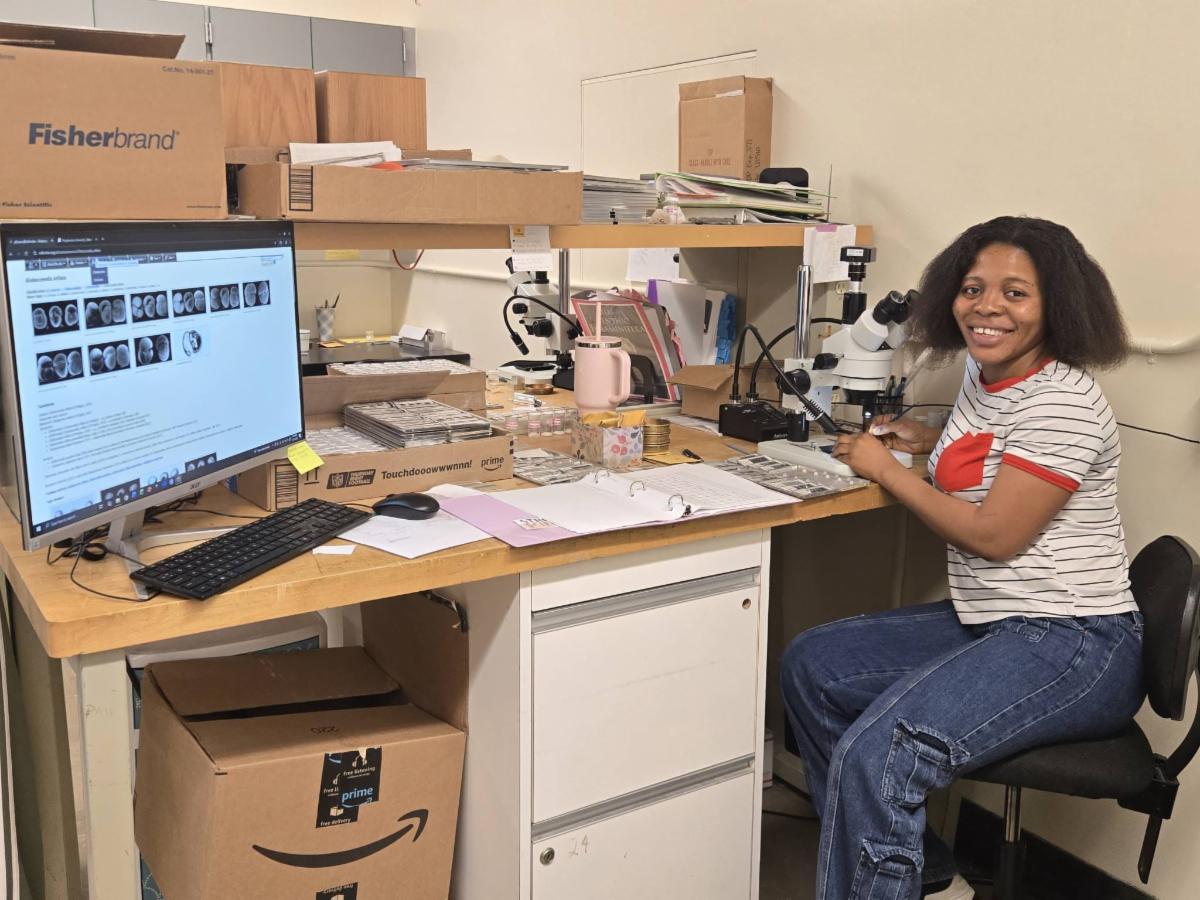
I was first awarded a GSA research grant during my Master’s program, where I worked on reconstructing Late Cretaceous past environments of the North Carolina Coastal Plain. The funding enabled me to travel and collect samples from the core repository, an essential component that made my thesis possible. This work not only contributed to a better understanding of the NC Coastal Plain during the Late Cretaceous but also helped me successfully complete my MS degree and continue on to pursue my PhD, a milestone that once felt far out of reach for me as a first-generation student and traveler.
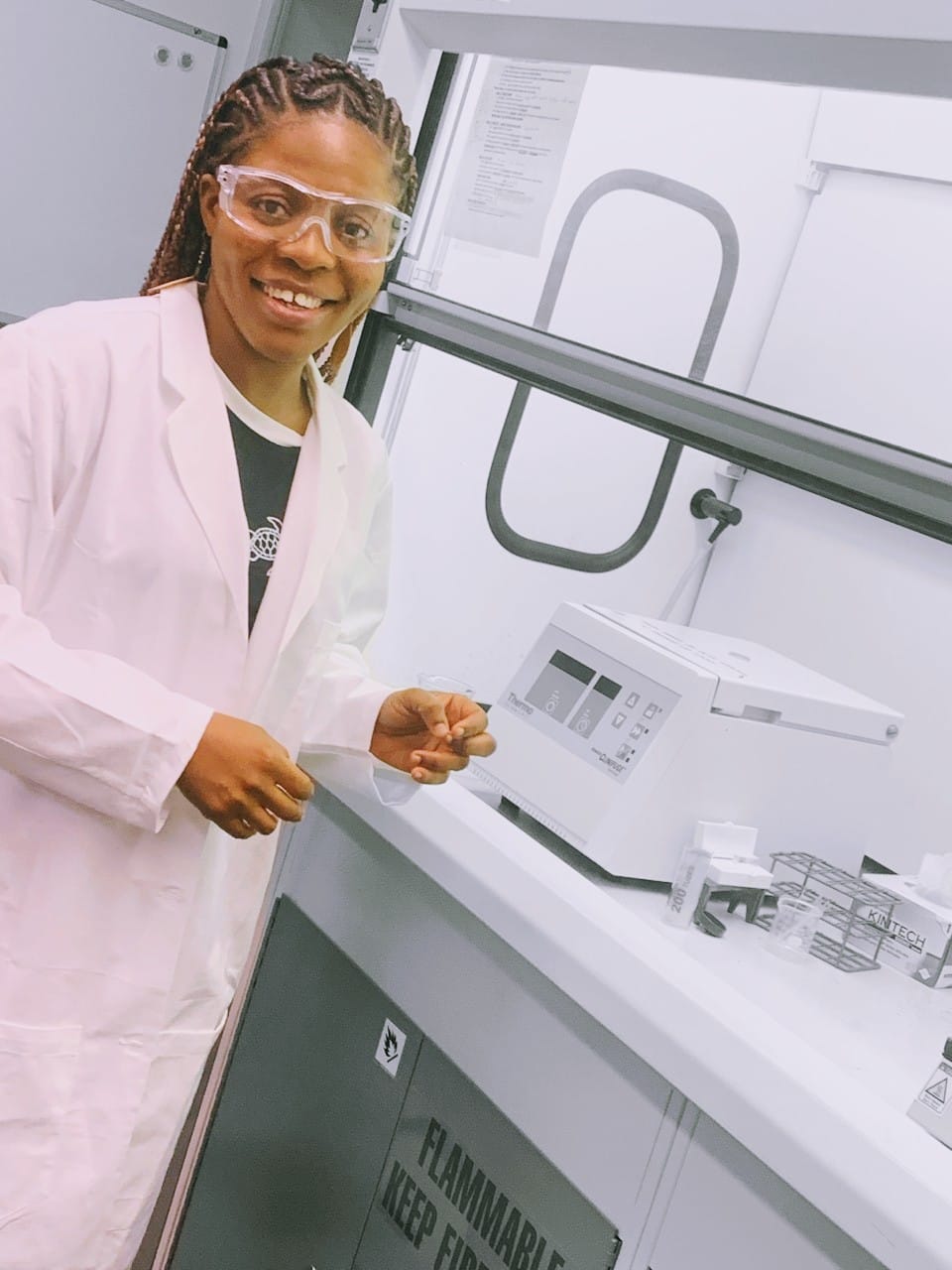
This year, I am honored to receive GSA support again for a chapter of my PhD dissertation research, which focuses on understanding the behavior of the Kuroshio Current Extension (KCE), a highly dynamic western boundary current that plays a key role in heat transport, marine ecosystems, and climate variability in the Pacific region during a warm interval of the Pliocene, the mid-Piacenzian Warm Period. The $3,000 research grant has made it possible for me to conduct all of my isotope analyses, which will help us have a better understanding of KCE's behavior during this time.
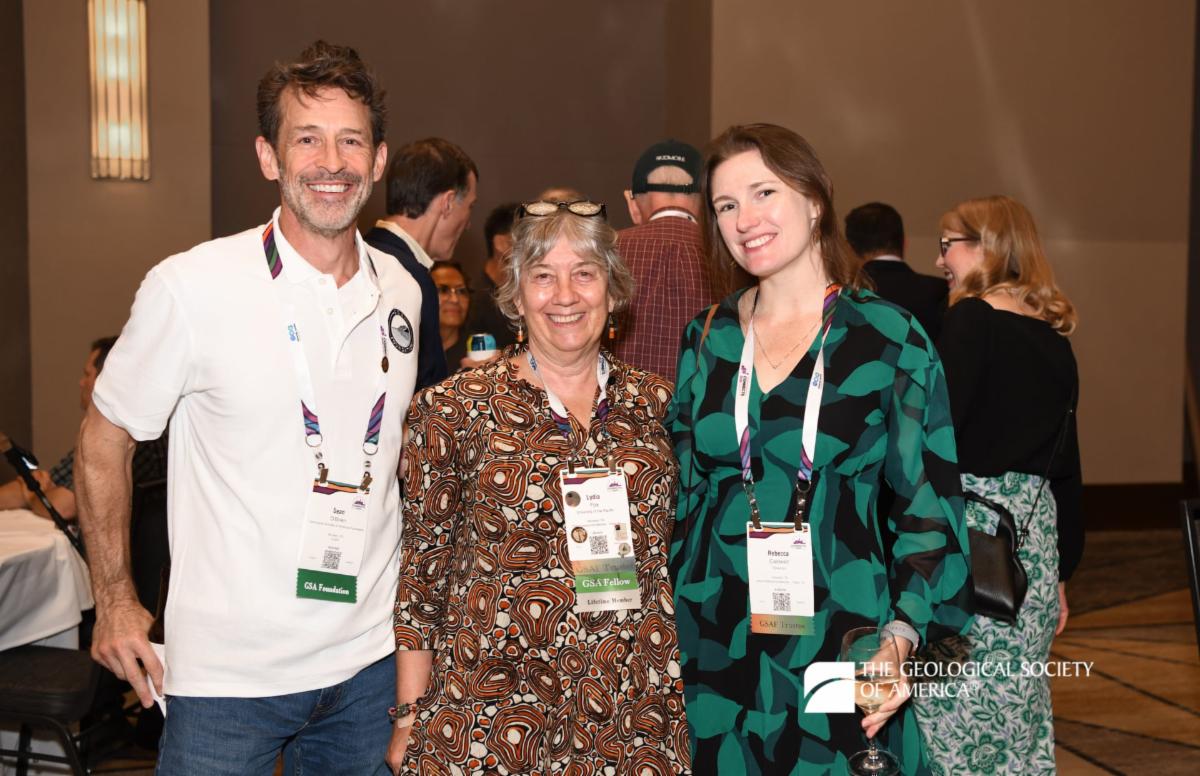
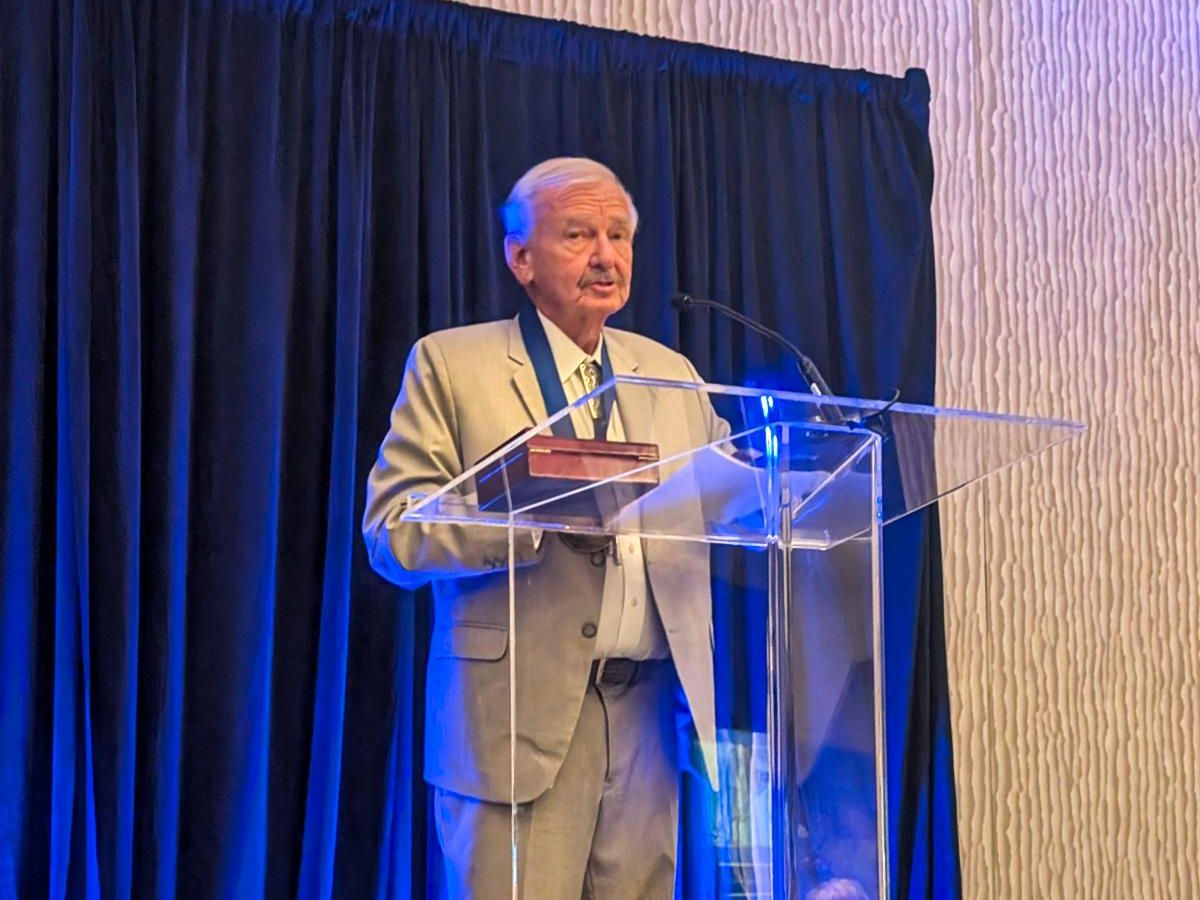
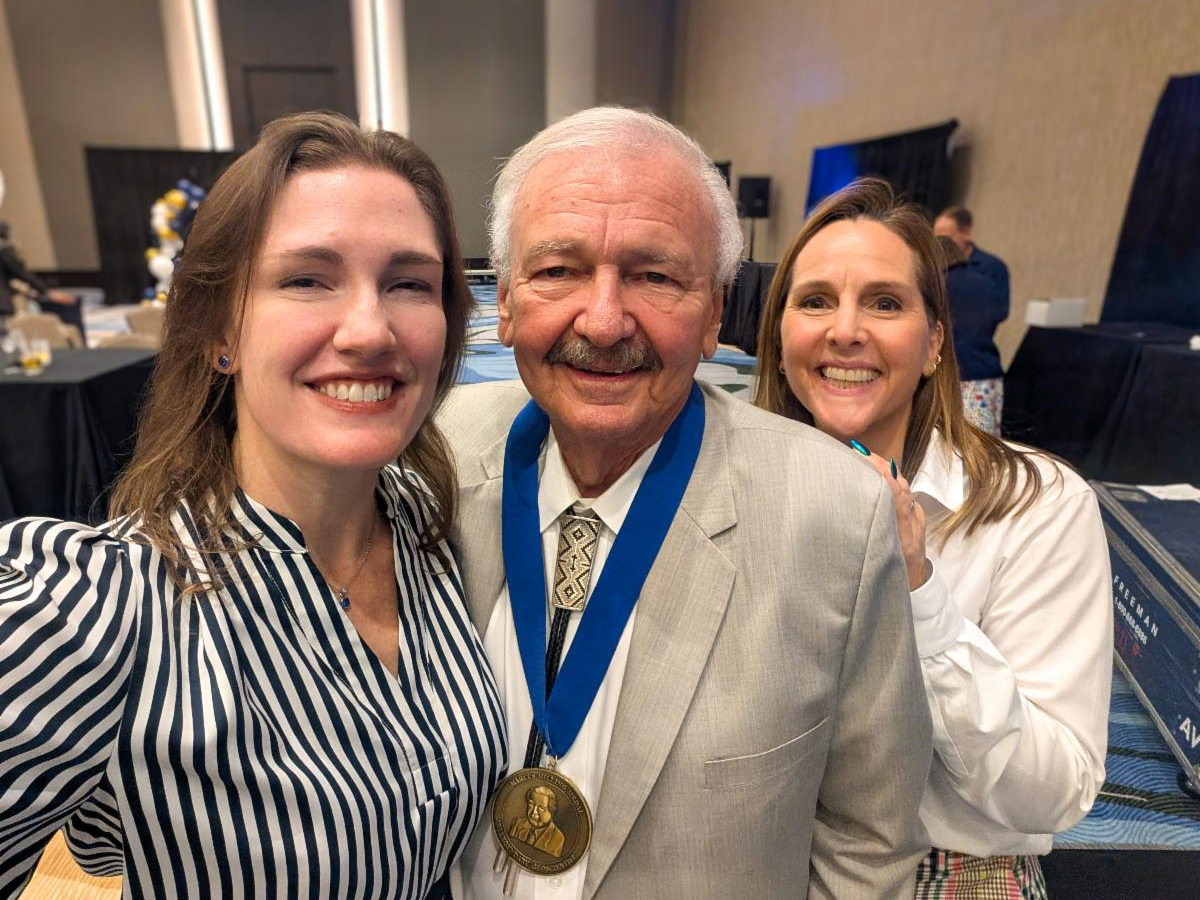
In addition to this year's award, I have been recognized as the 2025 Harold T. Stearns Fellow for my PhD research work in the Pacific. Receiving this fellowship and being celebrated at GSA Connects 2025 has been humbling, and it motivates me to continue contributing to the geoscience community’s understanding of past environments.
I am deeply indebted to the donors and supporters who make these awards possible. Thank you for everything you do for students like me and for the broader geoscience community.
|