|
Cancer News Digest, September 2026
Visit our website
CFC #11967
| | We're Speaking Out For You | | |
We want better cancer screening tests, medications, and medical devices!
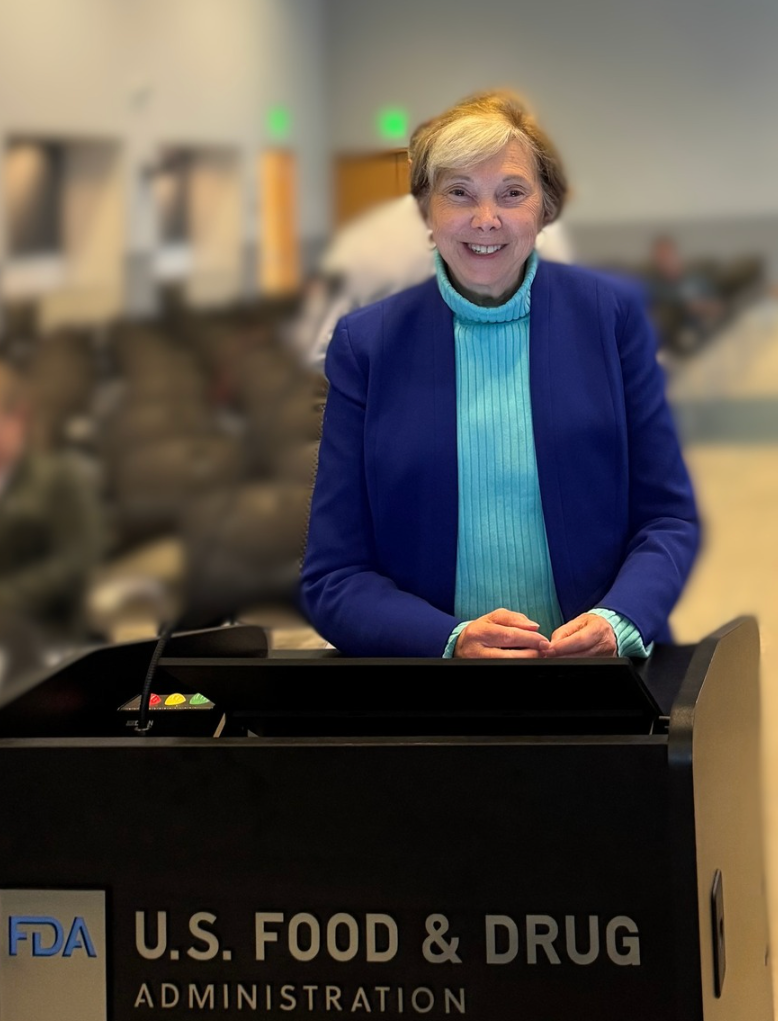
Some months are busier than others! In September, we spoke at 3 different public FDA meetings. All are very important to cancer patients.
The one that got the most attention was our comment that the widely advertised Galleri "simple blood test" for more than 50 types of cancer is "no better than a coin toss." But unfortunately, the FDA seems likely to approve it anyway, and approval could result in enormous increases in the cost of health insurance as well as long waits for more accurate cancer testing such as biopsies, mammograms, and CT scans.
NCHR president Dr. Diana Zuckerman pointed out that 2 out of every 3 people who were told the test said they have cancer actually did not have cancer. But because the test was inaccurate, those patients will spend months feeling anxious and undergoing additional medical tests before they finally find out that they do NOT have cancer. Patients and their insurance companies will pay for those additional tests, and that means we all will pay -- in dollars and in delays in getting accurate cancer tests conducted and evaluated (such as mammograms). Even more important, the many patients who were inaccurately told they had cancer will add to the already long wait times to get biopsies and scans, delaying diagnoses for patients who actually have cancer.
We also spoke at 2 large FDA public meetings regarding the user fees that pharmaceutical and medical device companies pay when they submit their new medical products to FDA for approval. In the months prior to those public meetings, we had spent hours in many smaller meetings with FDA staff, reminding the FDA that user fees should also be used to pay FDA scientists' salaries to ensure that medical products are safe and effective BEFORE they are sold in the U.S. -- and to also evaluate safety and effectiveness AFTER they are on the market. At these 2 public FDA meetings in September, we pointed out that the safety recommendations that we and many other patient and public health groups made at those previous meetings were ignored, and Pharma and device companies got what they wanted instead-- quicker FDA approval.
For more information, read about the cancer blood test in the New York Times and the U.S. News and World Report.
Read our testimony about the Galleri blood test here, or about ensuring the safety of prescription drugs here and generic drugs here.
| |
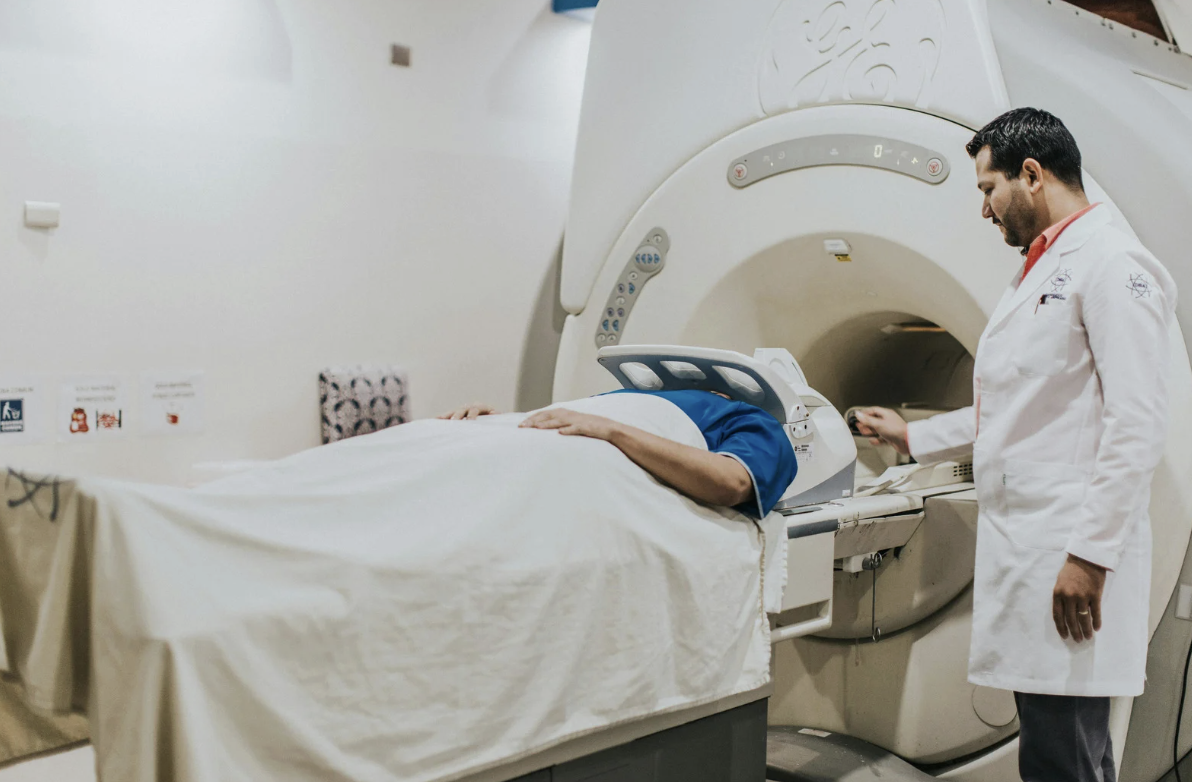
Do MRI contrast agents have risks that patients should know about?
MRIs can help doctors diagnose cancer and other serious conditions. Some MRIs use gadolinium-based contrast agents to make cancerous tumors and other medical problems easier to see.
These contrast agents can be helpful, but they also have risks. Patients with serious kidney problems face the highest known risk, and research shows gadolinium can remain in the brain, bones, skin, and other tissues. It is still unclear how often this causes health problems but is likely to be more dangerous for people who undergo these scans more than once.
Cancer patients should ask whether contrast is necessary, whether a non-contrast MRI or another test could work, and whether the benefits outweigh the risks for them. Patients deserve clear information before agreeing to an MRI with gadolinium.
Read our report here.
| | |
Why aren't cancer drugs tested on typical patients?
Clinical trials are supposed to tell us whether cancer treatments are safe and effective, but many trials exclude the types of patients who will eventually receive those drugs. Patients who are older, have other health problems, or have already received several treatments are often left out of these studies. And yet, those are the patients who often need these treatments.
For example, a recent study of 180 lymphoma patients found that most of them would not have qualified for any of the 7 recent clinical trials that led to major drug approvals.
That creates an obvious problem. If a drug is approved based mostly on data from healthier cancer patients, doctors and patients may not know how safe or effective it is for older, sicker cancer patients or those who have already tried other treatments. Patients deserve cancer drugs that are studied in the kinds of people who will actually use them.
And by the way, the same is true for studies of all kinds of treatments -- companies always get them approved based on the healthiest sick patients they can find.
Find out more here.
| |
Did you know that alcohol can cause cancer?
For years, researchers have known that alcohol can cause cancer, but very few people know that. Many preventable cancer deaths are the result. A new study shows that alcohol-attributable cancer deaths in the U.S. doubled from more than 11,000 in 1990 to more than 23,000 in a recent year.
Breast cancer was a major cause of alcohol-related cancer deaths among women, while liver cancer had the highest alcohol-related mortality among older men. Colorectal cancer was also an important cause of alcohol-related cancer deaths in both men and women.
In January 2025, the U.S. Surgeon General recommended adding cancer warnings to alcoholic beverages, but that never happened. The Alcohol industry opposed it, but the President could require that information on the labels so that everyone can make informed decisions about how much they drink.
Read about the study here.
| |
Who will pay the price for $1 trillion in Medicaid cuts?
Medicaid provides health insurance to millions of lower-income Americans, including people who depend on it for cancer screenings, medications, scans, and follow-up care. Major cuts have already started, and more are underway. And this will harm all of us, not only people on Medicaid.
One in five Americans are on Medicaid, and of these cuts will harm hospitals, doctors, nursing homes, and communities across the country since they all depend on Medicaid funding. That's why hospitals are closing all over the country, especially in rural and urban areas with many lower-income patients, making it more difficult for all patients to get the timely medical care that they need.
Workers with disabilities are less likely than other workers to have job-based health insurance and so are more than twice as likely to rely on Medicaid. Stricter requirements to be eligible for Medicaid will make it even harder for many Americans to keep their health insurance. Losing coverage can be especially serious for people who need ongoing treatment for cancer or another serious illness.
Whether you rely on health insurance through your employer, the Affordable Care Act, Medicare, Medicaid, or have no health insurance, these dramatic cuts in Medicaid will affect all of us.
Read the news article here or the medical article here
| | |
Check us out!
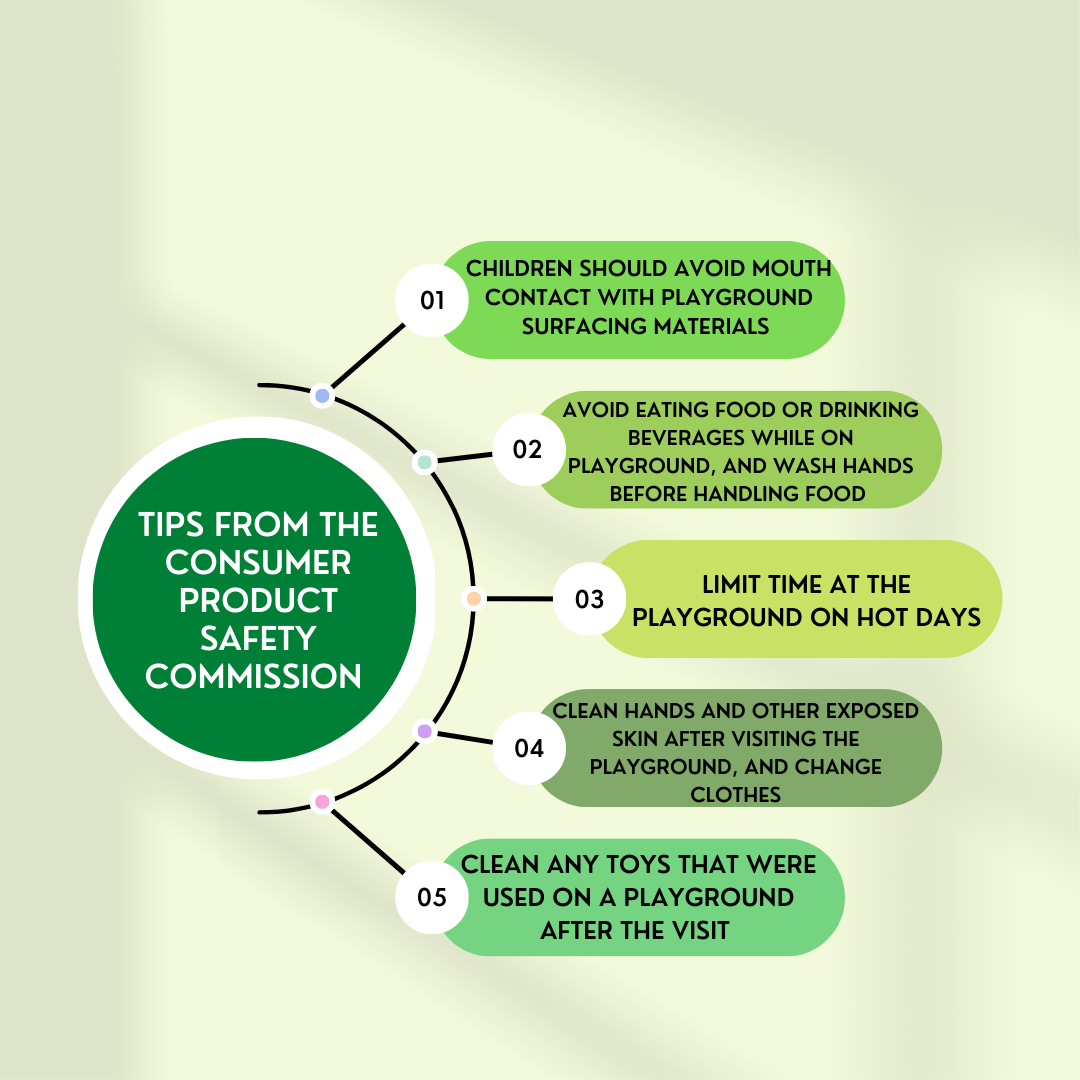
Did you know that artificial turf, rubber playground surfaces, and rubber mulch contain chemicals that can cause attention problems, obesity, early puberty, asthma, and cancer? Are your children or grandchildren getting exposed when they play? Follow us @safe.to.play
| Our main Instagram account and Threads provide free information about new medical research, programs, and policies to help health experts, patients, and the public improve the health of individuals and communities. Follow us @healthresearch4u | |
| Connect With Us on Our Other Social Media! | | |
Your Contribution Can Make a Difference
We do not accept any funding from drug companies, device companies, chemical companies, or other sources that could influence our work and compromise our integrity. That's why so many people turn to us when they need help. Donations of any size are greatly appreciated (and tax deductible.)
Please consider giving to the Cancer Prevention and Treatment Fund online or by mail to the address below.
| |
To sign up for these monthly updates, click here.
| |
Cancer Prevention and Treatment Fund | 1001 Connecticut Ave NW, Suite 1100
CFC# 11967
| | | | |