|
Dear Community:
Today, as we pause to remember the profound losses and enduring resilience of 9/11, we are reminded of the critical importance of uniting and supporting one another.
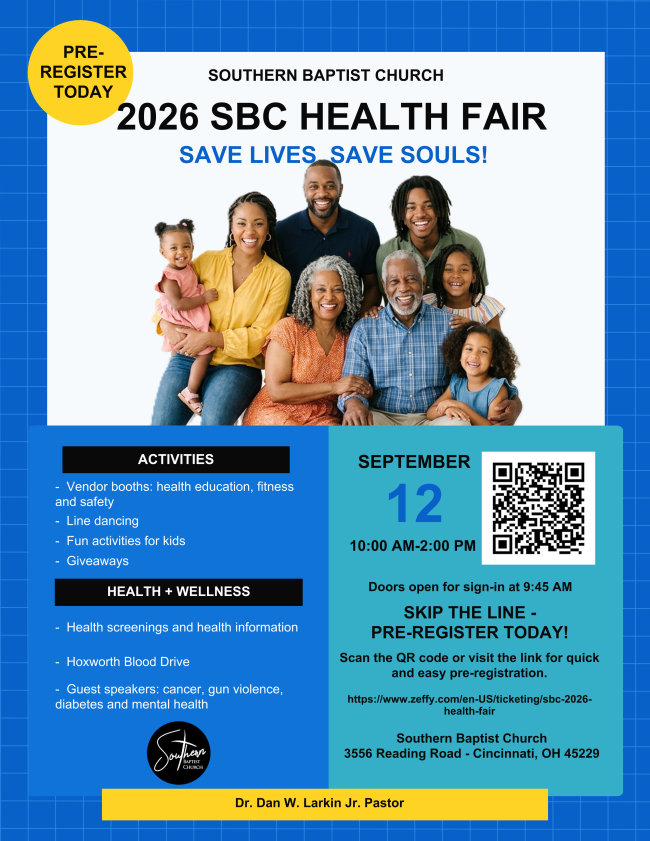
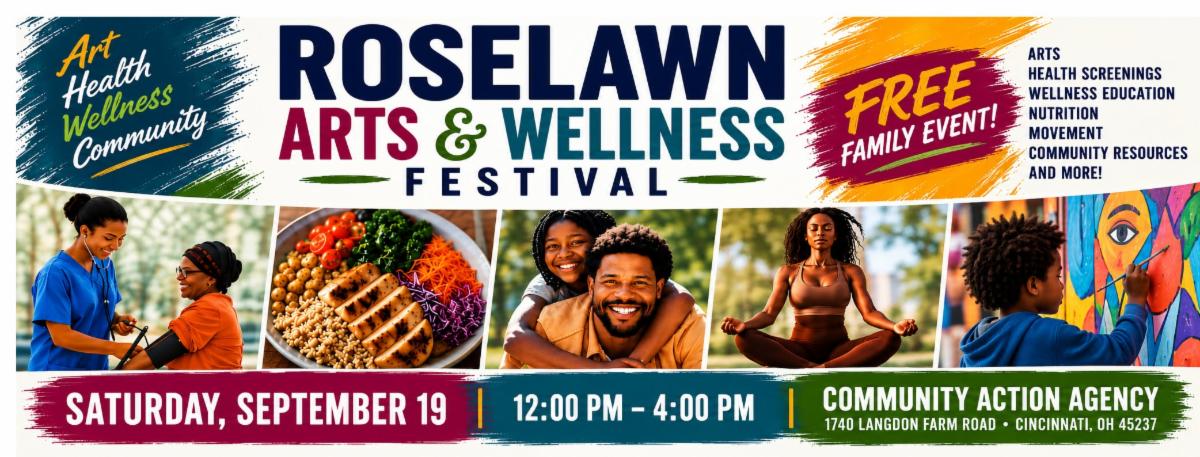
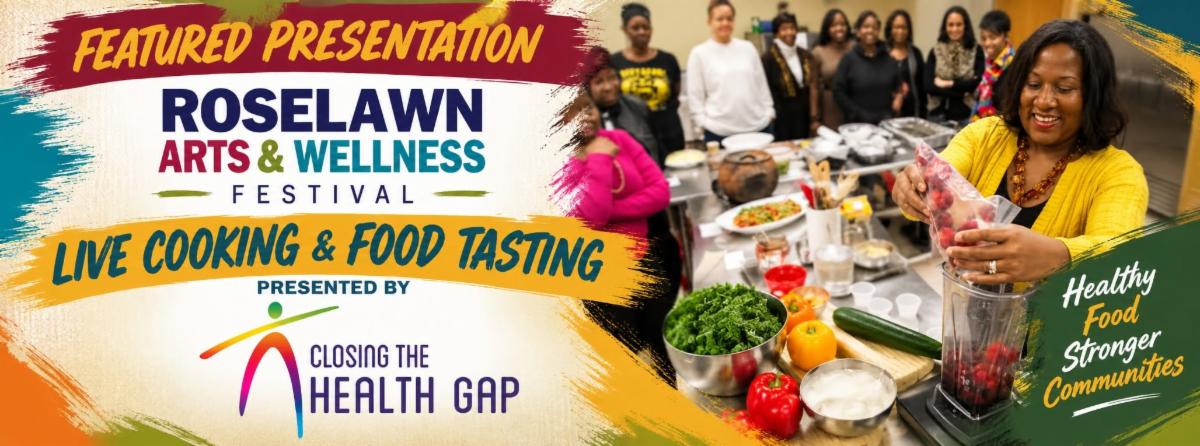
To that end, please join us tomorrow for the 2026 SBC Health Fair at Southern Baptist Church on Reading Road. Also mark your calendars for Sept. 19, when the Health Gap will host cooking and meal prep demonstrations at the Roselawn Arts & Wellness Festival from noon to 4:00 PM. And on Sept. 26, we host our next Caregivers Support Series event! Because, after all, We Must Save Us.
Blessings to all of you for a safe and healthy week ahead.
Renee Mahaffey Harris, MPH
President & CEO
| | |
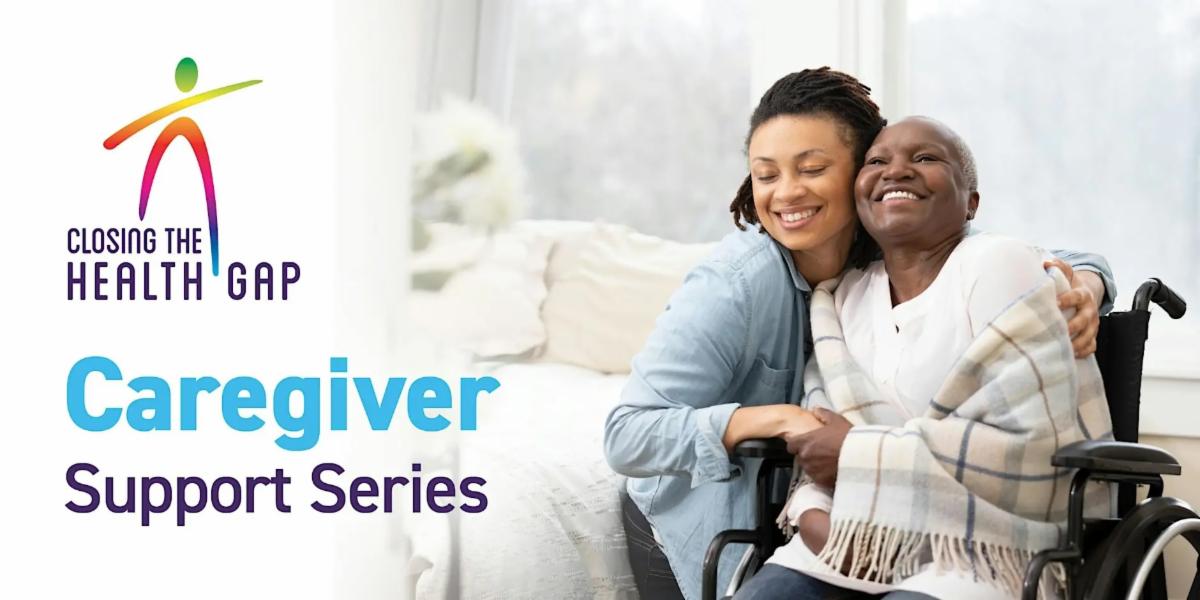
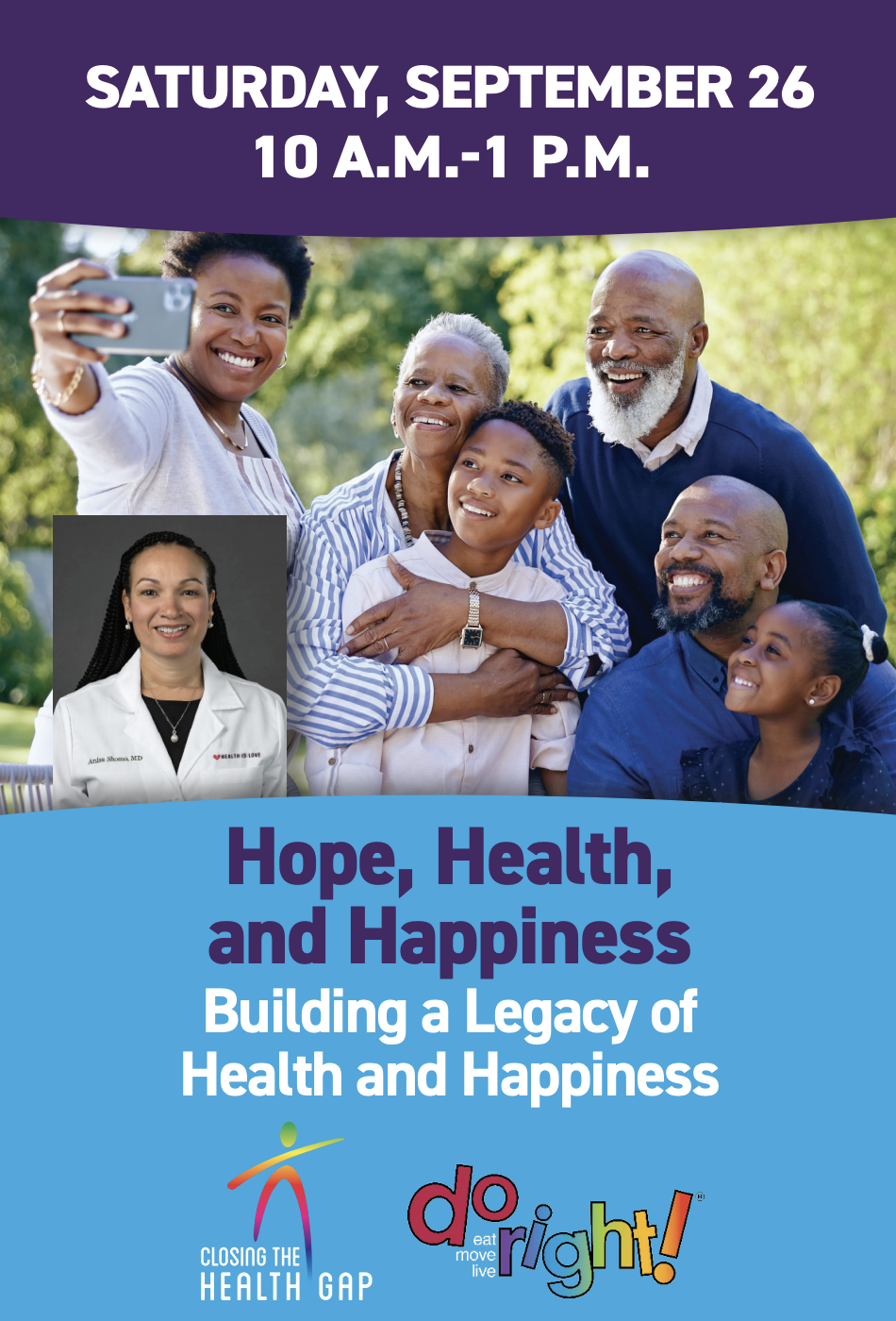
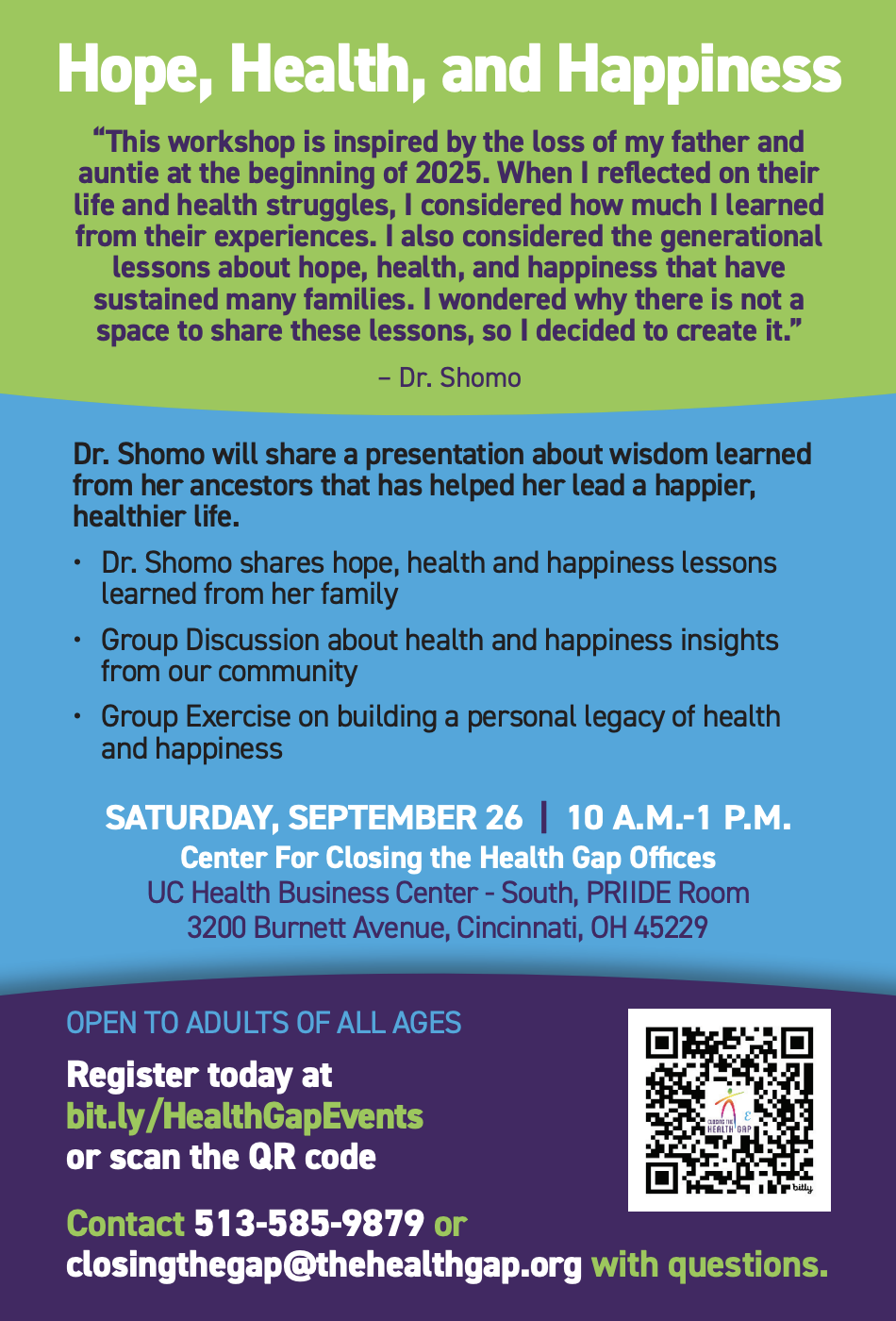
Join Us September 26 for Our Next Caregivers Support Series Event
Saturday, September 26 • 10 AM - 2 PM
Mt. Healthy Branch Library, Cincinnati, OH
Click Here to Register
As the Caregiver of a Loved One Who is 60+ Years of Age, You Deserve Help, Too
Knowing you aren't alone is just the start of how our Caregiver Support Series can help you find support and restoration. When you're responsible for an adult who's 60+ years old, you're likely left to handle some or all of the following: their transportation, taking care of their daily needs (bathing, dressing, feeding), and managing their health. You might also be responsible for preparing meals, grocery shopping, taking care of the house, and managing finances.
You love the person in your care. You want to be there for them, but caregiving takes a toll. It increases the risk of depression and illness. That's where we come in. Our series gives you a space to share what you're going through, gain coping tools, and practice self-care. Even better? You'll be surrounded by others like you in similar situations.
Did You Know?
- Black caregivers spend more than 30 hours per week providing care and may experience stress, depression, and risk of illness.
- Black caregivers need emotional, financial, and healthcare support to maintain their well-being when caring for their loved ones.
- The Caregiver Support Series gives space to share your feelings and challenges, learn new ways to cope with stress, and practice self-care. You will gain valuable information and receive support from others who are going through similar experiences.
Questions? Please call 513-585-9879 or email closingthegap@thehealthgap.org.
| |
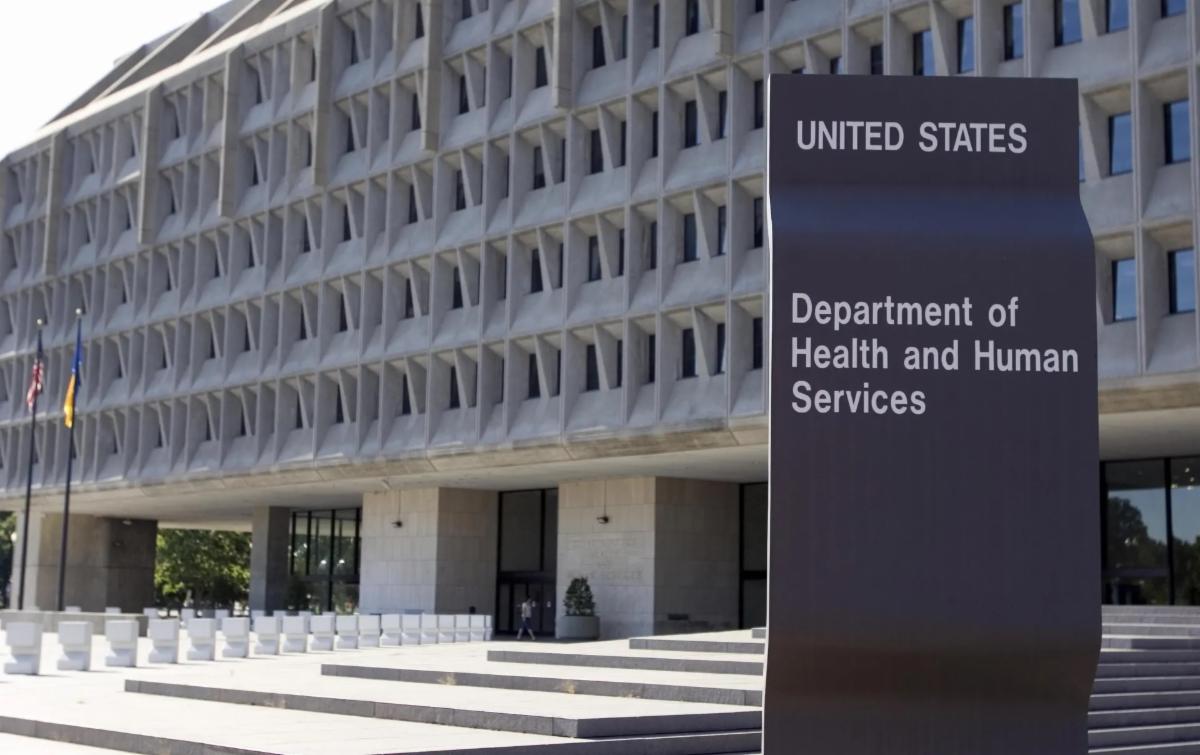
Trump Administration Cuts 16 Minority Health Grants—Here’s What That Means For Public Health
The Trump administration has terminated 16 grants administered by the U.S. Department of Health and Human Services’ Office of Minority Health, raising questions about how the federal government will address racial and ethnic health disparities.
The 16 grants, worth a combined $38 million over four years, were terminated in August after recipients had already received funding for the first two years, according to reporting from The Washington Sun. The affected programs included initiatives addressing maternal and infant mortality, postpartum care, cancer screening, hypertension (high blood pressure), suicide prevention as well as obesity among Native American youth.
HHS has stated that future grants that will be awarded should align with priorities addressing what the agency describes as “root causes” of infertility and the promotion of physical activity and exercise. Here’s how these changes could impact public health.
| |
Social Determinants of Health in Early to Mid-Adulthood and Risk of Early-Onset Stroke
Despite advances in medical therapies, stroke remains one of the leading causes of morbidity and mortality globally and in the United States. Of particular concern, the incidence of stroke among younger adults has been increasing in recent decades. The underlying drivers of this trend are uncertain. Although younger patients with stroke have a greater prevalence of nontraditional stroke risk factors, other research has shown high rates of antecedent traditional risk factors8 and rising rates of traditional vascular risk factors during this time period.
Even if worsening traditional vascular risk factors are proximate contributors to strokes among younger adults, the upstream drivers of these risk factors are not well understood. Given widening inequality and health disparities in the United States and data suggesting that the effects of disparities are concentrated among younger adults, one possible theory is that worsening upstream social determinants of health (SDOH) earlier in life are leading to increased incidence of early-onset stroke concentrated in more vulnerable populations.
|
How To Close The Longevity Gap In America
What if the greatest barrier to longevity isn’t what medicine doesn’t know—but whom our systems have failed to reach? In Washington, D.C., caught up with actor, author and advocate Hill Harper and Sandra Bruce Nichols, M.D., Founder and CEO of The Samaritan Health Project, Inc., for a pivotal conversation about who gets to live longer, healthier lives in America and why. The discussion was hosted by Creating Healthier Communities (CHC), whose work is focused on addressing barriers to health and creating stronger, healthier communities.
Against the backdrop of the nation's capital—where policy, power and public priorities converge—the conversation moved beyond the familiar language of health disparities to confront the forces beneath them: access, incentives, poverty, proximity and power.
Drawing from his deeply personal experience with cancer, generations of physicians in his family, his work in underserved communities, and his belief in the transformative power of storytelling, Harper made an urgent case for moving from intention to action—and from talking about communities to standing alongside them. At the center of the dialogue was a question with profound implications for America’s longevity movement: What good is extraordinary medical innovation if the people who need it most never experience its promise?
|
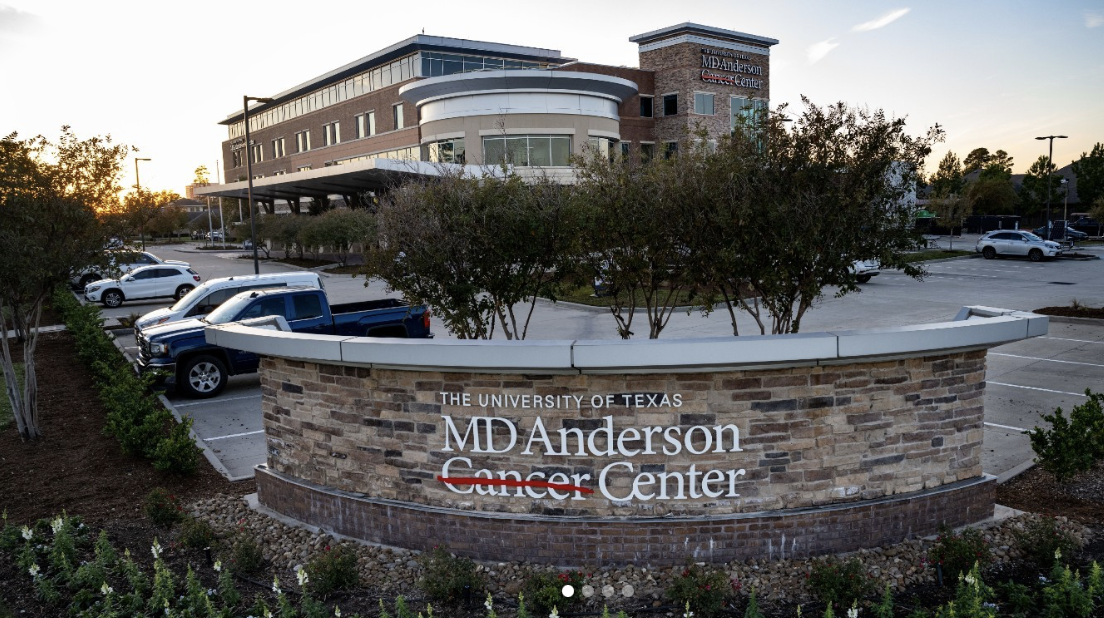
Health Risks: Study highlights impact of race and income on cancer chances
In Travis County, cancer disparities are particularly stark for African Americans. Though cancer incidence rates for Black and white people are about the same, Black people are 18% more likely to die from cancer, according to the Centers for Disease Control and Prevention.
Nationwide, people of color and lower-income populations are more likely to develop certain cancers, figures show: African Americans are more likely to develop or die from 14 cancer types than white people, while Hispanic people are at greater risk than whites for 11 cancer types, according to the recently released American Association for Cancer Research’s 2026 Cancer Disparities Progress Report. While some disparities have narrowed since 2000, the 2026 report shows that significant gaps still exist and warns that recent cuts to federal funding for cancer research could compromise the progress underway.
|
Nearly 1 in 5 Medicaid-eligible Adults in Expansion States Are At Risk of Losing Health Coverage Due to Insufficient or Inconsistent Work Hours
Up to 10 million people may lose Medicaid coverage in the United States due in part to new work requirements and eligibility redeterminations under the One Big Beautiful Bill Act (OBBBA), which mandates a reduction of nearly $1 trillion in Medicaid spending over a decade. While the administrative burden associated with meeting and maintaining these work requirements is expected to be the primary driver of disenrollment, a new study led by researchers at Boston University School of Public Health and the Arnold School of Public Health at the University of South Carolina (Arnold School) found that millions of Medicaid enrollees may lose their health coverage due to an inability to achieve the required work hours.
Set to take effect nationwide on January 1, 2027, the new federal rules on Medicaid work reporting requirements mandate that adults enrolled in the Affordable Care Act’s Medicaid expansion must show that they are working, volunteering, enrolled in school, and/or participating in job training for at least 80 hours per month, with certain groups exempt. But the new study found that nearly 20 percent of Medicaid-eligible adults living in states that expanded Medicaid are at risk of noncompliance because they are likely unable to fulfill the minimum required hours once the rules take effect.
|
Health care spending gap between high- and low-income Americans widens, study finds
A new study led by a University of Chicago researcher finds health care spending in the United States has increasingly diverged between high- and low-income Americans over the past two decades.
The analysis shows that through 2023, spending has grown faster for high-income Americans, particularly in outpatient care and prescription drugs. This gap may signal growing differences in access to and use of health care across income groups.
The research, published in the journal Health Affairs, builds on earlier work that documented similar income-based differences in health care spending extending back to the 1960s. That prior research found spending gaps narrowed for several decades before beginning to widen again in the early 2000s, the last years included in that study.
|
Addressing Racial and Ethnic Disparities in Pain Management for Rheumatic Disease
Racial and ethnic disparities in pain management have been reported across a range of populations and settings, from pediatric patients in the emergency department to older adults with cancer. The Centers for Disease Control and Prevention (CDC) noted the need to address these disparities in their 2022 opioid prescribing guidelines.
While there remains a dearth of research on this topic specific to its impacts on rheumatology patients, the limited available evidence shows racial and ethnic disparities across multiple rheumatic disease diagnoses.
In a 2025 retrospective study of nearly 20,000 patients with chronic non-cancer pain, including some with osteoarthritis (OA), the results revealed significantly lower odds of referral to pain specialists for non-Hispanic Black (odds ratio [OR], 0.72) and Hispanic (OR, 0.40) patients compared to non-Hispanic White patients. 5 The odds of receiving opioid therapy were also comparatively lower among non-Hispanic Black (OR, 0.75) and Hispanic (OR, 0.47) patients.
| | | | |