Get Involved With VEG
Membership | Subscribe
 
 
NEWSLETTER 193
 
VIRTUAL EVENTS GROUP
 

Events Changing Hands: Informa is in the process of buying Ascential, the owner of the Money 20/20 and Cannes Lions conferences. Hyve Group is purchasing the Possible conference. What do these deals mean to the meetings and events industry, asks Skift in this article.


SEPTEMBER 19 | 3:00PM | ZOOM
 
Making AI Work for You
 
Are you getting the most out of your AI prompts? Join us on Sept 19th at 3PM Eastern as our experts including Mike Colombo, a UX designer and course creator, and Gary Oppenheimer, the founder of the not-for-profit Ample Harvest, take you through their way of using prompt engineering.
 
RSVP NOW!
 
 
How to Be Heard


Alfred Poor, our technical editor, takes center stage in this issue with his tutorial on microphones.


Whether your presentation is on site or online, live or recorded, one of the most important factors to consider is to make sure that you can be heard. Audiences will put up with a lot, but if they have to struggle to hear what you’re saying, they’re going to give up quickly. One key to being heard clearly is the microphone that you use. Different microphones work best in different settings; here are some of the basic differences.


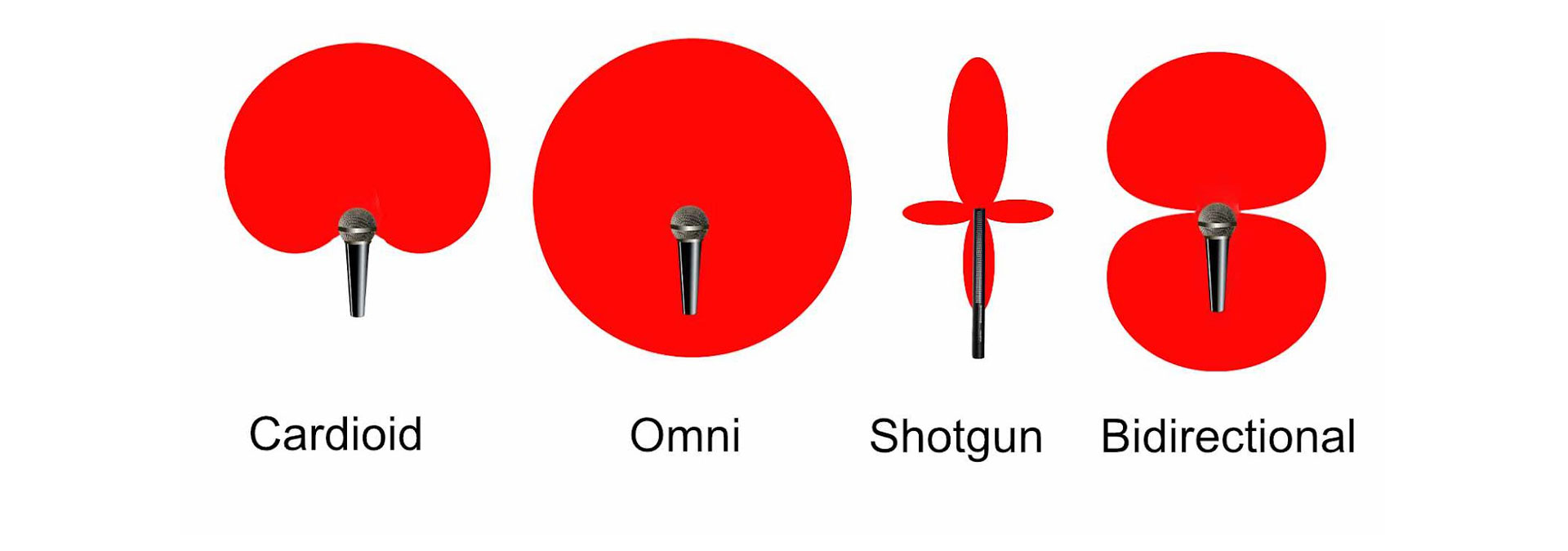
No, it’s not a Rorschach test, it’s a microphone guide. 


Many popular mics have a “cardioid” pattern. This refers to the heart-shaped zone of sensitivity shown in the diagram above. This means that it picks up sounds that are directly in front of it, and the sensitivity drops off as the sound source moves to the sides. And a cardioid mic picks up very little sound that comes from directly behind it. One example is the Shure MV7+, the latest version of the mic used by many podcasters.


Other mics offer an omnidirectional pattern, which means that they are equally sensitive in all directions. This can be handy when you have two or more people seated at a table and want to use one mic. The popular Blue Yeti offers this pattern.


In some settings, you might not want the microphone to be visible in the video frame. Lavalier mics (also known as “lav mics”) are unobtrusive and can come in cardioid or omni versions. Another choice is to use a “shotgun” mic. These typically are long and thin, and have a supercardioid pattern that largely ignores all sounds except from directly in front of it. This means that you can put the mic back alongside your camera and still get good sound quality. Røde makes excellent microphones, including their NT64+ shotgun model that’s even USB.


Some mics have other patterns, such as a bidirectional pattern that is sensitive in front and back, but not on the sides. This can be an efficient choice for interviews. And you’ll find some mics that offer multiple patterns. For example, you can switch the Blue Yeti between cardioid, omni, and bidirectional patterns,which is why it has been a popular workhorse for podcasting and other applications.


To find out more about these and other hardware that can make your events better, be sure to explore the VEG online database.


A Behind the Scenes Guide to Tech-Crazed Olympics 


We watched thousands of amazing athletes compete during the Olympics, but few of us paid much attention to the “folks behind the curtain." The unsung heroes behind the scenes bring innovation to how we view, and how athletes experience the Olympics. Partnerships, new technologies and the mission to always be making it a better experience drives Olympic coverage. And as the 2024 Olympics close, the tech team is already looking at new approaches  to propel the next Olympics. 


One of the wizards of making the magic possible is Yiannis Exarchos, the head of the Olympics Broadcast Network. In their blog, the  Sport Video Group looks behind the scenes at how storytelling is central to the Olympics. Says Exarchos, “We’re doing much more production, which provides more access to the athletes and emotions. We produce more content behind the scenes including the preparation of the athletes, and the reactions among the athletes themselves when they warm up, when they train. And all that’s facilitated by technology as we have cameras which are not so intrusive, more reliable, and 5G transmissions.”


Omega, the famous watch company, supplied computer vision systems to accurately track athletes and other objects recording various performance metrics. For beach volleyball, for example, this includes the distances covered by each player, the speed of the players and the ball, the unique player techniques, including jump heights, and the type of shots, from smashes to blocks and spikes.


Remote controlled robotic cameras made it possible to get underwater shots of the aquatic events. Intelligent stroboscopic analysis, across a large number of athletics and gymnastic events, used AI to help the viewers understand the biomechanics and complex movements of the athletes. AI was also used in motion-tracking technology and to generate data graphs. Intel's AI-powered 3D Athlete Tracking (3DAT) system — first used during the Toyko Olympics 2020 — was used again to help athletes understand their motion better and gain insight in real-time. Drones were also essential in broadcasting to capture unique perspectives with aerial shots of athlete performance, the stadiums, and the surrounding landscape. During sporting events such as road cycling, marathons, and canoeing, these devices provide invaluable footage following the participants through different terrains. Slow-motion cameras captured the milliseconds-long difference between first and second place. 


Alibaba's Cloud technology helped monitor everything from air pollution to energy consumption. AI powered chatbots provided the 1,000 athletes with answers to all of the logistical questions. 


Millions watched the Olympics on TV but it was far from the only way to watch. There are a lot of other ways to align with Olympic content that can often be very impactful. Social media and podcasts offered real-time engagement with the events but also with the athletes. 


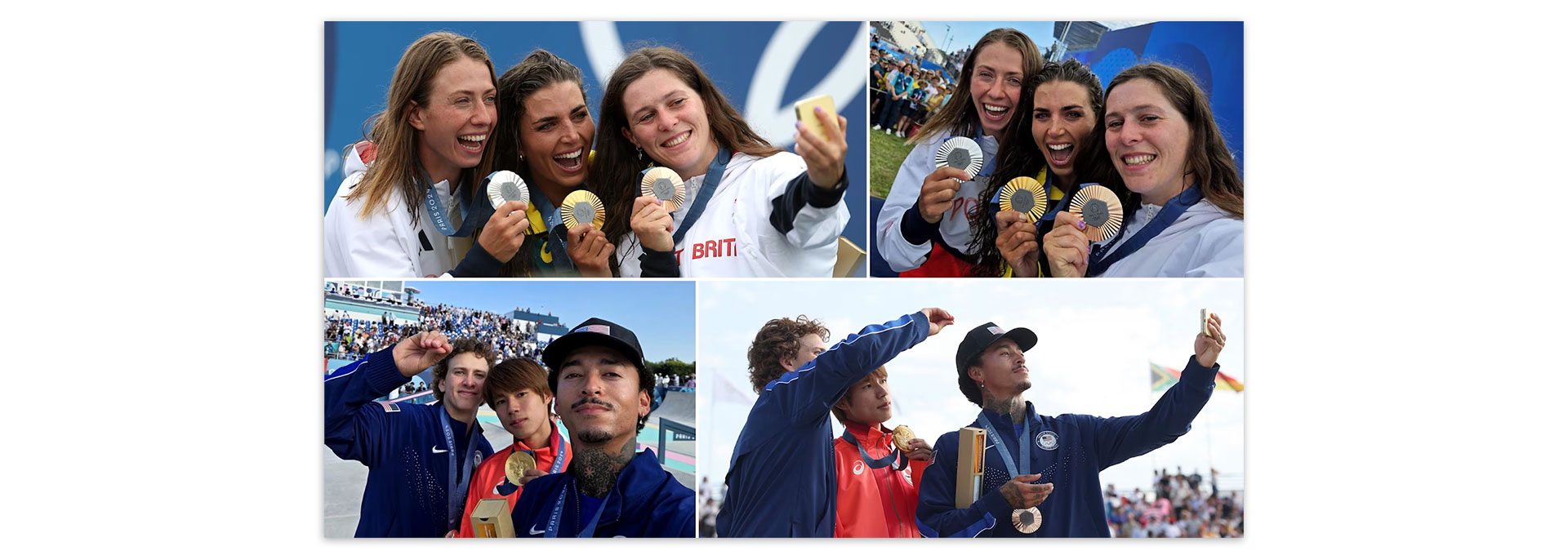
Samsung provided Galaxy phones to all of the competitors for the selfie shots. 


On more of a biohacking level, wearable sensors detect clean hits in a bout of fencing or a round of tae kwon do. And Olympic athletes use motion tracking, microcurrents and lactic acid monitors to improve form, speed up recovery and prevent injuries.


While the IOC (International Olympics Committee) rakes in millions in sponsorships, very little of that trickles down to the athletes. Forbes dissected the growing importance of TikTok and other social media as a means for Olympic athletes to compete for virality as well as in their given sport. 


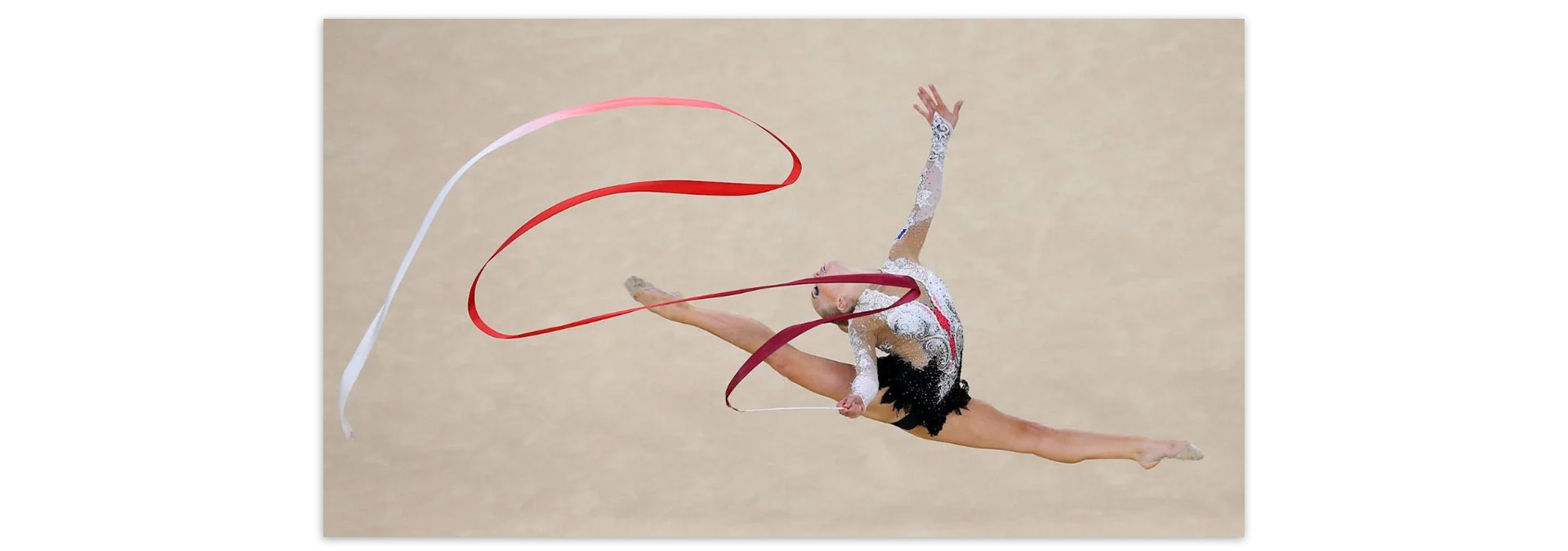
Rhythmic gymnastics as captured by drone. Image credit: Olympics
 
 
And if you’re looking for the less obvious reasons the Olympic is an event to behold, read Rohit Bhargava’s look at the less obvious side of what makes the Olympics a star. 
 
 
Scuttlebutt


While the Virtual Events Group continues to offer you programming, newsletters, and expert product advice about “tech-forward” meetings and conferences, we also practice what we preach by creating some unique experiential events. Here’s a guide to our upcoming calendar. Get in touch to find out more about how you can get involved.


An Event Badge That’s Smart and Wearable

Will Curran’s winning pitch at the CEMA show promoted Bizzabo’s Klik badge. The badge allows you to make connections just by clicking to share contact information with each other. The badge lights up when you connect, making it fun to connect with new people. And the badges can be recycled to reuse at other events, and they also feature access control and data tracking. It’s the birth of the smart event badge. Listen to Will’s  pitch.


SXSW Panel Picker
SXSW is pretty smart about how they choose the panelists and topics presented at their Austin show. They start with a vote, which is sort of a popularity contest for your session idea. In doing so, everyone who wants to speak at the show starts a frenzied “Vote for Me” campaign, amplifying the event and providing SXSW organizers with a sizable mailing list. 


At VEG, we’re all in. Our topic this year is super-important because the one commonality we all share is that we are all getting older. With our colleagues at AARP (AgeTech), Mynd Immersive and Select Rehabilitation, we are proposing a panel focused on how seniors can use VR to prevent feelings of loneliness and isolation, for physical and occupational therapy and create a sense of community. So please vote for us (registration required, of course).


Immersive Sports 
Sports Business Journal put the spotlight on Edge Sound Research in its crosshairs this week. Edge is making sound an integral part of the immersive experience at its events. One example is how it attaches a transducer to a seat in a stadium that’s wired to the venue’s sound system. They’ve figured out how to align its vibrations with the seat’s material, creating master-grade audio that emanates from your seat. The sound that’s transmitted can be as intimate as the bounce of a basketball, says the company. The same technology can turn walls, couches, or seat cushions, into sound machines by manipulating vibrations. 


Sign up to get us in your inbox.
 
Get the
Most Recent News
 
SUBSCRIBE
 
 
LINKS
 
Home
Platforms
Tools
Productions
Events


Contact Us
 

Robin Raskin | Founder
917.215.3160 | robin@virtualeventsgroup.org

Gigi Raskin | Sales/Marketing

917.608.7542 | gigi@virtualeventsgroup.org