The Procurement Pulse

October 2026 Edition

INSIDE THE PROCUREMENT PULSE

NEWSLETTER

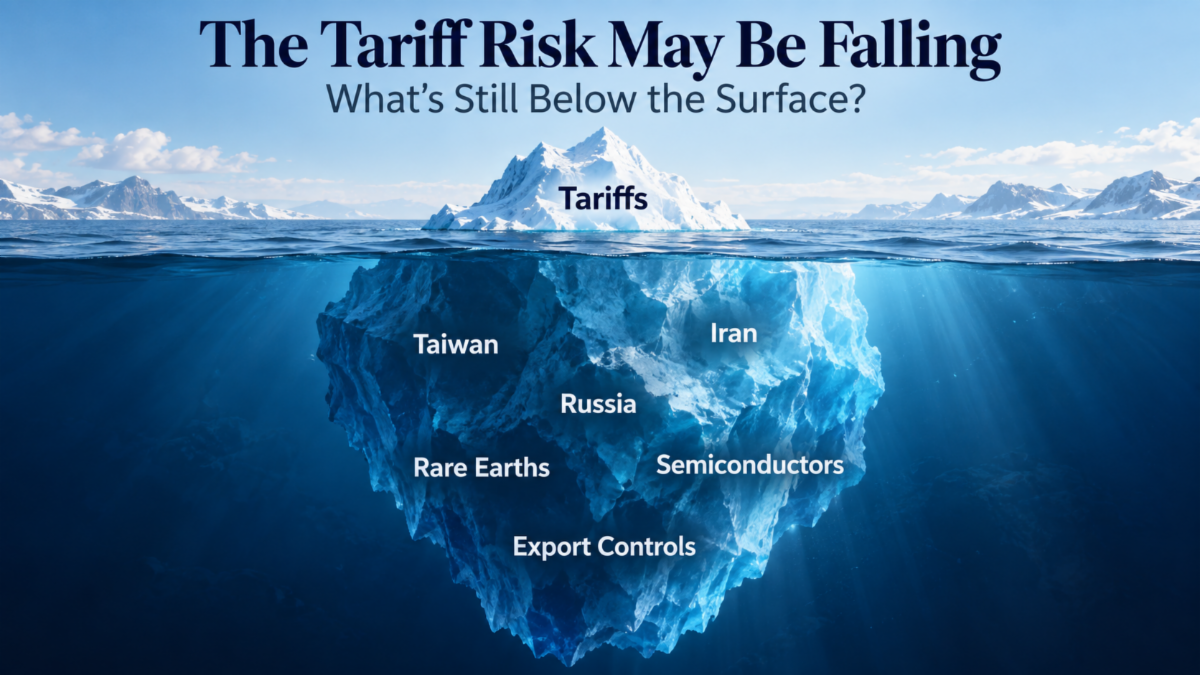
Trump Xi China Update: Tariff Risk Is Falling, but Has China Strategic Sourcing Really Become Less Risky?

For procurement teams sourcing from China, the latest meeting between President Trump and President Xi delivered some welcome news. The immediate risk of another major tariff escalation appears to have declined.


The United States and China agreed to pursue reduced tariff treatment on $30 billion of goods in each direction, while extending the existing trade truce for another two months. The two countries also established additional forums for discussions around trade, investment, and artificial intelligence.


That's positive news for procurement. But it raises a bigger strategic sourcing question: has China sourcing actually become less risky, or have the two countries simply found new reasons to temporarily manage their differences? We look beyond the tariff headlines at the geopolitical risks, supply chain dependencies, and economic motivations driving both sides—and what procurement teams should do next.

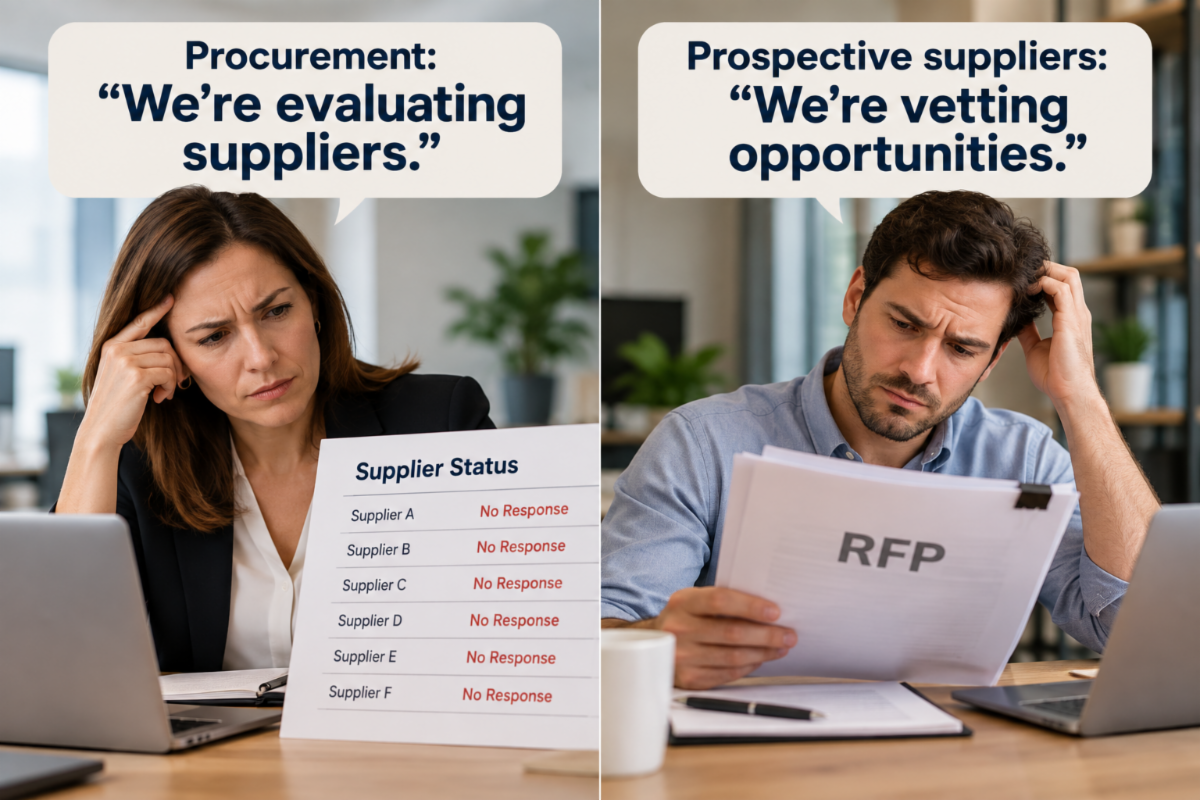
Why Suppliers Are Dropping Out of Your RFP Before They Ever Quote

Procurement teams often assume that identifying enough qualified suppliers and sending out an RFP is enough to get the market's attention. That assumption is becoming less reliable.


In many categories, the real constraint isn't production capacity—it's the bandwidth of a supplier's sales, estimating, and engineering teams, who are being flooded with RFQs driven by nearshoring, tariffs, and supply chain realignment.


Suppliers are now qualifying customers aggressively and deciding fast which opportunities deserve their attention, which means your RFP is competing for supplier attention before suppliers ever compete for your business.


This article looks at how procurement can improve supplier engagement throughout the sourcing process—from initial outreach and qualification through RFP response and final selection—to keep more qualified suppliers in the game.

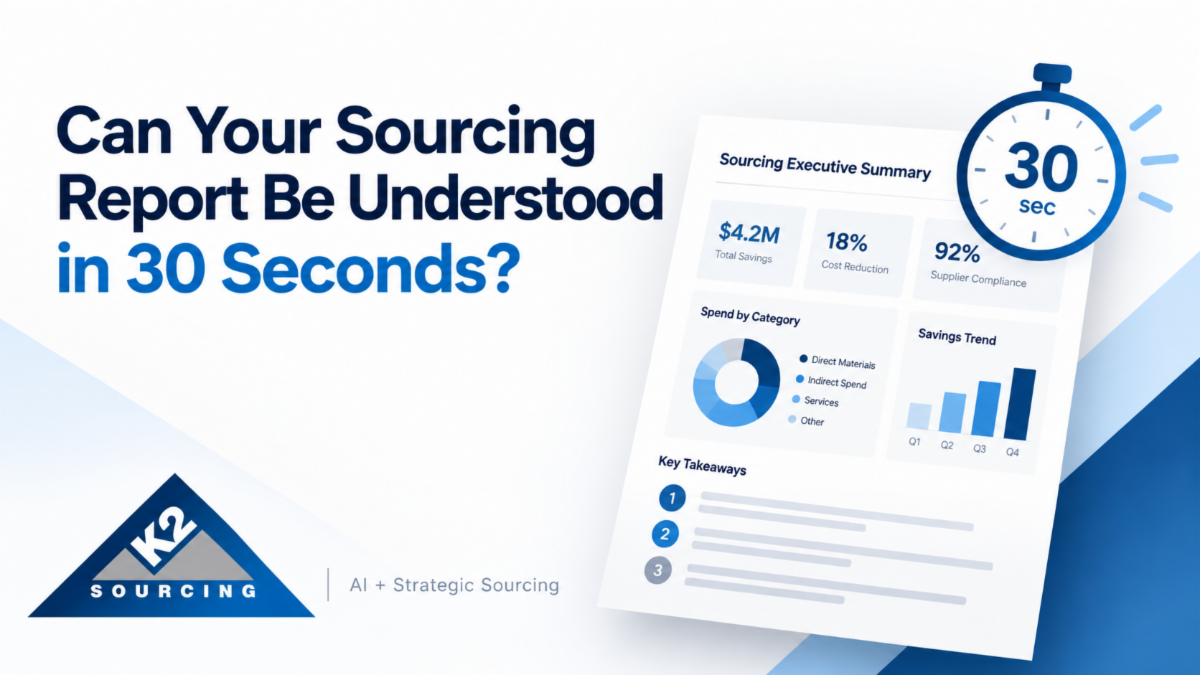
AI Use Case: Can Your Sourcing Report Be Understood in 30 Seconds by Your Stakeholders?

Procurement teams can spend weeks developing an RFP, normalizing pricing, and building a sourcing recommendation.


Then the report reaches a stakeholder who has about 30 seconds to figure out:


  • Which supplier offers the best economics?
  • How much can we save?
  • What are the major differences between suppliers?
  • What risks require attention?
  • If the recommendation means changing suppliers, how difficult will that change be?


There's another equally important question: is the analysis behind the report actually right? A polished sourcing report can still hide an incorrect formula, a missed pricing outlier, or a conclusion that doesn't quite match the supporting detail.


This article looks at how AI can serve as a quality control layer for sourcing analysis, with real-world examples, a self-check list to gauge your report's quality, and a link to get feedback from the K2 Sourcing agent.

Want to See How Your RFP / RFQ Report Holds Up?

K2 Sourcing can run one of your RFP / RFQ reports through our AI supported review process and provide initial feedback at no cost. We can look for potential errors, missing information, outliers, reporting issues, and opportunities to make the analysis easier for your stakeholders to understand.


We use Fillout, a forms and surveys app, to collect the basic information about your sourcing event and route the uploaded report to the K2 Sourcing team for review.


Concerned about confidentiality? We will keep your information private. You are welcome to redact information before submitting the report or contact K2 Sourcing at info@k2sourcing.com directly to discuss.

Did you enjoy this newsletter? Forward it to colleagues and friends so they can subscribe too.


Contact Us Today!

+1 (877) 824-9809

LinkedIn    Email    Web