Wildlife Futures Program Quarterly Report |
| | | From October to December 2025, the Wildlife Futures Program has been active in providing wildlife health surveillance, essential disease diagnostic services, and educational opportunities, all while continuing research to protect native species in Pennsylvania. This report highlights just a few of the impressive accomplishments our team has achieved over the last three months! | | | | |
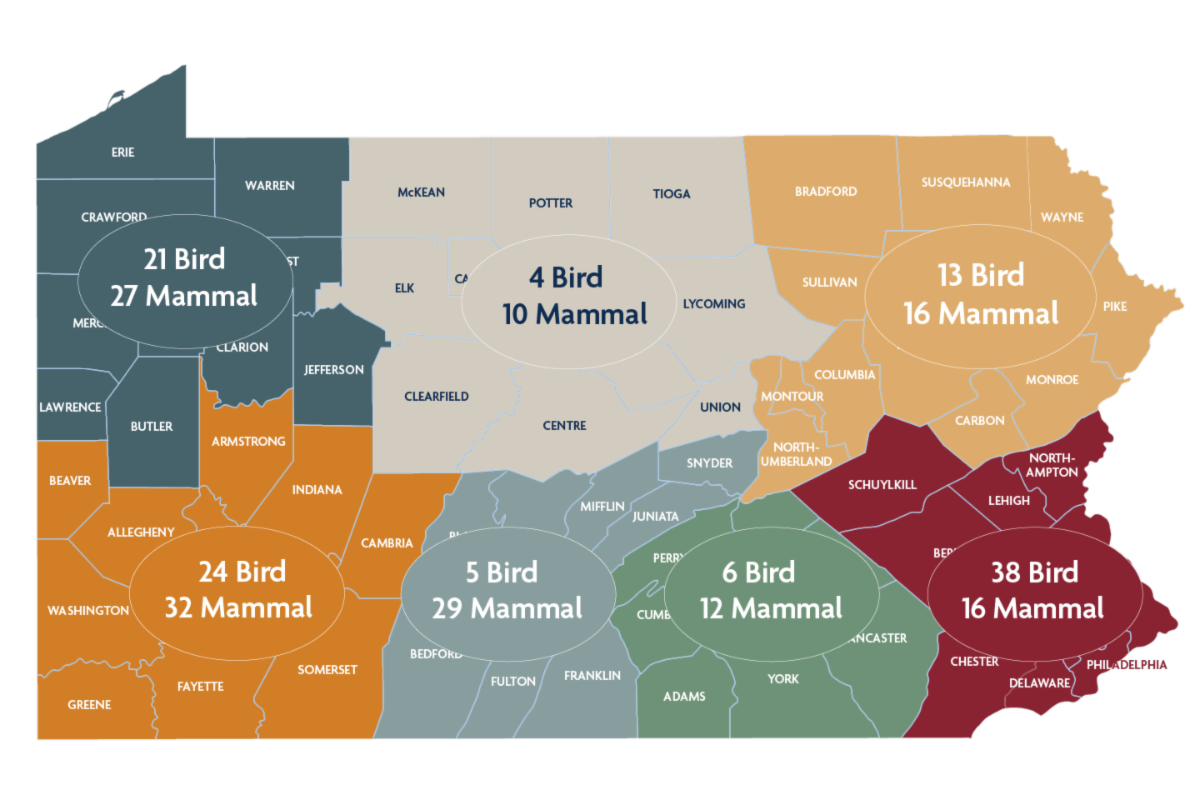
Statewide Surveillance by the Numbers | Our wildlife health technicians (WHTs) responded to 324 wildlife health events and sampled 253 animals. The 111 avian cases consisted of 27 different species. The 142 mammalian cases consisted of 10 different species. Not shown are the countless calls they've received and handled over the phone, as well as all the research and field assists they provided to Wildlife Futures and Pennsylvania Game Commission staff. | | | | |
What's Going On With Avian Influenza? | | |
You've heard a lot about "bird flu" in recent years, but what has it looked like for wildlife and the people who work with our native species? Below is a timeline of "bird flu," or highly pathogenic avian influenza, in Pennsylvania, and how wildlife professionals across the state have worked together to combat this deadly virus.
| | | The recent strain of highly pathogenic avian influenza (HPAI H5N1) has affected wildlife in Pennsylvania since early 2022, with the first confirmed case found in a bald eagle in Chester County in March 2022. For the first two years, waterfowl mostly carried and spread the virus without getting sick, and only a few ducks or geese became ill or died. Most large die-offs during this time occurred among black vultures and other predators or scavengers that fed on infected waterfowl. These die-offs were responded to by Pennsylvania Game Commission (PGC) staff and Wildlife Futures’ (WFP) wildlife health technicians, and the events were mostly contained within scavenging species with little impact on domestic animals or humans. | | |
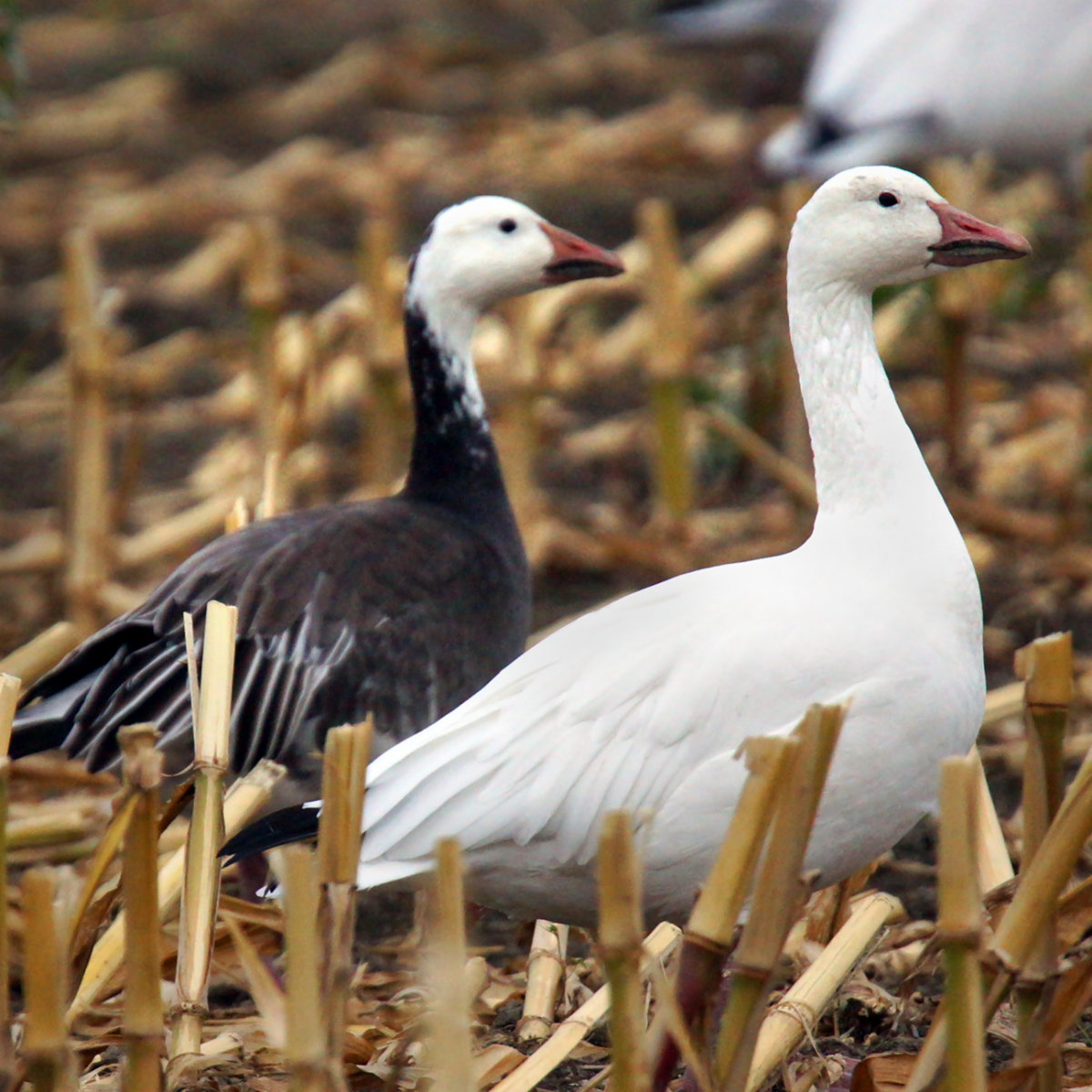
Unfortunately, that changed in late December 2024, when many migrating snow geese in southeast Pennsylvania became visibly sick with HPAI H5N1, leading to widespread mortality with thousands of birds dead in the first two months of 2025. Both the PGC and WFP responded to this unexpected event, handling many reports of dead or dying birds and working to remove carcasses to protect other scavenging species.
In spring and summer, warm weather caused waterfowl to spread out, and the heat-sensitive virus became less common. During this period, the PGC and WFP prepared for the virus possibly returning with the fall migration and colder weather. Meetings were held, staff were trained, and supplies were ordered in anticipation of another HPAI H5N1 outbreak.
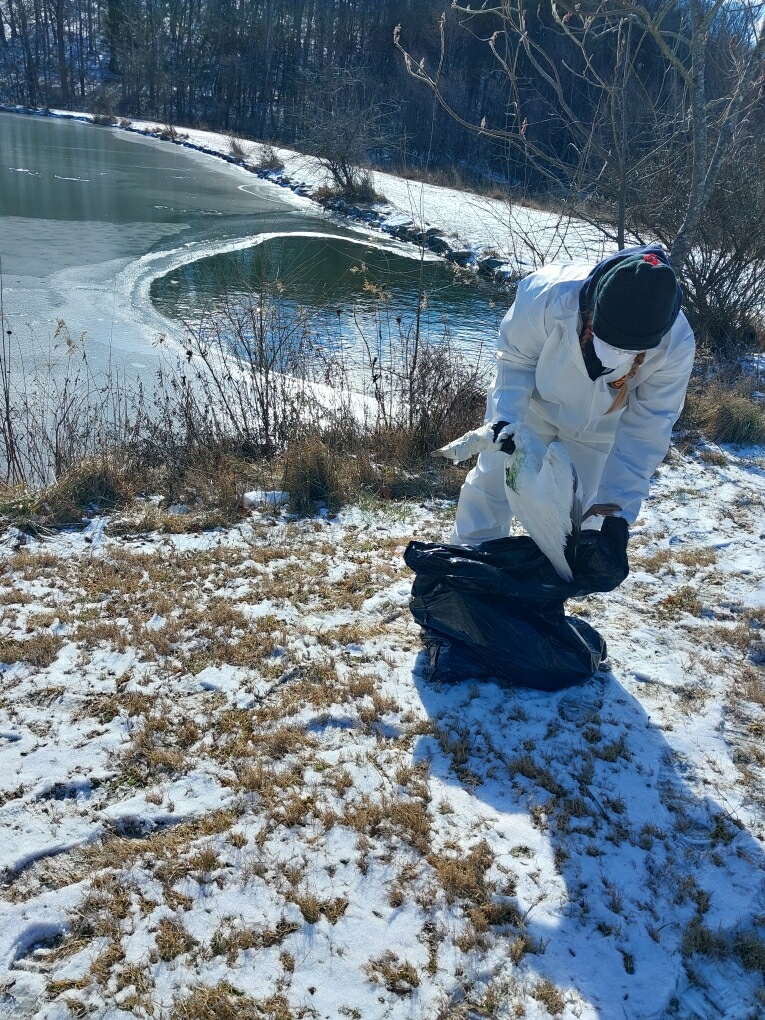
| | Madison Stevens, a WFP wildlife health technician, assists with the removal of deceased snow geese from the landscape in January 2025. | | | In December 2025, reports of dead snow geese came in three weeks earlier than in 2024. However, both organizations were better prepared, with clear protocols, more personal protective equipment for workers, and plans for safe disposal of dead birds. Their quick response, along with freezing temperatures that dispersed the geese, enabled faster carcass removal and fewer affected birds. | | |
The virus is unpredictable, just like the weather, so we do not know what will happen in 2026. However, Wildlife Futures remains ready to respond with wildlife health technicians trained and stationed across Pennsylvania. We will continue to work with our partners, including the Pennsylvania Game Commission, the Pennsylvania Animal Diagnostic Laboratory System, and the Department of Health, to ensure human, domestic animal, and wildlife health are safeguarded during this outbreak.
| | |
See any sick or deceased wild birds?
Report it to the Pennsylvania Game Commission by calling
1-833-PGC-WILD
(742-9453)
| | For more information on HPAI H5N1, visit: | | | | | |
|
Did you know that you can see wild elk in Pennsylvania?
Residing in a range that covers Elk, Cameron, Clinton, Clearfield and Potter counties, Pennsylvania’s elk herd is a conservation success story that continues to thrive today!
Prior to the arrival of European settlers, elk lived across the Commonwealth, but were extirpated, or removed completely, by 1867. The Pennsylvania Game Commission reintroduced elk to the state, starting with 177 brought in between 1913 and 1926.
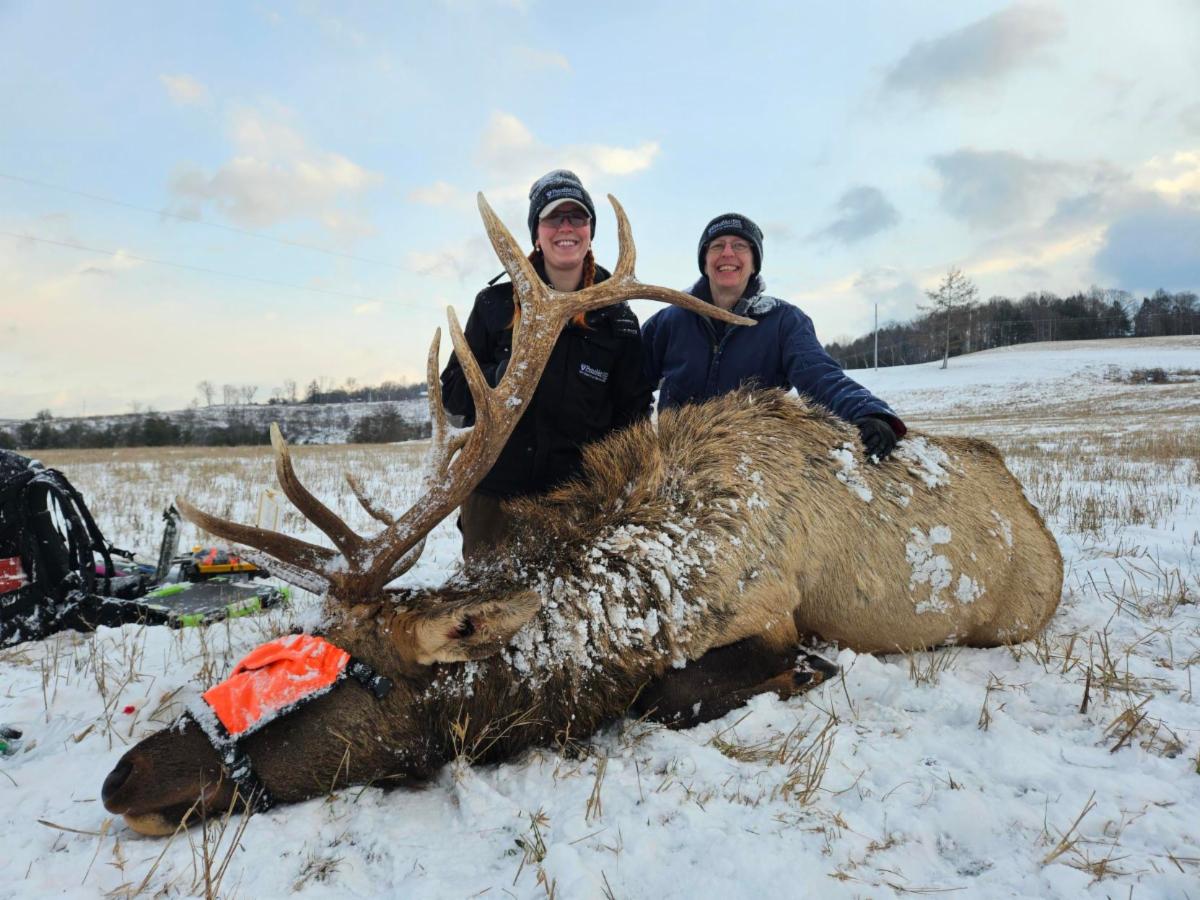
Today, Pennsylvania’s elk herd contains about 950 elk, and the herd is closely monitored and managed by the Pennsylvania Game Commission. Wildlife Futures Program team members assisted with the safe capture, tagging, collaring, and release of elk this past month. Insights gained from these short interactions with elk will help the state’s biologists safeguard the health of these incredible creatures and provide samples and data for crucial research.
Want to see the elk in person? You can visit the Keystone Elk Country Alliance Visitor’s Center in Benezette, PA, for optimal viewing areas, walking trails, and more. Wildlife Futures will be there for the annual Elk Expo on the 25th and 26th of July, and we hope to see you!
Visit the elk species page on the Pennsylvania Game Commission website for more information on Pennsylvania’s herd.
| | | | |
|
The Wildlife Futures Pathology Service receives cases from the Pennsylvania Game Commission, our WHTs, and wildlife rehabilitation facilities. Each case is reviewed, with necropsies and tests performed to determine the cause of death. These findings are then shared with the Pennsylvania Game Commission to inform wildlife health trends, support research projects, and guide management decisions to protect wildlife across the Commonwealth.
This quarter, the Wildlife Futures Pathology Service finalized 101 cases from free-ranging Pennsylvania wildlife.
| | | | |
Multiple Dead Songbirds
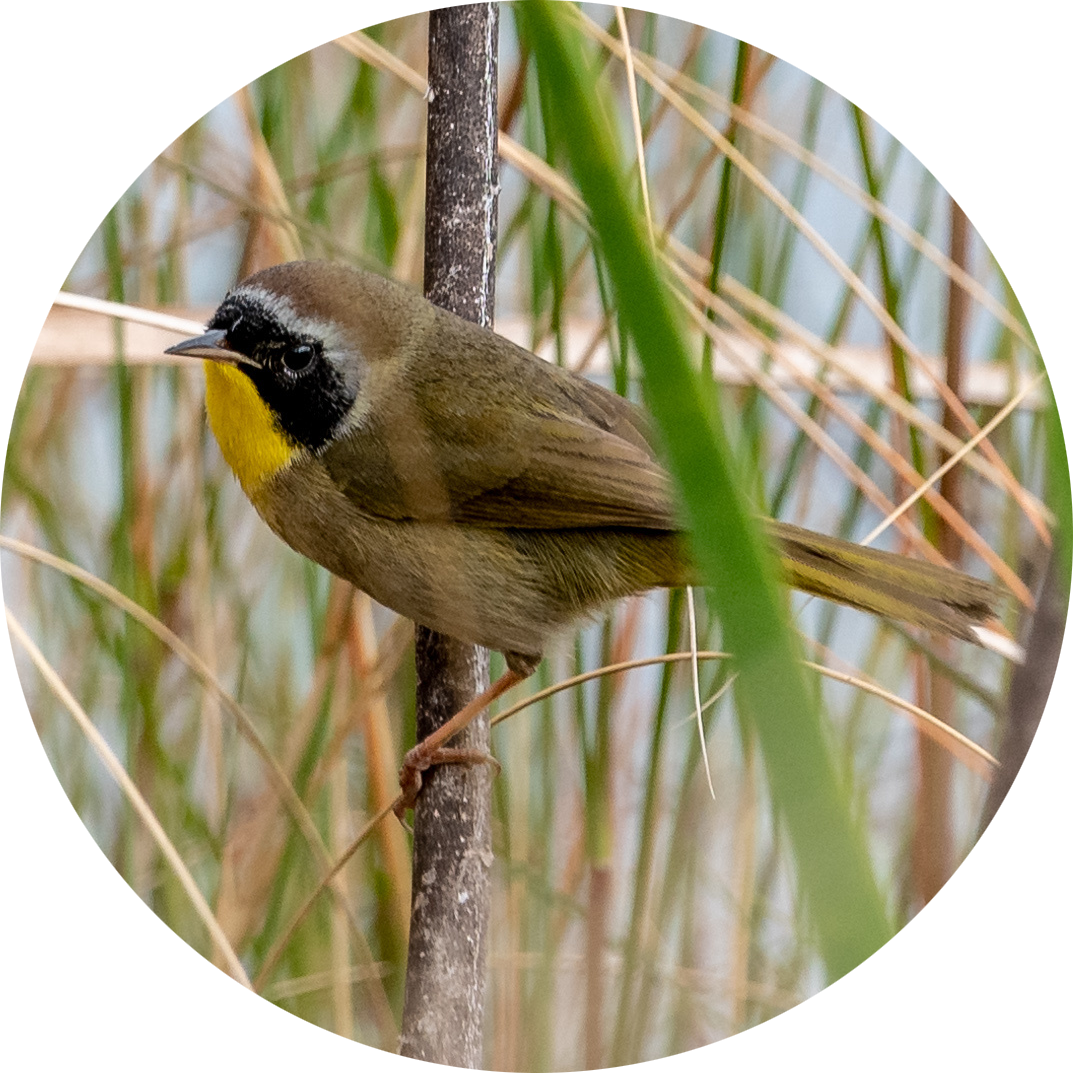
In late September, more than 20 songbirds were found dead at a natural gas compression station in Fayette County. The birds included common yellowthroats and wood thrushes. Two common yellowthroats examined by WHT Scherer showed signs of acute trauma but were otherwise healthy. Since there were no clear signs of infection or poisoning, it appears the birds died from a mix of disorientation, exhaustion, and trauma. Similar incidents have happened at the same sites over the past two years, often during periods of heavy migration, dense fog, and bright artificial lights. Weather reports from Fayette County at the time also showed dense fog and high migration activity.
| | | | |
West Nile Virus
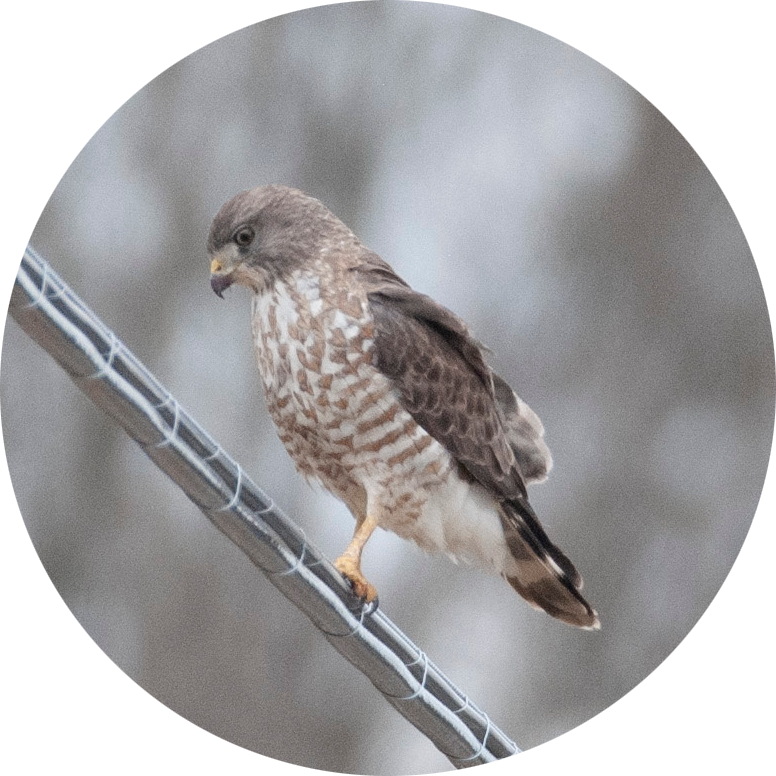
Two broad-winged hawks, each originating from Warren and Carbon Counties, were submitted by WHTs Lauren Maxwell and Lane Potts and diagnosed with West Nile virus infection-related mortality. The Warren County hawk was found grounded but died in captivity a few hours later, while the Carbon County hawk was found dead. Both animals were in suboptimal body condition and had extensive inflammation in the heart, from which West Nile virus was detected. Surprisingly, inflammation was not present in the brain of either bird, which is another organ that can be commonly affected.
| | | | |
Epizootic Hemorrhagic Disease
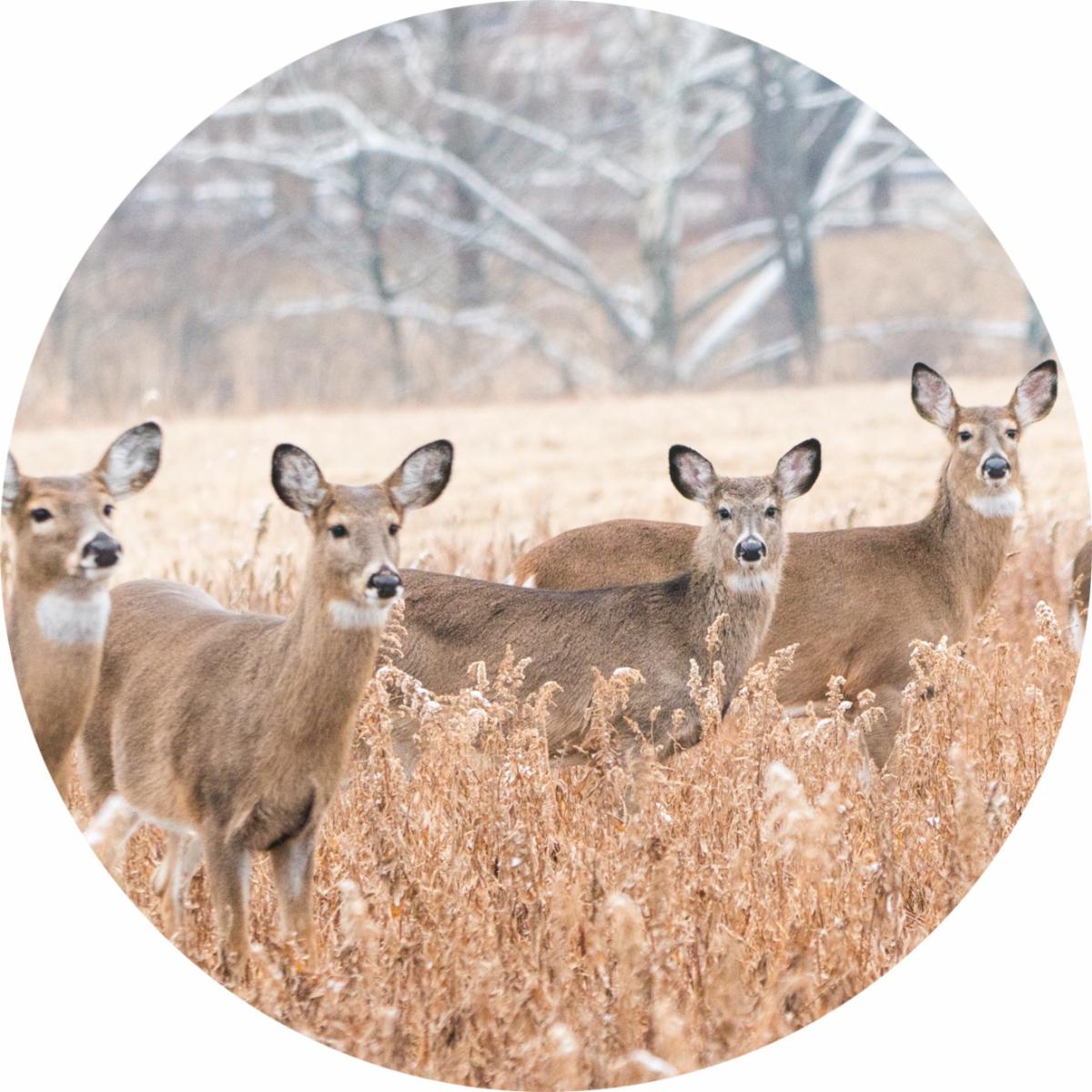
A white-tailed deer doe was seen thrashing in a yard in Armstrong County before it died. Wildlife health technician Luke Scherer examined the deer and found watery red fluid in several body cavities. Tests on the spleen and lung confirmed the deer had epizootic hemorrhagic disease (EHD). Deer catch EHD from biting midges, which are small insects found near pools of water in late summer and early fall. These midges can pick up the virus from an infected deer and pass it to others when they bite. The virus damages the walls of the deer’s blood vessels, leading to symptoms such as loss of appetite, fatigue, swelling of the face and neck, and fever. The fever often prompts deer to seek water, which is why EHD-positive deer are often found dead near water.
This year, EHD has been the cause of death for 22 cases across the northwest, southwest, and southeast regions. Most of the 22 cases involved multiple dead deer.
| | | | |
Wildlife Futures: Out, About, and in the News! | | | |
In the News: Morris Animal Foundation Now Accepting Wildlife Health Research Pre-Proposals
Dr. Lisa Murphy, director of Wildlife Futures, has joined the Morris Animal Foundation’s Wildlife Health Scientific Advisory Board. In this position, she will help award grant funding to support professionals, early-career researchers, and students working on important wildlife health projects. Pre-prosals for these grants are now being accepted for review by the Morris Animal Foundation.
Read More
| | | | |
| | |
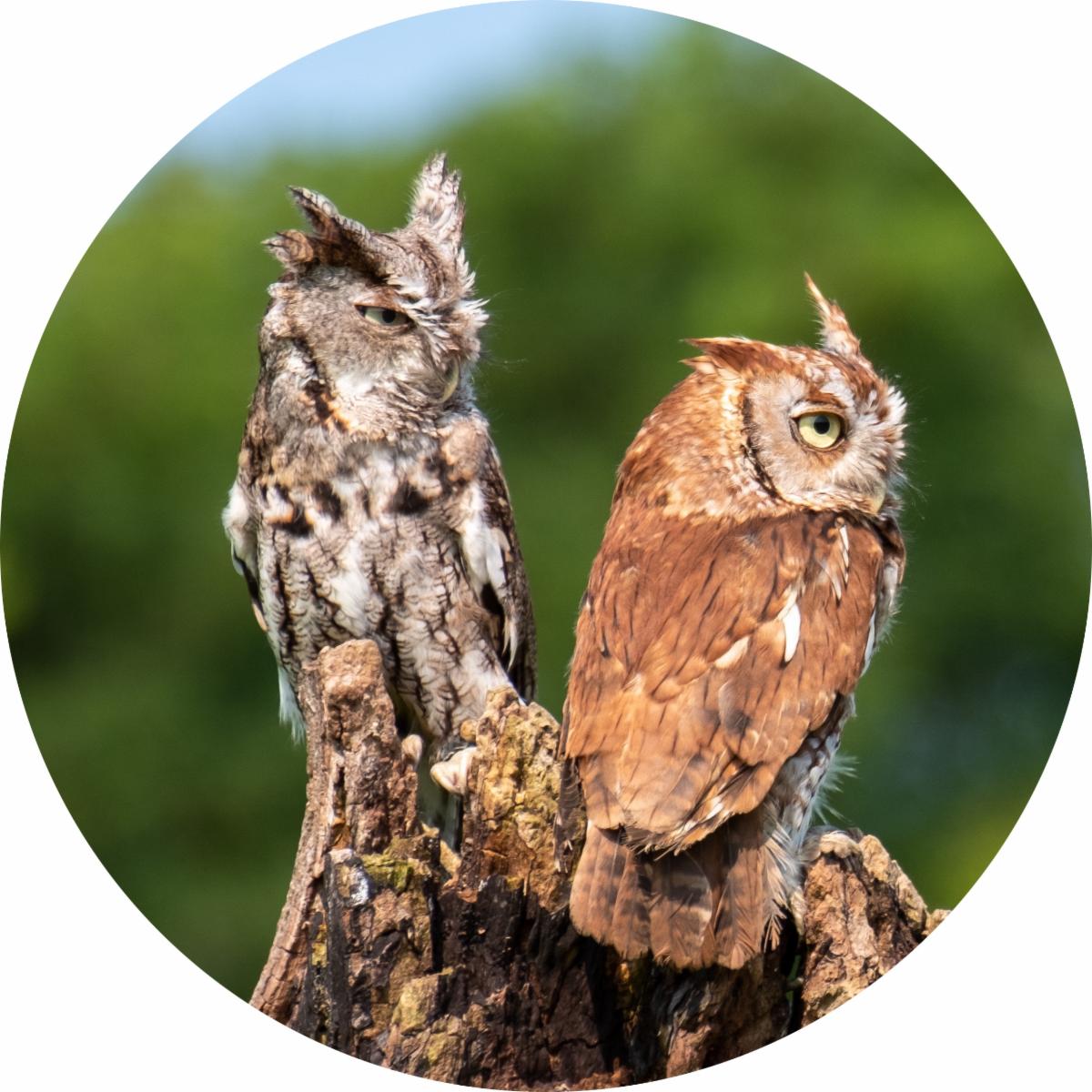
Haemoproteus syrnii and other haemosporidians infecting owls from North America
Wildlife Futures author: Dr. Erica Miller
Haemosporidians (Haemosporida, Apicomplexa), which include malaria parasites, are found in nearly all terrestrial ecosystems. Avian haemosporidians have been extensively studied; however, there is limited information on parasites in owls (order Strigiformes). Here, haemosporidians infecting North American owls were characterized using an integrative methodology.
Read More
| | | | |
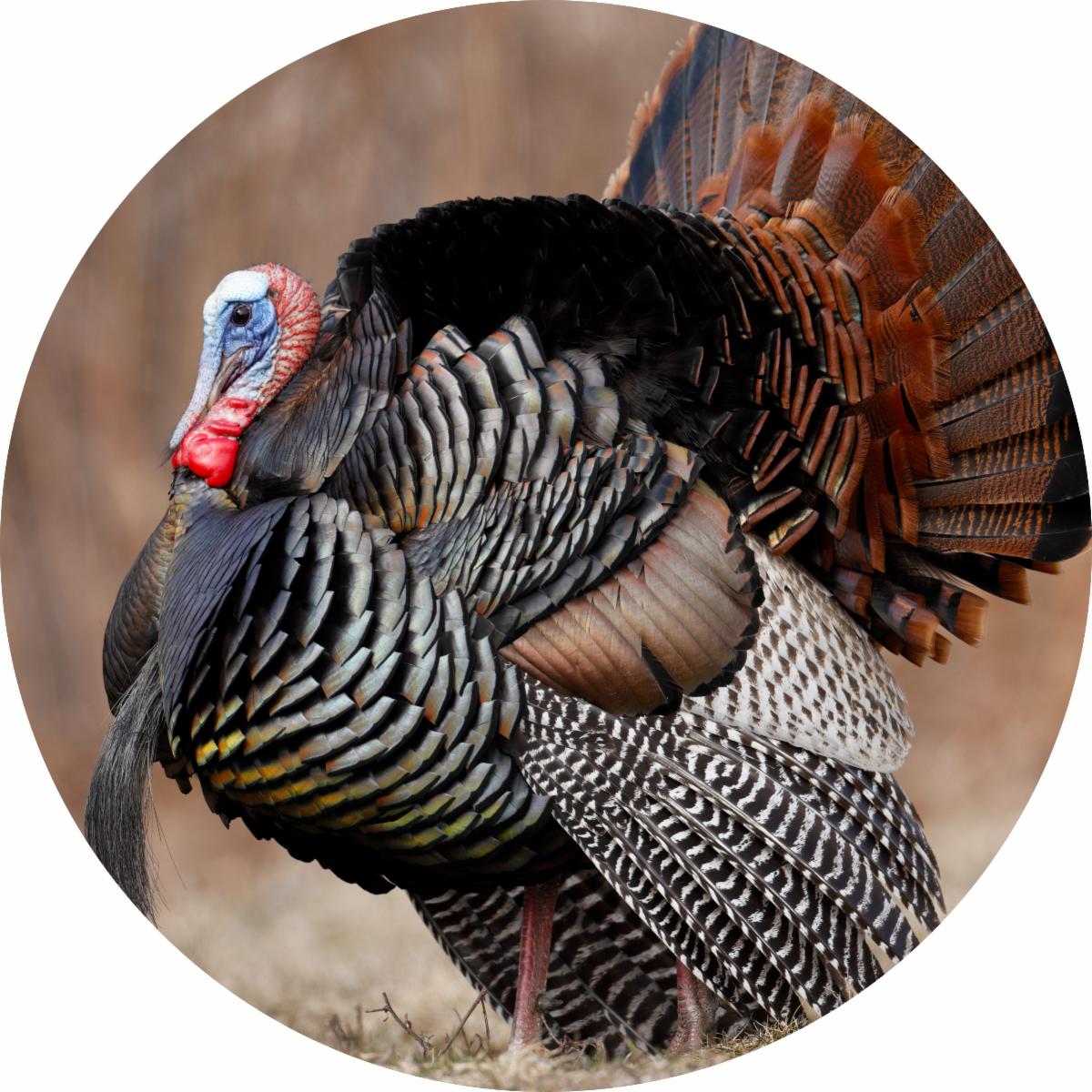
Current understanding of lymphoproliferative disease virus in wild turkeys
Wildlife Futures author: Dr. Kevin Niedringhaus
Lymphoproliferative disease virus (LPDV) has been detected in wild turkeys (Meleagris gallopavo) throughout the United States and Canada. High LPDV prevalence, paired with regional declines in wild turkey populations, has generated interest in investigating its potential effects on population health.
Read More
| | | | |
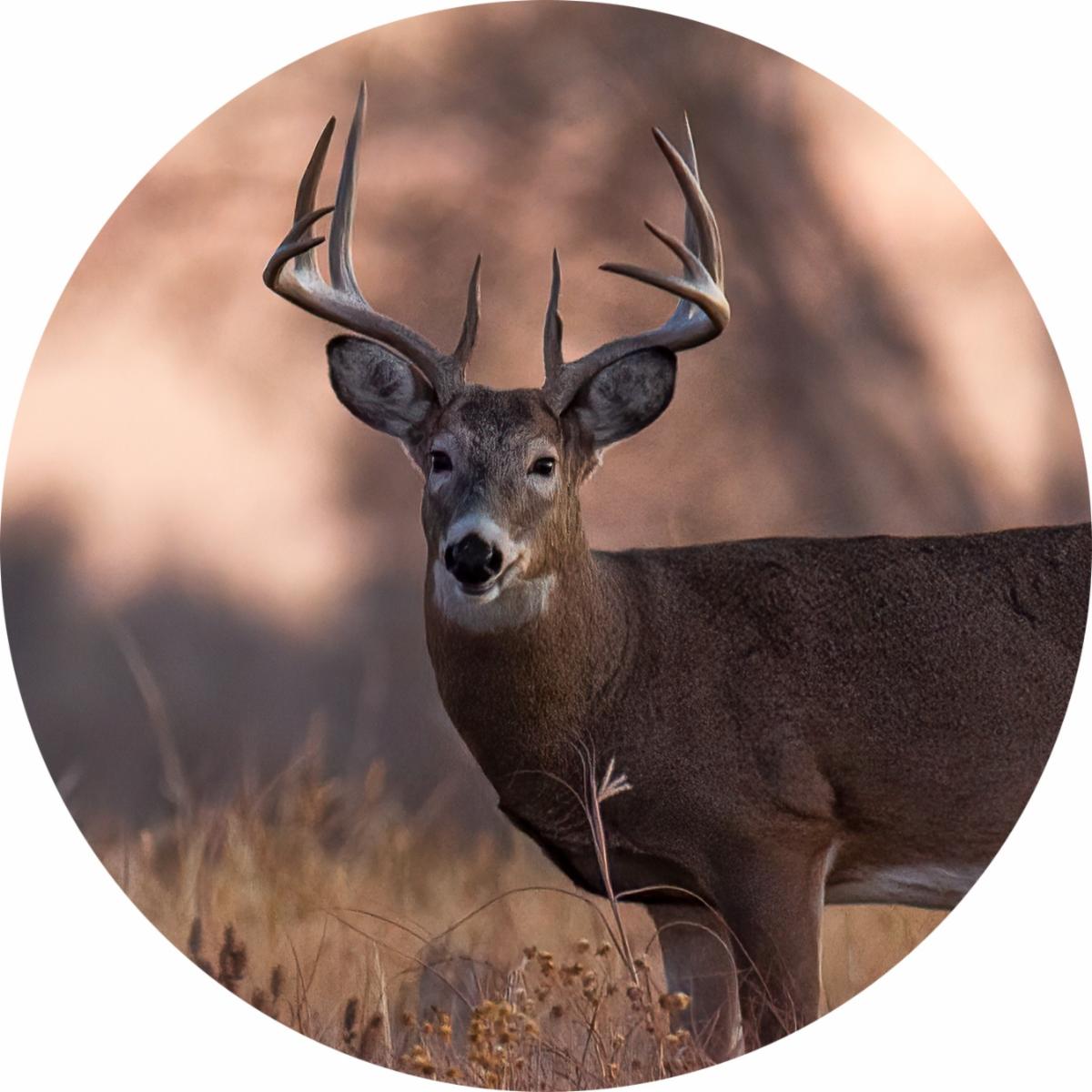
Viral outbreak dynamics and evolution in wildlife at the interface with humans
Wildlife Futures author: Dr. Erick Gagne
In this study, we used a multi-faceted approach to understand patterns of severe acute respiratory syndrome coronavirus 2 (SARS-CoV-2) transmission and persistence in a wild white-tailed deer population. Our results suggest that, while deer-to-deer transmission occurs, SARS-CoV-2 persistence over longer periods and across larger regions is likely driven by repeated spillover from human populations.
Read More
| | | | |
Stay Connected with Wildlife Futures |
| Know anyone who'd like to stay updated on Wildlife Futures news? Have them fill out the form below to join our email list and stay informed about upcoming events, reports, and other wildlife news! |
| | | |