Ngahuru Autumn 2026

Food business tips and reminders

Autumn is here, making it a perfect time to serve up seasonal ingredients, warming comfort food, and indulge in some tasty chocolate treats. Easter weekend begins on Friday 3 April, with Anzac Day on Saturday 25 April. There's plenty to enjoy in the cooler months, so check out our tips and reminders for a successful season.

Open odd hours

Know the rules

Employment and shop trading regulations vary over the Easter period and Anzac Day. Make sure you know the rules.


Good Friday: A public holiday and a restricted trading day.

Easter Sunday: A restricted trading day, but not a public holiday.

Easter Monday: A public holiday.

What does this mean for businesses?

Here are the days when almost all shops must be closed under the Shop Trading Hours Act 1990:


  • Good Friday
  • Easter Sunday
  • Anzac Day until 1pm.


The council's Easter Sunday Trading Policy permits trading on Easter Sunday in the Far North district. To check if you can open, visit the Employment NZ Website. 

Surprise arrivals

Expect the unexpected


Food verifiers need to give businesses reasonable notice before carrying out a verification. But they can conduct visits without notice, if necessary. This helps to capture an accurate, day-to-day representation of the business.


There are two options - an unannounced or an unscheduled verification.


Unannounced: It's part of the regular verification cycle, and the visit is planned, but the business doesn't know exactly when it will happen. It's used when there are minor concerns about an operator's performance.


Unscheduled: This is outside the normal verification schedule and often triggered by significant concerns around food safety or suitability. These are usually only carried out when specifically required by the registration authority.

Registration or verification

What's the difference?


Registration: A registration sets out the steps businesses must follow to make sure kai is safe to eat. The Food Act 2014 requires all businesses selling food to register unless they fit into a small group of exemptions.


Verification: All food businesses need to be checked to ensure they are selling safe and suitable food. This is a verification by a council representative or an independent verifier. How often you get checked depends if you are a high or low-risk business and how well you manage food safety. Those doing well are checked less frequently.


Keep the deets updated


Keep up-to-date with any changes to your registration. Any updates, big or small, contact us at ask.us@fndc.govt.nz or complete the Amendment or change in food business form on our website.


Significant amendments include:

  • Changing location or adding new premises
  • Changes to your ‘scope of operation’
  • Any major alteration to facilities or equipment
  • Changes to the business structure that will impact the overall business.


Changes of detail include:

  • Change of owner as a going concern
  • Change of verification agency
  • Change to contact details
  • Changes to products, processes or plans.


Whaddaya know?


Think you have the smarts on the Food Act 2014? Take our quiz


1. Why do we follow the Food Act 2014?

A: To make paperwork

B: To keep food safe for customers

C: To slow down service


2. Who is responsible for food safety in our business?

A: Only the manager

B: The council

C: All of us


3. True or false?

If the food looks OK, it must be safe to eat


4. What should you do if you have vomiting or diarrhoea?

A: Come to work anyway

B: Tell your manager and stay home

C: Just wash your hands more


5. When should you wash your hands?

A: After using the toilet

B: After handling raw food

C: Before preparing food

D: All of the above


No peeking! Find the answers are on the last page.

Levy lowdown


The MPI Food Business Levy came into effect on 1 July 2025. It applies per site for businesses operating under a Food Control Plan (FCP) and per registered business for those under a National Programme.


The levy is being phased in over three years:

2025–2026: $57.50 + GST

2026–2027: $86.25 + GST

From 2027 onwards: $115.00 + GST a year

Councils may also charge $11.00 + GST per invoice to recover administration costs.


The levy funds MPI food safety education, system monitoring, fair and risk-based verification and enforcement, compliance campaigns, and the development of updated food safety standards.


Invoices were issued in November 2025. If you have not received yours or have questions, contact compliance.admin@fndc.govt.nz

Training to put safety first

Proper training and good hygiene practices are key to keeping everyone safe. Here is an example of an incident that happened due to inadequate training:

In 2025, a restaurant in Auckland was downgraded from an A-Grade to a D-Grade after more than 20 customers suffered severe food poisoning caused by norovirus, linked to an infected food handler. It highlights the serious consequences of poor hygiene practices and the importance of staff training.


Packing off pesky pests

It may be autumn, but flies and cockroaches can still be a headache.


Here’s how to stamp them out:


👉 Fit fly screens and use or spray units - as long as they are away from food areas


👉 Keep bins lidded, remove rubbish daily, and clean spillages quickly


👉 At any signs of cockroaches, contact pest control immediately. Make sure food is sealed and off the floor. Check incoming goods for tell-tale signs


👉 Stay on top of cleaning and sanitising – wash with detergent, rinse, and sanitise by using the correct dilution of bleach or approved alternative.

Quiz answers:

How did you do?


  1. B – The Food Act is about keeping food safe.
  2. C – Food safety is everyone’s responsibility.
  3. False – Food can look fine but still make people sick.
  4. B – Always report illness and stay home.
  5. D – Wash hands often and properly!
 

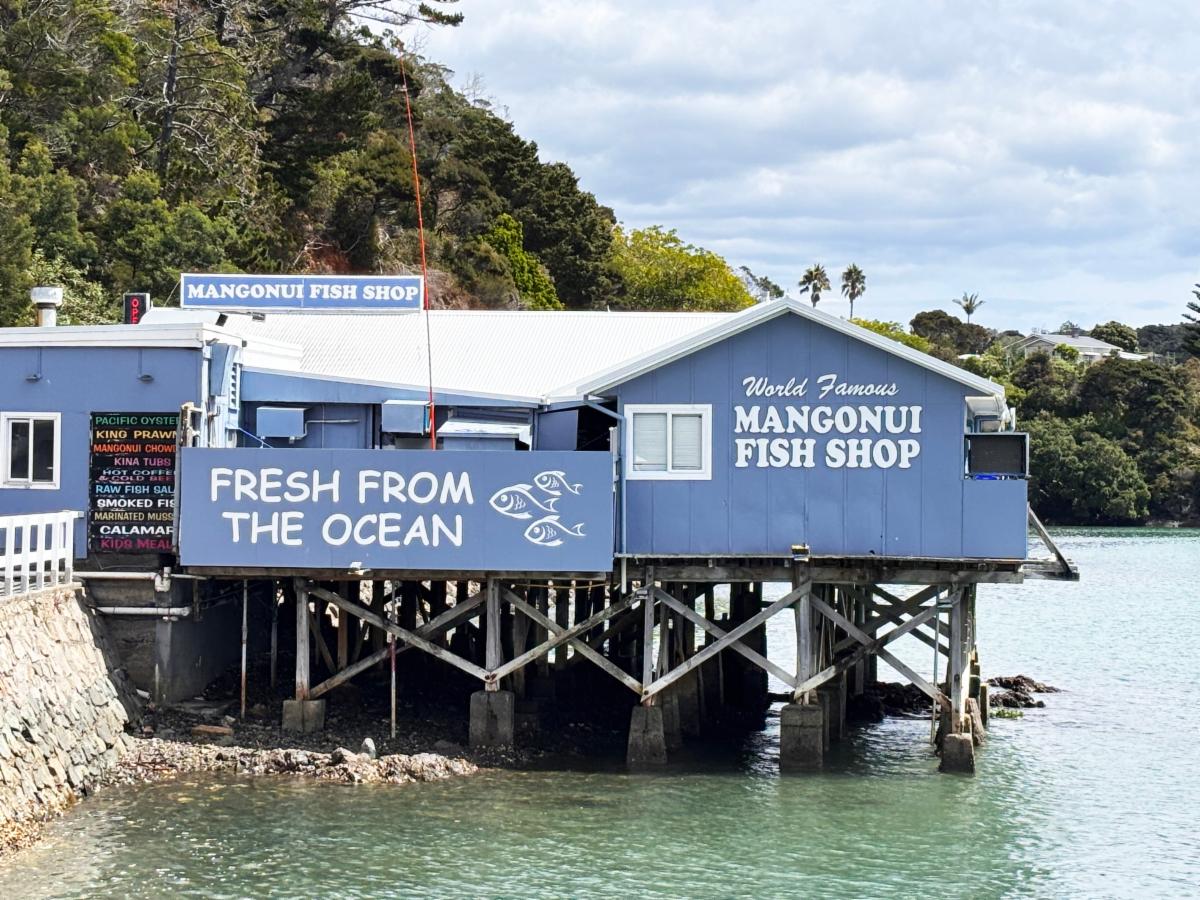
Featured business

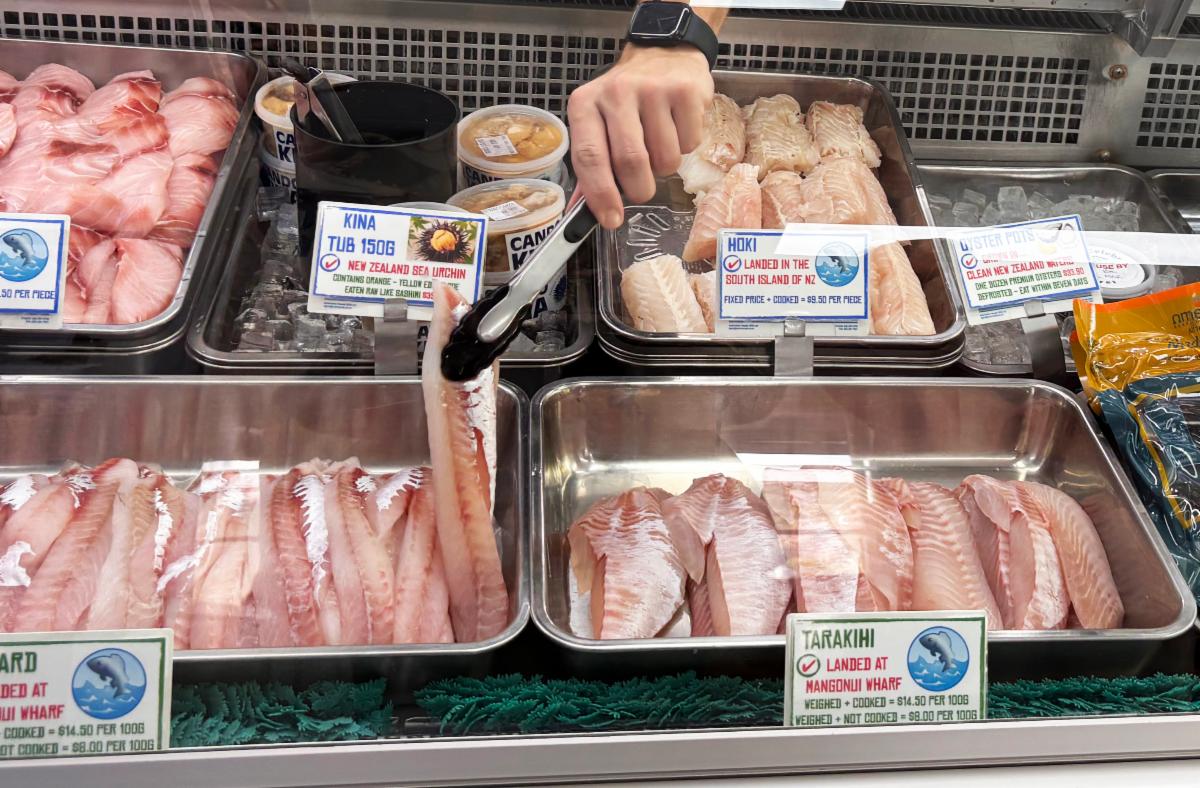
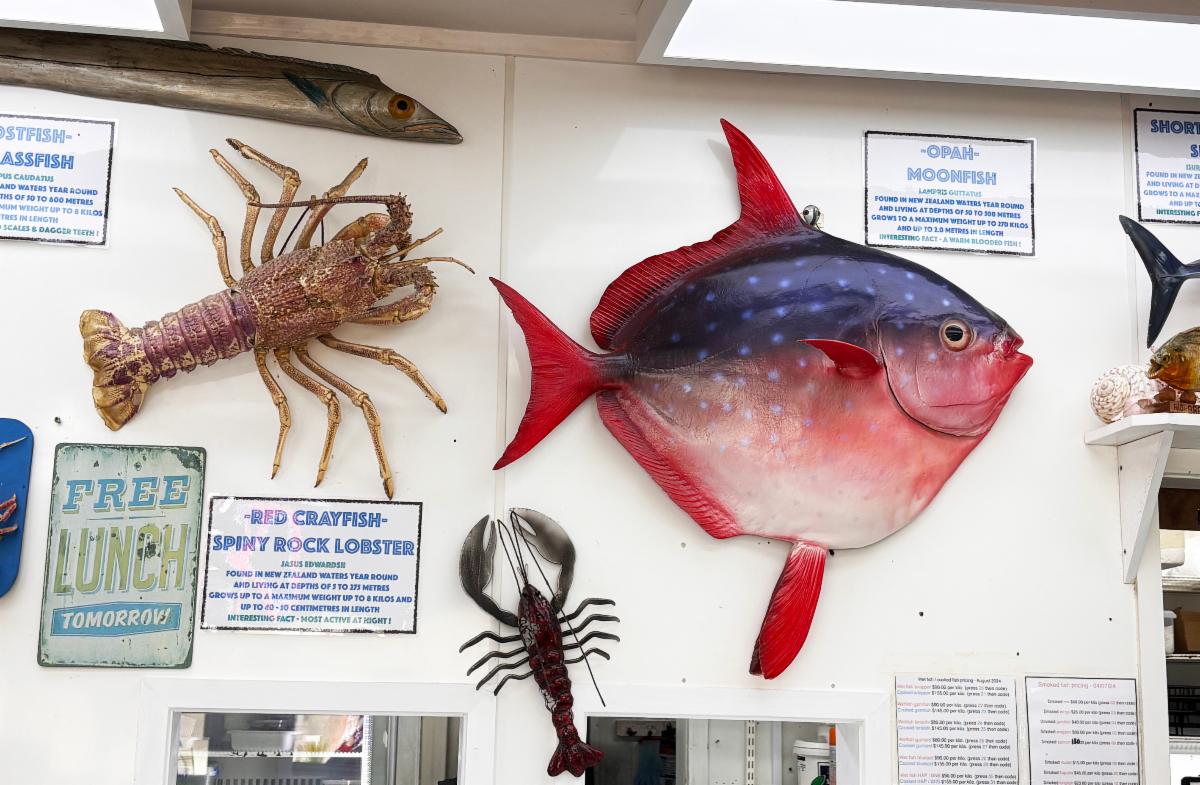
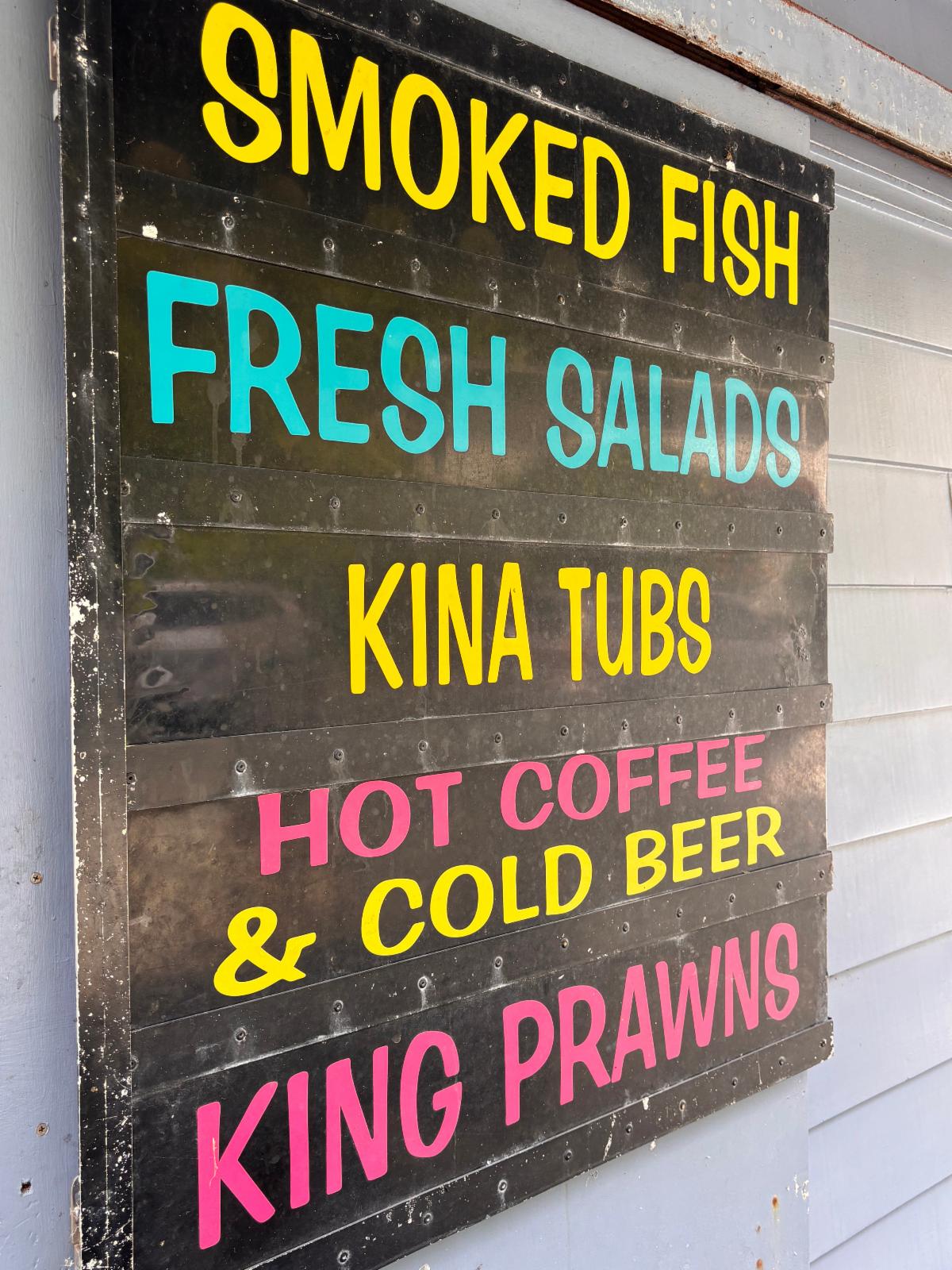
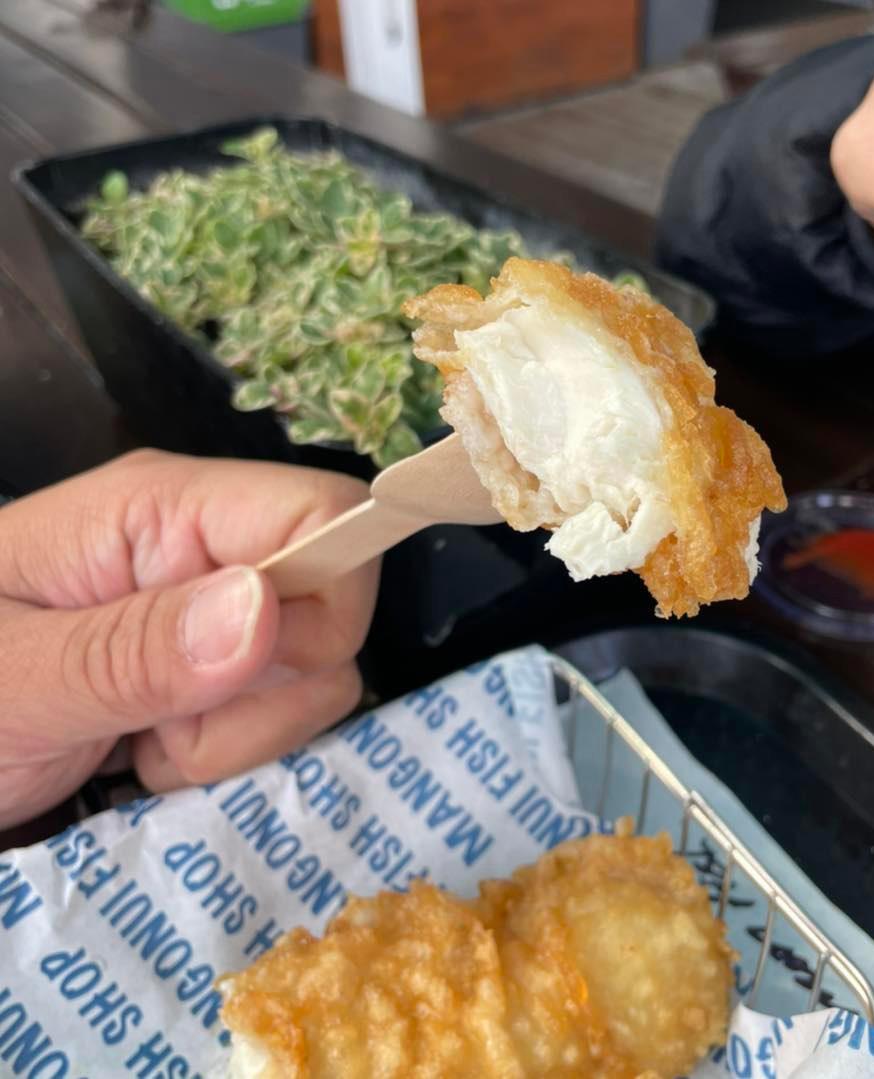
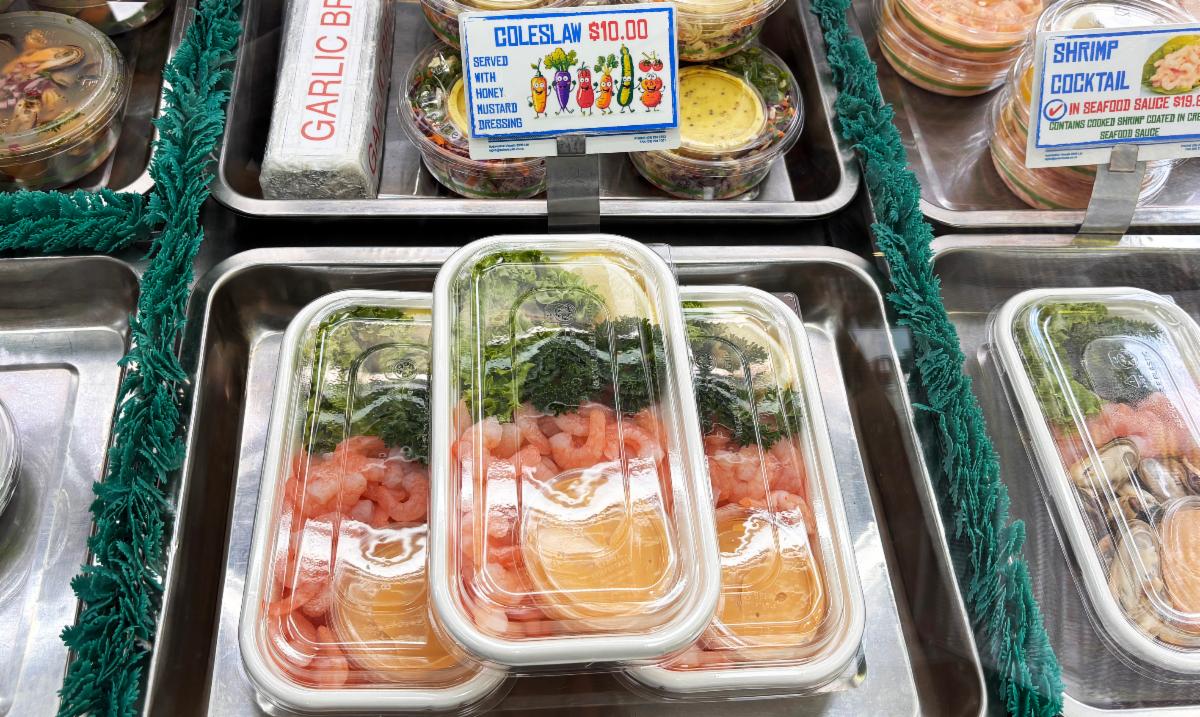
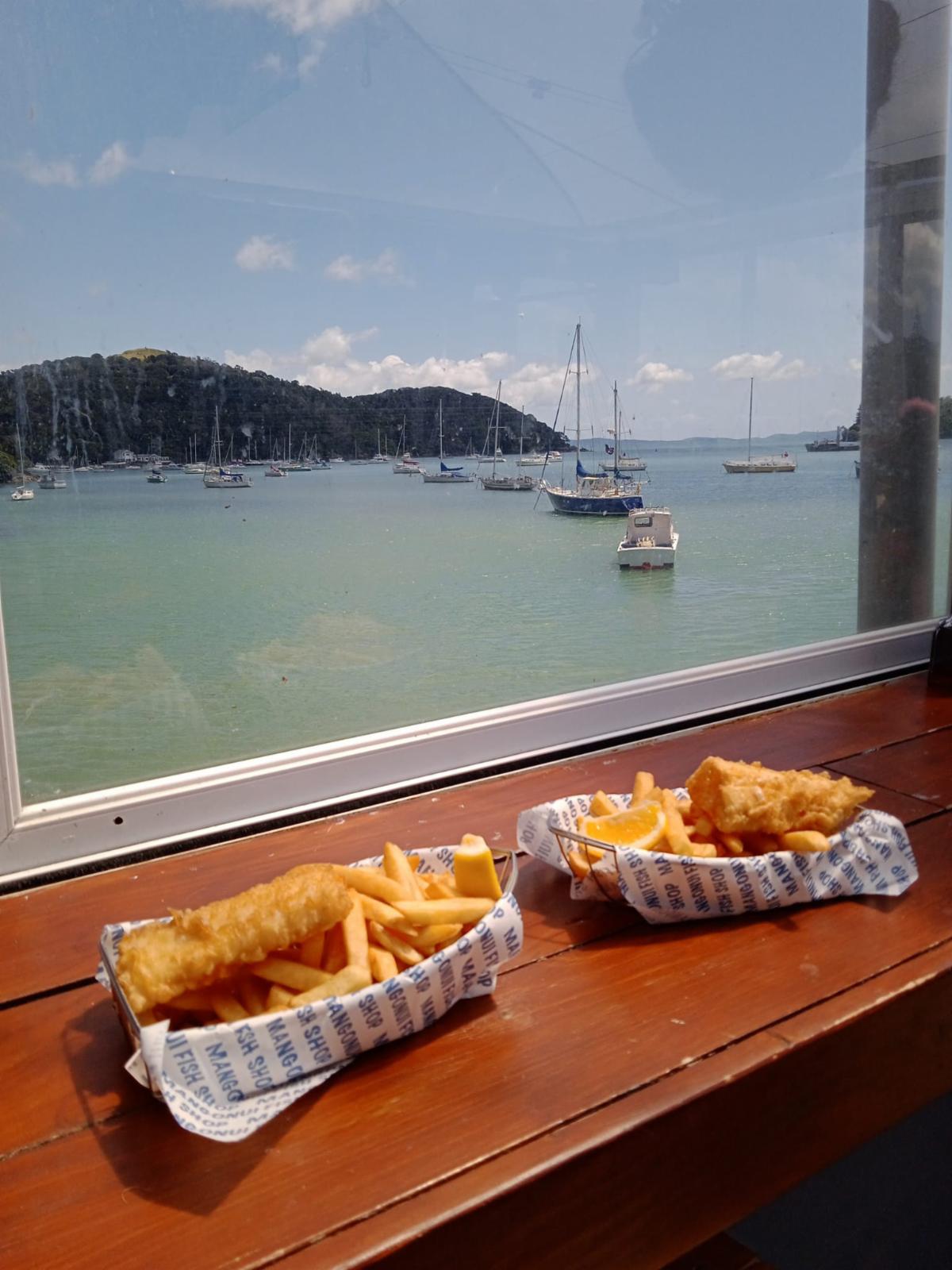
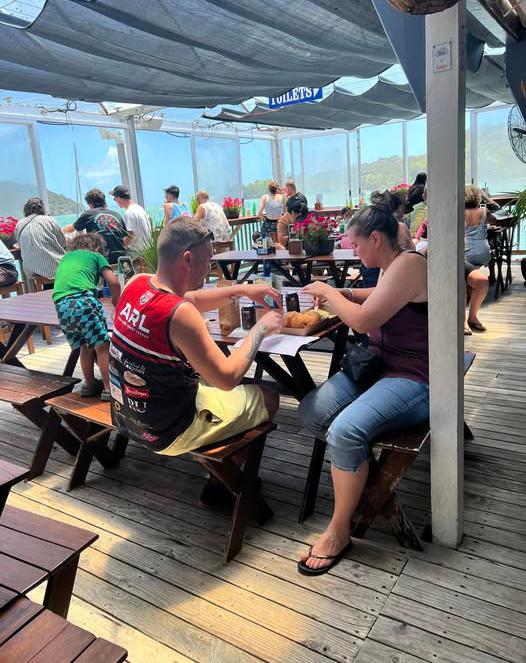
Mangōnui Fish Shop

137 Waterfront Road, Mangōnui

09 283 6939

Daily 10am-7pm


Website


Any suggestions for our next newsletter?


Email us at ask.us@fndc.govt.nz or visit our website at:

www.fndc.govt.nz/Our-Services/Licences_and_permits


Facebook  Twitter  Instagram