|
When your child has been diagnosed with blindness or low vision and you’ve been referred to early intervention, you’ll partner with an Early Intervention Teacher of the Visually Impaired (EI-TVI). Depending on your child’s diagnosis, other providers might be recommended, like an occupational therapist or a physical therapist.
During your first visits with your teacher from A Shared Vision, she might conduct a Functional Vision Assessment to evaluate your child’s development and determine the best strategy to move forward.
What Is a Functional Vision Assessment?
A Functional Vision Assessment (FVA) “paints a picture” of how your child uses their vision during everyday activities like play, learning, social interactions, communication, and movement. It helps us understand not just what your child can see, but how they use their vision during daily routines and activities.
Why Is the Functional Vision Assessment Important?
The goal of the FVA is to better understand how your child sees and to identify ways to support their use of vision and other senses for learning and overall development. It also helps determine what your child’s primary learning style is – visual, tactual, auditory, or multi-sensory. The information gathered during the FVA serves as a roadmap for you, your child’s EI-TVI, and IFSP team, guiding decisions about strategies and accommodations to ensure your child’s successful access to and engagement with their environment.
For children with very low or no vision, your teacher will conduct a Sensory Learning Assessment to determine their primary learning style.
How Long Does the Assessment Take to Conduct?
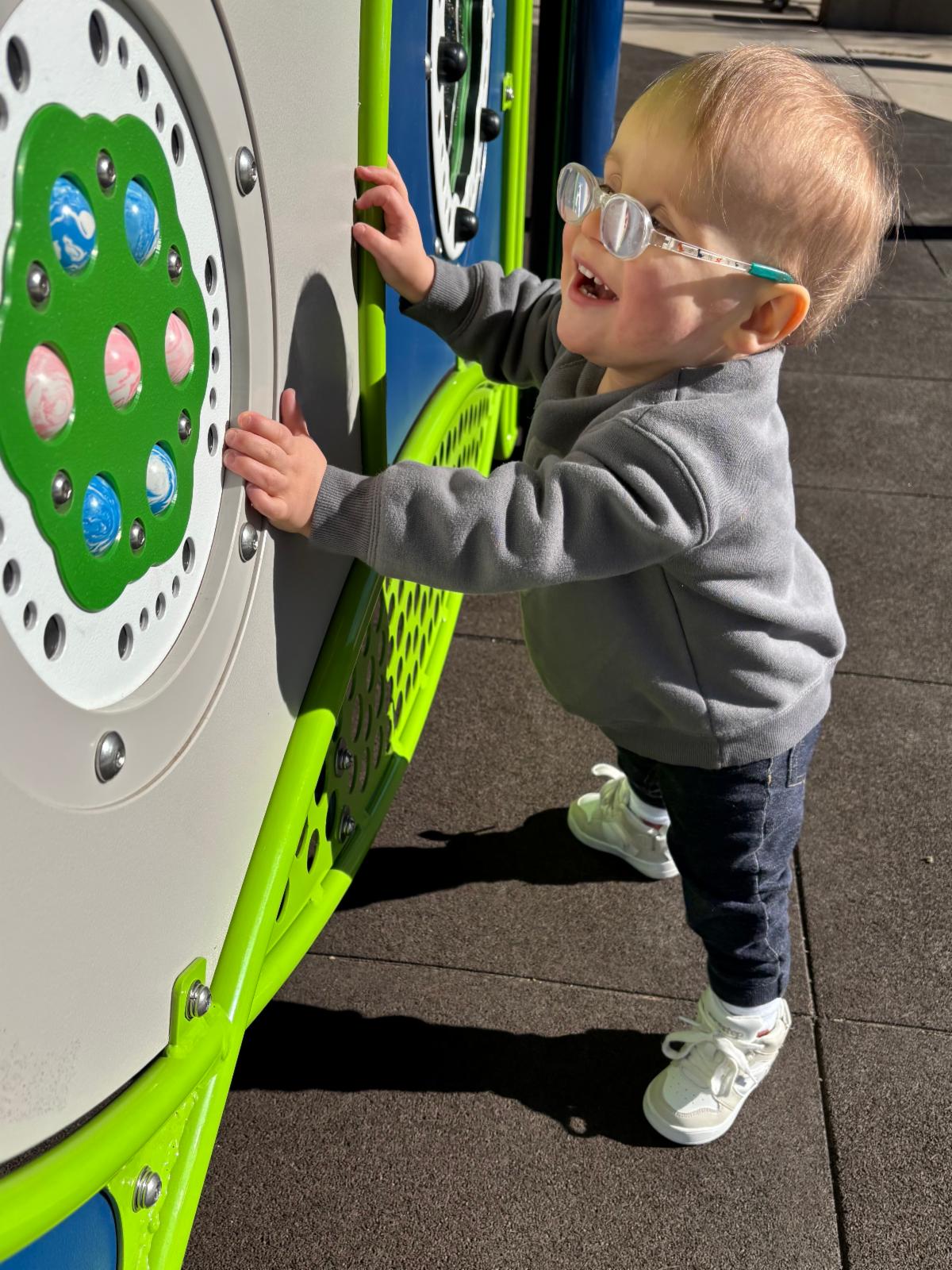
Ideally, an FVA is completed over several in-person sessions with your family during different routines and in different settings, like inside your home or outside at a park. Your teacher wants to get a good picture of how your child is using their vision throughout the day.
How Will the Teacher Gather Her Observations?
Throughout the FVA process, the EI-TVI will both observe your child and talk with you to gather important information. She will begin by asking about your child’s health history, medications, and results from eye exams and hearing screenings, including whether your child has seen a pediatric ophthalmologist. She will ask about your child’s daily routines and watch how your child interacts and plays with you and others. Your teacher will also compile information about the appearance of your child’s eyes, their visual responses and behaviors, and environmental factors that may impact how they see, such as lighting, positioning, distance, and the size and color of objects.
The teacher may also ask you the following questions about your child:
-
What do you know (or have you been told) about your child’s vision?
-
What are your child’s favorite things to play with?
- How does your child find those favorite items?
- Does your child look at you when being held? When you enter the room?
- How does your child move toward something they want?
- Is your child sensitive to light? How do they respond to it?
- Is your child socially interested in family members or other people?
- What’s the best part of the day for your child? And the most challenging?
- What questions do you have about your child’s vision?
Does the Family Receive a Copy of the Report? Who Else Might View It?
Your family will receive a copy of the assessment, along with recommendations for strategies or accommodations you can use to support your child. Eye doctors and other providers may find the report very helpful, as well as Child Find teams who will meet with you during your child’s transition to school-based programs.
Is the Functional Vision Assessment Repeated?
An FVA is a snapshot in time. The assessment should be completed annually for infants and toddlers, or any time there’s a question, concern, or change in the child’s behavior.
|