Greetings!  

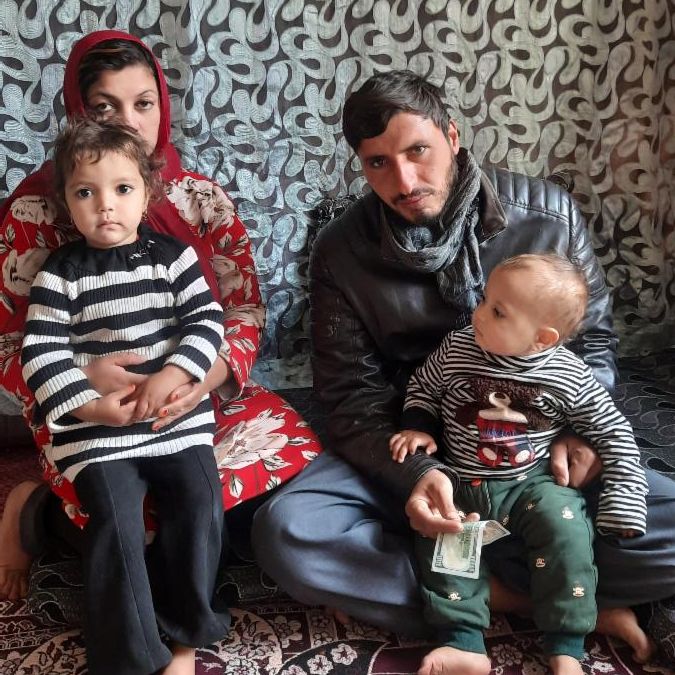
As I wrote previously, we're in the process of learning what impact our family sponsorship program is having on families. Our goal in the family sponsorship program is twofold. Provide a floor below which these families won't go, enough to ensure they will have shelter and food everyday. Second, help them find ways to lose their dependence on the generosity of others.

Last November when the program first began I asked Mujeeb to find and recommend the poorest among the poor.I also asked that he focus on families headed by widows. He interviews on average ten families to find two. What I didn't realize at the time is that the poorest of the poor are the least likely to find employment, due to their poor health, lack of education and/or lack of marketable skills.

Quite frankly. I don't know how families headed by widows survive. Women are now being told they must not leave their homes without being accompanied by a man. I've read all forty-two profiles of families headed by widows. Widows either sew or clean homes, neither of which produces more than one or two dollars a day. Note the last section of this newsletter. We're working on what they can sew or knit at home and how we might help market what they produce.

Based upon the impact reports I've read so far, I am recommending that sponsors continue their support for another year. Currently eighty are being sponsored and many are coming to the end. Not all sponsors will extend their support and we don't have a waiting list of sponsors. We do have a waiting list of families. It's a good time to jump in if you've been thinking about it. Plus, it's year end tax planning time.


Below is some of the impact information we've received. If you're new to this newsletter you won't know about Noor Hamid and Agdul Ghafoor. Therefore I'll include them.
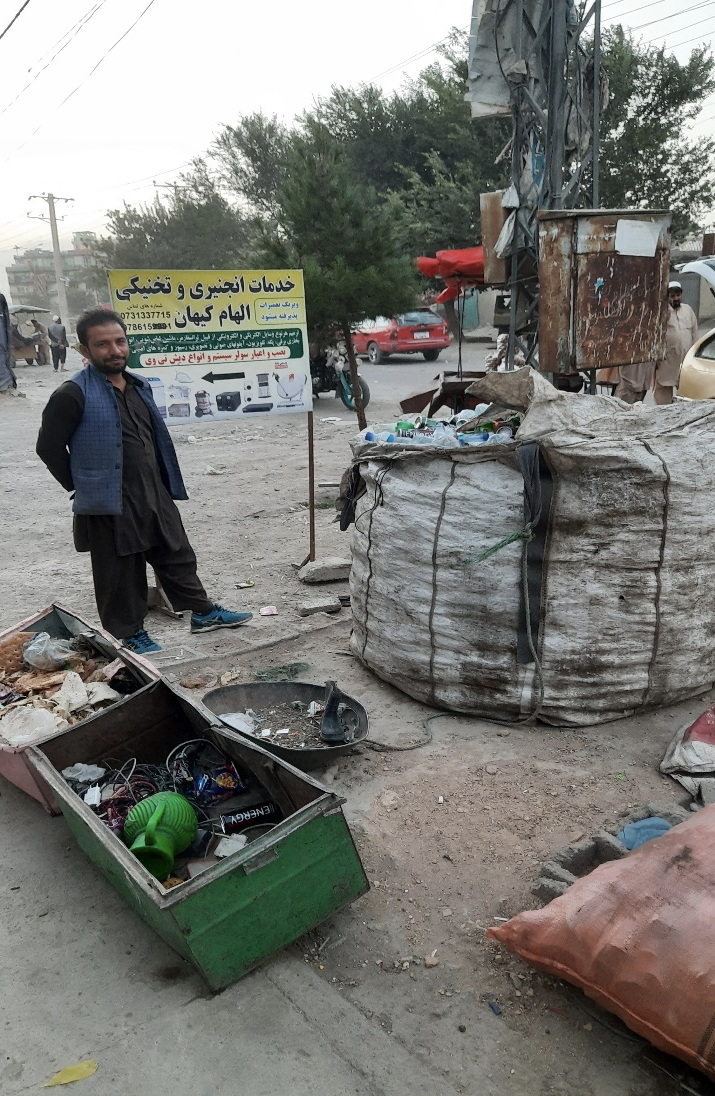
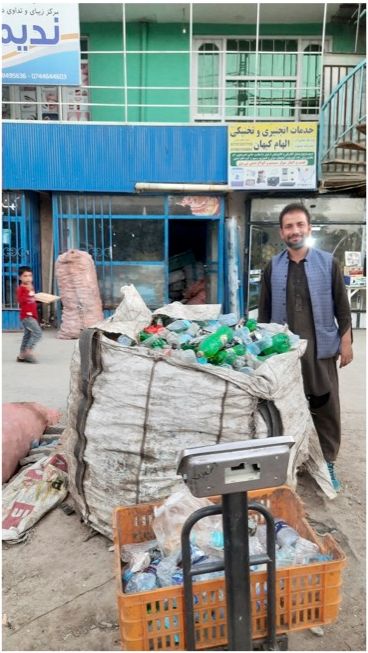
Noor Hamid started a recycling business. He no longer carries heavy loads on his shoulders to earn money, something his doctor had been telling him he should not do. He had severe back pain. Prior to his sponsorship he had no choice. That's how he earned money.
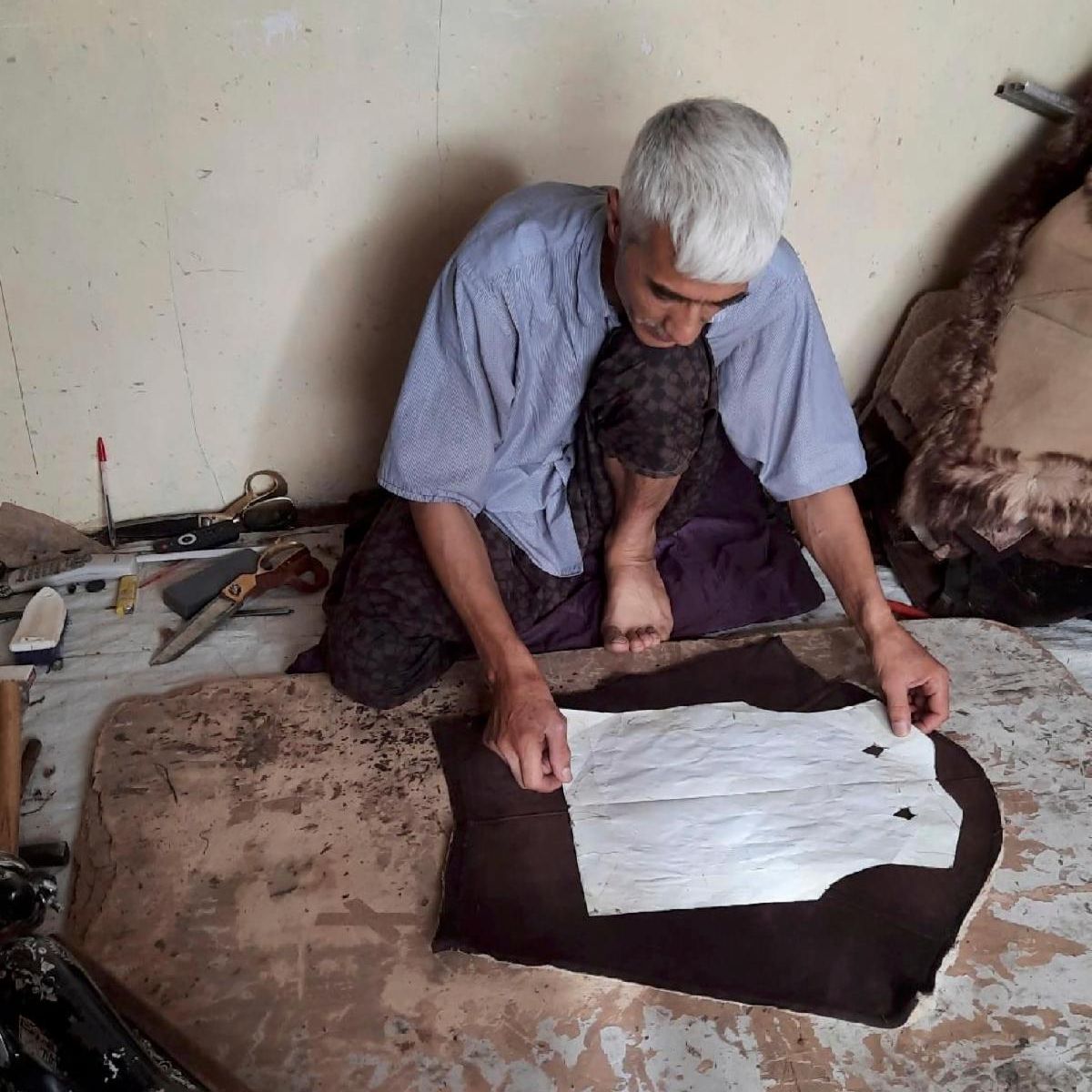
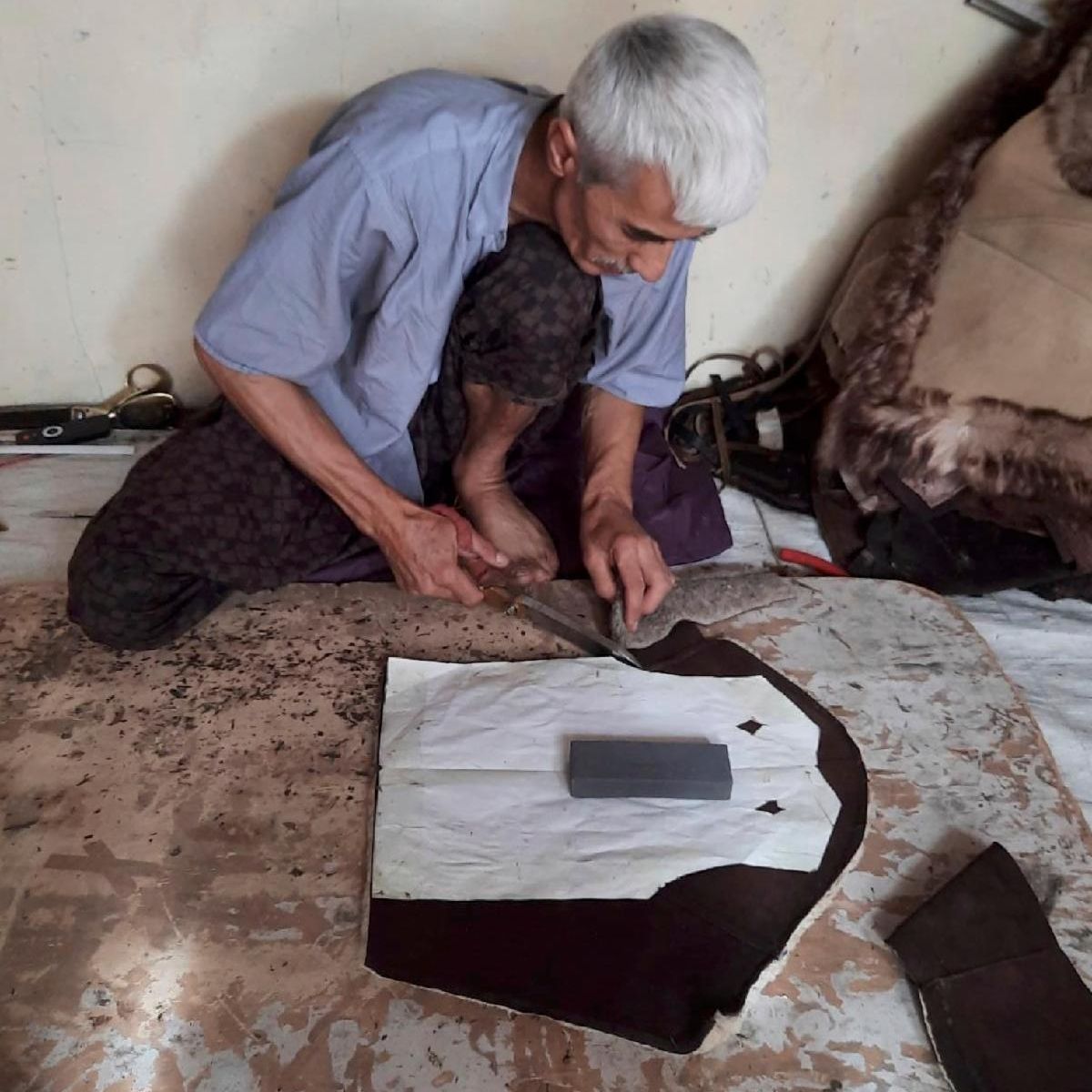
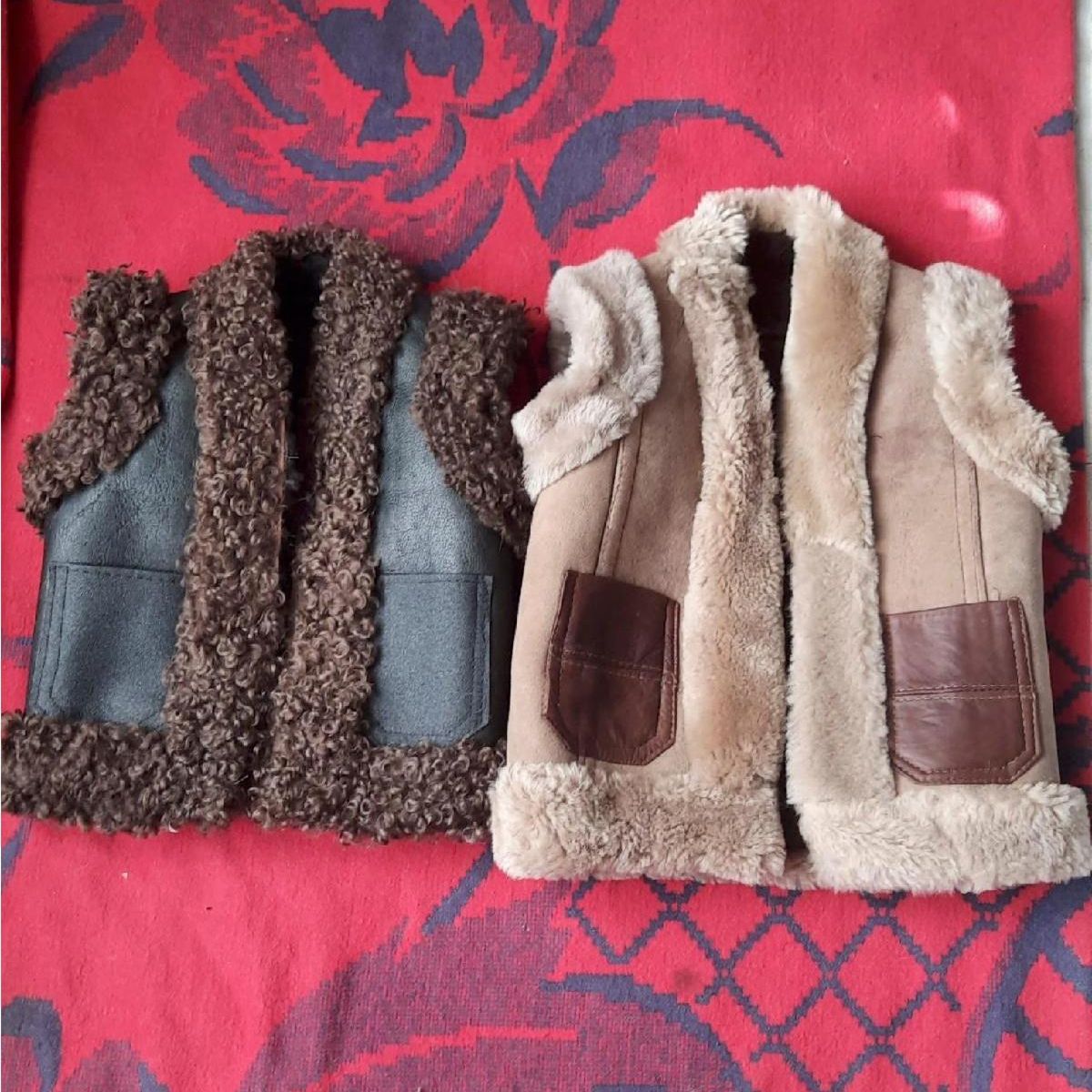
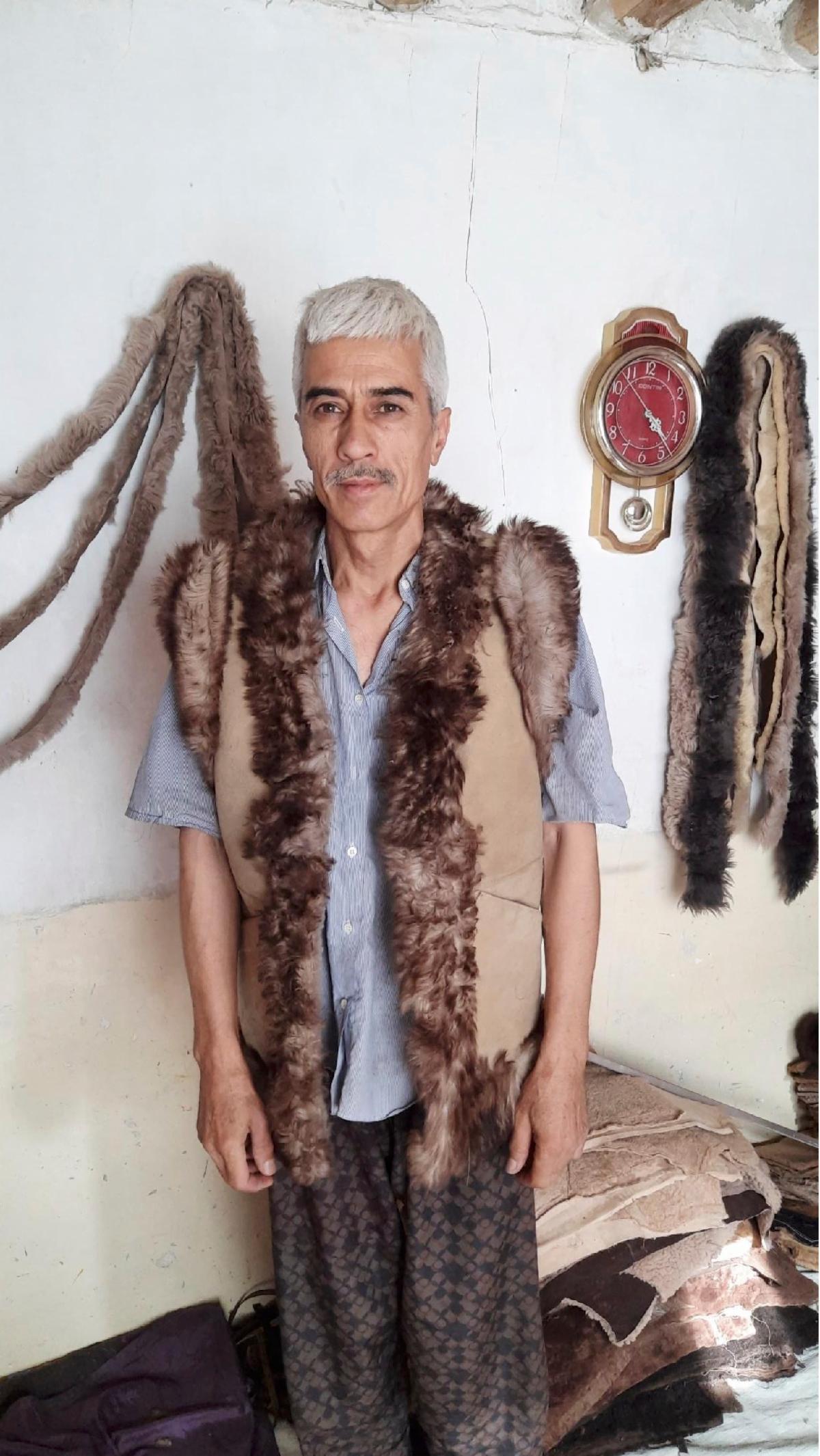
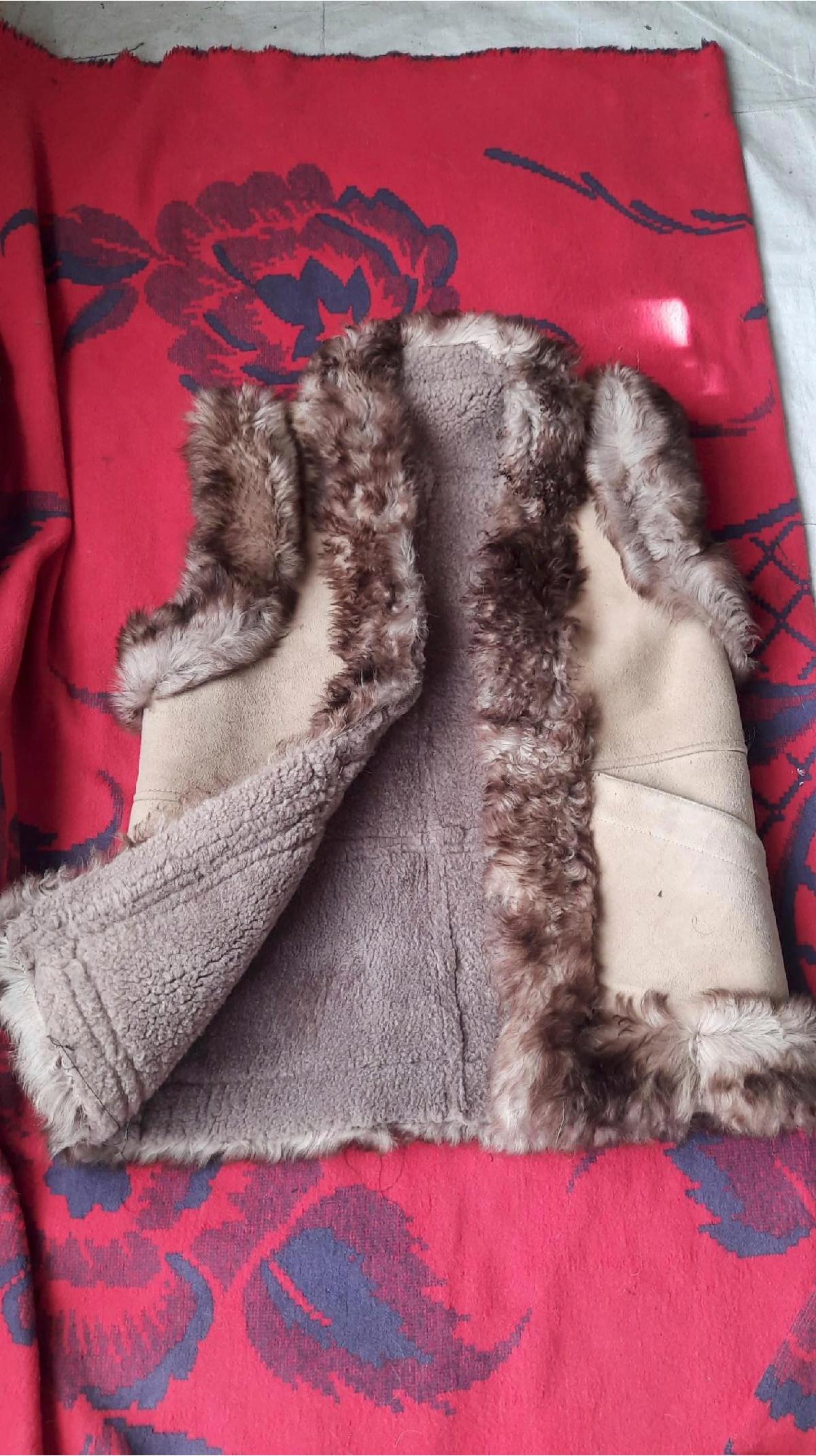
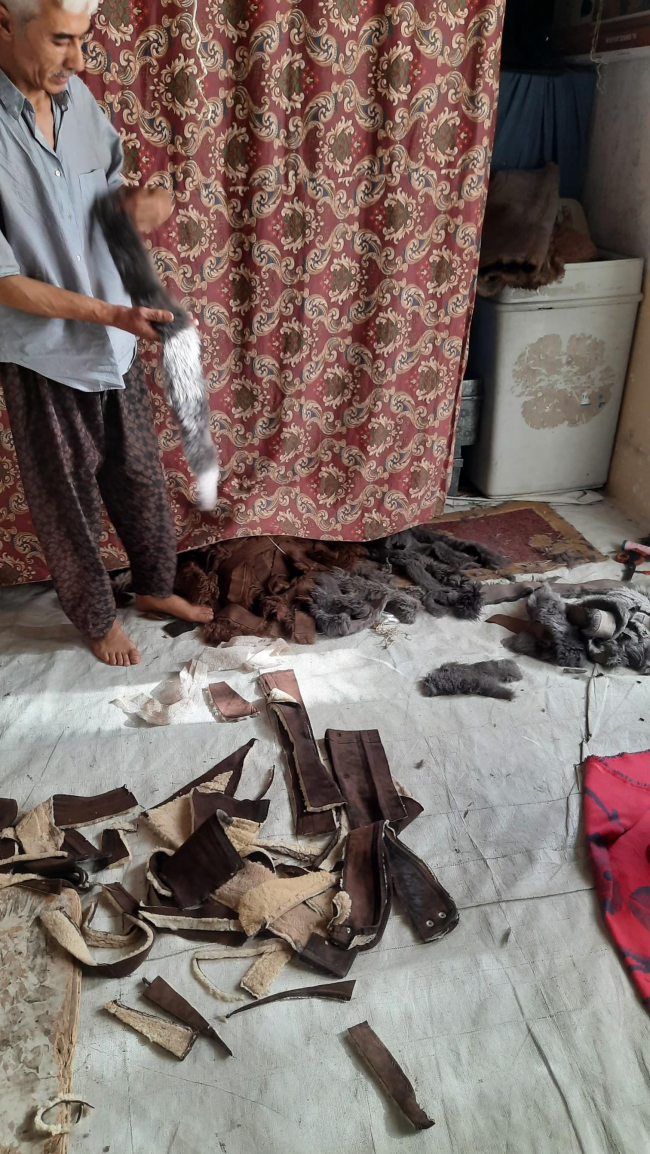
Abdul Ghafoor purchased a manual sewing machine and makes traditional jackets. He began by making them for someone else to sell. He's now saving money to purchase an electric sewing machine so he can make them faster. He'll also able to sell them himself. The jackets are so successful we'll be offering him a salary to teach others and possibly make them at our office in Kabul.
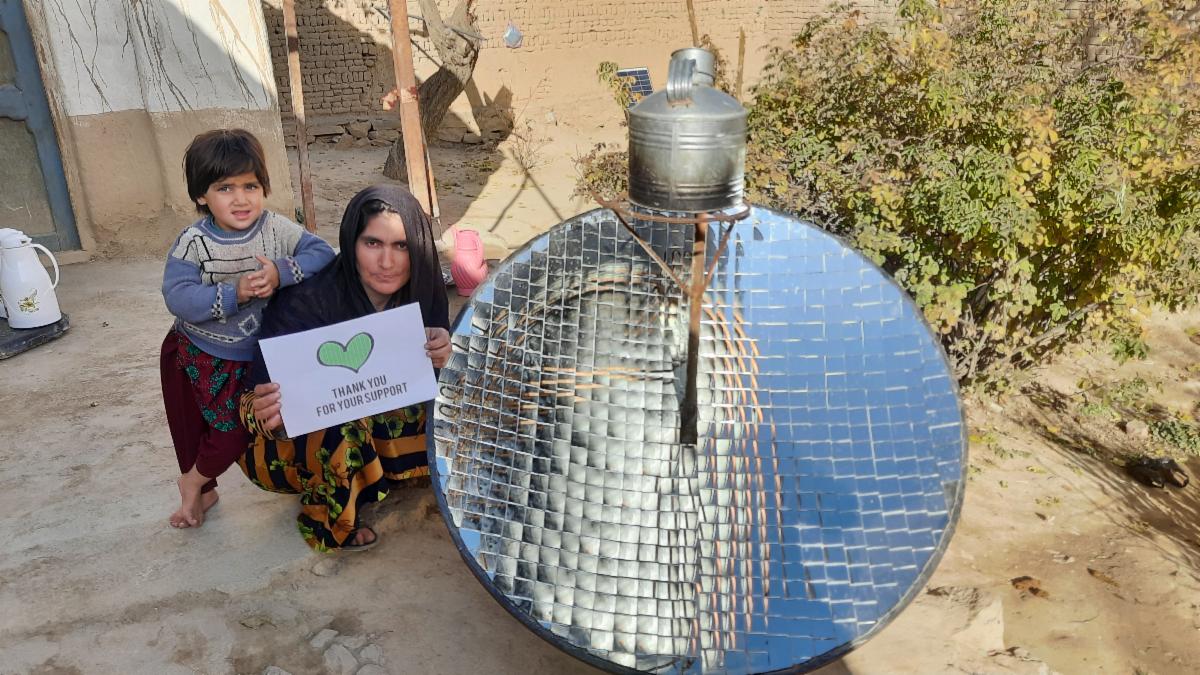
The Bahram family purchased a solar cooker.. You may recall, years ago we provided over 6,000 small cookit solar cookers to 3,000 families living in refugee camps in Kabul. We learned in the process that fifty percent of Afghans drink contaminated water and most of the families could not afford wood. In addition, two million people die a year from smoke inhalation. Prior to the purchase of the solar cooker, the family was burning plastic, paper, and waste to heat water and cook. This was a very savvy purchase, one we will now recommend to the other families.
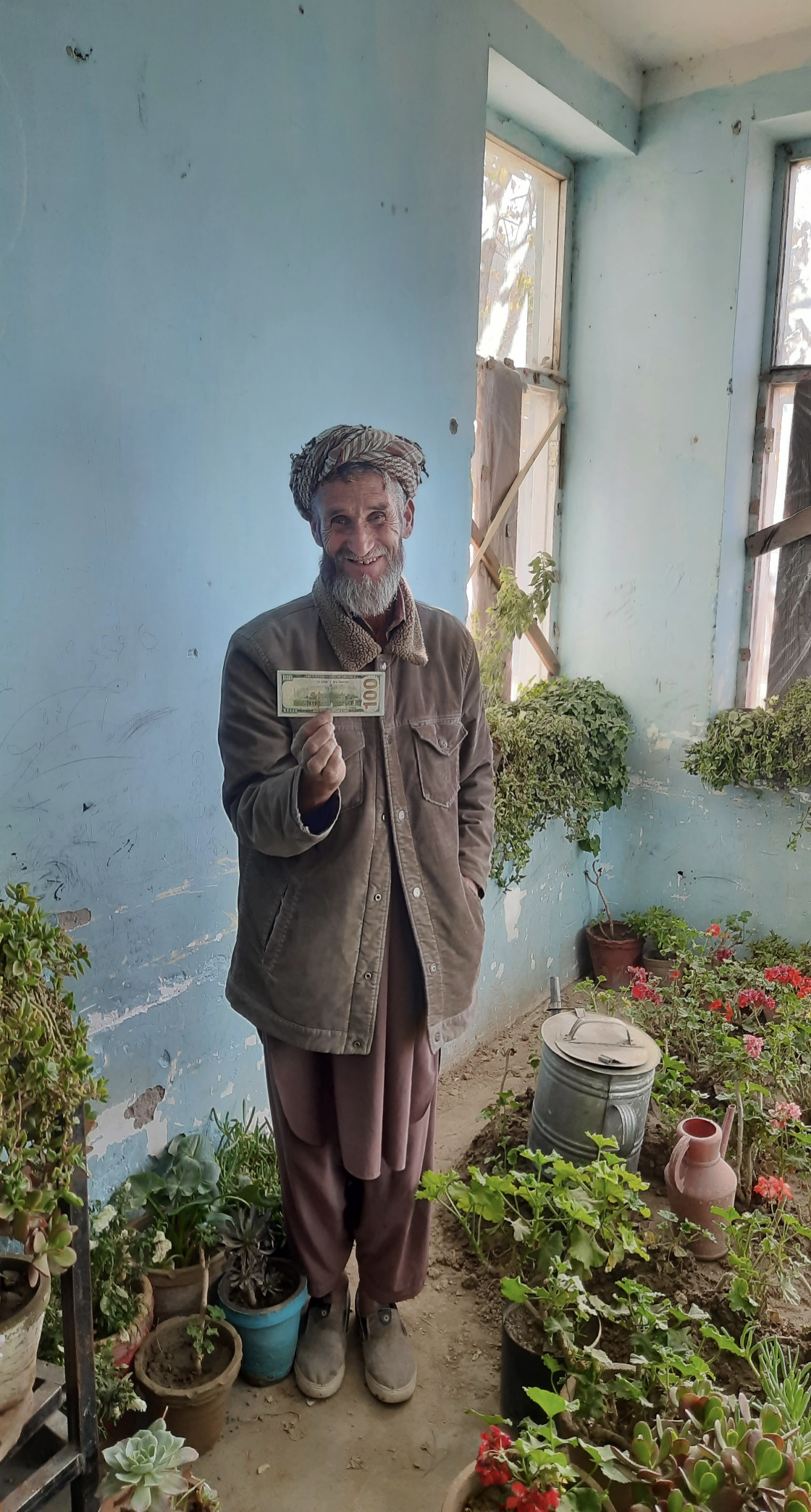
Before receiving support, Mohammad Yassin's sole source of income came from going to the Bazaar daily in search of work. Due to his advanced age he could not compete with younger men and earned very little. He built a small greenhouse in one of the two rooms they are living in. He's extremely happy tending to his nursery, which will be another and very pleasant source of income.
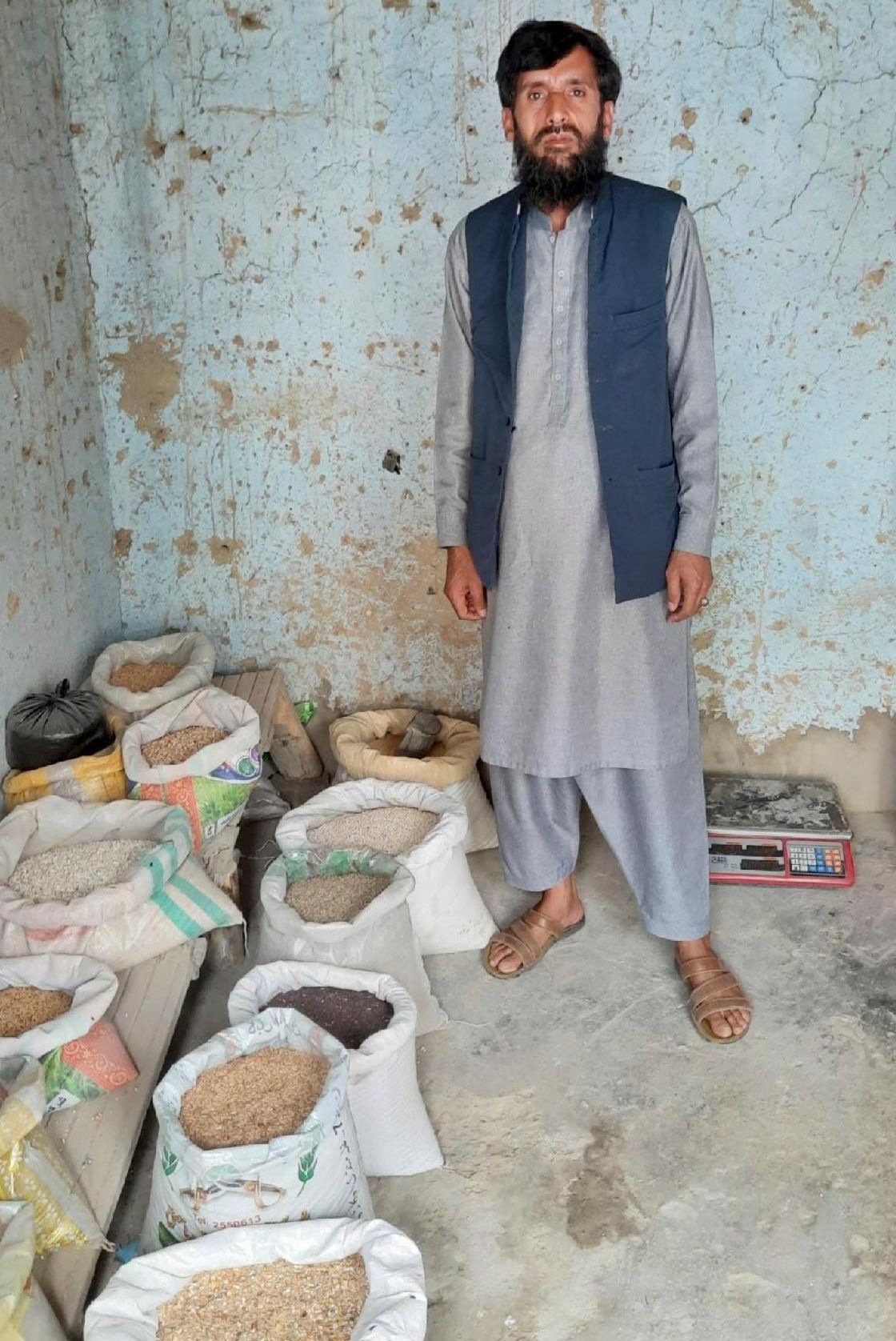
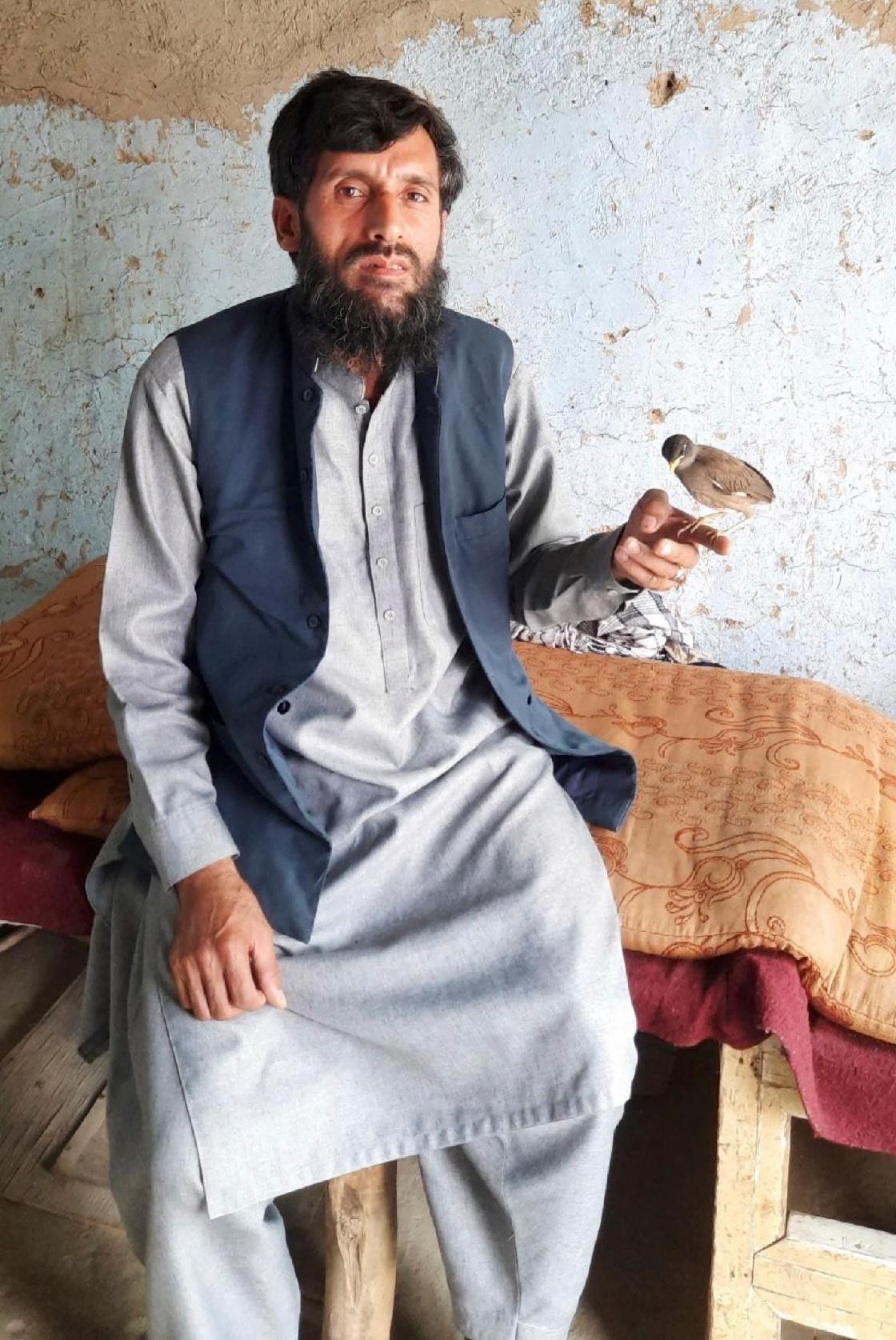
Sayed Asghar previously searched daily for manual labor jobs and most of the days he did not succeed. With less than $200 he managed to open a small shop that sells bird seed. When asked why he chose to sell bird seed he said there were no bird seed stores in his area and that bird seed does not spoil quickly. So, he didn't need to worry about the seed going bad. His shop produces 180 - 200 Afghanis a day. That's around $2 a day.
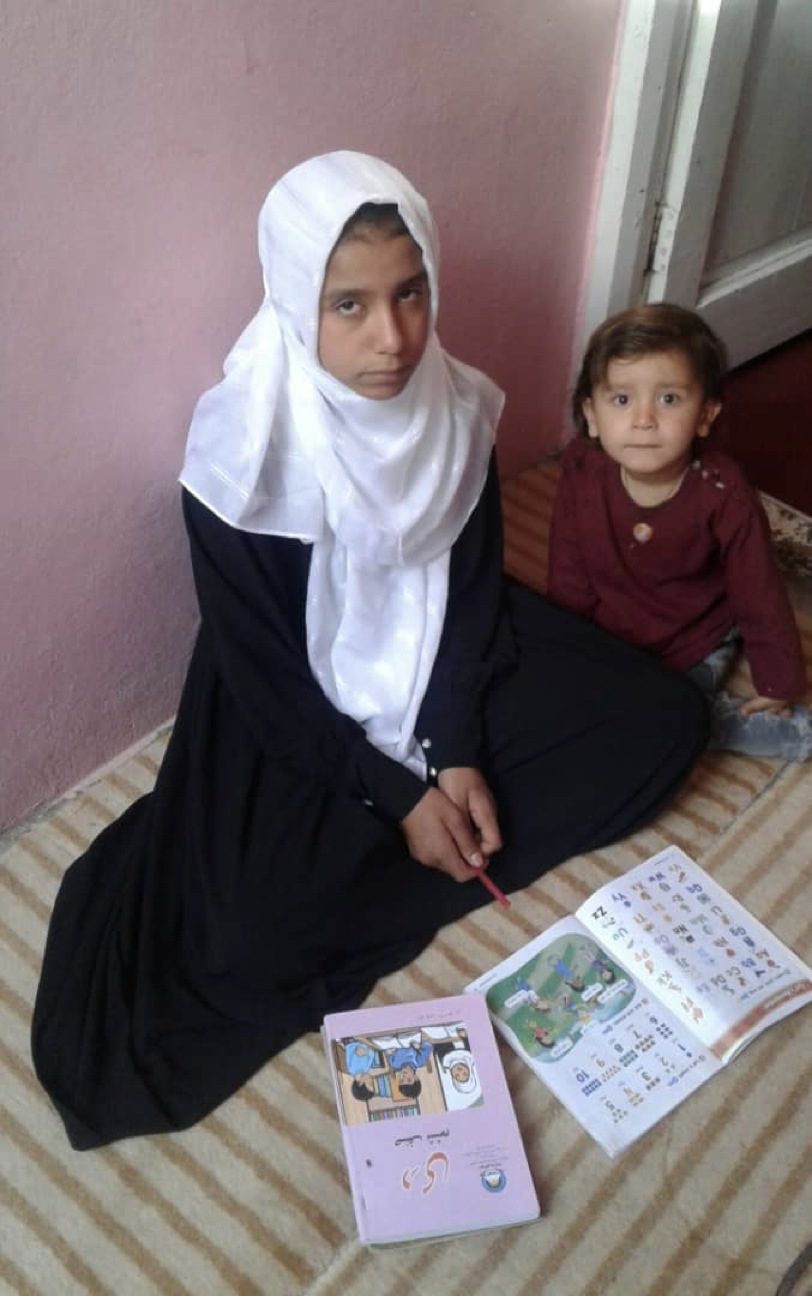
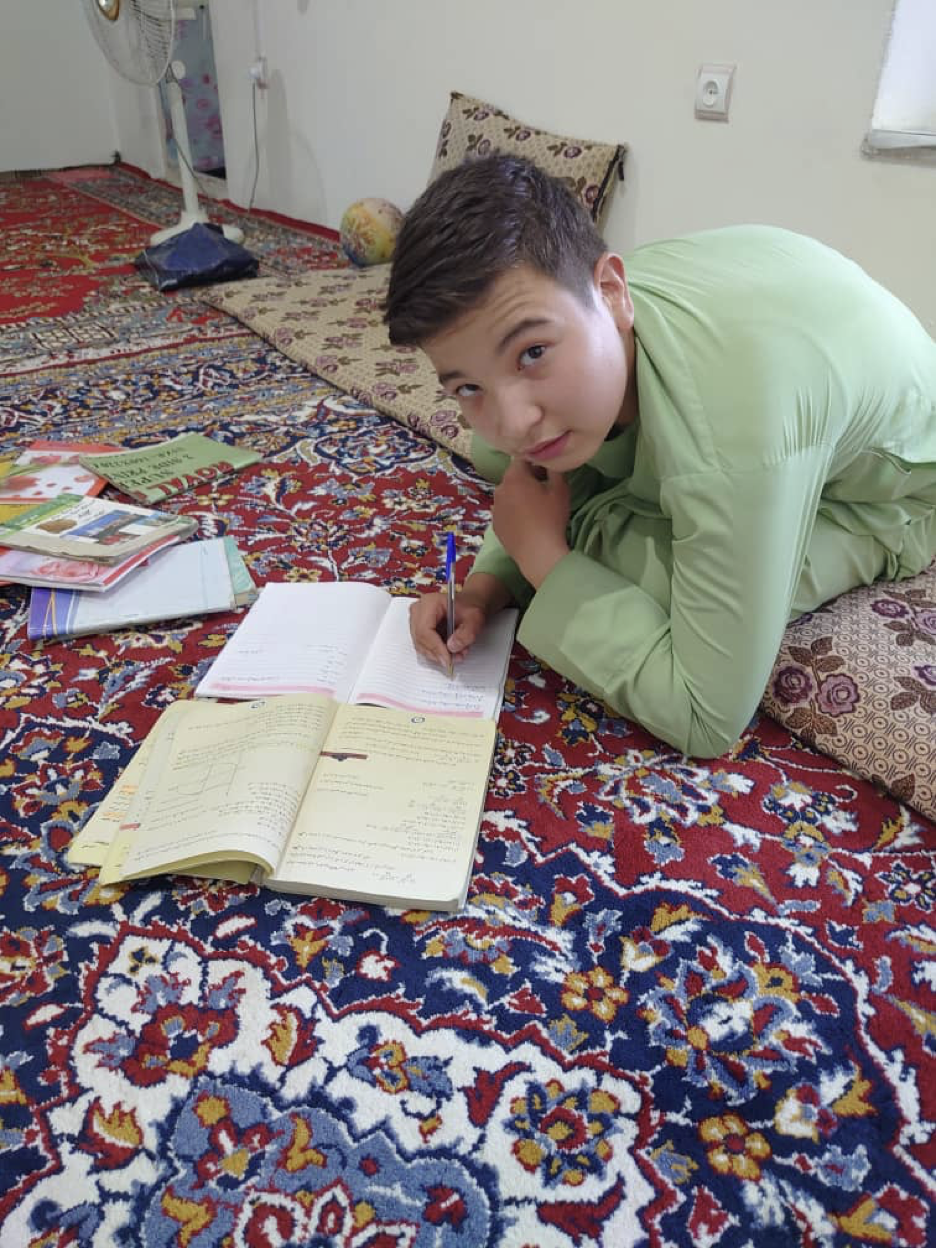
Many of the families are using some of their funds to educate their children, inside and outside their homes. As you know the Afghan government is currently not providing an education for girls beyond the sixth grade. A recent pronouncement by the Minister of Higher Education indicates that they aren't likely to when the schools open in the Spring. I'll write about that later.
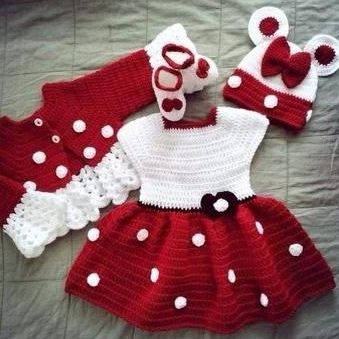
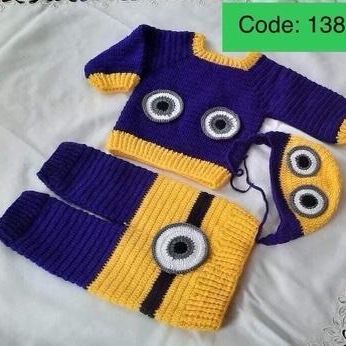
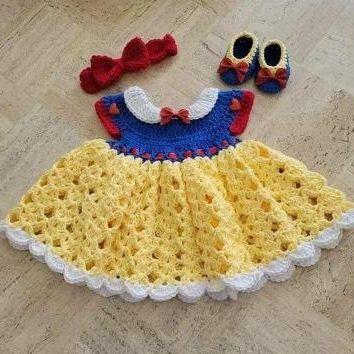
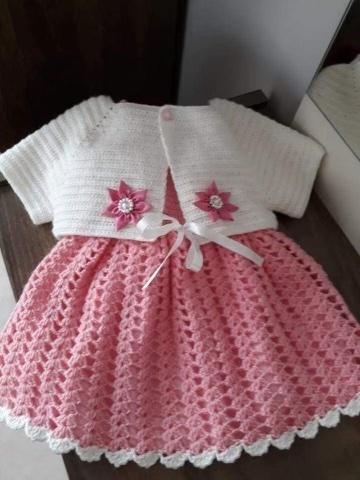
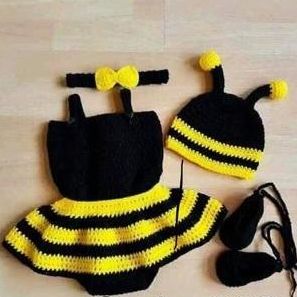
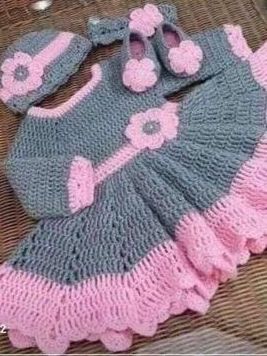
Nabi, Mujeeb and I are discussing advancing funds to buy materials for the families to knit clothes to be sold in Afghanistan. Below are photos of samples of what they can make, sent to us a few days ago. Our challenge will be marketing and maximizing the amount they will receive for what they produce.

What the family sponsorship program has done is make me realize we can and must do more than provide a traditional education for Afghan children. They are not educating girls above the sixth grade and it's the sixth poorest country in the world. Even if educated, how many jobs will there be?

We can provide start up capital, teach marketable skills, support entrepreneurs and help with marketing what they produce at home. That we can and will do in 2023.

Miles to go .....


Budd

ps Annual Report will be out soon
How Can You Help TIE?
Trust in Education | www.TrustinEducation.org