Hello Zhen,


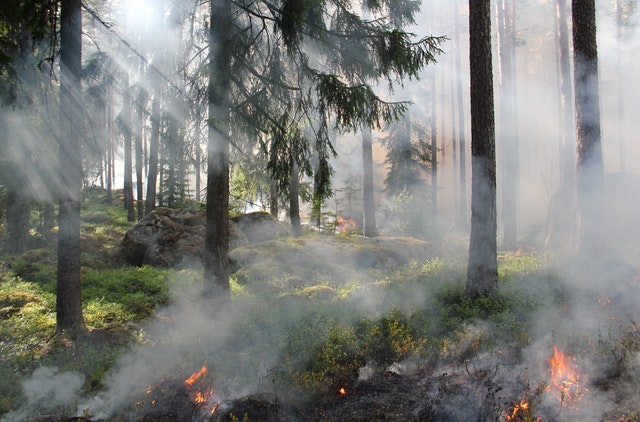
As spring turns into summer, with hotter temperatures and smoke from wildfires impacting the air we breathe, the difficulties that people living with asthma face around air quality become even more pronounced.


Wildfires have been an issue for many Canadians living in the areas directly affected for the past few weeks. Smoke from these extensive events has now created air quality issues for people across the country, and for those living with asthma, it’s important to stay on top of these issues and be prepared to stay healthy. Asthma Canada is here to help! See below for information on wildfires and poor air quality, what you can to help yourself and those around you with asthma and other lung health conditions, and how you can reach us for support.


With recent events highlighting the importance of air quality and the environment, Asthma Canada is pleased to support and promote two important environmental awareness initiatives this month. Environment Week, observed from June 4th to June 11th, is an opportunity for individuals, communities, and organizations to come together and take action for a healthier planet. Clean Air Day, celebrated on June 7th, focuses specifically on the importance of clean air for our well-being. Both initiatives are helping educate Canadians about environmental issues and their impact on our health, and ways that Canadians can get involved and lend their voices.


Asthma Canada is committed to raising awareness about the impact of the environment on respiratory conditions like asthma, and advocating for policies that support environmental sustainability. With your support, Asthma Canada has helped lead and shape policy directions that improve the environment and quality of the air we breathe. We have taken a stand in favor of the elimination of coal fired power generation. We have actively participated in the Green Ribbon Panel and other coalitions that are driving forward clean energy and clean air solutions. We are participating in initiatives to help improve the air that children breathe through the electrification of school buses. We regularly interact with decision makers and government officials, always with the health and well-being of Canadian asthma patients at the centre of our messaging. To learn more about our advocacy and policy priorities and how you can get involved, visit Advocacy - Asthma Canada.


In this week's ACMAblast, you'll find tips for managing asthma and allergies during this time, a recording of our webinar on Understanding Clinical Trials, a resource all about triggers, and a survey ask from our partners at Pollution Probe.


Thank you to Asthma Canada’s community members, volunteers, donors, and partners for your ongoing support, which is vital to our work in providing leadership, advocacy, public awareness, information, and innovation in the areas of asthma, allergies, respiratory health, and the environment. Together, we are making a difference, one breath at a time.


Stay safe and healthy,


Jeffrey Beach

President & CEO, Asthma Canada

And the Asthma Canada Team

Canada-wide Air Quality Health Warnings

During wildfires and periods of poor air quality, it's important for people with asthma to take extra precautions to manage their condition and minimize exposure to the pollutants in the air. Here are some tips to help you cope with wildfires and poor air quality:


  1. Stay informed: Keep track of local air quality updates and wildfire information from reliable sources like Environment Canada and the Weather Network.
  2. Have an updated Asthma Action Plan: Your plan should outline steps to take in case of worsening asthma symptoms or emergencies. Make sure you have necessary medications and supplies readily available.
  3. Limit outdoor activities: Stay indoors as much as possible. Avoid physical exertion and exercise outdoors during peak pollution periods. If going outside is necessary, wearing a well-fitted N95 respirator mask can offer some protection against smoke particles.
  4. Use air purifiers and filters: Use high-efficiency air purifiers (HEPA) and keep windows and doors closed to prevent smoke infiltration. Avoid activities that contribute to indoor air pollution, such as smoking or using strong chemicals.
  5. Take medications as prescribed: Follow your prescribed asthma medication regimen, including both preventive and rescue medications. If necessary, consult your healthcare provider to adjust your medication plan during episodes of poor air quality.
  6. Stay hydrated: Drink plenty of fluids to keep your airways hydrated. This can help reduce symptoms and keep mucus thin, making it easier to cough up if necessary.


If you have questions on managing your asthma and allergies in times of poor air quality, please contact our HelpLine at 1-866-787-4050 or info@asthma.ca

Missed our latest webinar? Watch it online now!

Missed our latest webinar on Understanding Clinical Trials? You can now watch it online on our YouTube channel. Learn all about:

  • what are clinical trials and why do they happen?
  • what health interventions are studied? (i.e., drugs, diagnostic, lifestyle etc)
  • what are the phases of clinical trials?
  • how can I get involved?
  • how can I learn about asthma clinical trials?
Watch here!

Resource Spotlight

Pollen and other allergens are everywhere


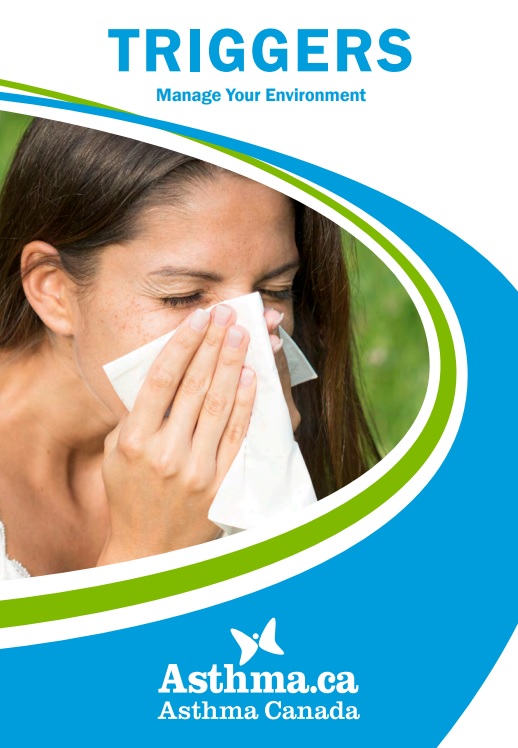
This booklet covers allergic triggers and non-allergic triggers, steps that can be taken to improve asthma control, and a checklist to use when planning ways of minimizing exposure.

Triggers: Manage Your Environment
 

Study: Canadian EV Charging Experience Survey

Pollution Probe is leading a project to better understand the real-world charging experiences of electric vehicle (EV) owners in Canada. The project includes a 2023 survey which will identify strengths and weaknesses of the existing public charging network to help inform policies and priority-setting related to public EV charging across Canada.


This survey is exclusively for Canadian owners of battery electric and plug-in hybrid electric vehicles (EVs). Results from the study will be used to develop a series of recommendations to help inform decision-making and priority-setting with regard to EV charging infrastructure. The objective of the study is to identify the strengths and weaknesses of Canada’s existing EV charging network based on the real-world experiences of EV owners.

Participate Here!

Support Asthma Canada. Donate Today.

 
Facebook  Twitter  Instagram  Linkedin  
Asthma Canada | Charitable Registration Number 898537048 RR0001