(Photo by OLIVIER DOULIERY/AFP via Getty Images) |
|
What Just Happened?
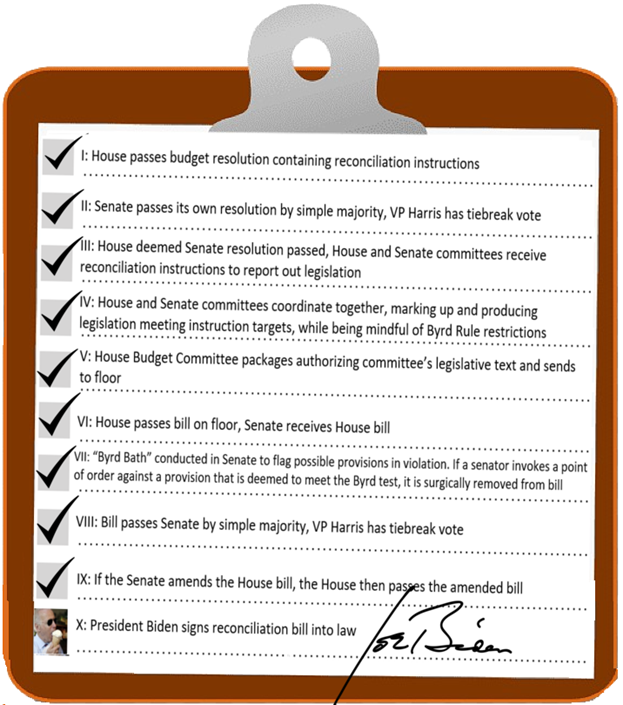
On Wednesday, March 10, the House passed H.R.1319 - American Rescue Plan as amended and passed last weekend in the Senate. This most recent coronavirus relief package passed on a near party-line 220-211 vote, as only Rep. Jared Golden (D-ME) crossed the party line and voted no with Republicans. After initially announcing he would sign the bill into law Friday afternoon, the president signed H.R. 1319 on Thursday, March 11, speeding up direct payments to most Americans.
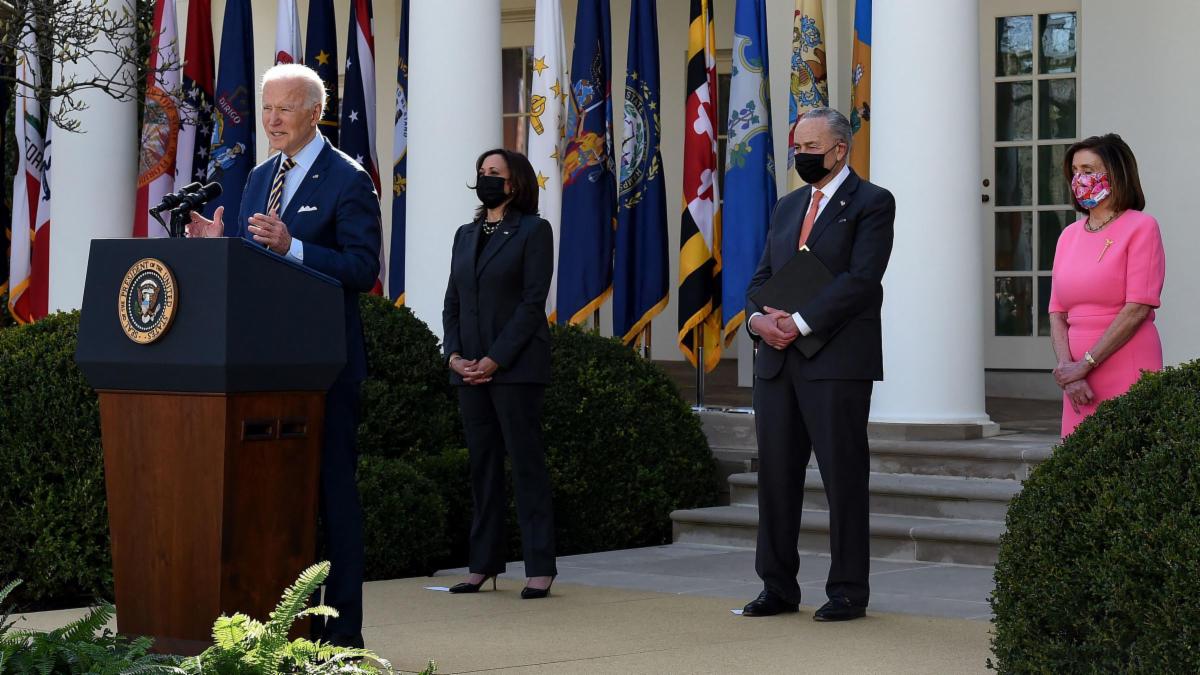
Speaking from the Rose Garden during the signing event today, President Biden said, “I promised the American people, and I guess it’s becoming an overused phrase, that help was on the way. But today, with the American Rescue Plan now signed into law, we’ve delivered on that promise. And I don’t mean I’ve delivered, we’ve delivered.”
|
|
So, What's in It?
This is a comprehensive, all-encompassing bill, but here is a funding highlights reel:
Health/Coronavirus Response
- $7.5 billion in CDC funding for vaccine distribution and $5.2 billion in BARDA funding for vaccines and supplies procurement.
- $48.3 billion for COVID-19 testing efforts (hiring staff, contact tracing, PPE for frontline health workers).
- $7.66 billion for public health workforce bolstering and response to COVID-19.
- $7.6 billion for community health centers, $1.44 billion for Older Americans Act programs, and $800 million for the National Health Services Corps.
- $3.88 billion to expand on mental health and substance abuse treatment investments made in the late 2020 package.
- In healthcare support:
- $35 billion in premium subsidy increases for ACA marketplace participants.
- Forgiveness of $6 billion in payments.
- 5 percent increase on base FMAP rate for two years for states that have not expanded Medicaid.
- Subsidized 100 percent of COBRA premiums for six months for those who lost jobs or had reduced hours.
- Increases rebates that pharmaceutical companies owe to Medicaid programs.
- $8.5 billion for rural providers.
- $50 million for FEMA’s Disaster Relief Fund, which includes the ability to allocate funds for funerary reimbursement for families of those who have passed due to COVID.
- $7 billion to expand of PPP eligibility to include additional non-profits such as 501(c)(5) labor and agricultural organizations and community locations of larger non-profits.
- Creation of FEMA Grant Program for emergency response organizations (food pantries, shelters, firefighters, emergency managers among many others).
- $150 million in additional COVID-19 related projects for Manufacturing USA program available for rapid awarding.
- $350 billion to states, territories, tribes, and local governments for COVID response efforts and economic recovery, as well as $10 billion for a new Critical Infrastructure Projects program.
- $100 million to EPA to update national air quality monitoring system and to reduce air and toxic pollution linked to COVID deaths.
Education
- $125 billion for public K-12 schools for safe reopening and in-person learning.
- $39.6 billion for colleges and universities, at least half of which must be spent on emergency financial aid grants to students.
- $7.172 billion to FEC to help schools and libraries expand broadband for remote learning.
Economic Assistance
- $1,400 direct payments to supplement $600 sent out in December to taxpayers economically burdened by pandemic.
- $15 billion in new funding for Targeted EIDL grants for hard-hit, underserved small businesses with increased flexible grant relief.
- $4.5 billion for Low-Income Home Energy Assistance Program (LIHEAP) and $500 million for low-income water assistance.
- $200 million for Department of Labor worker protection enforcement activities, including increases to Wage and Hour Division, Office of Workers’ Compensation Programs, the Mine Safety and Health Administration, and the Occupational Safety and Health Administration.
- An additional $21.55 billion for emergency rental assistance on top of $25 billion in December package.
- $9.961 billion in funding to states, territories, tribes, and tribally designated housing entities to provide mortgage and utility assistance for homeowners.
- Retraining program for veterans who have lost their job due to COVID, as well as funding for State Veterans Homes and waivers for veterans’ copays during the pandemic.
Transportation
- $30.4 billion additional relief to transit agencies to prevent layoffs and severe service cuts to public transportation.
- Extension of airline payroll support program and support for airports through workforce retention requirements associated with federal relief.
Food and Agriculture
- Previous COVID relief legislation’s 15 percent SNAP benefit increase is extended through to September 30, 2021.
- $4 billion provided to support food supply chain through financial support to farmers, PPE for farmworkers and other frontline food workers, and other resiliency efforts.
Tax
- Extension and expansion of paid sick and FMLA leave tax credits.
- Extension of unemployment insurance and creation of a $10,200 tax exclusion for unemployment compensation income for tax year 2020 for household incomes under $150,000.
- Earned Income Tax Credit and Child Tax Credit are both significantly expanded. EITC is nearly tripled, and the CTC is increased from $2000 to $3000 and made fully refundable.
|
|
|
|
|
|
|