https://files.constantcontact.com/224bdf21201/6c9745e5-6344-475d-bfe6-79ab7cbe3046.jpg?rdr=true
Science Take-Out kits are ready-to-go
with no prep and no lab equipment required. 
Convenient, engaging, and cost-effective!

Climate Change and Health

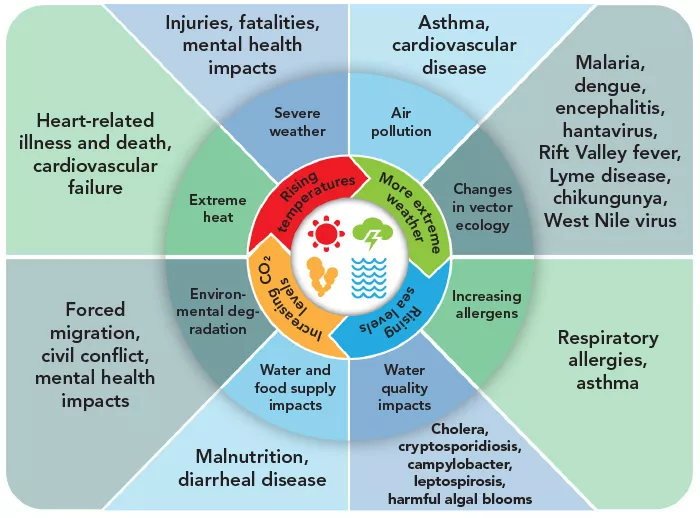
Climate change impacts human health in numerous ways through rising temperatures, severe weather events, and effects on air, water, and food supplies.


  • Extreme Heat: Heatwaves can cause heat exhaustion and heatstroke, and can worsen pre-existing cardiovascular and respiratory health conditions. Rising temperatures, prolonged heatwaves, and shifting climate patterns can also impact crop yields, livestock health, and water availability.


  • Air Pollution:  Higher temperatures and wildfires increase particulate matter and ground-level ozone, aggravating asthma and lung diseases.


  • Infectious and Vector-Borne Diseases: Warmer climates expand the geographic range of disease-carrying insects, increasing the transmission of diseases such as malaria, dengue fever, and Lyme disease.


  • Water and Food Insecurity:  Floods, droughts, and changing rainfall patterns can contaminate water sources with pathogens and reduce crop yields, leading to undernutrition and waterborne illnesses like cholera and diarrhea.


  • Mental Health Risks: Natural disasters, displacement, and economic loss contribute to mental health and stress-related illnesses such as anxiety, depression, and post-traumatic stress disorder (PTSD).

Science Take-Out has a variety of kits for students to learn about climate change and health. We highlight five of these kits below. The kits use hands-on activities and real-life scenarios to address a wide range of biology and health science concepts and Next Generation Science Standards.


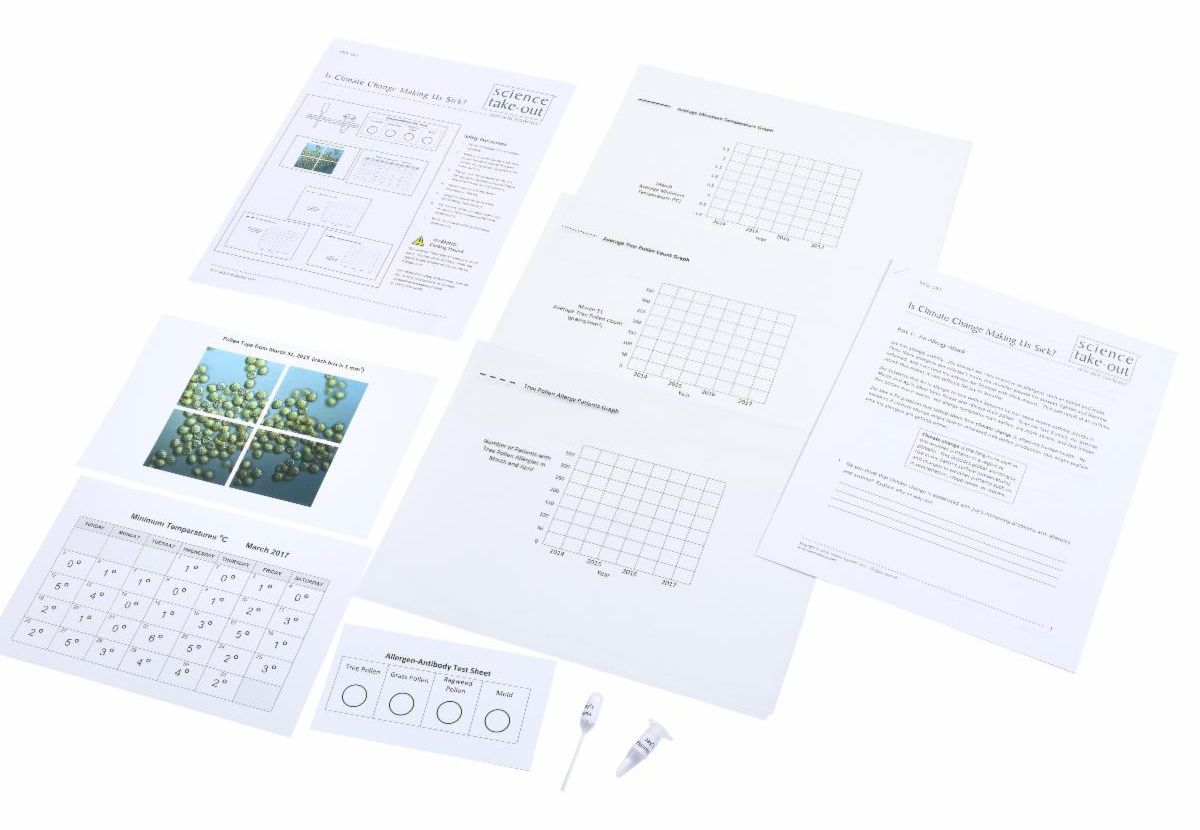
Is Climate Change Making Us Sick?


Explore how climate change may lead to health problems.

  • Follow the case of a patient with increased problems with his allergies.
  • Conduct simulated antibody tests for allergens.
  • Graph and analyze data to determine if there is a correlation between temperature, pollen counts, and allergy symptoms.
 

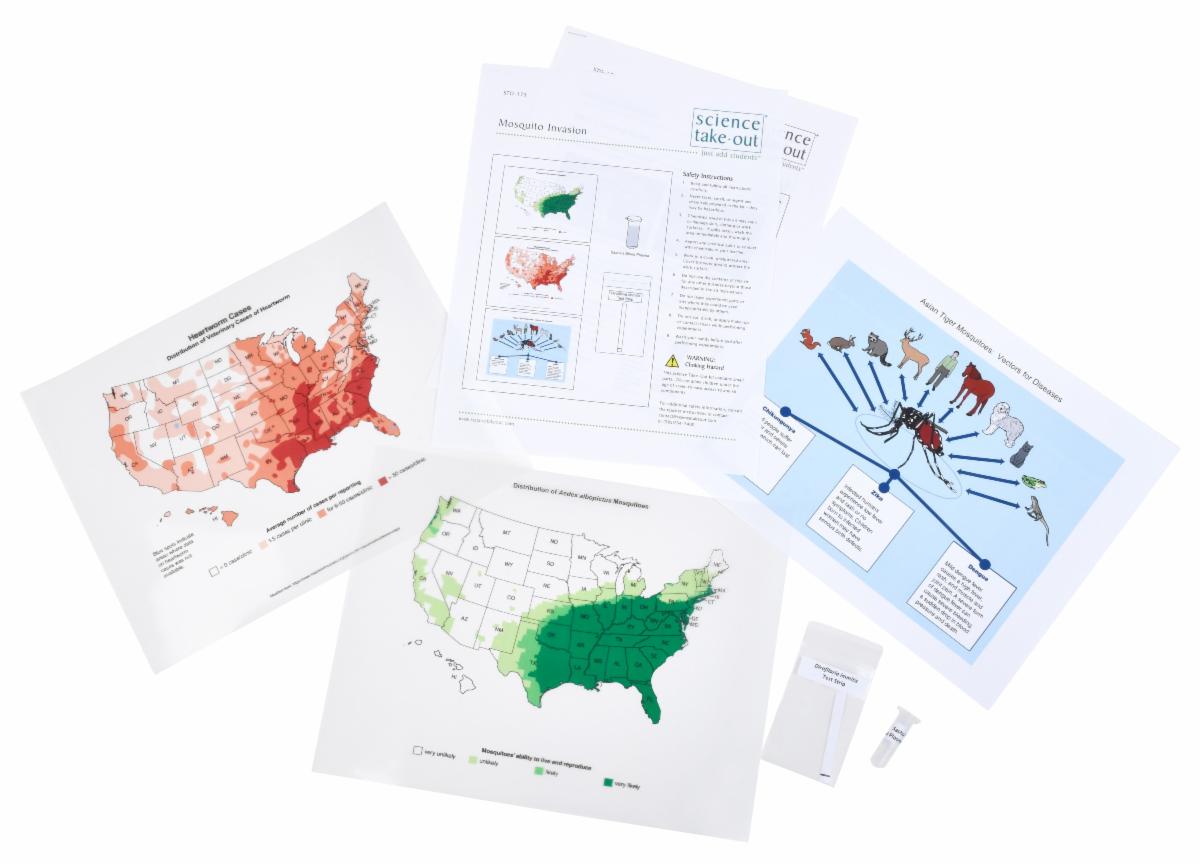
Mosquito Invasion


Why are invasive mosquitoes spreading and causing diseases?

  • Learn about diseases that are transmitted by mosquitoes.
  • Analyze data about an invasive species of mosquito whose range is expanding.
  • Explore how climate change can lead to the increase of mosquito-borne diseases.
  • Investigate what individuals and communities can do to control mosquitoes and prevent outbreaks of diseases that they carry.
 

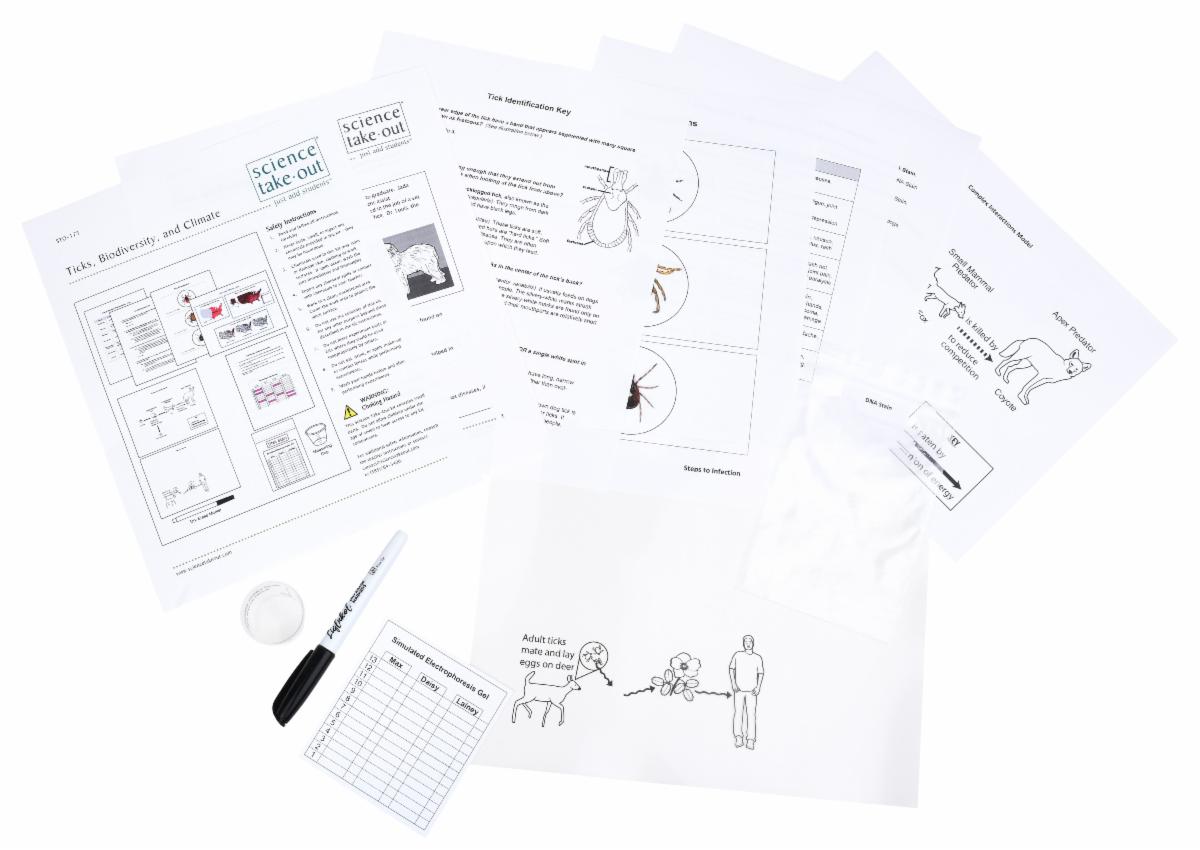
Ticks, Biodiversity, and Climate


Follow a real-life scenario to investigate why tick-borne diseases are on the rise.

  • Identify ticks found on three dogs and determine what diseases these types of ticks can transmit to humans.
  • Perform simulated DNA electrophoresis to investigate tick pathogens.
  • Analyze data on tick-borne diseases, tick distribution, and climate to explain the increase in tick-borne diseases.
  • Use a model to explore how biodiversity and interactions in the ecosystem are involved in the pattern of tick-borne diseases.
 

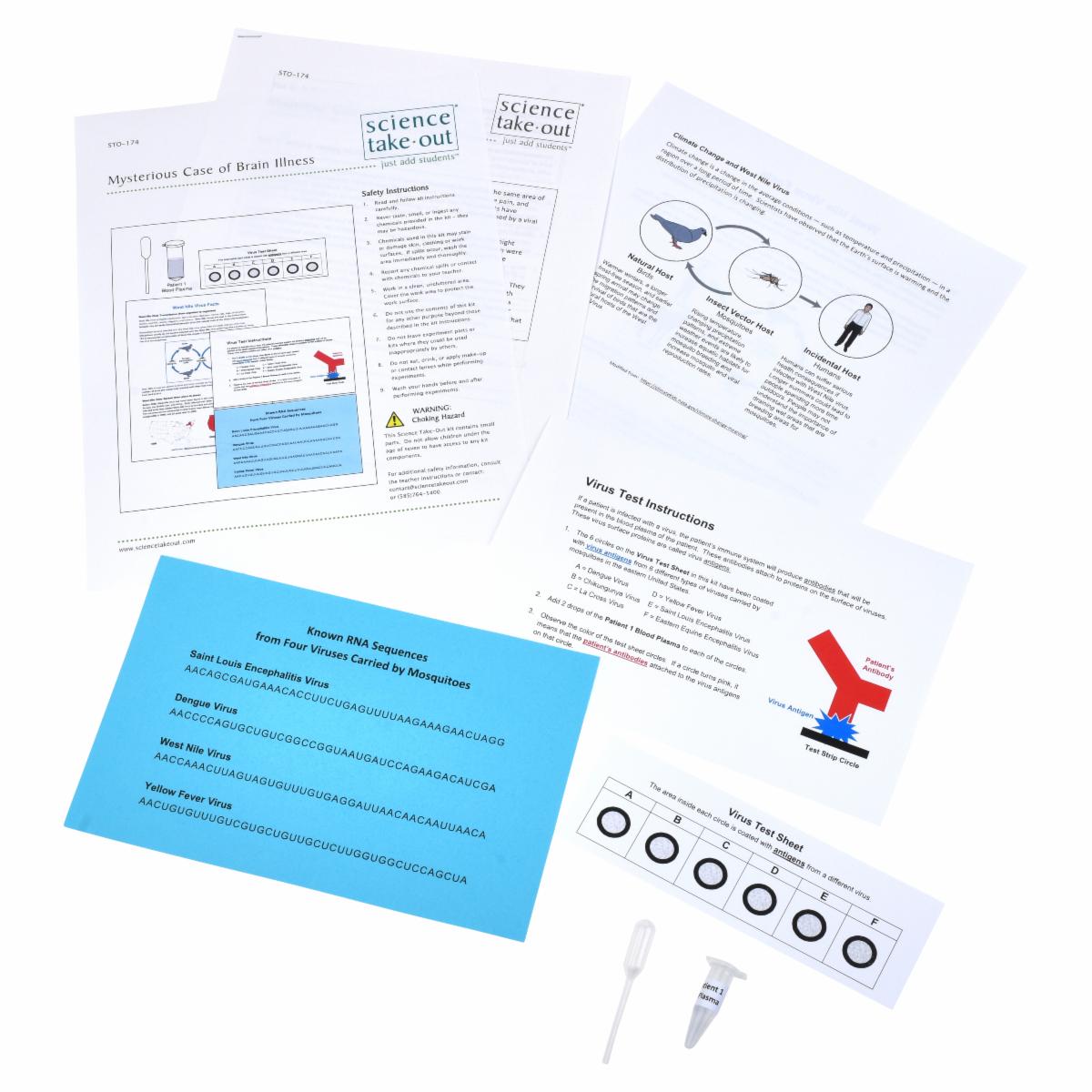
Mysterious Case of Brain Illness


Follow the real-life case of an outbreak of encephalitis (a brain illness) in a New York City neighborhood.

  • Conduct simulated testing of patient antibodies to identify what type of virus is causing the illness.
  • Analyze simulated RNA sequences from viruses to determine if there is a link between bird deaths and the encephalitis outbreak.
  • Learn how West Nile virus is transmitted and spread.
  • Explore how climate change may affect mosquito populations and the health of humans.
 

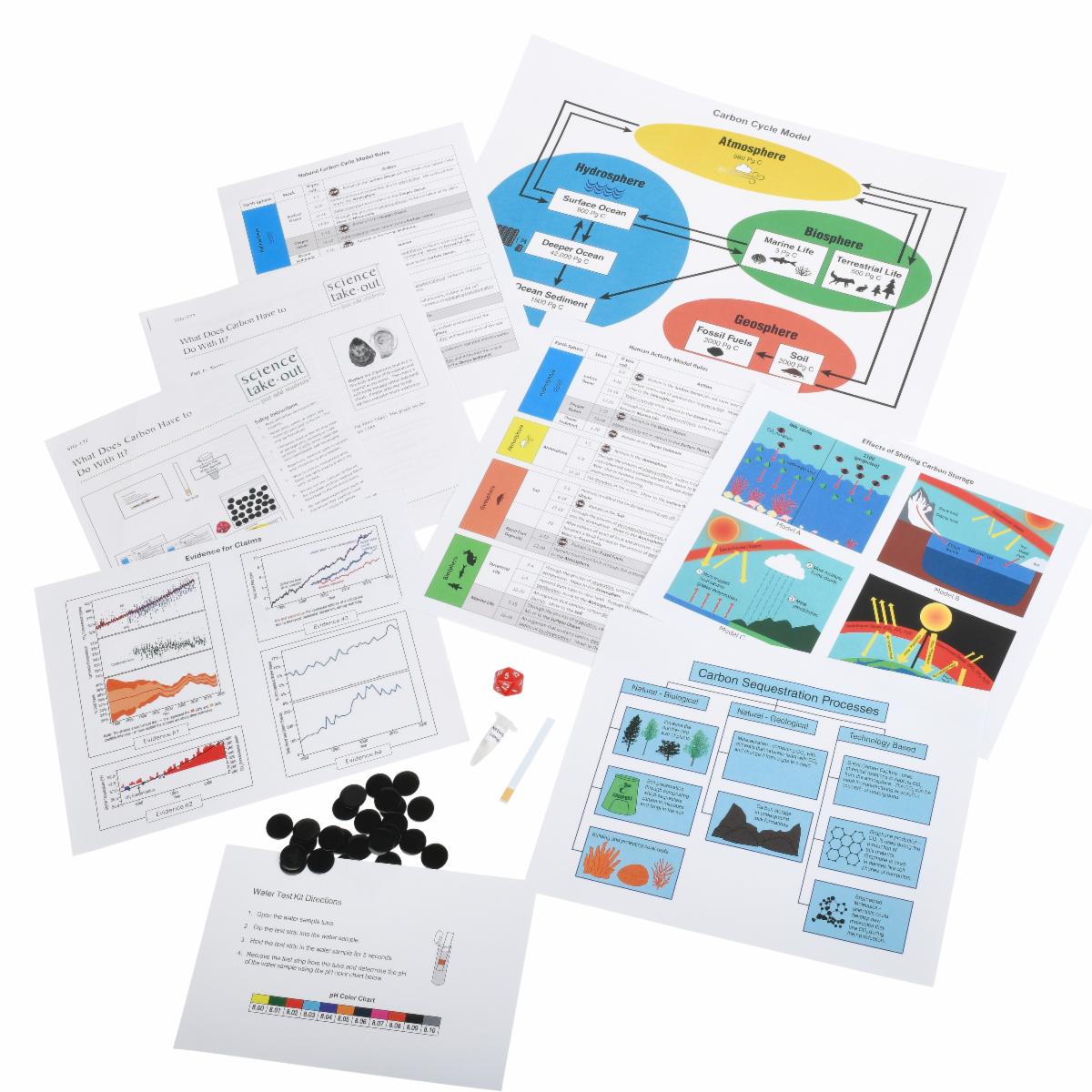
What Does Carbon Have to Do With It?


Investigate why the oysters are dying at an oyster farm.

  • Test a simulated sample of ocean water to determine the level of carbon dioxide in the water.
  • Use models of the carbon cycle to identify sources of carbon and to explain how carbon moves through Earth’s spheres.
  • Explore how human activities can modify the amounts of carbon in Earth’s spheres.
 
Facebook  X  Instagram  Bluesky  LinkedIn
Science Take-Out | (800) 943-1962 | www.sciencetakeout.com