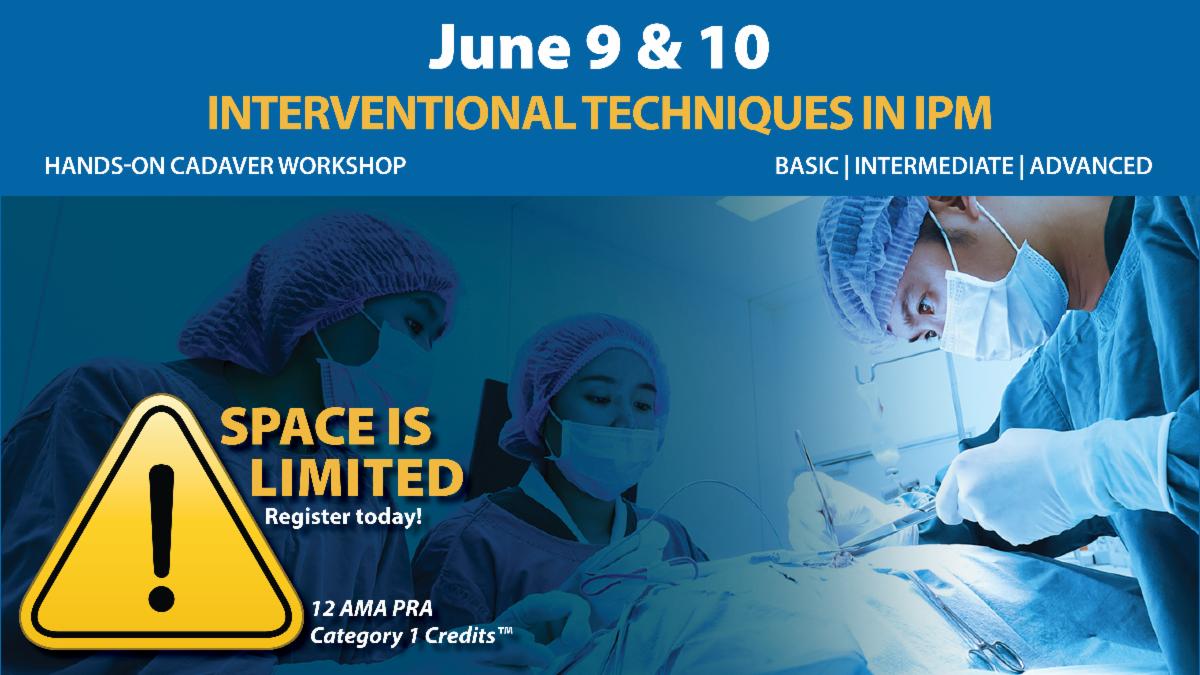
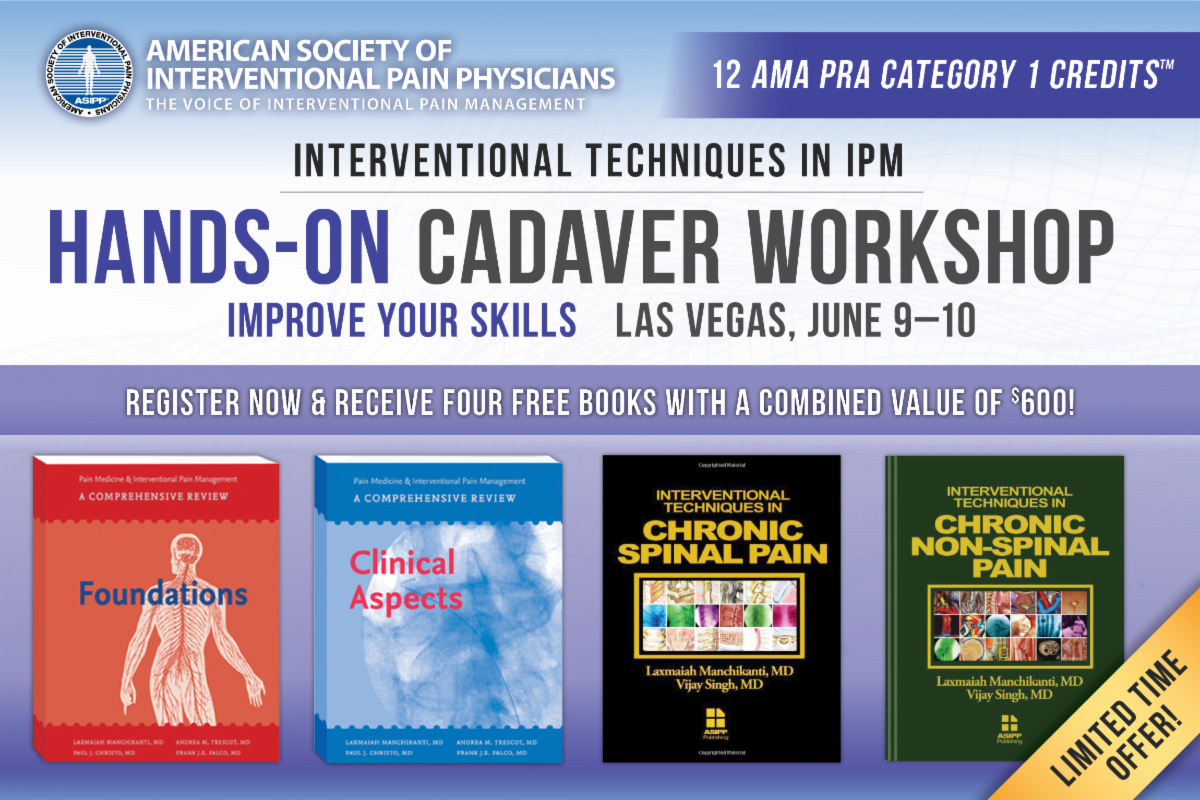
Have you registered for this
HANDS-ON CADAVER WORKSHOP?
You won't want to miss this opportunity!
|
|
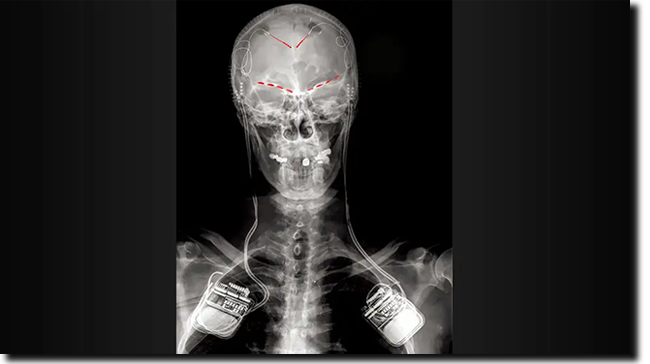
Real-world signals were seen mostly in the orbitofrontal cortex
Chronic pain was detected in the human brain for the first time, researchers reported.
Data were collected over months from four participants with refractory neuropathic pain who had intracranial electrodes implanted, according to Prasad Shirvalkar, MD, PhD, of the University of California San Francisco, and co-authors. Over 3 to 6 months, participants reported their pain levels several times a day at home while the electrodes recorded their brain activity.
The recordings showed that chronic pain states were mostly associated with activity changes in the orbitofrontal cortex, Shirvalkar and colleagues wrote in Nature Neuroscience. This differed from transient or acute pain, which was associated with anterior cingulate cortex signals in two participants.
|
|
The lab is now full but it's not too late to register for the 2-day symposium, June 9-10! |
|
HOTEL
RESERVATIONS
WYNN AND ENCORE
LAS VEGAS
3131 Las Vegas Blvd. South
Las Vegas, NV 89109
Phone: (702) 770-7000 | Toll Free: 888-320-7123 | Fax: (702) 770-1500
If you have trouble reserving a room, contact Karen Avery at kavery@asipp.org with questions or concerns.
|
|
SUMMARY
The Centers for Disease Control and Prevention (CDC) is issuing this Health Alert Network Health Advisory about an outbreak of suspected fungal meningitis among U.S. patients hospitalized in Texas after undergoing cosmetic procedures under epidural anesthesia in the city of Matamoros, state of Tamaulipas, Mexico. It is currently unknown which organism(s) is causing the outbreak. A fungal etiology is suspected based on elevated cerebrospinal fluid (CSF) levels of the fungal biomarker (1,3)-beta-D-glucan in at least one patient. As of May 12, 2023, five patients have been diagnosed with suspected fungal meningitis; all have been hospitalized, and one has died. All these patients received epidural anesthesia and underwent cosmetic procedures. Affected patients underwent procedures in at least two clinics in Matamoros, Mexico, including River Side Surgical Center and Clinica K-3. Other facilities might be identified through further investigation.
Healthcare providers and the public should be aware that patients who underwent medical or surgical procedures under epidural anesthesia in Matamoros, Mexico, and who have developed signs or symptoms of possible meningitis (e.g., fever, headache, stiff neck, nausea, vomiting, photophobia, altered mental status) should promptly seek evaluation by a healthcare provider and convey that medical history.
Patients who underwent surgical procedures under epidural anesthesia in Matamoros, Mexico from January 1-May 13, 2023 are being notified to seek urgent evaluation, as early diagnosis and treatment have been shown to improve morbidity and mortality.
The current recommendations for both symptomatic and asymptomatic exposed patients include the following tests:
- Brain imaging, ideally an MRI with and without contrast, to assess for meningeal enhancement, vasculitis, stenosis, hemorrhage, or ischemia
- Diagnostic lumbar puncture (LP), unless contraindicated
- Extra CSF should be collected and stored for further testing
- Serum Beta-d-glucan (Fungitell®) and Aspergillus galactomannan
Symptomatic and asymptomatic patients with CSF WBC > 5 (accounting for the presence of RBCs) are recommended to receive aggressive, broad-spectrum, dual antifungal treatment using drugs with adequate CNS penetration because of the high case-fatality rate seen during previous outbreaks of fungal meningitis. Antifungal therapy should be started as soon as possible after collection of CSF. Additional information regarding testing and treatment is available in the Interim Guidance linked below.
Please share this information with ED providers. Providers should contact CDC ( fungaloutbreaks@cdc.gov) if they have exposed patients presenting for care.
RESOURCES:
|
|
Virtual
ABIPP Part I; ABIPP Path - Combined DCCPM/CSM virtual exam; ABIPP Competency Exam in IPM; ABIPP Competency Exam in Regenerative Medicine
Memphis, TN
ABIPP Part II - Practical Portion; ABIPP Competency Exam - Practical Portion; ABIPP Regenerative Medicine Competency Exam - Practical Portion
|
|
Longer-acting nasal spray to be available by end of the year
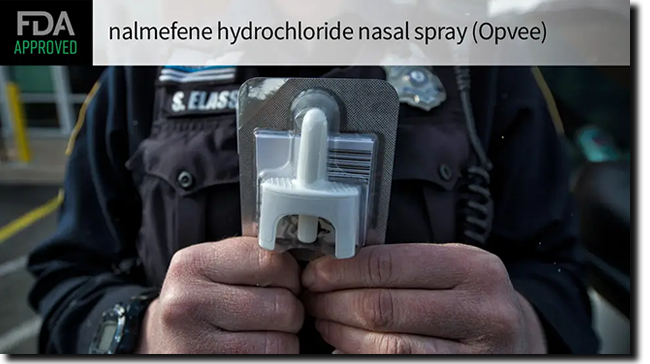
The first nalmefene hydrochloride nasal spray (Opvee) won FDA approval for the emergency treatment of known or suspected opioid overdose in adults and pediatric patients 12 years of age and up, the agency announced.
If administered quickly, the opioid receptor antagonist provides fast onset and long-duration reversal of opioid-induced respiratory depression. It will be available for use by prescription in healthcare and community settings.
"The agency continues to advance the FDA Overdose Prevention Framework and take actionable steps that encourage harm reduction by supporting the development of novel overdose reversal products," said FDA Commissioner Robert M. Califf, MD, in a statement. "On the heels of the FDA's recent approval of the first over-the-counter opioid reversal agent, the availability of nalmefene nasal spray places a new prescription opioid reversal option in the hands of communities, harm reduction groups, and emergency responders."
|
|
It comes down to funding -- but it's time for that to change
Those of us who work in jails sat up recently as we read this recent news: The Biden administration called on state Medicaid programs to fund opioid treatment programs in jails and prisons. Wow! To understand why that is such a big deal, let me introduce you to the typical jail's opioid treatment dilemma.
The U.S. currently has a crisis of opioid abuse, fueled mainly by heroin and fentanyl. We used to talk about "heroin addicts," but it is unusual to find pure heroin on the street anymore. Heroin is usually mixed with fentanyl, meth, ketamine, or any one of a host of other substances. Fentanyl can be used alone or mixed with other substances. Because of this trend, what we used to call heroin addiction is now termed opioid use disorder (OUD). One estimate suggests there are at least 3 million people in the U.S. with OUD. Many people with an OUD problem will eventually wind up in jail.
When a patient with OUD is booked into a jail, the first order of business from a medical perspective should be to treat opioid withdrawal. Opioid withdrawal is a serious medical condition. Patients withdrawing from opioids suffer mightily and without treatment, some will die. The most effective drug that can be used to treat opioid withdrawal is buprenorphine. However, since buprenorphine is itself an opioid, the Drug Enforcement Administration (DEA) has placed administrative obstacles to its easy use in jails. Fortunately, the alpha-agonist drug clonidine (Catapres) is not regulated by the DEA and is also effective in treating opioid withdrawal. Either way, treating opioid withdrawal is time intensive. These people are sick!
|
|
The deadline for Abstract submission is June 2.
|
|
|
The US Food and Drug Administration (FDA) has approved extended-release injection buprenorphine (Brixadi, Braeburn Inc) for the treatment of moderate to severe opioid use disorder (OUD).
The medication comes in two formulations: a weekly and a monthly version. The weekly treatment is indicated in patient who have initiated treatment with a single dose of transmucosal buprenorphine or who are already being treated with the drug. The monthly version is for patients already receiving buprenorphine.
"Buprenorphine is an important treatment option for opioid use disorder. Today's approval expands dosing options and provides people with opioid use disorder a greater opportunity to sustain long-term recovery," said FDA Commissioner Robert M. Califf, MD, in a release. "The FDA will continue to take the critical steps necessary to pursue efforts that advance evidence-based treatments for substance use disorders, which is a strategic priority under the FDA's Overdose Prevention Framework," Califf added.
|
|
Without it, you are doing your students a disservice
Graduation day. A moment of shear elation. I've been there.
Years of medical school. Scut work. Rotations. Cadaver labs. Foreign smells. Short white coats. Board exams. And now, the students are done (with the med school part, anyway). But then they must face: The loans. God, the loans. They have just invested in a business that forces the average medical student to take out a $200-250K (!) business loan.
Yes, it's called a "student loan," but let's be honest: they just invested a quarter of a million dollars in a business (their medical career) in a healthcare sector they know very little about. Sure, they understand the practice of medicine (and will understand more after residency) and will likely land a job that pays a great salary; but do they understand who controls the business and finances in the industry? The dollar flows and financial incentives?
|
|
On Monday, Envision Healthcare filed for Chapter 11 bankruptcy in the U.S. Bankruptcy Court for the Southern District of Texas. Following the filing, all of the company's debt — except for a revolving credit facility for working capital — will be canceled, totaling around $5.6 billion.
In a news release, Envision said several events have placed significant pressure on its finances since it was acquired by private equity (PE) firm KKR for $10 billion in 2018.
"The lingering impacts from COVID-19 on volume and labor costs, the delays resulting from tactics and recalcitrance by Envision's largest insurance payors, and the ongoing regulatory uncertainty caused by the flawed implementation of the No Surprises Act have proven too much," said Paul Keglevic, Envision's chief restructuring officer.
|
|
- ASIPP Members Only Site Information - |
|
-
To log in for the first time you will need to click “forgot password” at the bottom of the login window.
- Check your email and then log in as directed.
-
If you have problems logging into your account, click here.
|
|
A new strategy proposed by an international team of experts would limit the use of the prostate-specific antigen (PSA) test for screening tor prostate cancer to men who are younger than 70 years and who are at high risk or symptomatic.
This would reduce potential harms from overdiagnosis and overtreatment, the risk for which is high with the on-demand screening that is the current standard of care in most wealthy nations.
In a paper published online on May 17 in the BMJ, the panel recommends instead a comprehensive nationwide program that would base PSA testing on individual patient risk and direct those with abnormal results to a managed system of imaging, targeted biopsy only if indicated, and subsequent active monitoring or treatment for those with more aggressive disease features.
|
|
Pain Medicine Case Reports (PMCR) and Editor-in-Chief Alaa Abd-Elsayed, MD, PhD would like to invite you to submit case reports and case series to the PMCR journal. Your article will be published free of charge.
Open access journals are freely available online for immediate worldwide open access to the full text of published articles. There is no subscription fee for open access journals. Open access journals are no different from traditional subscription-based journals: they undergo the same peer-review and quality control as any other scholarly journal.
Interested in becoming a member of the PMCR Editorial Board?
Editorial board members are asked to review 2-6 manuscripts per year. Please submit your most up-to-date CV to sgold@asipp.org for consideration.
For more information or to submit your articles, click here.
|
|
| CASE REPORT |
Michael A. Alvarado, MD, Kristine M. Kallenberger, DO, David G. Sollo, MD, Phuong H. Nguyen, MD, and Felecia A. Newton, PhD
Abstract
BACKGROUND: Celiac artery compression syndrome is characterized by postprandial epigastric pain, weight loss, and occasional epigastric bruit, and can be difficult to treat because there are no definitive guidelines. We present a case of a 47-year-old man who had postprandial pain, weight loss, and chronic diarrhea for 5 years, which was resolved with spinal cord stimulation (SCS).
CASE REPORT: After extensive workup, a diagnosis of celiac artery compression syndrome was confirmed. Due to previous treatment failures, repeat celiac plexus blocks becoming less efficacious, and surgical unsuitability, the patient underwent an SCS trial. They continued having pain relief, so a permanent spinal cord stimulator lead was implanted.
CONCLUSION: We highlight complete resolution of celiac artery compression syndrome using SCS.
KEY WORDS: Case report, celiac artery compression syndrome, celiac plexus block, median arcuate ligament syndrome, spinal cord stimulation
|
|
| SYSTEMATIC REVIEW |
Wanchen Sun, MD, Yang Zhou, MD, Juan Wang, MD, Yuxuan Fu, MD, Jingyi Fan, MD, Yidan Cui, MD, Yishuang Wu, MD, Lianjie Wang, MD, Yun Yu, MD, and Ruquan Han, MD, PhD
Abstract
BACKGROUND: Chronic postsurgical pain (CPSP) has become a common complication during the perioperative period. The efficacy of one of the most potent strategies, ketamine, remains unclear.
OBJECTIVES: The aim of this meta-analysis was to evaluate the effect of ketamine on CPSP in patients undergoing common surgeries..
STUDY DESIGN: Systematic review and meta-analysis.
METHODS: English-language randomized controlled trials (RCTs) published in MEDLINE, Cochrane Library, and EMBASE from 1990 through 2022 were screened. RCTs with a placebo control group that evaluated the effect of intravenous ketamine on CPSP in patients undergoing common surgeries were included. The primary outcome was the proportion of patients who experienced CPSP 3 – 6 months postsurgery. The secondary outcomes included adverse events, emotional evaluation, and 48 hour postoperative opioid consumption. We followed the Preferred Reporting Items for Systematic Reviews and Meta-analyses (PRISMA) guidelines. Pooled effect sizes were measured using the common-effects model or random-effects model, and several subgroup analyses were conducted.
RESULTS: Twenty RCTs were included with 1,561 patients. Our pooled meta-analysis showed a significant difference between ketamine and placebo in the treatment of CPSP (Relative Risk [RR] = 0.86; 95% CI, 0.77 – 0.95; P = 0.02; I2 = 44%). In the subgroup analyses, our results indicated that compared with placebo, intravenous ketamine might decrease the prevalence of CPSP 3 – 6 months postsurgery (RR = 0.82; 95% CI, 0.72 – 0.94; P = 0.03; I2 = 45%). For adverse events, we observed that intravenous ketamine might lead to hallucinations (RR = 1.61; 95% CI, 1.09 – 2.39; P = 0.27; I2 = 20%) but did not increase the incidence of postoperative nausea and vomiting (RR = 0.98; 95% CI, 0.86 – 1.12; P = 0.66; I2 = 0%).
LIMITATIONS: Inconsistent assessment tools and follow-up for chronic pain may contribute to the high heterogeneity and limitation of this analysis.
CONCLUSIONS: We discovered that intravenous ketamine may reduce the incidence of CPSP in patients undergoing surgery, especially 3 – 6 months postsurgery. Because of the small sample size and high heterogeneity of the included studies, the effect of ketamine in the treatment of CPSP still needs to be explored in future large-sample, standardized-assessment studies.
KEY WORDS: Ketamine, chronic postsurgical pain, perioperative period, meta-analysis, randomized controlled trial
|
|
| RANDOMIZED TRIAL |
Tarek M. Ashoor, MD, Ahmed S. Jalal, MBBCh, Alfred Maurice Said, MD, Mohamed M. Ali, MD, and Ibrahim M. Esmat, MD
Abstract
BACKGROUND: Laparoscopic sleeve gastrectomy (LSG) is a common bariatric surgery. Regional anesthetic techniques decrease postoperative pain, narcotic analgesic requirements, and opioid-related adverse effects in patients scheduled for bariatric surgery.
OBJECTIVES: The research team conducted this clinical trial to assess the effects of bilateral ultrasound (US)-guided erector spinae plane block (ESPB) on postoperative pain scores and postoperative analgesics consumption compared with bilateral US-guided quadratus lumborum block (QLB) in the first 24 hours following LSG.
STUDY DESIGN: A randomized, double-blind, prospective, single-center study.
SETTING: Ain-Shams University Hospitals.
METHODS: Patients: One hundred twenty morbidly obese patients were scheduled for LSG.
Intervention: Were randomly assigned to 3 groups (40 each): bilateral US-guided ESPB, bilateral US-guided QLB, or control (C) group.
Measurements: The time to first rescue analgesia (ketorolac) was considered as a primary outcome. The time to perform the block, the duration of anesthesia, the time to first ambulation, the visual analog scale (VAS) at rest, VAS at movement, the total nalbuphine consumption (mg), the total requirements of rescue analgesia (ketorolac) over the first 24 hours after surgery and the study safety profile were considered as secondary outcomes.
RESULTS: The time to perform the block and the duration of anesthesia were higher in the QLB group compared to other groups, with significant differences between ESPB and C groups (P < 0.001, P < 0.001, respectively). The ESPB and QLB groups were superior to the C group as regards the time to first rescue analgesia, the total dose of rescue analgesia, and the total nalbuphine consumption (P < 0.001, P < 0.001, P < 0.001, respectively). In the C group, VAS-R and VAS-M readings were higher in the first 18 hours after surgery (P < 0.001, P < 0.001, respectively). In the rest 6 hours of 24 hours after surgery, the QLB group had lower VAS-R and VAS-M readings than the C group (P < 0.001, P < 0.001, respectively). More patients in the C group had higher incidences of nausea and vomiting (P = 0.011, P = 0.002, respectively). In the C group, the time to first ambulation, the length of PACU stay, and the hospital stay were higher in comparison to the ESPB and QLB groups (P < 0.001, P < 0.001, P < 0.001, respectively). More patients in the ESPB and QLB groups were satisfied with postoperative pain management protocol (P < 0.001).
LIMITATIONS: The lack of postoperative respiratory assessment (e.g., spirometry) precluded the identification of either ESPB or QLB effects on pulmonary functions in such patients.
CONCLUSION: Bilateral ultrasound-guided erector spinae plane block and bilateral ultrasound-guided quadratus lumborum block provided adequate postoperative pain control and reduced postoperative analgesic requirements for morbidly obese patients scheduled for laparoscopic sleeve gastrectomy with priority to bilateral erector spinae plane block.
KEY WORDS: Obesity, bariatric surgery, ultrasound, erector spinae plane block, quadratus lumborum block, postoperative, pain, analgesia
|
|
ASIPP is now in collaboration with Curi Medical Liability Program
Since this malpractice insurance program officially launched in November 2018, ASIPP has signed up hundreds of providers with an average savings of 30%. This is professional liability insurance tailored to our specialty and will stand up for us and defend our practices.
Curi is a full-service advisory firm that serves physicians and their practices. Their valued advice is grounded in your priorities and elevated in your outcomes. They are driven by a deep understanding of your specific circumstances in medicine, business, and life. To read a few important points to keep in mind about the program, including discounts, administrative defense, cyber coverage, aggressive claims handling, and complimentary risk management CME activities, visit our website.
|
|
ASIPP® has formed a partnership with Henry Schein and PedsPal, a national GPO that has a successful history of negotiating better prices on medical supplies and creating value-added services for independent physicians. Working with MedAssets, PedsPal provides excellent pricing on products like contrast media that alleviate some of the financial pressures you experience today.
|
|
ASIPP® is now offering our members the benefit of a unique revenue cycle management/ billing service.
We have received a tremendous amount of interest in the ASIPP® billing and coding program.
Click here to learn more about the negotiated rate for practices and more!
|
|
|
up-to-date news related to you, your practice, and your patients!
|
|
|
|
|
|
|