Hello Pamela,


With the spring season upon us, I am finding a renewed sense of energy and inspiration! In this newsletter, I share my thoughts on the value of play and my newest, updated parenting course that is finally completed! I hope this inspires you to tackle unfinished projects and get outside and play!!!


All my best,


Dr. Pam McCaskill


office@mccaskillfamilyservices.com

734-416-9098

McCaskill Family Services Newsletter

Term: Winter| Issue 63| March 28th , 2025

Play Time in Spring Time


As the weather warms up, our wishes of spending more time outside begin to come true, and we start to have a little more energy to do the things we love.


If you have children, you know the chronic feeling of balancing busy routines, social pressures, keeping them healthy, and meeting academic demands. With all this going on, it can be easy to forget about one of the most valued components of a child's social, emotional and behavioral growth: play. In this month's blog, Dr. Pam McCaskill shares her insights on the importance of unstructured play in a child's world. Did you know that unstructured play enhances problem solving and decision making skills? Supports emotional regulation? Boosts a child's confidence?

Read more about the benefits by clicking below!

Let Children Play
At McCaskill Family Services, we specialize in working with children and adults who are struggling with ADHD, Learning disabilities, and co-occurring mood symptoms. If your family or someone you know could benefit from our services, please contact us. Our clinicians are trained in empirically-based techniques, and would be happy to promptly schedule an appointment in person or via tele-health. We can be reached by phone at 734-416-9098 or by email at office@mccaskillfamilyservices.com.

Spring Activity List

Looking for some fun and free spring activities to do with your kids? We love this creative list that encourages both children and adults alike to get outside and play!

25 Spring Activities
Get to Know Our Staff
Clinician Spotlight

Dr. Pamela McCaskill is the owner and managing director of MFS. Her journey into psychology was rooted in a deep connection to children and a commitment to addressing the misunderstandings surrounding their behaviors and mental health needs.


She pursued her Ph.D. at Wayne State University, where her focus on research and the scientific model laid the foundation for her future work. Her internship at the University of Florida/Shands Hospital further shaped her approach, blending research with practical, evidence-based interventions to support children and families. 


Currently, she is intimately involved in the day-to-day operations at MFS and readily available to address any concerns from staff and patients alike to continuously improve our services to families in our community. She is passionate about working with our MFS team to ensure that our children, adolescents, adults, and families receive the highest level of personalized care.


Dr. Pam directly supervises our clinical staff and is involved in treatment planning and oversight of patient care.


*Dr. Pam is currently not accepting new patients.

Learn More About Pam

Outside of her professional life, Pamela finds joy in traveling, spending time with her family, and exploring creative outlets like digital photography and crafts. Recently, she’s developed a passion for pickleball, which has become a favorite way to unwind. Her travels have greatly influenced her worldview, exposing her to diverse cultures and deepening her understanding of the complexities of the human experience. These personal pursuits not only bring balance to her life but also enrich her professional perspective, allowing her to approach her work with empathy.

Dr. Pam's Newly Updated Parenting Course

A Special Message from Dr. Pamela McCaskill....

Raising Resilient Kids Webinar:

Effective Parenting Strategies for Raising Strong-Willed Children.


10 modules; your pace.


What's Included:

  • Module 1: Let's Get Started
  • Module 2: Understanding the Strong-Willed Child
  • Module 3: Building a Positive Parent-Child Relationship
  • Module 4: Parenting Principles That Really Work!
  • Module 5: How to Increase Good Behavior
  • Module 6: Getting Your Child to Listen the First Time You Ask!
  • Module 7: Punishment
  • Module 8: Time Out
  • Module 9: Helping Children Manage Their Emotions
  • Module 10: Parenting Stress and Self-Care
  • Unlimited time access, watch at your leisure


Register Here!

Food For Thought

A monthly newsletter addition from our Dietitian and Eating Disorder Recovery Team.


ADHD and Eating Challenges


Attention-Deficit/Hyperactivity Disorder (ADHD) is a common challenge for many adolescents with impacts on executive function, social relationships, and school performance. While we often hear about therapeutic approaches and school accommodations that can be helpful, eating and body image challenges aren’t often as widely discussed or treated. Did you know ADHD and eating disorders (EDs) have a high level of overlap? A review of research suggested that adolescents who are diagnosed with ADHD are between 3 and 6 times more likely to develop an ED in their lifetime and have higher levels of disordered eating, body image dissatisfaction, and desire for weight loss than their peers without ADHD. Whether or not symptoms lead to a clinical ED diagnosis, accommodations and support for improving one's relationship with food and their body is important and deserved.


Some common feeding related challenges that may arise as a result of ADHD include:


- Difficulty identifying hunger and fullness cues which could lead to cycles of under and over-eating

- Decision fatigue that makes daily food decisions difficult

- Relying on food as a primary source of enjoyment and satisfaction may lead to binge-like behaviors

- Medication side-effects that lead to a low appetite and periods of fasting for many hours throughout the day

- Difficulty completing food preparation and procurement tasks like grocery shopping and cooking

- Increased impulsivity could lead to binge and purge behaviors


Our eating disorder program is equipped to assist clients and families who may be having these challenges, with or without an ED diagnosis. Reach out to our office to schedule an appointment and learn more!


Sources: Curtin, C. , Pagoto, S. and Mick, E. (2013) The association between ADHD and eating disorders/pathology in adolescents: A systematic review. Open Journal of Epidemiology.

Learn More About Our Eating Disorder Program

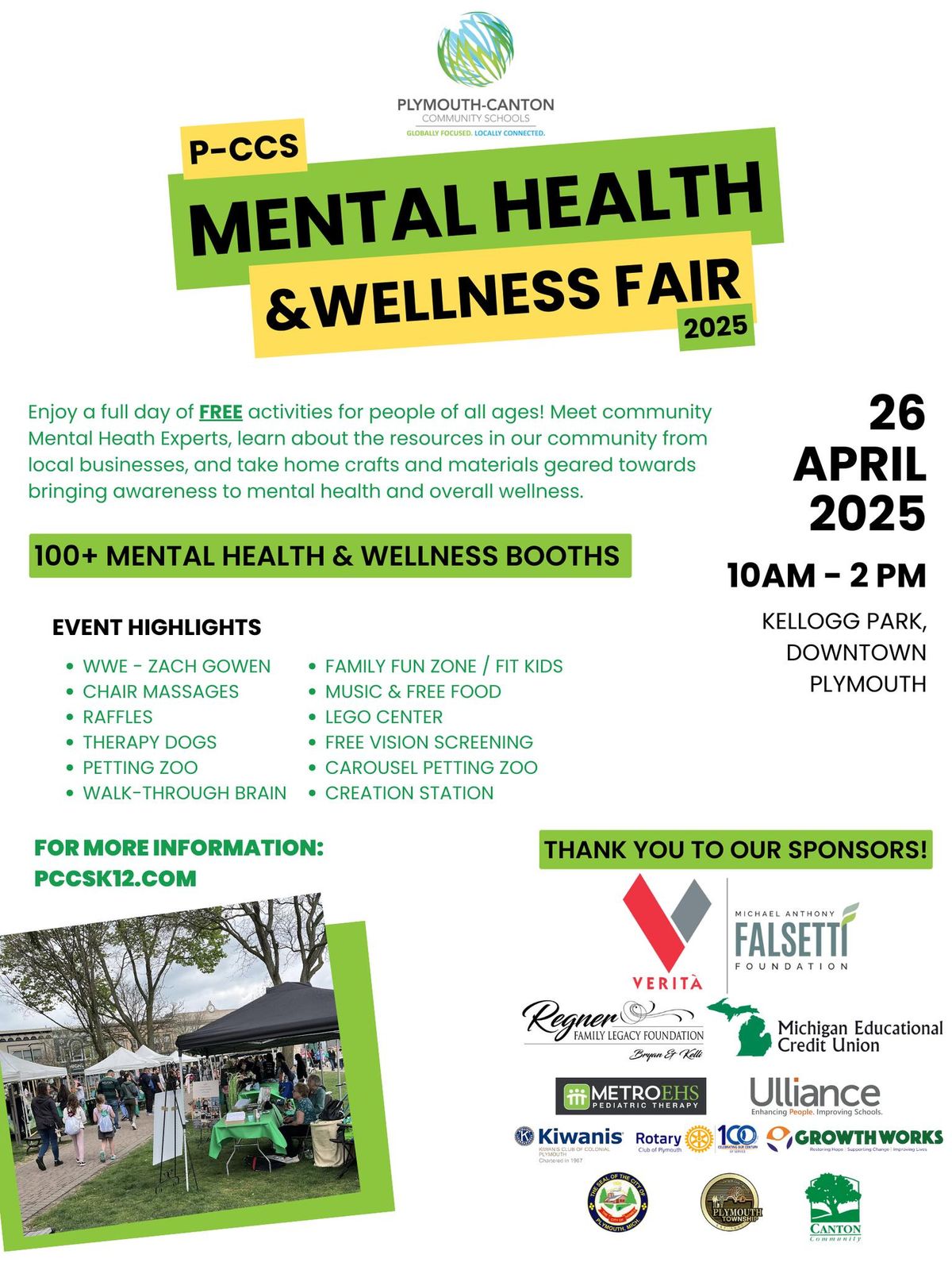
Plymouth Mental Wellness Fair

409 Plymouth Road, Suite 250, Plymouth, MI 48170 • 734.416.9098
Facebook  Instagram  Youtube