Here’s the latest from Creative Leadership Solutions, where we believe in evidence, passion, and results. We value respect, trust, service, collaboration, and reason. This month, we're sharing our investment in people, not products. | |
FEATURED CONTENT
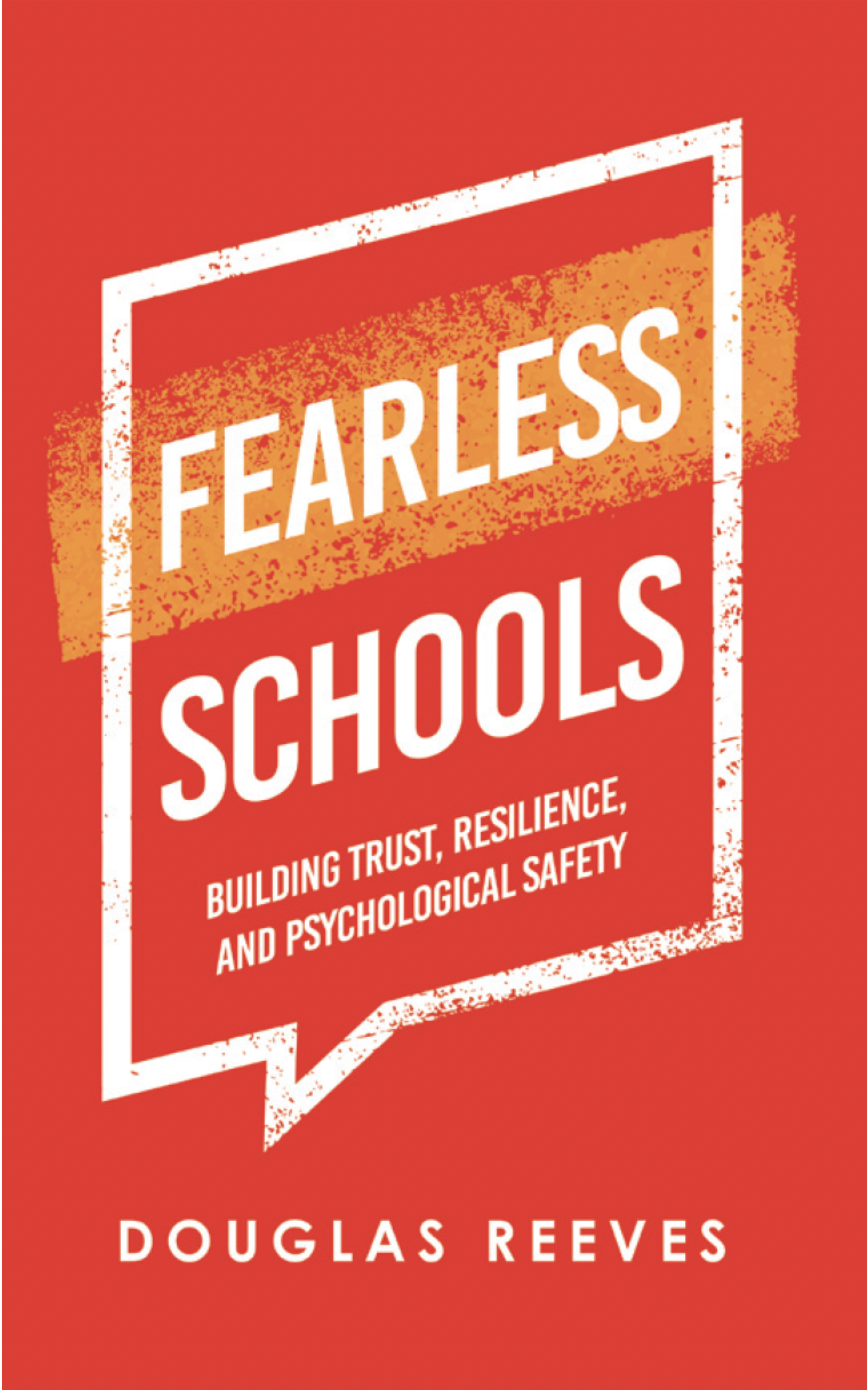
Fearless Schools – Why Every School Needs Trust, Resilience, and Psychological Safety Right Now
Schools around the world have been devastated by trauma, stress, depression, and anxiety by students and staff members. Now is the time to support students and adults, and Fearless Schools can help.
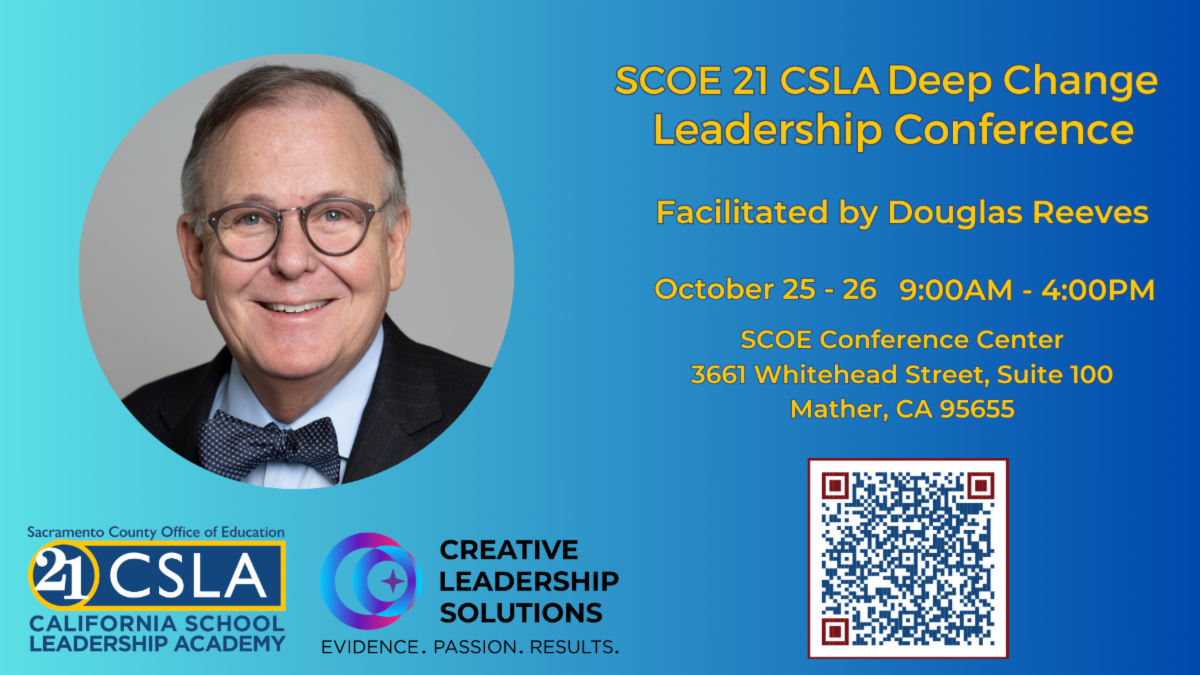
In this interactive keynote address, Dr. Reeves provides the latest and best research on fearless schools. Teachers and educational leaders cannot provide certainty in an uncertain world. But they can provide an environment that is physically and psychologically safe. The essence of fearless schools is psychological safety. In this interactive presentation, we explain how leaders and teachers build and maintain trust and psychological safety and how sometimes these ideals are inadvertently undermined. Participants will engage in rich discussion and reflection based on a large body of 21st Century evidence. Special attention is paid to resilience or bouncing back from physical, emotional, and psychological injury.
Make an investment that will last.
| |
| |
Read More
Further watching and reading that emphasize people over products
| |
|
Schools need psychological safety, resilience, and trust now more than ever.
Whether you’re an educator, administrator, school leader, policymaker, parent, or student, this book will help you move forward as a member of a fearless school in a fearful environment.
| |
Professional Learning Communities can improve faculty morale and increase student achievement. In this article, read about how the Lima City School District exemplifies fearless schools through teamwork and collaboration, demonstrating value for their educators, student leadership, and a focus on success. | |
Service Highlight
Just one of the many services we offer
| |
|
Fearless Teams: PLC and Teacher Team Coaching
While many PLCs and teacher teams examine data, they do not always respond effectively to that data. Effective teams need both effect data, or data about student outcomes, and cause data, or data about the actions of the adults in the system. Many districts have challenges with scheduling, structures, and creating dedicated time for teachers to focus on the instructional process, or time may be spent on other factors that may not impact student performance. In some cases, buildings and districts experience challenges capitalizing on successes, supporting adult learning, or creating focus based on student and adult learning needs.
For effective coaching, we recommend each site receive at least five (5) coaching visits.
During visits, teams will:
- Understand the importance of teacher teams and how this process can lead to continuous, authentic improvement.
- Reflect on the roles of teachers and leaders in creating time, structures, and monitoring for successful, adaptive, and collaborative teams.
- Participate in effective collaboration that focuses on instruction and student learning.
The impact of Fearless Teams Coaching includes:
- Increased efficiency and effectiveness of teams resulting in action based on relevant evidence of student learning.
- Effective use of data and evidence to make instructional decisions.
- Increased student learning and more effective intervention and enrichment.
- Balanced use of cause (adult behaviors) and effect data (student learning outcomes).
- Direct connections between leadership monitoring and team actions.
| |
CLS Associates understand that the right people make all the difference. | |
|
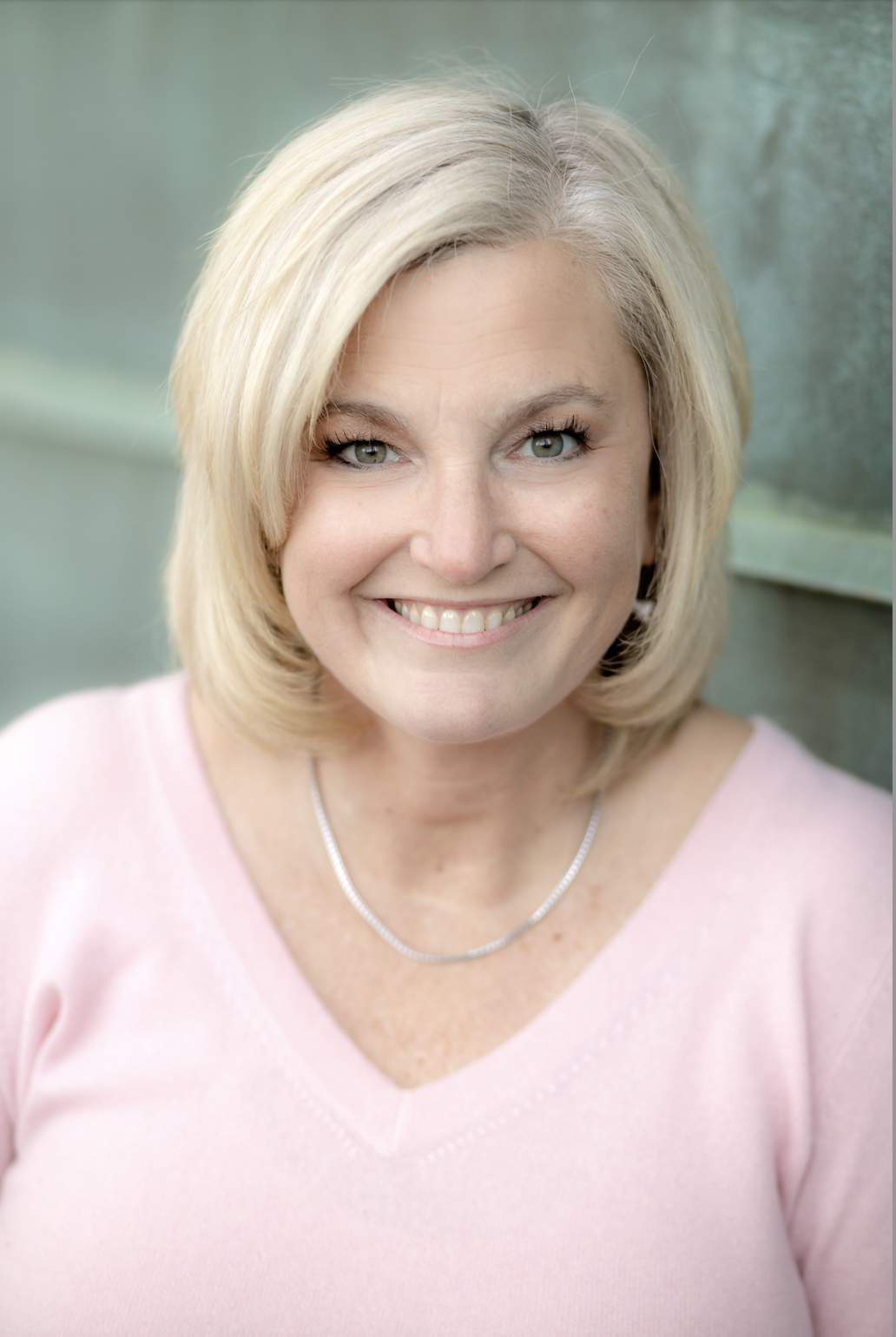
Kate Barker is a seasoned principal, teacher, coach, author, Associate, and advocate with over 33 years of experience in education. Her journey has been deeply rooted in her passion for creating equitable opportunities for students and families in diverse and economically challenged communities. Her story is one of dedication and unwavering commitment to fostering vibrant and loving school environments while maintaining high expectations and intentional structures. Her contributions in the realm of multi-tiered systems of support which encompass academics, behavior, and social-emotional learning have led to high achieving and connected school communities where everyone belongs and conquers rigorous goals.
| |
We have multi-tiered systems of support for academics but what my students need just as much are social skills and meaningful connections. How can I effectively support my students in developing social skills, emotional regulation, and meaningful connection to ensure they are primed for optimal learning? | |
When a student comes to school, they search for cues to help them determine if they fit in, if they are liked, and if they are valued and respected. This search for cues can cause anxiety, deplete cognitive resources, and make students feel less motivated and engaged. Their brain space may be so fixated on if they are safe and accepted that there may be little room to absorb academics.
Incorporating a "How can I make this more social?" column into your lesson planning tool is a great step towards creating a more inclusive and engaging learning environment. This approach aligns with social-emotional learning (SEL) principles, which emphasize the importance of addressing students' emotional and social needs alongside their academic development. Here are some ways to integrate this approach into your teaching:
Traditional Practice: Students enter the classroom and take their seat
Intentionally More Social: The teacher designates a morning greeter responsible for greeting each student at the classroom door. Their role involves saying the student's name and establishing a connection, which can range from a simple high-five to asking a question like, "What's one of your favorite songs?" To enhance social engagement, prioritize assigning students who may benefit from extra speaking practice, those who tend to be withdrawn or less connected, or those with attendance challenges. This intentional approach ensures that by the time the bell rings, the greeter has fostered 25 connections, and every student has received a warm welcome from a peer.
Traditional Practice: Students rely only on the teacher to provide guidance and support. The teacher passes out the papers and supplies and students raise their hands to ask the teacher a question.
Intentionally More Social: Empowering students through assigned roles is an effective way to foster responsibility, connection, and leadership within the classroom. Here are some examples:
- Designate a "Supply Manager" who is responsible for holding and distributing classroom supplies. This student becomes the go-to person for requests for supplies like pencils, Unifix cubes, microscopes, and other materials.
- When conducting small reading or math groups, appoint "Question Captains." These students are responsible for fielding questions from their peers and possibly managing hall passes. This approach minimizes disruptions to the teacher, allowing for a more focused and productive learning environment while also promoting leadership and accountability among students.
By giving students these roles and responsibilities, you not only streamline classroom operations but also empower them to take ownership of their learning environment and develop important life skills such as organization, leadership, and teamwork. It also deepens relationships and builds a community that can rely on each other.
Building socially connected classrooms takes time and effort but can have a profound impact on students' academic success and overall happiness and engagement with school. It's essential to continually assess the effectiveness of these strategies and adjust them to meet the evolving needs of your students. Intentional planning to incorporate these practices will create a more connected, empathetic, and supportive community.
| | | |
WEBINAR
This month's webinar featured Neil Gupta (Associate, Superintendent in Oakwood School District, OH), Nicole Johnson (Retired Deputy Superintendent, Associate), Teresa Gantz (Director of School Improvement of Lima City Schools, OH) and Douglas Reeves in conversation about fearlessness and psychological safety in schools. Access the webinar by clicking on the thumbnail to the right and register for future webinars by clicking the button below.
| |
| |
Creative Leadership Solutions | Website | |
| | | |