|
Dear College of Marine Science community,
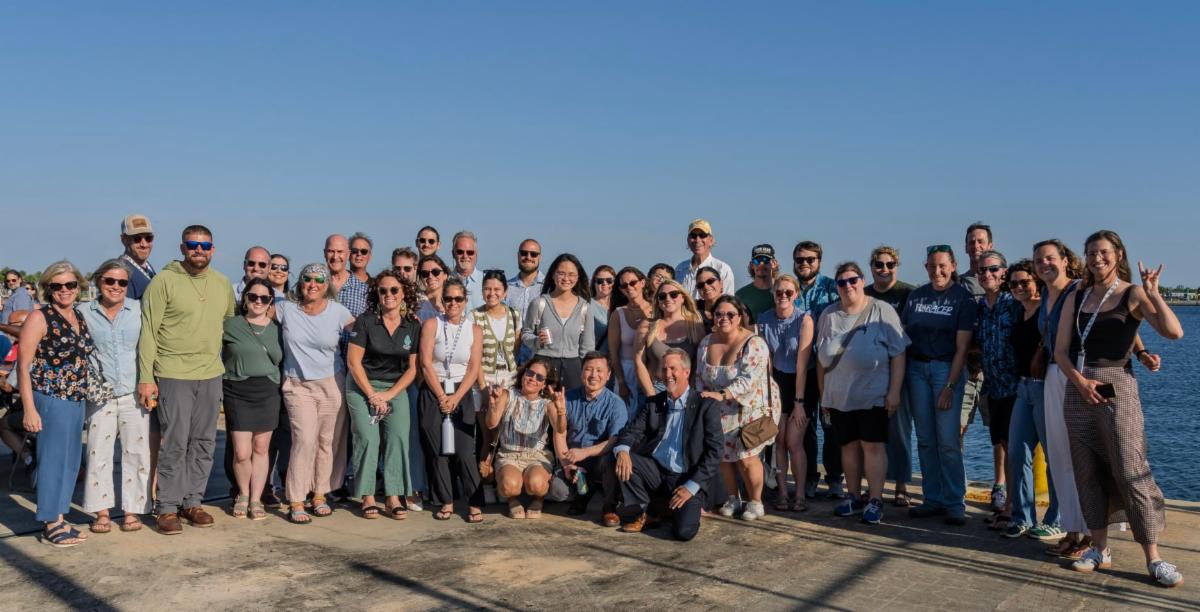
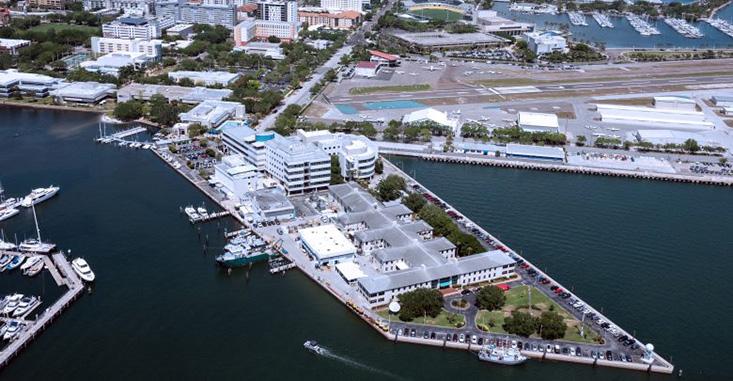
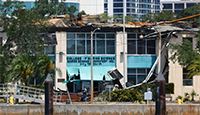
It has been just over a month since the fire at the Marine Science Lab disrupted our globally recognized research and education enterprise. Despite this setback and associated challenges, our people and college have been resilient. During this time, I have reflected frequently on our Spring Fling celebration on the peninsula just a day before the fire. The strength of our community and the memories of our time together have helped me through difficult situations over the past few weeks.
As many of you know, we are currently engaged in a salvage and recovery phase to ensure the continuity of our academic and research programs. Teams including personnel from the College of Marine Science, USF, and external partners are hard at work to complete their assigned tasks. This recovery will not happen overnight — some processes will likely take months, while others may take years. That said, I am happy to report several successes that we’ve had already.
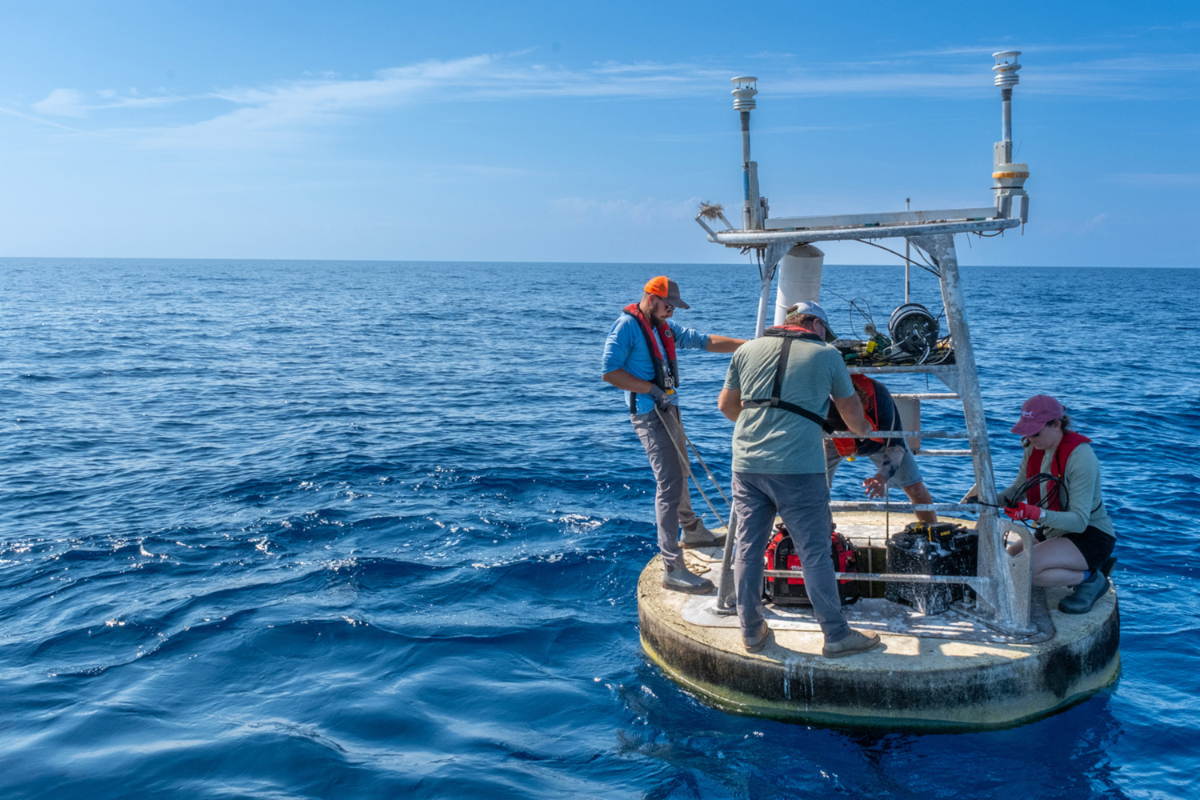
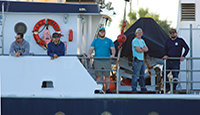
Crews have worked diligently over the past month to recover critical and time-sensitive materials from MSL, including a substantial number of frozen samples, digital data, and instrumentation used to conduct our world-class ocean research. Although a full assessment of damaged or lost assets is ongoing, we are optimistic about the viability and operability of many of these items.
We have learned from past hurricanes that we need to act quickly to protect the integrity of samples intended for subsequent analyses, many of which were collected from around the world and contained within freezers in the MSL building. In the days following the fire, response crews were able to recover 37 freezers — 34 of which were fully operational — all of which will be replaced due to saltwater damage. These freezers have been relocated to a secure facility where we will continue to assess the viability of their contents. We are confident, however, that much of the sample material is in good condition.
In addition, response crews recovered valuable ocean data archived on servers within the MSL building. College personnel are now working on longer-term storage solutions for these data. Key technological assets and ocean instrumentation such as ocean gliders and sensor packages were also recovered from the building and are being assessed.
Crews recently completed clearing all “accessible” areas in MSL. The complete list of recovered items is extensive — from notebooks and personal belongings to decades worth of scientific archives.
More than 150 people were displaced by the fire in MSL. Thanks to the dedication of our local partners, most notably those in the St. Petersburg Innovation District, including NOAA and the USGS, we have been able to identify alternative workspaces for many of our research groups and are working through the processes to ensure they will have suitable facilities to continue their work.
Finally, I want to take a moment to extend my sincere appreciation to everyone, both near and far, who has contributed to the recovery efforts so far.
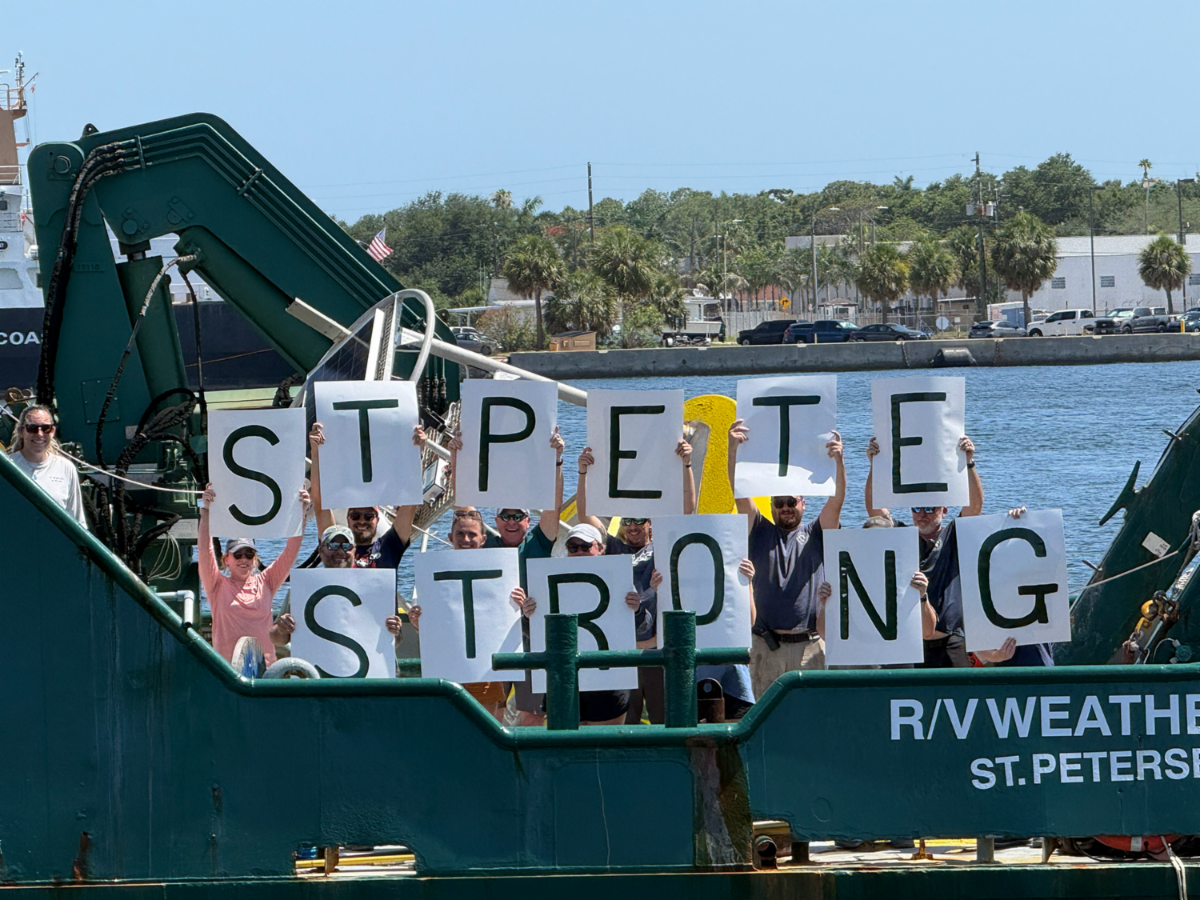
It should not be understated — damage to the MSL building is significant and has greatly disrupted the research and education of our world-class program. That said, the ongoing, coordinated response by many at USF and the community at large has been incredibly encouraging, and I have no doubt that these efforts will help us build back better and stronger than ever.
Sincerely,
Tom Frazer, Dean
|