Weed Watch!
Colorado Weed Management Association
3rd Quarter Newsletter 2021
|
|
Winding Down the Season
August is a welcome reprieve for us land managers, some of us may even have the last day of the season already marked on the calendar. As our season dwindles we start to think about trading the weeds for skis, we also get to look forward to networking at the Colorado Weed Management Winter Training, this year, in person!
After a year of virtual events and zoom fatigue, we are working hard to bring a memorable Winter Training to our members. Keep an eye out for updates as you wind down your spray season!
|
|
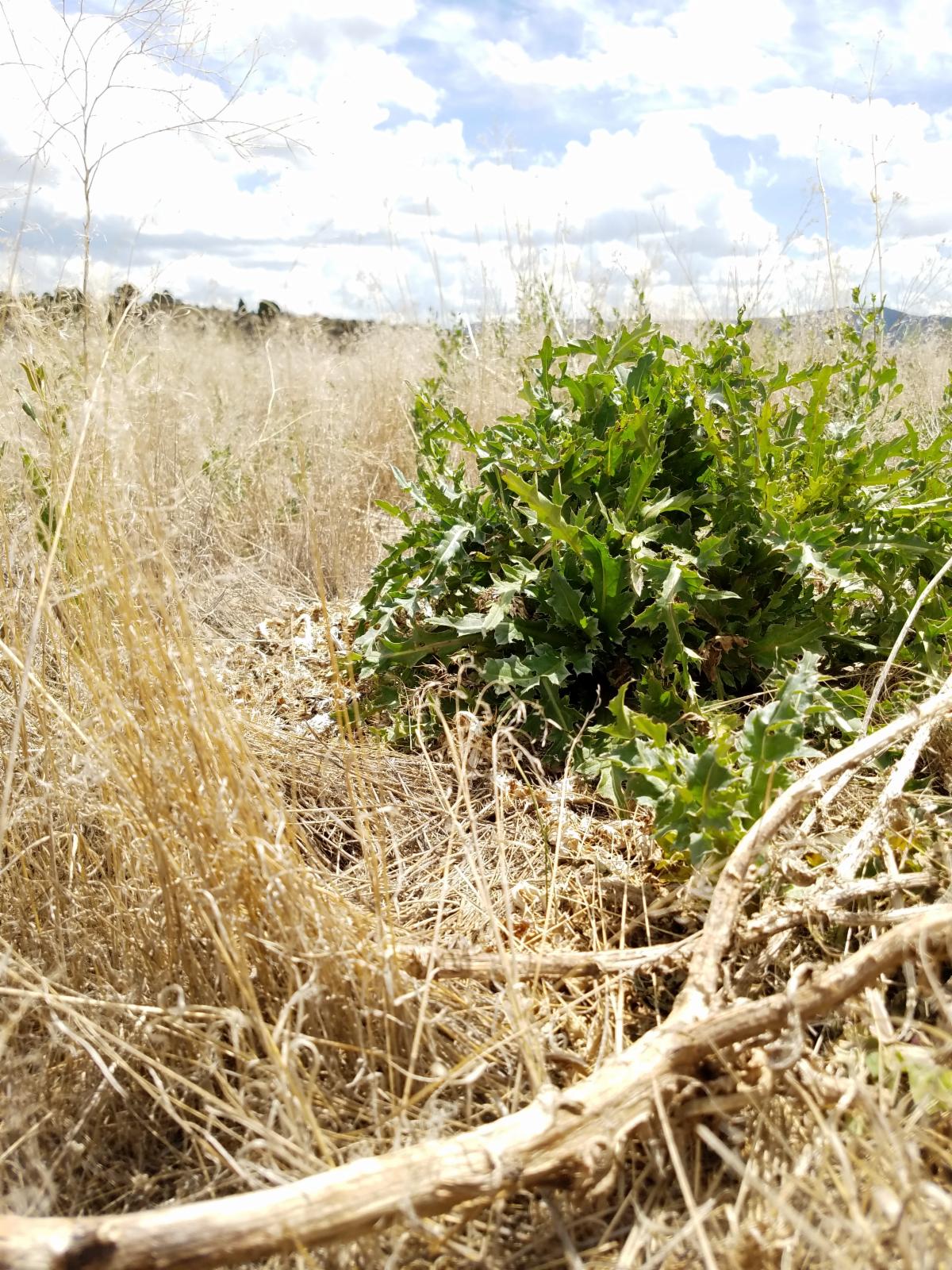
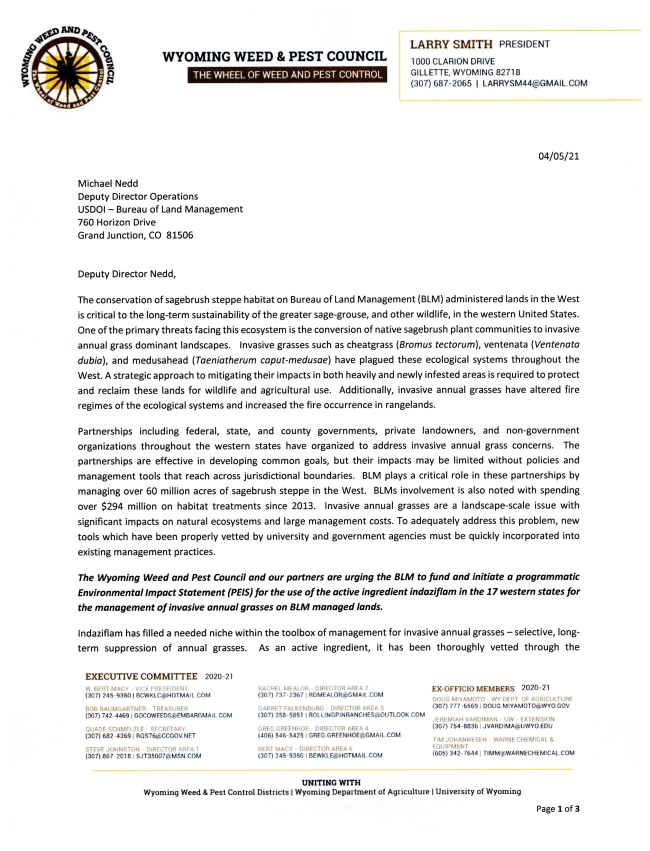
CWMA Joins other Weed Management Partners in Letter Encouraging the Bureau of Land Management to Initiate a Programmatic Environmental Impact Statement (PEIS) for the use of Indaziflam on BLM Managed Lands to Control Cheatgrass |
|
CWMA Online Training for Continuing Education Credits!
Need credits? CWMA has you covered year round with online trainings approved by the Colorado Department of Ag!
Attend a live webinar or take an on-demand course that offer CEC’s, only $35 for members!
On-Demand Online Courses Available Now:
-Long-Term Invasive Winter Annual Grass and Noxious Weed Control Facilitates Ecosystem, Pollinator, and Wildlife Habitat Restoration (107 Rangeland Pest Control)
-Aquatic Invasive Species Identification, Ecology, and Management (108 Aquatic Pest Control)
Click Here for the Complete Course Listing!
|
|
Multiagency Biocontrol Collection Event in Southwestern Colorado
by Ethan Proud, Archuleta County Weed and Pest Supervisor
|
|
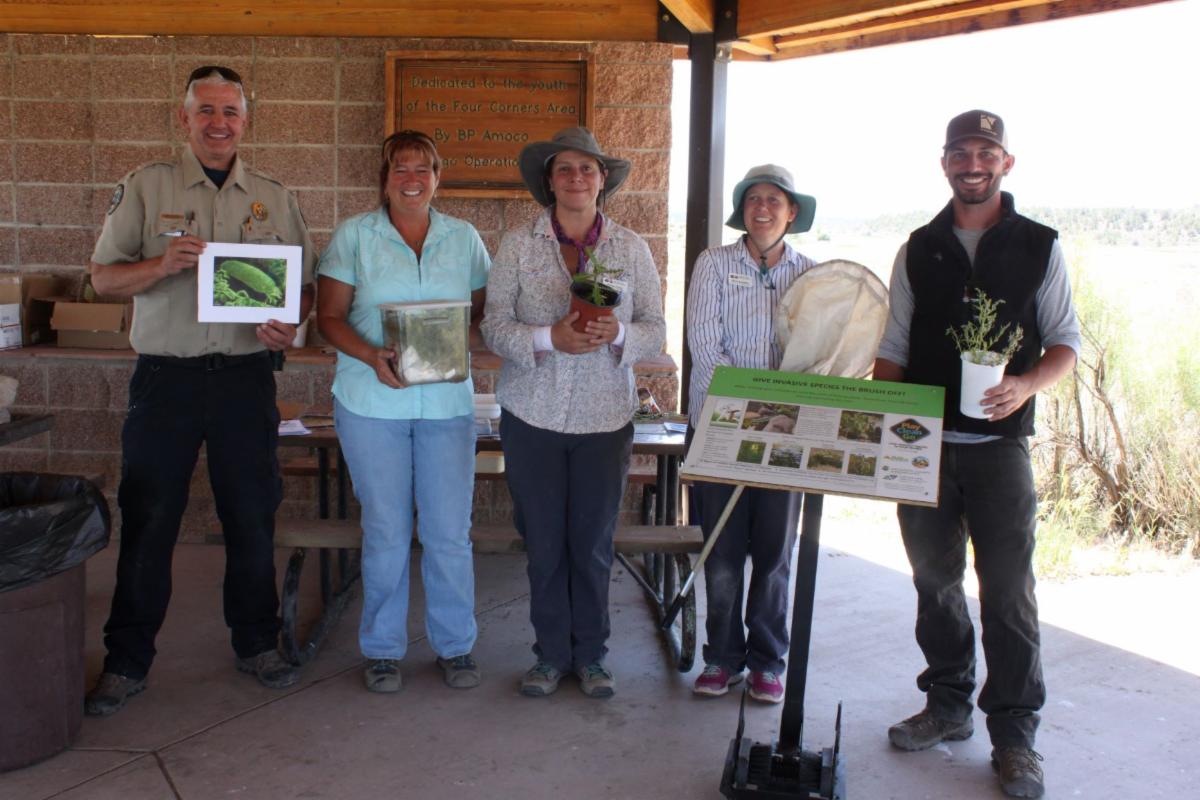
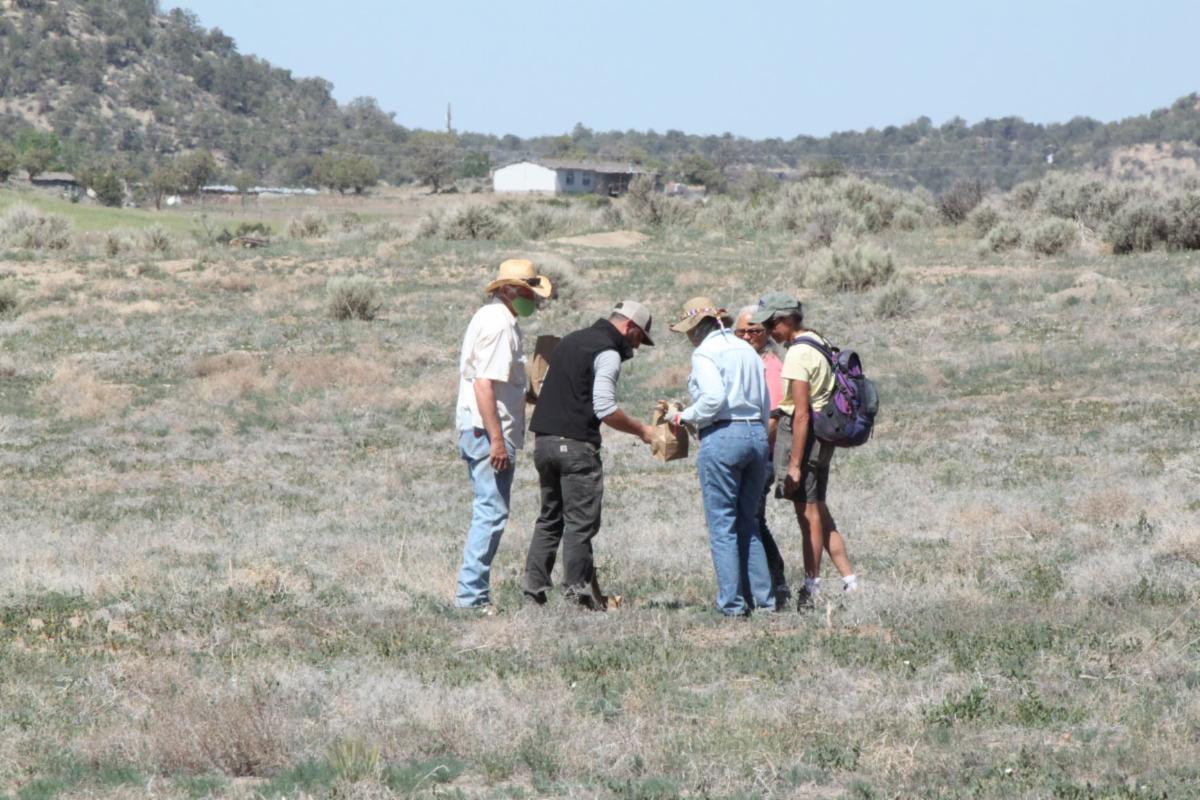
On June 12th, Archuleta County Weed and Pest co-hosted a biocontrol education and collection event at the Sambrito Wetlands at Navajo State Park in conjunction with the Palisade Insectary, CSU Extension, and Navajo State Park. Staff present included Sonya Daly (Insectary), Nina Louden (Insectary), Robin Young (Extension), Brian Sandy (Navajo State Park), and Ethan Proud (Archuleta County).
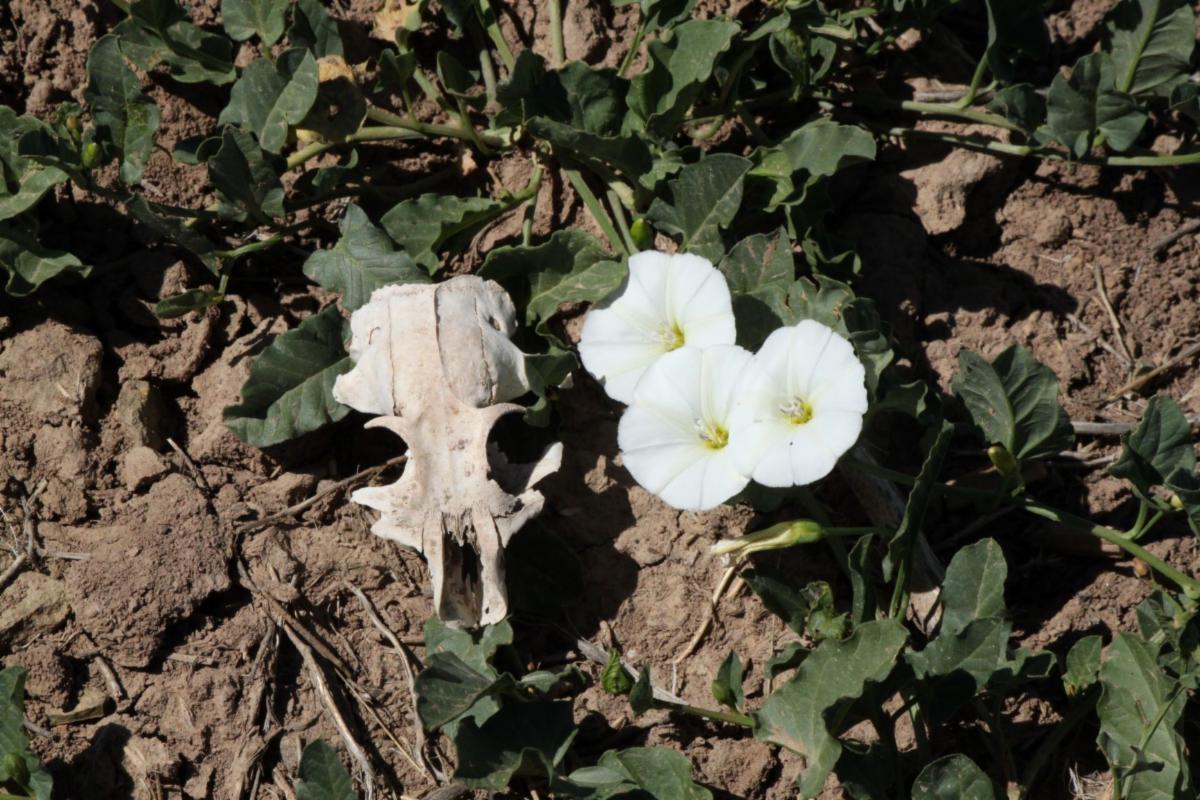
The event centered on collecting field bindweed gall mites and kicked off with a presentation from Sonya and Nina on the Insectary, biological controls, and projects in Archuleta County. 21 participants eagerly learned about the suite of agents available to control weeds on their property. Most were especially interested in the musk thistle crown weevil and Canada thistle rust fungus as thistles are spread from one end of Archuleta County to the other.
At the Sambrito site, Russian knapweed gall wasp releases and monitoring are an ongoing project with the hope of starting a nursery site to distribute controls across the county to local landowners. After the presentation wrapped up, the participants split into two groups led by Nina and Robin and another led by Sonya and Ethan. Everyone milled about, spending more time hunched over looking at bindweed then they had ever done in their life. After everyone had gathered enough infected bindweed for a release, they either returned to the shade of a gazebo where the event started, or meandered to the Russian knapweed gall wasp release site to investigate the galls.
The event was a huge success, largely due to the effective partnership of the agencies and the participants willingness to learn and spend a day in the hot sun looking at weeds!
|
|
Weed Awareness Campaign
August Weed of the Month: Hairy Willow Herb (Codlins and Cream) Epilobium hirsutum
prepared by Tina Travis, El Paso County Environmental Technician
|
|
“These delicate flowers are ones to get a notebook and draw a picture. The beautiful color and the uniqueness that is captured as the seeds disperse is one to grab your camera and take a picture.” (NC State Extension) Despite its invasive tendencies, this plant is often used as an ornamental.
Hairy willowherb was first reported in Newport, Rhode Island in 1829. It is a member of the Evening primrose family (Onagraceae). The Evening primrose family is distinguished by having flowers that are 4 separate petals and 4 separate sepals.
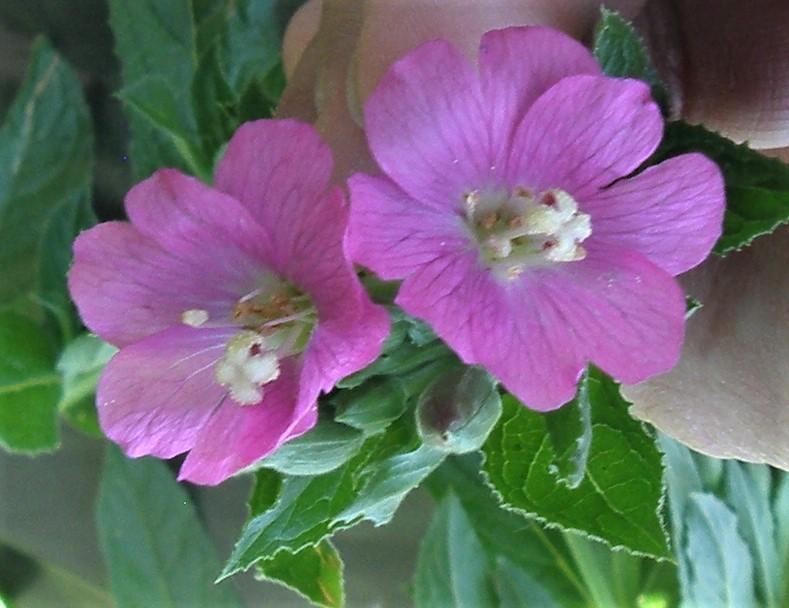
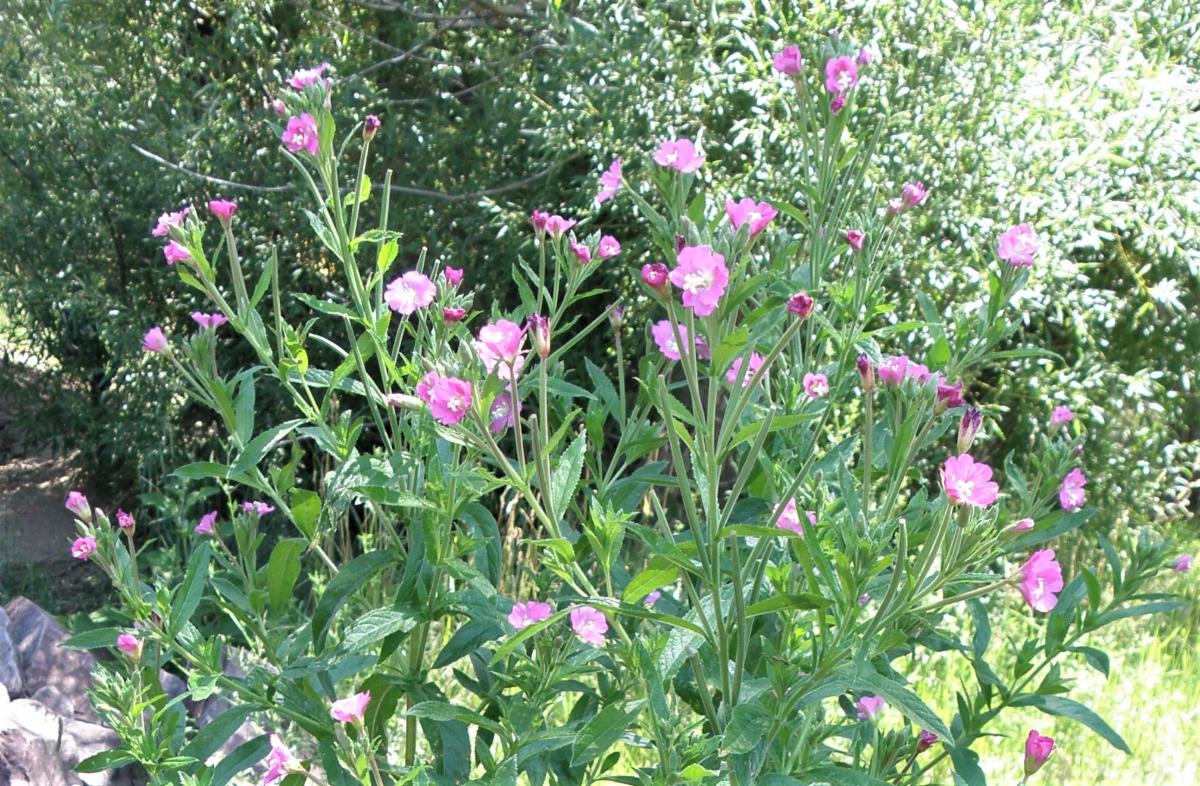
A perennial, Hairy willowherb can grow up to 6 feet tall. The plant is covered with fine hairs. The leaves look like those of a willow, therefore the name “willowherb.” The flowers are very showy, rose to purple color. They have notched petals with white centers and creamy white stigmas. The fruit has silky white hairs with small seeds attached.
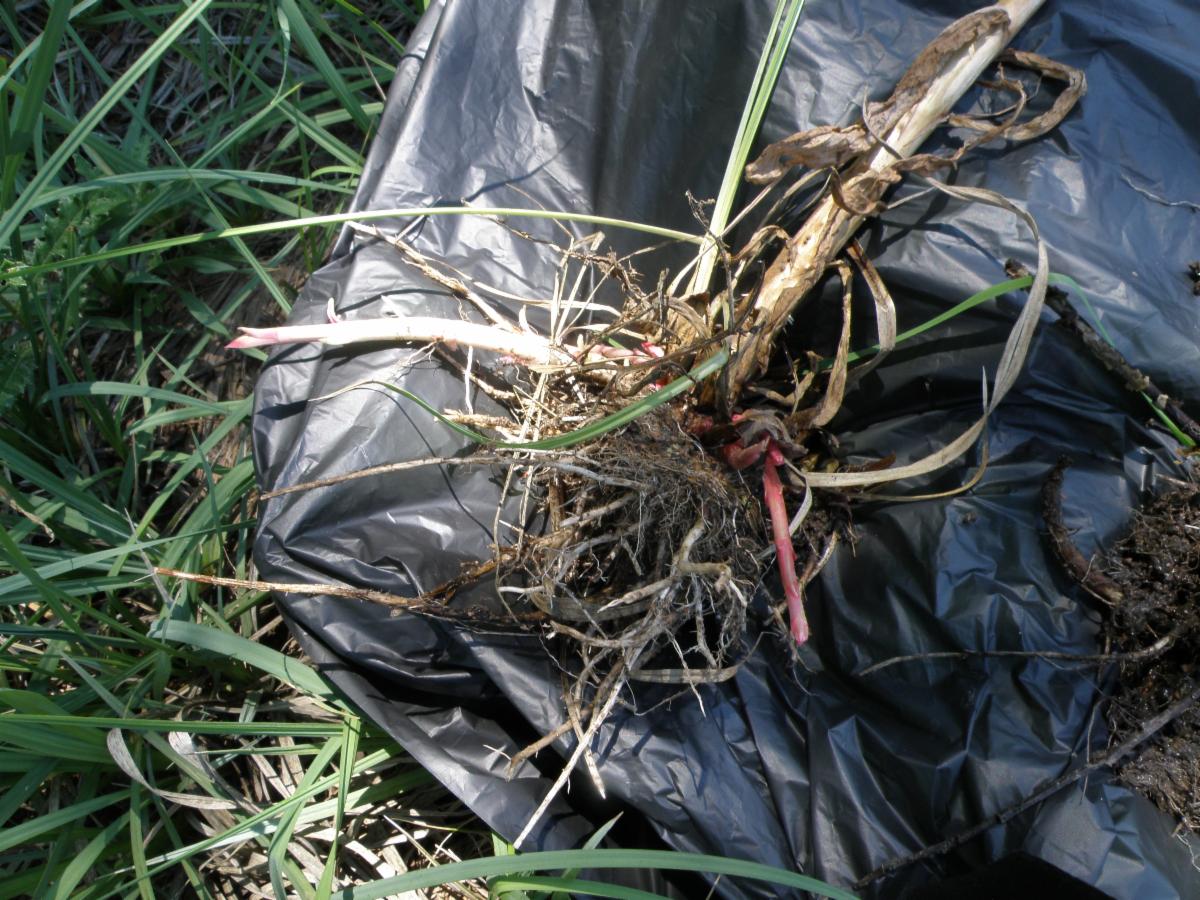
Hairy willowherb reproduces by rhizomes, seeds or fragments of the plant transported from one area to another. One plant can produce up to 70,000 seeds per growing season. In the event that there are not natural pollinators available, Hairy willowherb is capable of self-pollinating.
Because this plant is semi-aquatic, it can survive changing water levels: when roots are submerged, they develop aerenchyma tissue (contains air spaces to hold oxygen) to allow the exchange of oxygen between roots and the upper part of the plant.
All of these factors allow Hairy willowherb to aggressively inhabit new wetland areas. These infestations prevent native plant species from thriving and chokes water flow.
Several years of consistent control is needed to be successful with eradication.
The Weed of the Month is part of the Weed Awareness Campaign and is prepared by Alicia Doran and Tina Travis who are on the committee.
|
|
Promoting CWMA Membership:
How Can We Help?
Do you know someone that should be a member of CWMA? Learn all about CWMA benefits and membership types at www.cwma.org/membership. Use this information as talking points to encourage colleagues to join and get active with CWMA.
Or, perhaps you are unsure whether someone you know is already a member? Search for them in our directory located in the members-only online portal. You can also use this site to renew your membership, register for CWMA events, and update your contact information.
Need help promoting CWMA? Let us know how we can assist you.
Monica Groh, CAE
Colorado Weed Management Association
|
|
Saltcedar and Russian Olive Control in Montezuma County
By Bonnie Loving, Montezuma County Noxious Weed Program Supervisor
|
|
Taking our land back from Russian olives and saltcedars is no easy task. Here in Montezuma County we have over 9,000 acres that is infested by these two species. What is the problem with these species? They are both non-native to the United States and are very successful at dominating our waterways which in return pushes out our native species that wildlife depends on. There are many documented negative impacts of these species to our land and wildlife, but the biggest driver for Montezuma County is the water loss.
These species not only tap into our surface water but they also have extensive root systems that tap into our aquifers. Water is a very scarce resource here in the southwest corner of Colorado, and we have a responsibility to do everything we can to conserve what little water we have.
Because the cost of saltcedar and Russian olive removal can run $250/hour and can take on average 10 hours per acre (this is averaging the time it takes to remove 100 trees per acre to over 400 trees per acre), it is not feasible for a majority of our landowners to have them removed. Montezuma County Noxious Weed Department (MCNWD) designed a project from many different funding sources to remove these species from private properties at the lowest possible cost to the landowners.
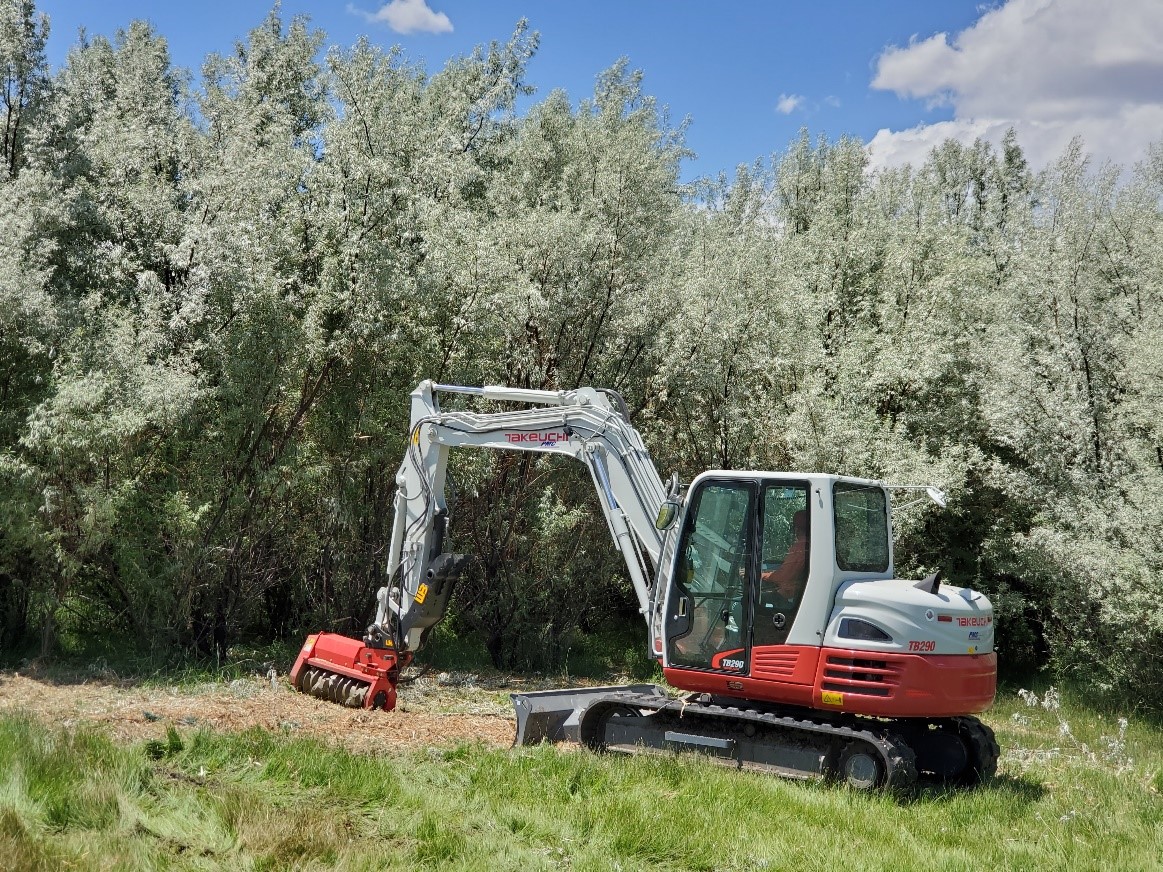
The project consists of two methods, either chainsaw work doing cut stump treatments, or/and using an excavator with a mulcher attachment head to grind up the trees/shrubs. Using herbicide along with mechanical treatments is key in killing the root systems. MCNWD does a combination of foliar applications as well as stump treatments. They also follow up with properties for several years after initial removal to treat any sprouts that come up to ensure root death.
The project started in 2019, and since then the crew has removed over 40,000 saltcedar and Russian olives from about 250 acres. Water savings is calculated based off the root collar diameters of trees removed. Total savings since 2019 is currently at 705 acre feet or 229,898,928 gallons.
|
|
Membership Spotlight: Ben Bain, La Plata County Weed Manager
By Alicia Doran, Jefferson County Invasive Species Management Coordinator
|
|
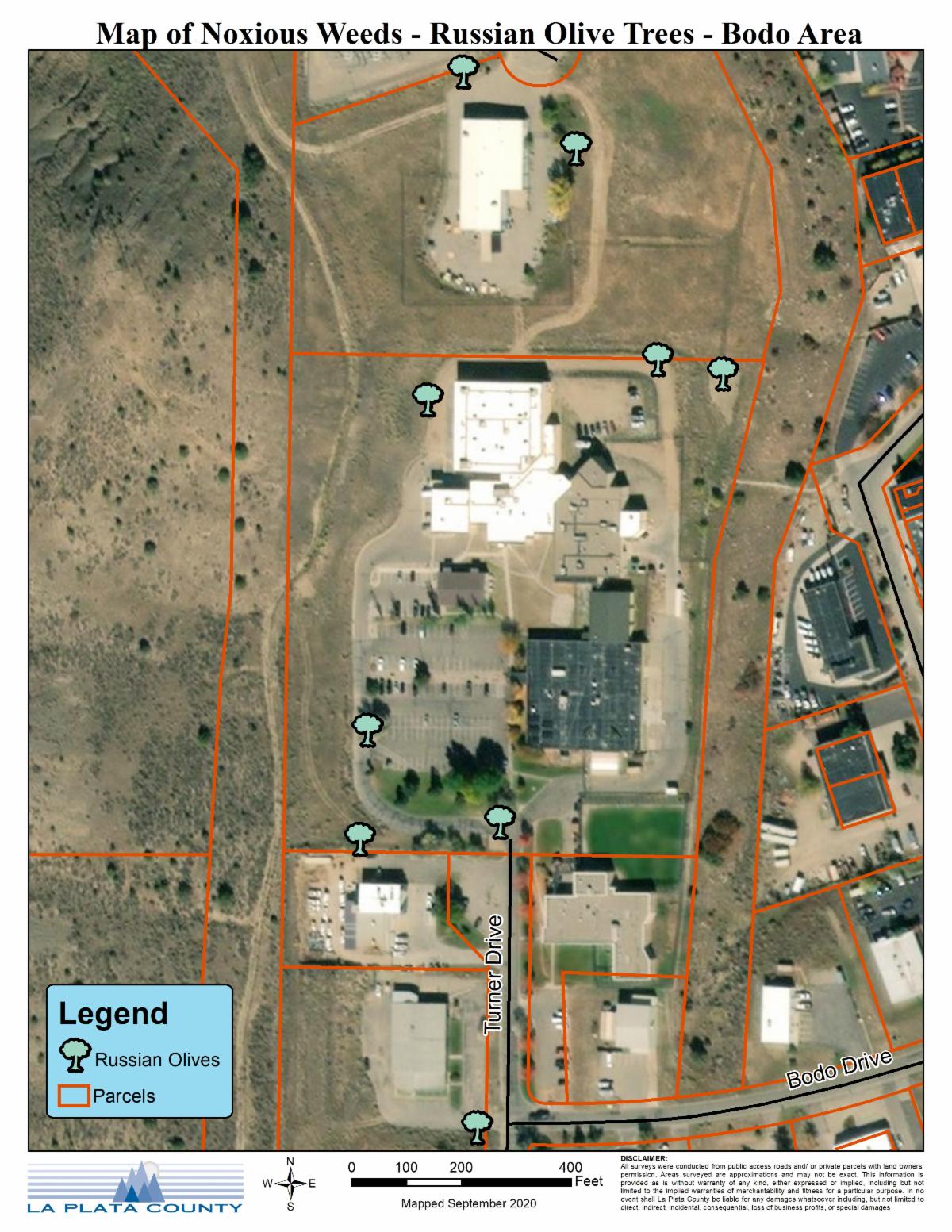
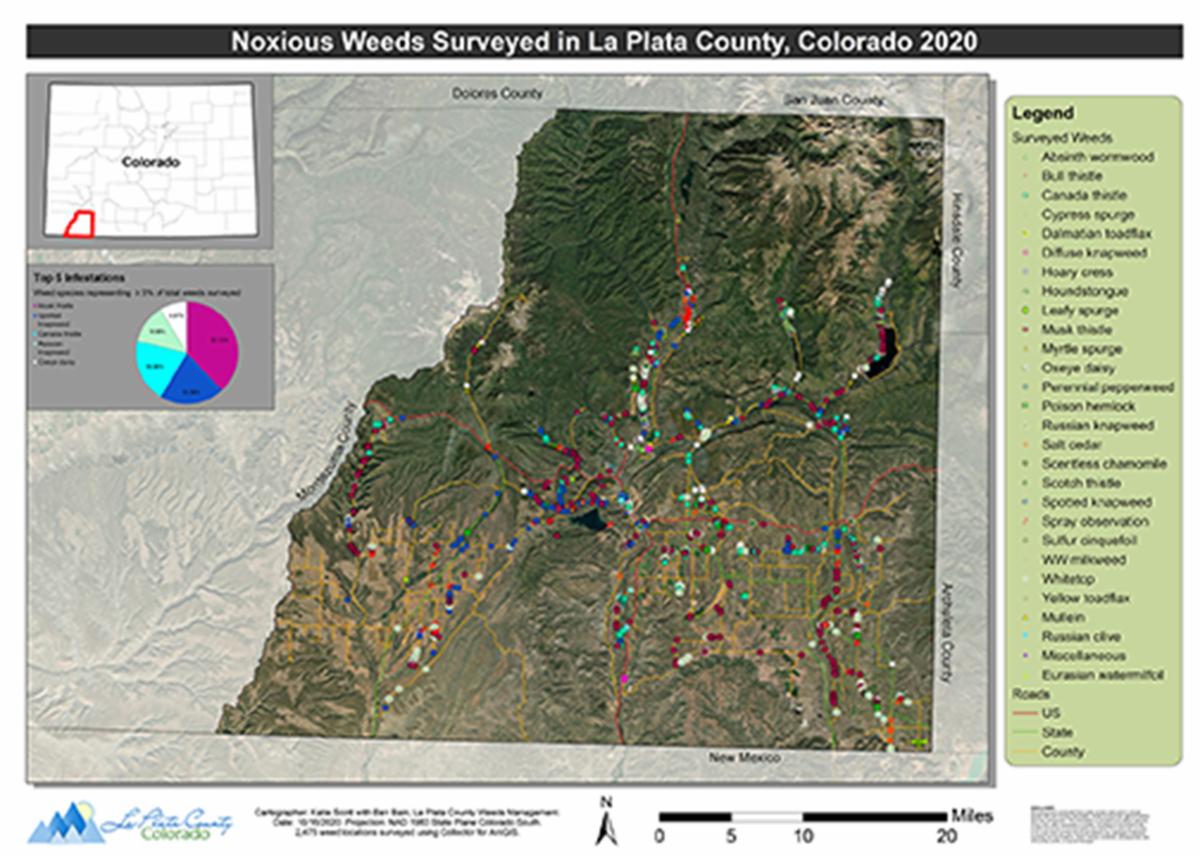
CWMA would like to introduce you to Ben Bain, La Plata County’s Weed Manager. He started with the county in 2009 as a weed mapper and was appointed Weed Manager in 2017 after Rod Cook retired. His county has 1.6 million acres and is a mix of public and private lands over a large and varied range of habitats including desert up to mountainous terrain.
In addition to being responsible for 700 miles of roads and two dozen county properties, La Plata County’s weed program provides a lot of support to private landowners through education, outreach, and site visits. They also offer a cost-share program that utilizes a local commercial applicator to treat participating private properties. By providing an understanding of why sites are becoming degraded and by providing strategies to improve the desirable vegetation, Ben and his team are able to support landowners’ efforts to prevent noxious weed encroachment. The program also works with representatives from local, state, federal, and tribal agencies.
As many of our members report, maintaining funding levels and recruiting staff has been challenging for Ben’s program.
La Plata County’s weed program focuses on 22 listed species including eradication of Eurasian watermilfoil and sulfur cinquefoil. Other species include chamomile, diffuse knapweed, hoary cress, and leafy spurge, just to name a few.
Ben has been instrumental in refining their mapping efforts by using a two-person team to map from their roadsides. By using a laptop with a dongle, they are able to easily identify and map properties using ArcMap in the field. It has allowed them to prioritize and be strategic in their work.
As a member of CWMA, Ben appreciates the trainings we provide like the 2021 virtual Winter Training. He especially enjoys working with landowners who want to learn and become good stewards of their land. In the last few years, he has updated and expanded their education materials and website. I encourage you to visit the La Plata County Weed Management Webpage. It provides comprehensive information that is especially useful to the many new landowners in the region.
Facts About La Plata County
56,000 population
1.6 million acres
1,700 sq miles
700 miles of road
Land Ownership
40% Private
39% Federal
16.1 % Tribal
2% State
970-382-6470
|
|
Call for Submissions: Are You a Writer or Have a Story to Tell?
If you have a success story or event you'd love to share...we want to help!
Colorado Weed Management Association is always looking for new content, exciting stories in integrated management, and alerts on new weed species!
Send in an article, write up, or pictures and we can share them in our quarterly newsletter.
All submissions are subject to review.
Newsletter contributors have to be CWMA members.
|
|
President
Kayla Malone
President Elect
Casey Cisneros
Secretary/Treasurer
Ethan Proud
Board of Directors:
Tina Travis
Curtis Marshall
Derek Sebastian
Mike Auciello
Joe Swanson
Marisa Neuzil
Montana Cohn
Jennifer Cook
|
|
Ex-Officio Members:
Steve Ryder
Mark Eike
Elizabeth Brown
Executive Director:
Monica Groh
7187 W. 79th Drive
Arvada, CO 80003
(303) 210-7077
|
|
|
How can CWMA work for you?
Do you want to make a difference with CWMA? Would you like to influence the direction that CWMA is leading? Join a committee by reaching out to the chairs and co-chairs listed below.
Training and Education
Casey Cisneros
Alicia Doran
Communications and Social Media
Ethan Proud
Kayla Malone
Colorado 4 Healthy Landscapes (C4HL)
Tina Travis
Legislative
Casey Cisneros
Joe Swanson
Membership, Nominations and Scholarship
Mike Auciello
Publications
Tina Travis
Alicia Doran
Strategic Plan Task Force
Casey Cisneros
Want to join a committee but don't know where to start? Contact us for more info!
|
|
Job Opportunities:
Looking to further your career in stewardship, conservation, and natural resources? CWMA shares job postings from natural resource employers!
To view job listings and descriptions, click here.
To post a job, click here.
|
|
|
|
|
|
|