Click here to view the Newsletter as a webpage.

LinkedIn  YouTube

Director's Message


Dear SENTRY Community, 


I want to provide you with some examples of the activities that SENTRY collaborators are instituting and continuing to advance our vision of safe, secure public spaces through the creation of functional and adaptable solutions to detect and mitigate targeted violence.

Michael B. Silevitch

Prof. Jun Zhuang of the University of Buffalo, is the lead for the SENTRY Threat Risk Assessment, Prediction and Deterrence research and his team’s work is described below in this newsletter. This year, Prof. Zhuang worked closely with a community faith-based organization to conduct a structured safety assessment and provide actionable recommendations to enhance preparedness and risk mitigation under resource constraints. This effort emphasized practical, layered approaches to safety, including improvements in access control, situational awareness, and emergency preparedness, while fostering dialogue between researchers and community stakeholders. 


This year, we are very happy to welcome Axis Communications as a SENTRY Industry Partner. Axis has generously donated video camera systems and accessories to be used by SENTRY researchers in support of research and proof of concept efforts. SENTRY researchers Prof. Carey Rappaport and Prof. Richard Radke are among the first wave of SENTRY researchers to benefit from this generous donation. Prof. Rappaport’s research focuses on standoff weapon detection and Prof. Radke’s work is in video anomaly detection across multiple real-world dimensions. This type of contribution from an industry leader is invaluable to SENTRY as it allows for testing and validation of research concepts that can result in real-world transition to our government stakeholders and agencies.


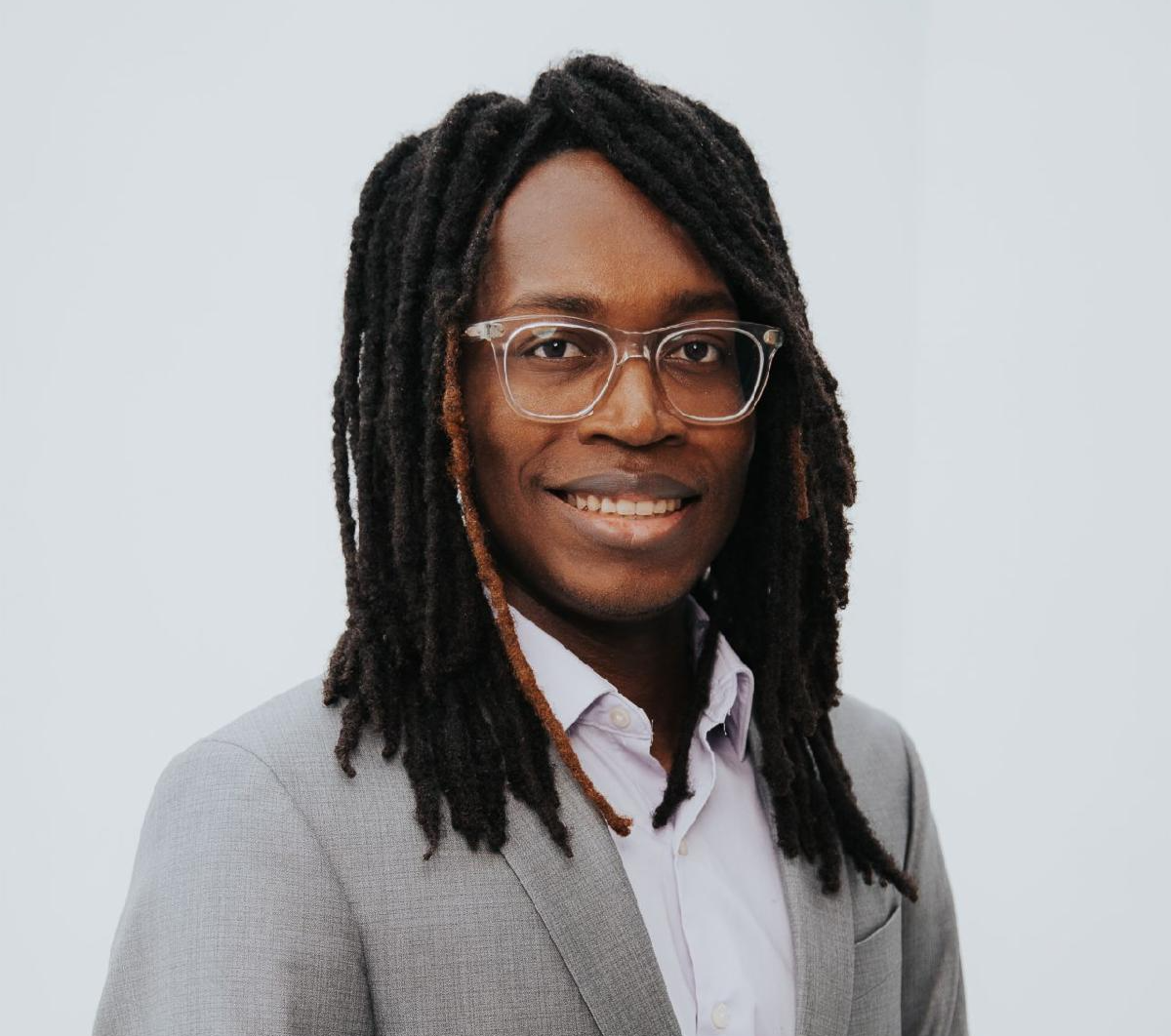
SENTRY continues to have impact on bolstering the future homeland security workforce through SENTRY graduate student Ervin Moore of Florida International University securing a 2026 summer internship through the DHS Professional Opportunities for Student Workforce to Experience Research (HS POWER). Read about Ervin’s achievement in the article below.


In conclusion, such engagements highlight SENTRY’s commitment to translating research into real-world impact and seeking to proactively address evolving security challenges from multiple directions.

Research Project Spotlight


A Game-Theoretic Framework for Multi-Target, Multi-Layer Defense Against Strategic Attackers


Key Accomplishments:


User-Focused Tools for Defensive Resource Allocation

Delivered user-friendly game-theoretic defensive resource allocation models through a Graphical User Interface, informed by feedback from Department of Homeland Security stakeholders and extensive academic research, accumulating 480 downloads to date.


Strategic Attacker Datasets and Analysis Delivered

Several datasets and analysis of understanding strategic attackers’ behaviors and decision-making processes have been delivered to the U.S. public, as well as businesses, organizations, and institutions that want to reduce the

risk of terrorism and crime to the individuals that patronize them.  


Development of Prototype Risk Assessment Tools for Schools

Created an alpha version prototype risk assessment tool for visualizing student movement, now seeking feedback from stakeholders including campus police departments. The team has also developed an adversarial risk analysis model tailored to a specific soft target case study in the space of surface transportation and stadia.

PROBLEM:


This project addresses the significant gap in how agencies and stakeholders

allocate resources to defend against threats to soft targets, as current methods often rely on intuition and outdated practices rather than data-driven strategies. Current practices lead to inefficiencies in deploying countermeasures and increase the vulnerability of soft targets to strategic attacks. 


SOLUTION:


The primary objective is to develop game-theoretic models, which strategically

predict how humans will act and make decisions based on several factors.

These models aid organizations in optimizing the allocation of security

resources against strategic attackers based on these predictive models, which incorporate stakeholder-informed parameters and data, offering a tool for better decision-making and resource distribution to defend soft targets. 


News & Opportunities

SENTRY graduate student Ervin Moore, a PhD Candidate in Computer Science working with SENTRY researcher Prof. M. Hadi Amini of Florida International University, has secured a 2026 summer internship through the DHS Professional Opportunities for Student Workforce to Experience Research (HS POWER) program. The HS-POWER program is a ten-week summer internship sponsored by the DHS Science and Technology Directorate that places undergraduate and graduate students at federal research facilities across the country. 

Ervin Moore

Ervin will work with the National Urban Security Technology Laboratory (NUSTL) for 10 weeks on aspects of the System Assessment and Validation (SAVER) program that they manage. The SAVER program is a DHS initiative that helps emergency responders from law enforcement to firefighters to paramedics to make smarter, more informed equipment purchasing decisions.

FEDERAL CYBER DEFENSE SKILLING ACADEMY

Cyber Training for Federal Employees

Certification Voucher Included

Accepting Applications!


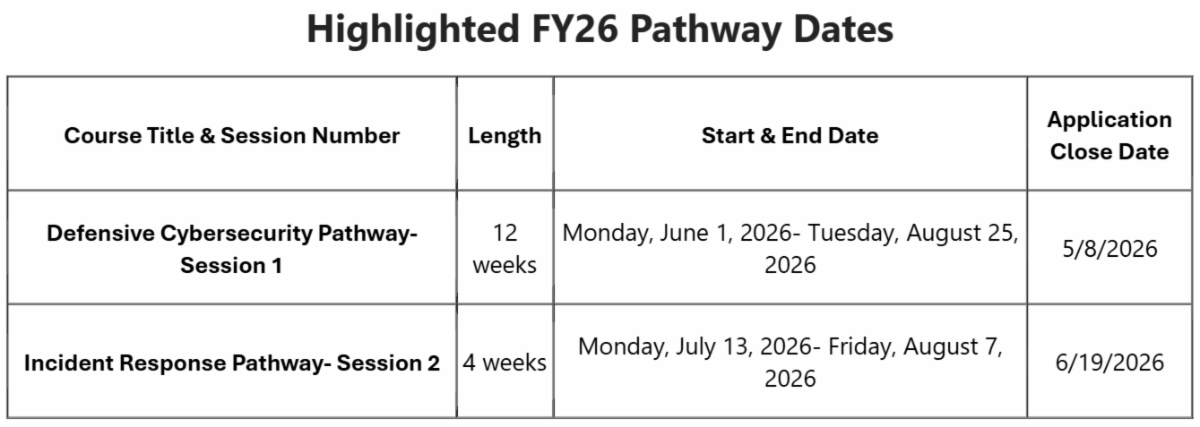
The Federal Cyber Defense Skilling Academy (Skilling Academy) provides a no-cost, virtual training opportunity for full-time federal employees to develop cybersecurity skills through an engaging and immersive experience. Courses run from one to three months and cover high-demand topics such as defensive cybersecurity and incident response, all mapped to the NICE Workforce Framework. You’ll gain hands-on experience in live lab environments led by expert instructors. To discover how this accelerated training can help you gain valuable, real-world skills, please visit Federal Cyber Defense Skilling Academy | CISA and apply today!

The application window may close when each course reaches a maximum number of applicants, which may be sooner than the application close date.

LinkedIn  YouTube