REMINDER: YOUR SUBMISSIONS ARE ENCOURAGED | | |
1. Bindu's Corner: This week, Bindu has brought us a new quote from the revered Swami Vivekananda.
2. Women's History Month: I have a brief background on how March became Women's History Month in the US, along with some inspiring Women's History Month quotes.
3. Flock Spotlight: In the mid-20th Century, Australian bush nurse Sister Elizabeth Kenny developed her own method of physical therapy to treat polio patients. Originally met with skepticism, her method was eventually adopted as a standard treatment.
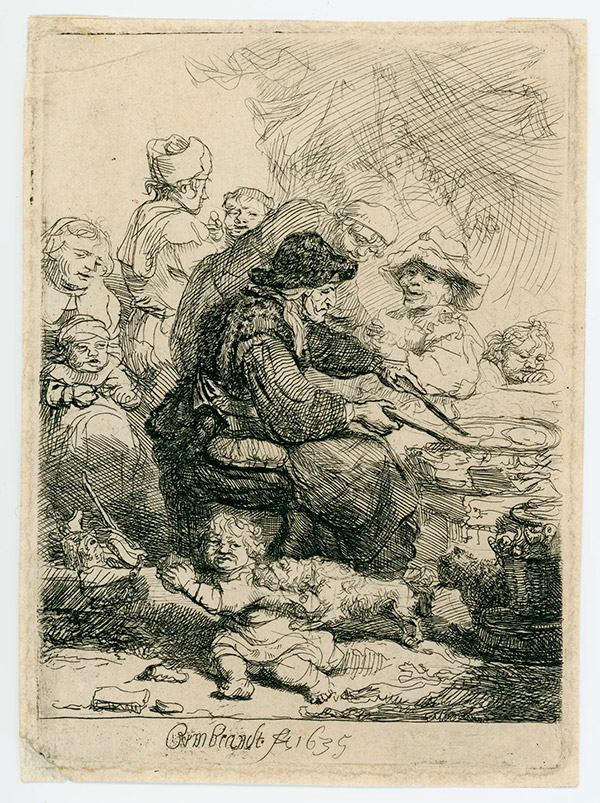
4. Art: A Dutch woman sorting out clutter in her home during the Covid-19 pandemic came across a folder left to her by her grandfather that contained 35 etchings he had purchased one hundred years earlier. The artist who created the etchings turned out to be the Dutch master Rembrandt van Rijn.
5. Gardening: March is here, and the official first day of Spring is just two weeks away. It's time to get started planting, whether you want to grow flowers or vegetables.
6. Cinema: Select mountain culture and adventure films from the Banff Centre Mountain Film and Book Festival are currently touring the world. Find a screening near you.
7. Poetry: After reflecting on this week's lunar eclipse, I found a wonderful poem about the side of the moon we never see.
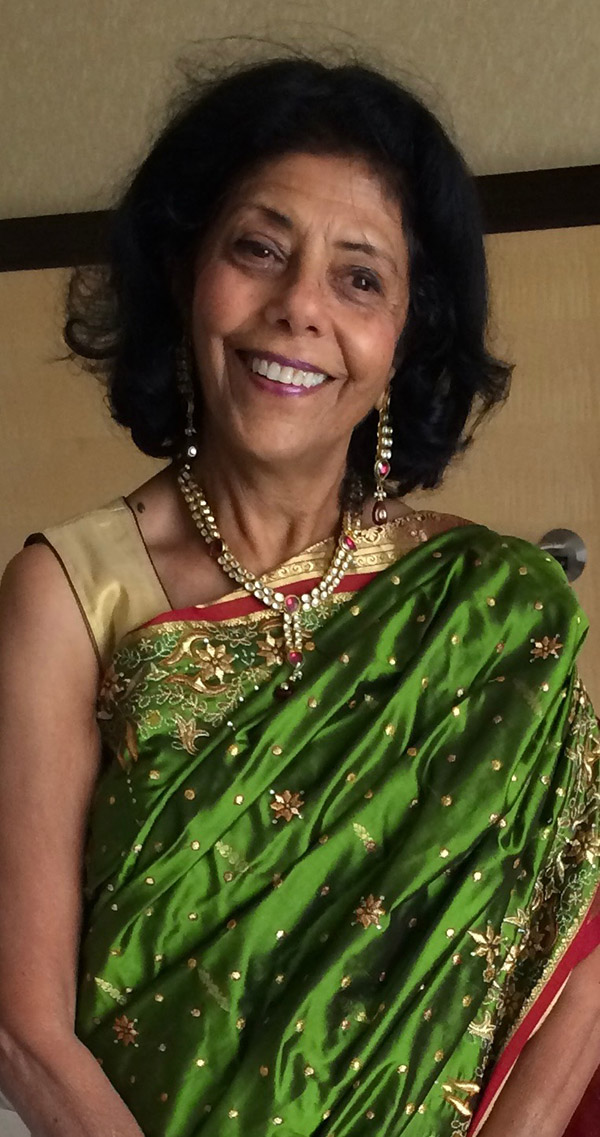
| | It has now been five weeks since Nancy Guthrie went missing. Please don't give up. Keep praying for Nancy Guthrie and her safe return to the Guthrie family. | | Now, to this week's Flock. | | 1. Bindu's Corner: Swami Vivekananda Quote | | Thank you, Bindu, for these sage thoughts from Swami Vivekananda. | | Even at the present time we find many sects and societies, with almost the same ideas, fighting each other, because one does not want to set forth those ideas in precisely the same way as another. Therefore, religions will have to broaden. Religious ideas will have to become universal, vast, and infinite; and then alone we shall have the fullest play of religion, for the power of religion has only just begun to manifest in the world. | |
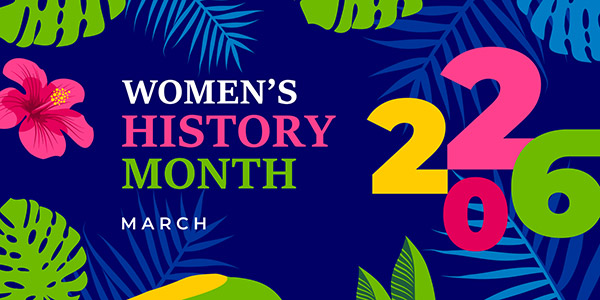
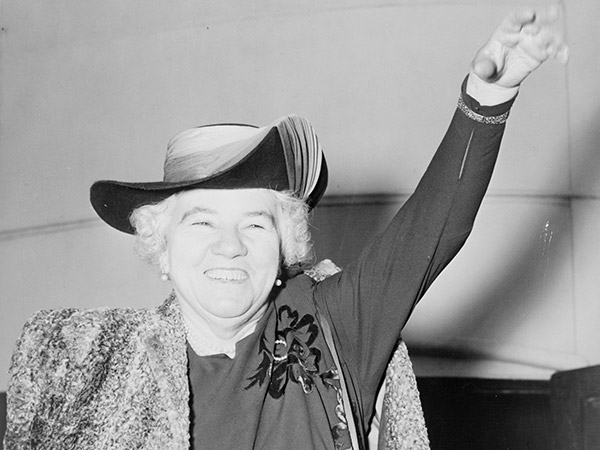
2. Women's History Month: March 2026
| | The month of March is recognised as Women's History Month by the United Kingdom, Australia, and the United States. Here in the U.S., a presidential proclamation designating the month is issued each year. Throughout March, various federal institutions honor the contributions women have made to the country. | | Women’s History Month: March 2026 | | |
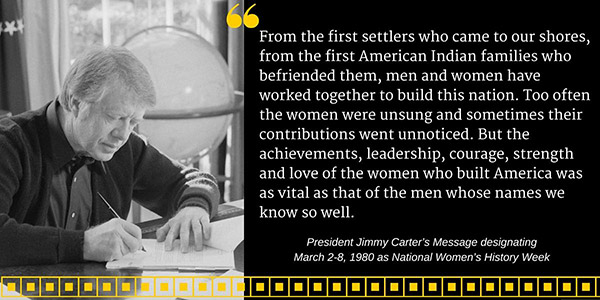
Women’s History Month honors the successes and sacrifices of U.S. women. It dates to March 8, 1857, when hundreds of women from New York City garment and textile factories rallied to protest harsh working conditions. In 1909, New York City became the site of the nation’s first Women’s Day celebration, a year after 15,000 women there marched to demand shorter working hours, better pay, an end to child labor and the right to vote. More than seven decades later, in 1981, Congress set aside the second week of March as Women’s History Week.
Six years later, Congress expanded the week to a month. As we celebrate Women’s History Month, we reflect upon the advances women have made, including increased earnings, educational attainment and job opportunities.
| | In February 1980, President Jimmy Carter issued the first Presidential Proclamation declaring the Week of March 8th 1980 as National Women’s History Week. | Six years later, Congress expanded the week to a month. As we celebrate Women’s History Month, we reflect upon the advances women have made, including increased earnings, educational attainment and job opportunities. | | Inspiring Quotes for Women's History Month | | “Women are like teabags. We don’t know our true strength until we are in hot water.” — Eleanor Roosevelt (1884-1962), political figure, diplomat, activist, First Lady. | | "The most difficult thing is the decision to act, the rest is merely tenacity," — Amelia Earhart (1897-1937?), aviation pioneer. | | “You must never be fearful about what you are doing when it is right.” – Rosa Parks (1913-2005), civil rights activist. | | "If they don't give you a seat at the table, bring a folding chair." — Shirley Chisholm (1924-2005), U.S. Congresswoman. | “My mission in life is not merely to survive but to thrive and to do so with some passion, some compassion, some humor, and some style.” — Maya Angelou (1928-2014), memoirist, poet, civil rights activist. | “It took me quite a long time to develop a voice, and now that I have it, I am not going to be silent.” — Madeleine Albright (1937-2022), U.S. Secretary of State. | “Champions keep playing until they get it right.” — Billie Jean King (1943 - ), tennis champion. | "The most common way people give up their power is by thinking they don't have any." — Alice Walker (1944 - ), novelist, short story writer, poet, social activist. | |
“One child, one teacher, one book, one pen can change the world.”
— Malala Yousafzai (1997- ), Pakistani female education activist, Nobel Peace Prize laureate.
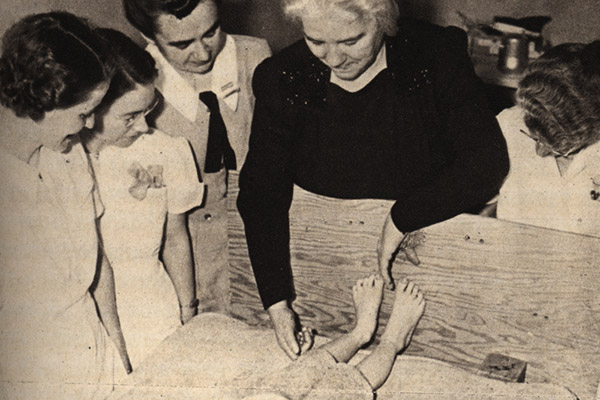
| | 3. Flock Spotlight: Sister Elizabeth Kenny | | Last week, in Bindu's Corner, we brought you a quote from Sister Elizabeth Kenny, an Australian bush nurse who was a pioneer of physical therapy, developing treatments for polio patients in the mid-20th century. This week, as part of Women's History Month, I'm featuring her in the Flock Spotlight. | | Flashback Friday - The 'Bush Nurse' Without Bona Fides | | |
In a 1951 poll, she beat out Eleanor Roosevelt as the woman Americans most admired in the world. Hollywood dramatized her crusading story. There were transatlantic invitations to lecture, honorary degrees conferred. Today, though, Sister Elizabeth Kenny is a forgotten puzzle piece from history.
But in the 1940s, when the United States was gripped by polio epidemics, this Australian nurse with no formal training pioneered a treatment that flew in the face of orthodox practice. Sister Kenny was roundly ridiculed by the mostly male medical establishment, even as her paralyzed patients recovered. The controversy she sparked seemed to fuel her throughout her career.
Before the Salk vaccine was discovered in 1953, recurring polio epidemics overwhelmed communities with fear and dread. Polio, said one parent, was “a word that strikes more terror in the hearts of parents than the atom bomb.”
The conventional treatment called for splints and braces to immobilize paralyzed limbs. Physicians believed that rest protected the damaged limbs. Muscle shortening was treated through surgery.
Enter Sister Kenny. A nun she was not. Largely self-taught, she gained additional experience as a staff nurse in the Australian Army Nursing Service during World War I, serving on troopships. Promoted to “Sister,” she used the honorific for the rest of her life.
Working as a “bush nurse” in rural Queensland, Sister Kenny had never heard of the established treatment for polio. Relying on keen bedside observation, she experimented with ways to alleviate a child’s muscular pain and contracted limbs. She wrapped arms and legs in hot woolen cloths and encouraged active movement of the muscles. She also made her patients learn the names of their affected muscles and how they worked—encouraging them to take an active role in their recovery.
| | |
By 1933, Sister Kenny was convinced that her methods worked. She traveled throughout Australia and England to demonstrate her techniques, but hit a wall; she had no scientific basis for her therapy. She recalled in her 1943 autobiography, And They Shall Walk: “I was wholly unprepared for the extraordinary attitude of the medical men in its [sic] readiness to condemn anything that smacked of reform or that ran contrary to approved methods of practice.”
But Sister Kenny apparently made up in will power whatever she lacked in formal medical training. Newsweek described her, rather unflatteringly, as “a human tornado.” Imposing and irascible, Sister Kenny persevered, arriving in the U.S. in 1940 to present her controversial method to American physicians and nurses. Doctors in New York and Chicago showed her the door. At the Mayo Clinic in Minnesota, however, the “Kenny Method” became widely accepted. In 1942, the Sister Kenny Institute opened in Minneapolis to treat polio patients and it remains a prominent center for rehabilitation treatment and research.
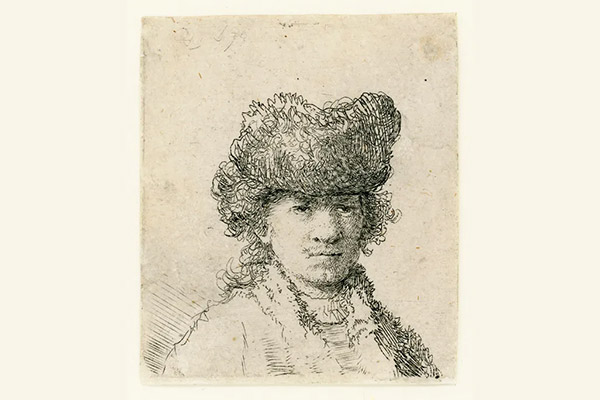
| | Elizabeth Kenny Improved the Lives of Polio Patients, Women's History Month | | 4. Art: Woman Discovers Forgotten Rembrandt Etchings | | Self-Portrait in a Fur Cap, Rembrandt van Rijn, 1630 Collection of Charlotte Meyer | | The following article tells the story of one woman's remarkable find while sorting through a drawer of forgotten family heirlooms during the Covid-19 pandemic. | | A Woman Found a Folder in a Drawer. When She Opened It, She Discovered 35 Forgotten Rembrandt Etchings | | Charlotte Meyer’s grandfather acquired the artworks between 1900 and 1920. Now, they’re going on view for the first time in more than a century | | |
During the homebound days of the Covid-19 pandemic, cleaning and sorting through clutter emerged as an easy way to pass the time. But few enjoyed the same level of luck as Charlotte Meyer, a Dutch woman who made a life-changing discovery in 2020, when she decided to sort through a drawer of heirlooms that had long gone untouched.
ears before, when Meyer’s grandfather died, he left her a folder of prints that had been in the family for roughly a century. When Meyer finally opened the folder, she found 35 etchings created by the Dutch master Rembrandt van Rijn, whose 17th-century paintings and prints are renowned as some of the greatest visual art to come out of the Western world.
“It’s such a beautiful story, one you can only dream about,” Meyer tells Omroep Gelderland’s Milla Helfferich, per a translation by NL Times. “Nobody was interested in etchings back then. They were nothing special. For just a few guilders, my grandfather bought 35 different ones.”
| | The Pancake Woman, Rembrandt van Rijn, 1635 Collection of Charlotte Meyer | |
Meyer’s grandfather collected the etchings between 1900 and 1920. They were small, with some measuring only a few centimeters in length. At first, Meyer wasn’t sure if the artworks were truly by Rembrandt. She felt sheepish calling experts at the Stedelijk Museum Amsterdam, especially because works attributed to the artist sometimes turn out to be forgeries.
When the experts arrived at Meyer’s home and went through the etchings, which are in excellent condition, the full weight of the find sank in. “They said, ‘Charlotte, you have no idea what you’ve got!’” Meyer tells Omroep Gelderland.
| |
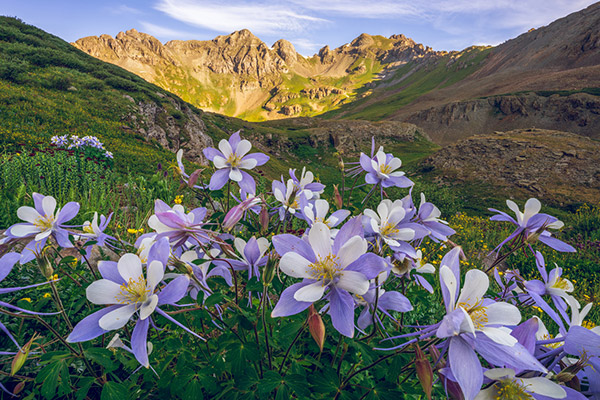
5. Gardening: What to Plant in March
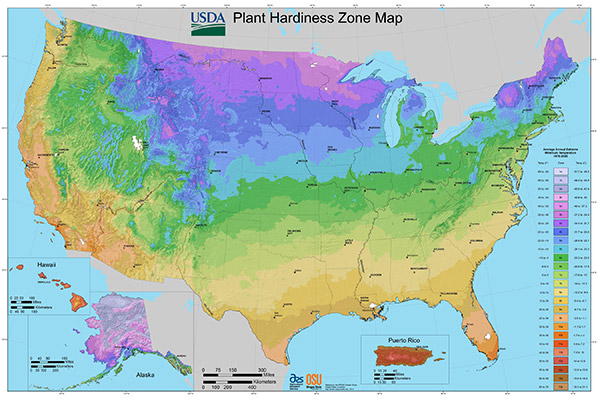
| | This Article from A-Z Animals has a rundown of which flowers, vegetables, and berries to plant in March. Before you get started, it's important to know which "Hardiness Zone" you live in to ensure you plant the right plants for your location. For example, Aspen, CO, is in zone 5b, while Tucson, AZ, is in zone 9b, two very different environments for growing Spring plants. Visit the USDA's Plant Hardiness Zone Map and enter your ZIP code in the search field to find your zone. | | What to Plant in March: The Complete Guide | | |
Spring often comes quickly during the early months of the year, which is why you may be wondering what to plant in March. Depending on where you live and what you want to grow, this can be a particularly tricky month for seedlings and young plants. Unexpected frost conditions occur often throughout March, which can be a pain on top of the potential for seasonal allergies.
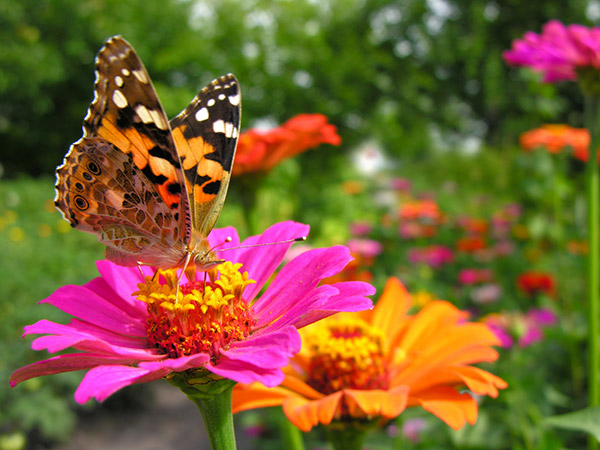
Determining what to plant in March is largely decided by your Hardiness Zone. If you live in Zones 1-5, you will likely only be growing seeds indoors or in a greenhouse. Some of these seeds may include broccoli, peppers, tomatoes, snapdragons, cabbage, and cucumbers. In other, more temperate Zones, many flowers can be directly sown outside such as zinnias, daisies, and begonias. Plus, peas and spinach are good to grow in March!
In this article, we’ll dive in and address everything you should know about planting flowers and vegetables during the month of March. We’ll go over some of the best options for you to try to grow, depending on your Hardiness Zone, and some tips as to how to best plant these plants. Let’s get started!
| | |
What to Plant in March: Flowers
If you live in Zones 1-5, you will likely only be growing seeds indoors or in a greenhouse.
During the month of March, spring has sprung in many locations in the United States. However, snow certainly persists in many northern Zones, making it difficult to anticipate when to sow your flower seeds. As much as we all want to see beautiful blooms during this month, some flowers are too delicate for such frigid temperatures!
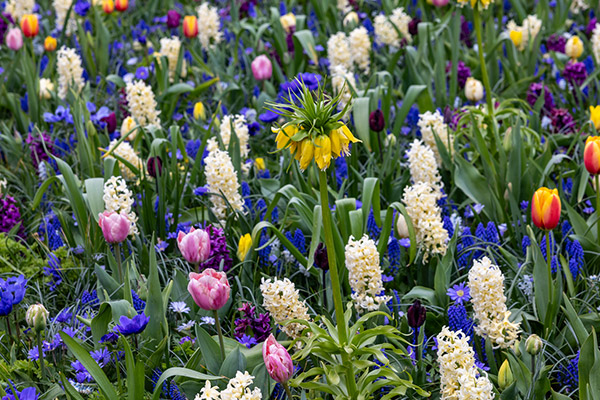
Hopefully you planted plenty of spring bulbs to make up for a lack of blooms in March. Most crocus, tulip, daffodil, and hyacinth bulbs should be starting to sprout. If you live in the right climate for it, here are some other flowers that you can plant during March!
- Daisies
- Zinnias
- Snapdragons
- Marigolds
| | |
What to Plant in March: Vegetables
Your garden bed may need tilling before you get your vegetables planted in March. In fact, your ground may still be too frozen to plant things directly outside! However, many vegetable plants work best when started indoors, especially during the month of March. Here are some of the most popular vegetables to consider planting during this time of year, indoors and out.
- Tomatoes
- Peas
- Cucumbers
- Spinach
- Peppers
- Broccoli
- Cabbage
| | |
Your copy should address 3 key questions: Who am I writing for (audience)? Why should they care (benefit)? What do I want them to do (call-to-action)?
Create a great offer by adding words like "free," "personalized," "complimentary," or "customized." A sense of urgency often helps readers take action, so consider inserting phrases like "for a limited time only" or "only 7 remaining!"
| | |
What to Plant in March: Berries
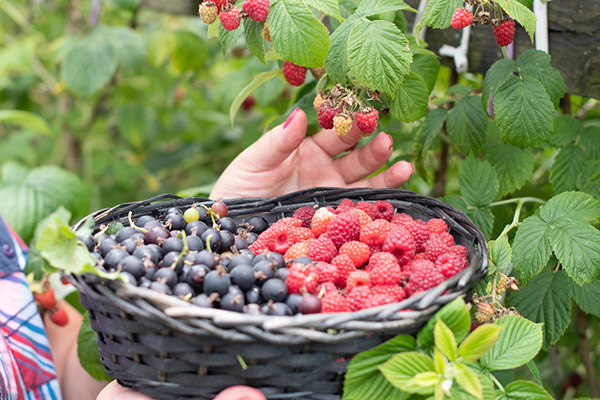
Did you know that March is an optimum time for planting berry shrubs and plants? While you likely won’t grow most of your berry plants from seed, most garden centers and nurseries carry established berry plants or even dormant cuttings. Keep an eye out for these if you want thriving berry bushes in your yard!
- Strawberries
- Blackberries
- Raspberries
- Blueberries
| | |
Know Your Zone for Best Success!
Given just how temperamental the month of March can be depending on where you live, it’s important to be acquainted with your Hardiness Zone. Knowing when your average frost dates occur as well as paying attention to how the past few growing seasons have gone can be key to a successful garden.
Did your yard remain frozen well into the month of April last year? Do you live in a tricky Zone (such as Zones 8 and 5) and are feeling unsure about what to plant? While starting things indoors will always guarantee a successful start, planting things at the right time needs to happen to keep your seedlings thriving!
Practice makes perfect, and some years are more abnormal weather-wise than others. You can always chat with local garden centers or nurseries in your area to get some tips as to what plants and crops take best to the potentially chilly soil found during the month of March!
| |
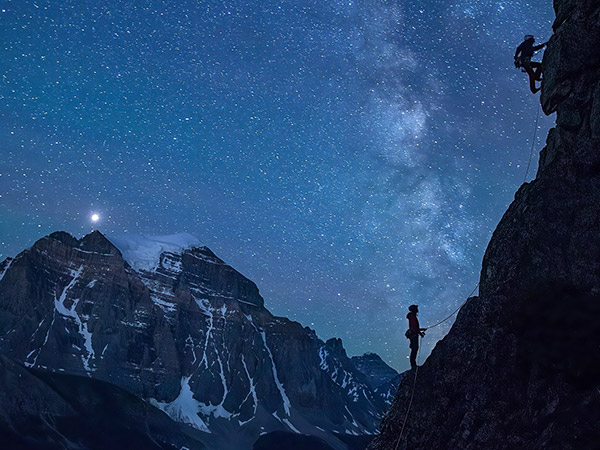
6. Cinema: Banff Mountain Film Festival
| | Every year, the Banff Center for Arts and Creativity in Alberta, Canada, hosts an international competition showcasing the best films and documentaries on mountain culture, sports, the environment, and adventure. After the festival, select films go on a world tour, presented in theaters across Canada, the USA, and international venues. Selected films from the festival are even available to view online. | Banff Centre Mountain Film and Book Festival & World Tour | |
Since 1976, the Banff Centre Mountain Film and Book Festival, a flagship program of Banff Centre, has been an industry leader in the celebration of Mountain Culture. We promote understanding and appreciation of the world’s mountain places by creating opportunities for people to share and find inspiration in mountain experiences, ideas, and visions. Following the festival each fall, our annual World Tour reaches more than 45 countries on 7 continents, making us the largest adventure film tour on the planet.
Banff Centre Mountain Film and Book Festival
Join us in Banff for the 51st annual Festival from Oct. 31-Nov. 8, 2026! The Festival features guest speakers including adventurers, authors, and filmmakers sharing their stories; epic films from around the world; FREE events, the annual Festival Marketplace, happy hours with music, downtown and partner events, and mountain art exhibitions, and more!
World Tour
The 2025-2026 World Tour launched in December following the Festival in Banff and is on the road in over 40 countries! Find a location near you.
Canadian Screenings | US Screenings | International Screenings
Watch Films Online
Watch films online from home! Available anywhere in CAN/USA. Featuring films from past World Tour programs, festival favourites, as well as school programs.
Online Screenings
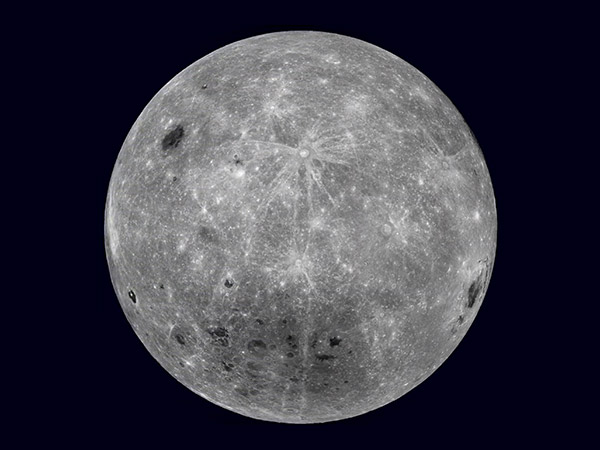
| Banff Mountain Film Festival 2026 | Trailer | | 7. Poetry: The Other Side of the Moon | | Looking back on the lunar eclipse we were treated to at the beginning of the week, it got me thinking about the beauty and cultural power of the moon, which led me to the power of writing and to this beautiful poem, The Other Side of the Moon. | | |
There exists a half side of moon unseen to us,
it has radiance blessed by the light source sun,
glows identical to the other side, we all focus,
but in the opposite flow with forward time run.
on the no moon day, it glows like the full moon,
contrary, on the full moon day, it has no glisten,
as the moon disc seen to us changes gloom,
from all dark to all bright, towards dark again.
the other side of the moon undergoes conversely,
it goes towards whole dark from all bright,
then from dark to bright, with the other side coherently,
no moon is a full moon, full moon is no moon, for it.
though it lives the same life as that of the other,
it remains invisible to the visions of us, perpetually,
the visible side of the moon is adored being closer,
it’s valued scientifically, poetically, and by all truly.
the hidden side of the moon is the twin of the other,
has the same gleam, capability, lighted by the sun,
but gets no love, no one's attention forever,
why is this bias? its sin is its birth in that zone?
| | Total Lunar Eclipse Turns Moon Blood Red, Phenomena Witnessed In Most Part Of The World | | These Flock regulars are always here for you: | | Don't Be Shy: Share Your Stories! | | I'm looking forward to sharing more of your personal stories - oral, written, or otherwise, as we enter our third year. I'd so love to present them to The Flock, hit a mailbox below to share your story. | | Subscriptions & Idea Submissions
Reminder: Your submissions are always welcomed. | | |
Feel free to forward this email to a friend. If this was forwarded to you and you would like to receive your very own Flock Newsletter, you can sign up here. If you have any questions or suggestions for future Flock resources, don't hesitate to contact me.
Your fan and friend,
Beth
| | | The information and materials contained or referenced in this newsletter are for informational purposes only and not intended to be a substitute for professional medical advice, diagnosis, or treatment. Always consult a physician or other qualified medical professional with any questions you may have regarding a medical condition or treatment and before beginning a new health care regimen. Do not disregard professional medical advice or delay seeking medical advice or care based on anything contained in this newsletter. | | | | |