|
|
January 25, 2022
Winter Issue #9
|
Weekly activities and lessons to keep your child thinking and progressing throughout the school year. |
|
"Success usually comes to those who are too busy to be looking for it." |
|
Hello
Please share this flyer with your friends and encourage them to join our mailing list by following the links on this page.
Mr. McManus :-)
|
|
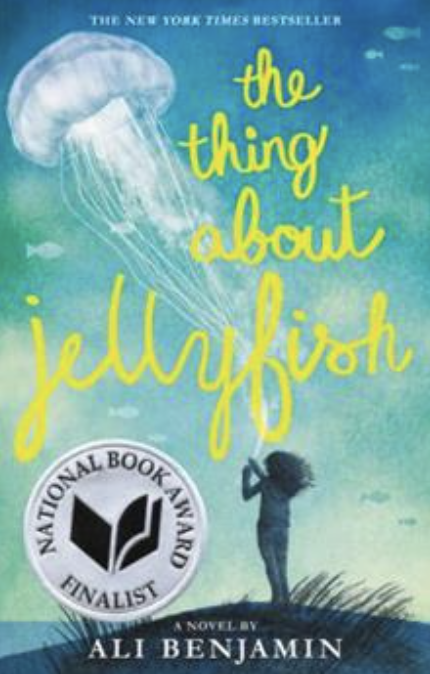
The Thing About Jellyfish
by Ali Benjamin
|
|
|
|
This novel has it all: just-right pacing, authentic voices and characters, beautifully crafted plot, and superb writing. Readers will find that this story lingers with them after the book is closed. It had me laughing and weeping! Suzy, the narrator, is sweet, smart, socially-awkward and absolutely endearing. After her best friend dies in a drowning accident, Suzy is convinced that the true cause of the tragedy must have been a rare jellyfish sting--things don't just happen for no reason. Retreating into a silent world of imagination, she crafts a plan to prove her theory--even if it means traveling the globe, alone. Suzy's achingly heartfelt journey explores life, death, the astonishing wonder of the universe...and the potential for love and hope right next door. It's a beautiful story of friendship, growing up, grief and jellyfish. Enjoy! |
|
|
|
|
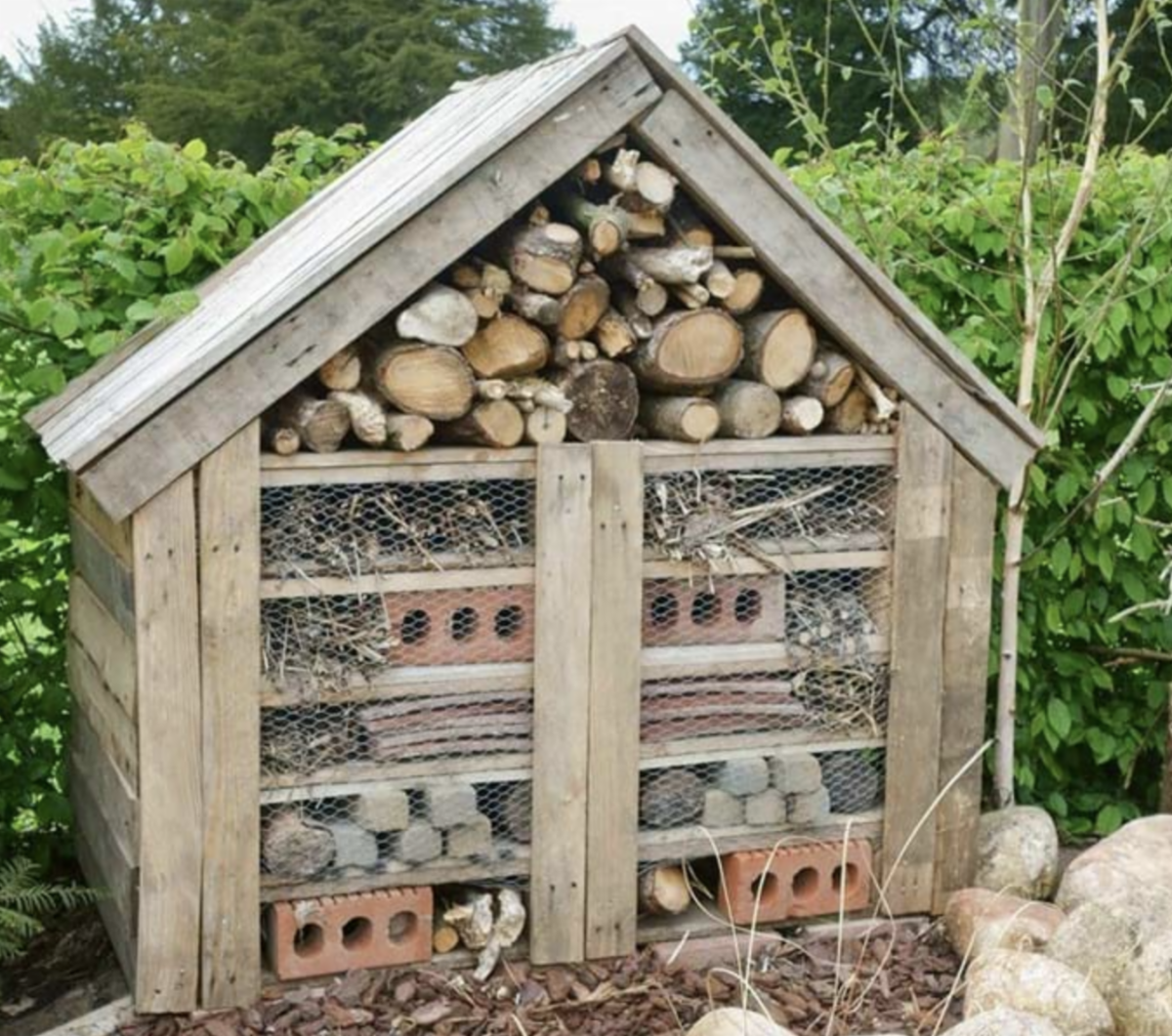
How to make an Invertebrate Hotel |
|
If the only place you have seen invertebrates is in the roach trap in your kitchen, this is the science project for you. In this fun experiment, you with engineer a cardboard hotel full of tiny stick and leaf rooms. Leave it outside and see who moves in!
I left an invertebrate hotel on my porch for several months until one morning I woke up and found it had been picked apart! It seems my neighborhood raccoons also figured out it was a fun place to find invertebrates.
GATHER THIS:
- Small cardboard box (like a granola bar box)
- Some or all of the following: corks, toilet paper tube, cardboard scraps, paper straws newspaper, brown packing paper...
*Sustainability Note: Use materials like paper or cardboard that will easily break down if they fall out of your box outside. Avoid using plastic items.
THEN DO THIS:
- Go for a walk near your home and bring along a bag or bin to collect materials in. As you walk, work together to collect a few small sticks, dried leaves, pieces of bark, small stones, and similar items. Pause to look underneath things like rocks, big sticks or pieces of bark. Can you find any invertebrates hiding?
- Lay out all of your materials (both those collected outside, and other things suggested above).
- To make your invertebrate hotel, stuff your small cardboard box with some of each of your materials in a way that creates a lot of small spaces for small critters to hide in. Let your child try different ideas to get the materials to stay in the box without spilling out. Try to figure it out without using any tape or glue!
- Place your invertebrate hotel outside.
- Check on it once a week to see who has moved in! Consider modifying your design (like create smaller or larger empty spaces) after a week or two and see if it changes how many and what kind of invertebrates move in.
ASK THIS:
- Where do small animals like pill bugs like to live outside?
- What idea can we try to get the materials to stay in the box without glue or tape?
- What types of animals do you think will use the hotel?
- Do you think the animals will be the same every time you check?
- Where should you put the hotel to attract the most residents?
WHAT IS HAPPENING?
Invertebrates, animals without a backbone, are the most numerous creatures on planet earth! This diverse group includes everything from flies and spiders to clams and giant squid. Land-based (terrestrial) invertebrates are often mistakenly referred to as bugs. However, in biology, “bug” is actually a very specific group called Hemiptera within the insect class. Terrestrial invertebrates are a great introduction to observing nature in your own backyard because they really are all around! Plus, who doesn’t love roly poly bugs!?
|
|
Three Writing Prompts and a Riddle
These prompts and questions will help jump-start your daily writing. Just as it's important to read for at least 30 minutes each day, you should also write for 30 minutes a day. Don't worry about your organization or spelling, just write!
"The grunting got louder and louder until..."
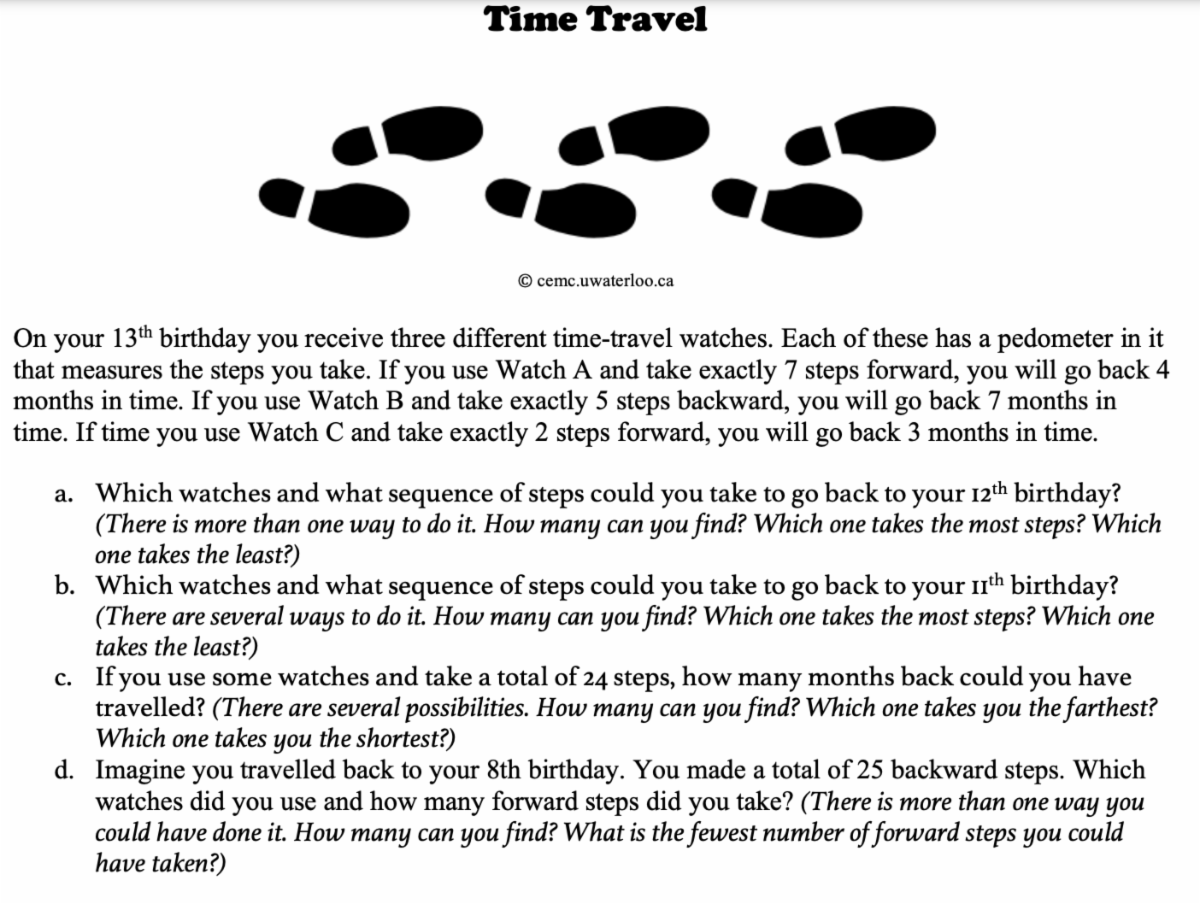
"My time machine accidentally sent me back to..."
"'No problem, I have until 1:00pm..."
|
|
What goes away as soon as you talk about it?
answer in next week's issue :-)
Last week's answer... A keyboard
|
|
|
|
|
|
|
|
|
|