Welcome Spring!
March 27, 2026
| |
Countdown to Opening Day Has Begun!
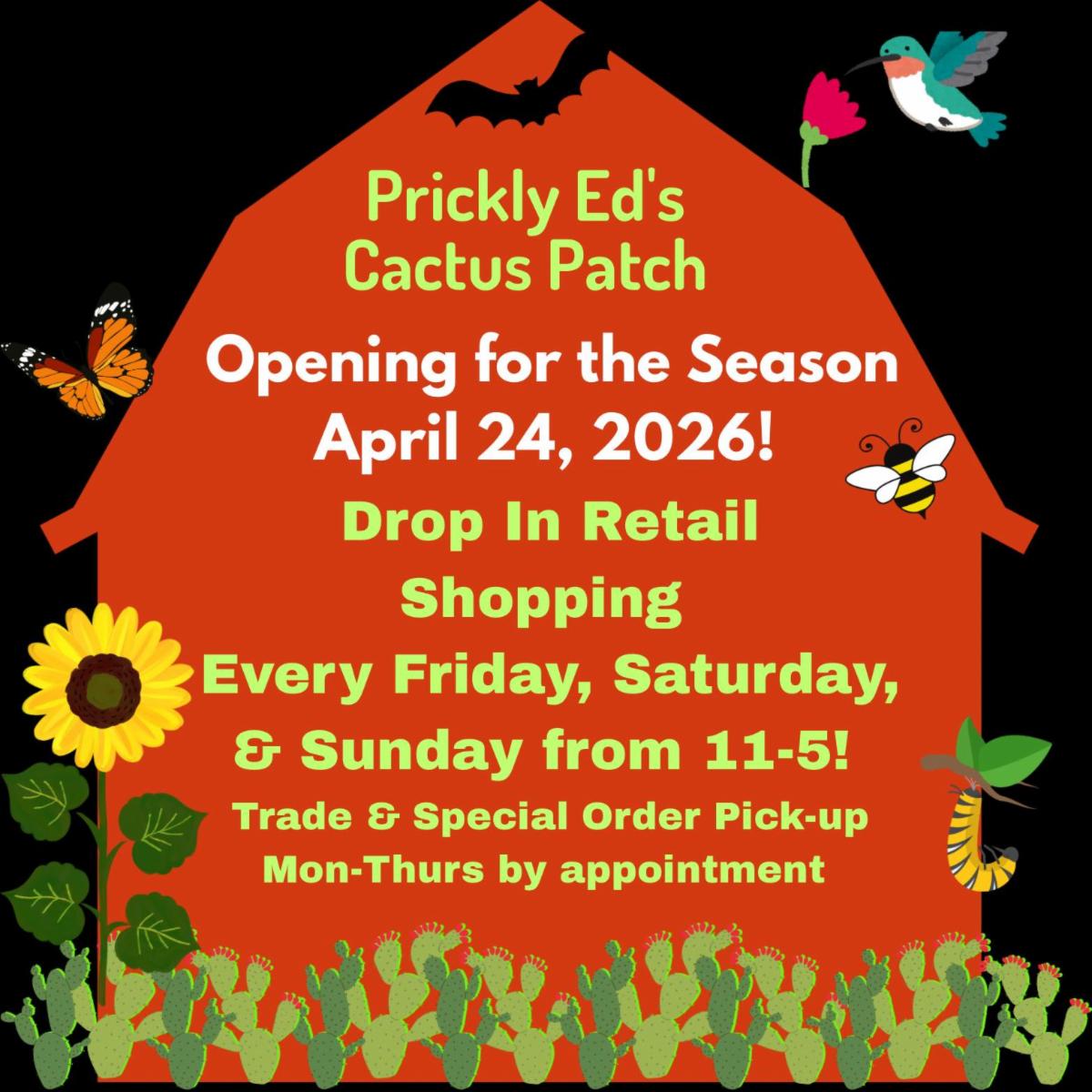
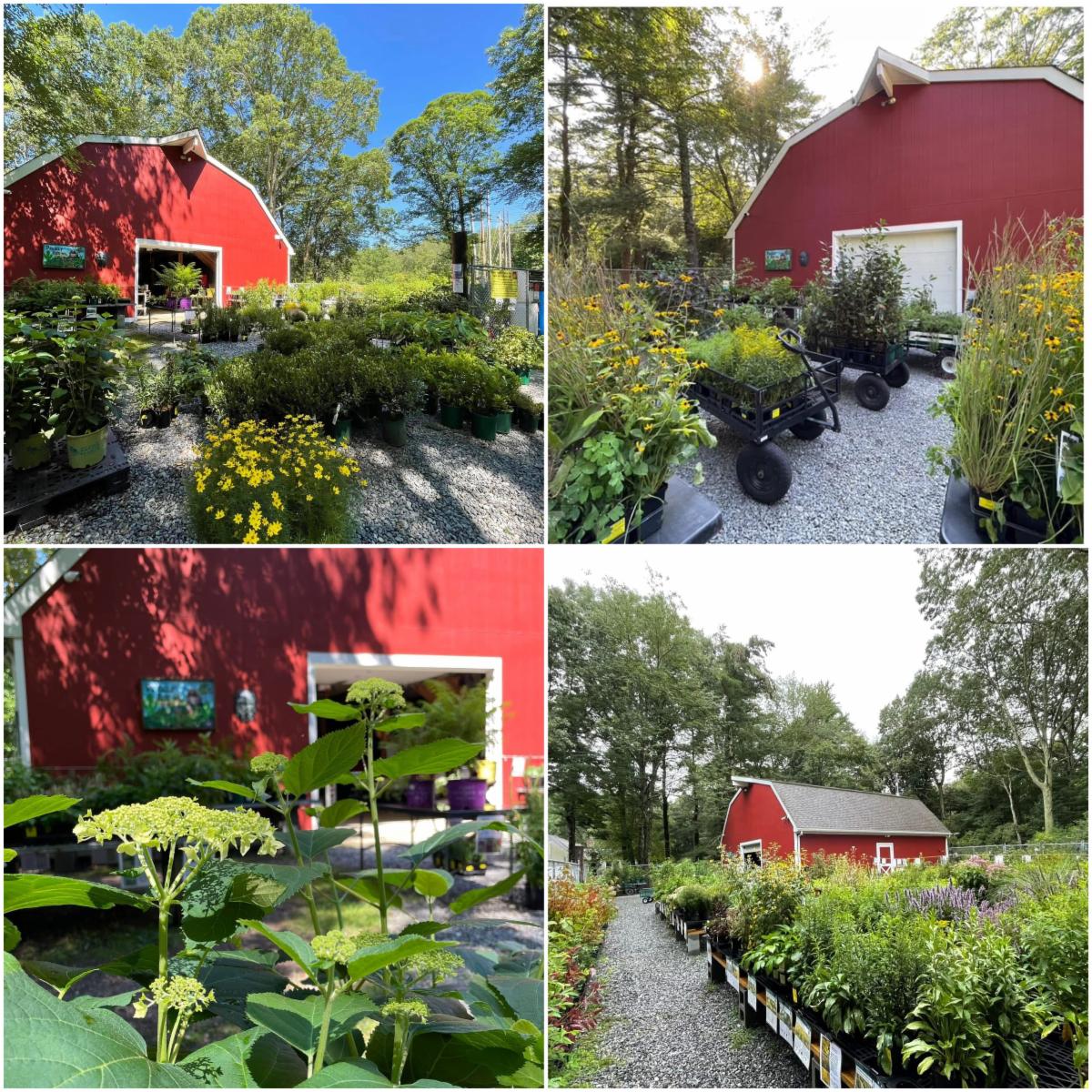
In four short weeks we will swing open the gate for another season of fun and great plants here at the Native Plant Emporium. We are grateful to all of the customers who have supported us so enthusiastically for many years now and look forward to meeting lots of new folks this year too!
An amazing lineup of plants will begin rolling in at the beginning of April as we get ready for opening day on April 24th! Getting those very first plants of the season is always an exciting thing, but, don't forget to pace yourself. We will have fabulous new inventory arriving each and every week from April all the way through early October! In fact some of the very best native plants don't even start waking up until later in the spring.
While you wait for another season of fun to begin, be sure to spend time exploring our website for resources - and inspiration.
| | | |
Our plant list is live on our website and includes hyperlinks to plant descriptions for all perennials, shrubs, and trees. A reminder that the plant list is not a live inventory. This list represents the amazing 450+ varieties of plants we will carry throughout the season - not all are available all of the time. And as always, some things not on the list will magically appear. The plant lineup is constantly changing and we are always on the lookout for the very best for our customers (and ourselves). The selection for 2026 is sure to amaze you! We focus on botanical quality plants with ecological pizazz and believe that when the most ecologically valuable plants are also some of the very best quality plants you'll find anywhere, everyone wins!
| |
A note about Special Orders: Work in the trade? Helping to coordinate a community or nonprofit planting project? Have big yard plans that will require lots of plants? Looking for varieties you don't see on our plant list linked above? Outreach to discuss your plant needs - we can help!
Contact Ed or Cindy at 401-264-8540 to chat. Or send us a message at PricklyEdsCactusPatch@gmail.com.
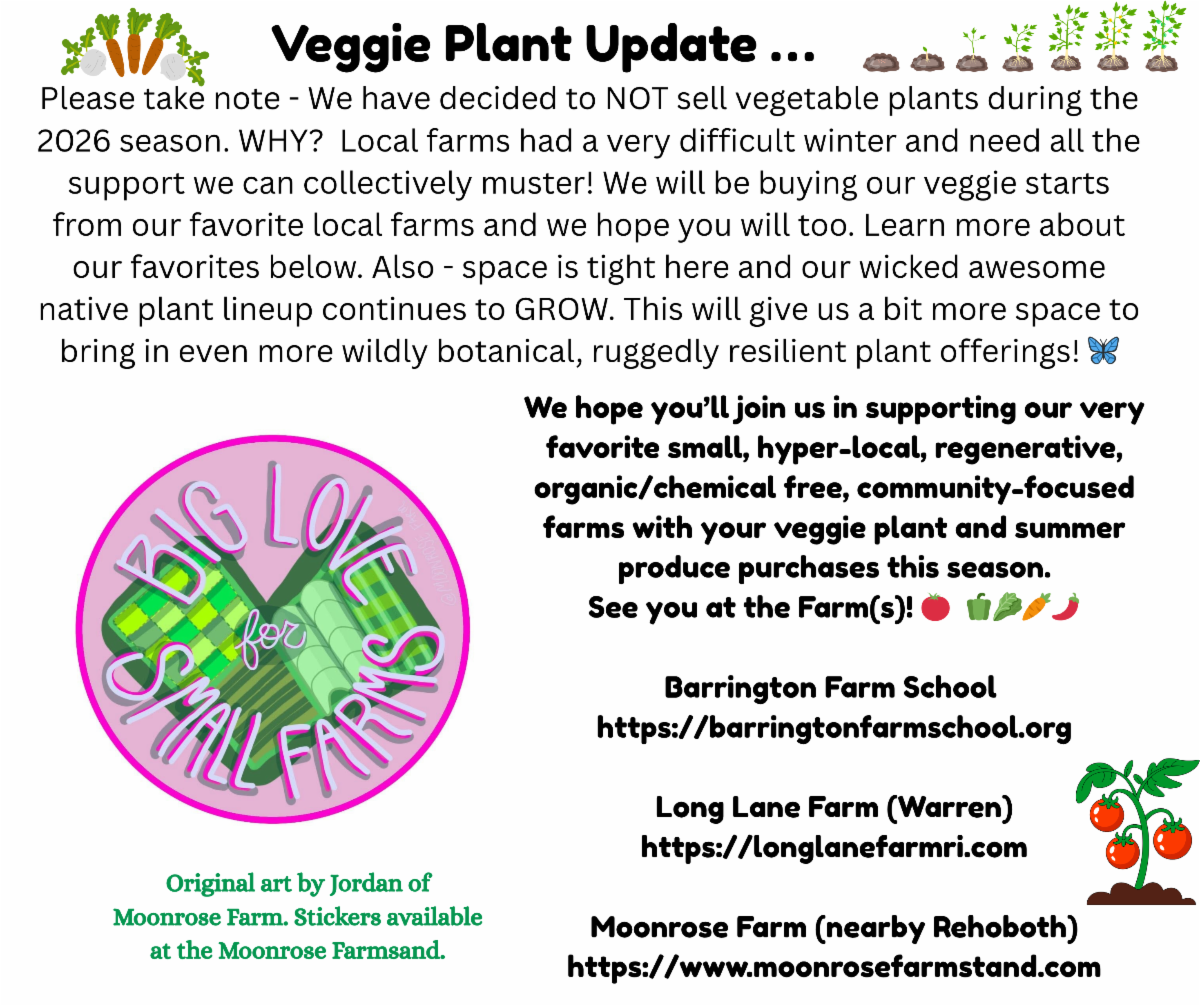
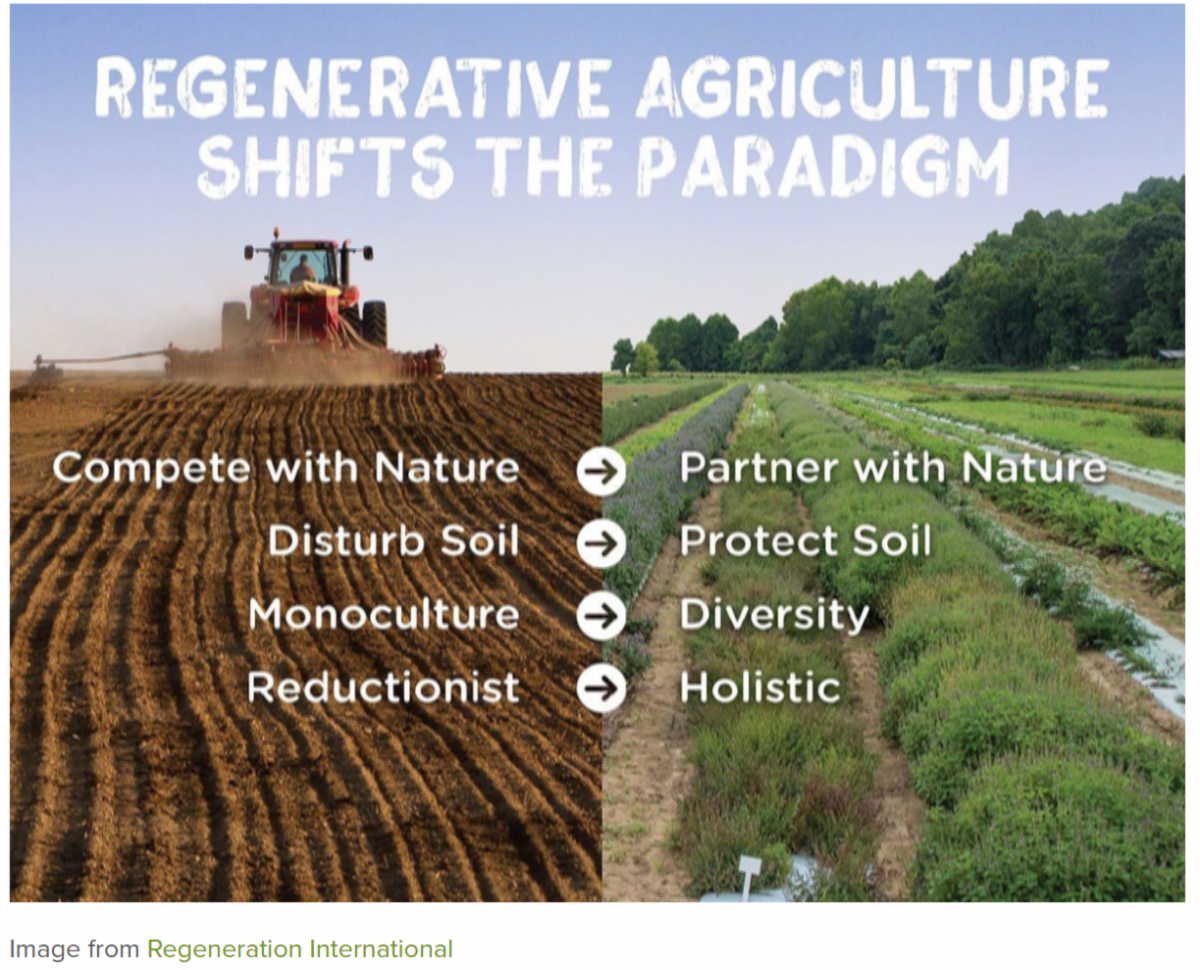
| Please note important updates to our 2026 offerings. First, for a couple of good - and important - reasons, we have decided to NOT sell vegetable plants (starts) this season. Please plan accordingly! And, secondly, this season we will have a new supplier of top-notch soil products - Black Earth Compost. Read more about both of these changes below. | Visit Our Local Regenerative Farms! | | Click on the image below to explore more about the power of Regenerative Agriculture. | | |
A Note About Soil Offerings This Season...
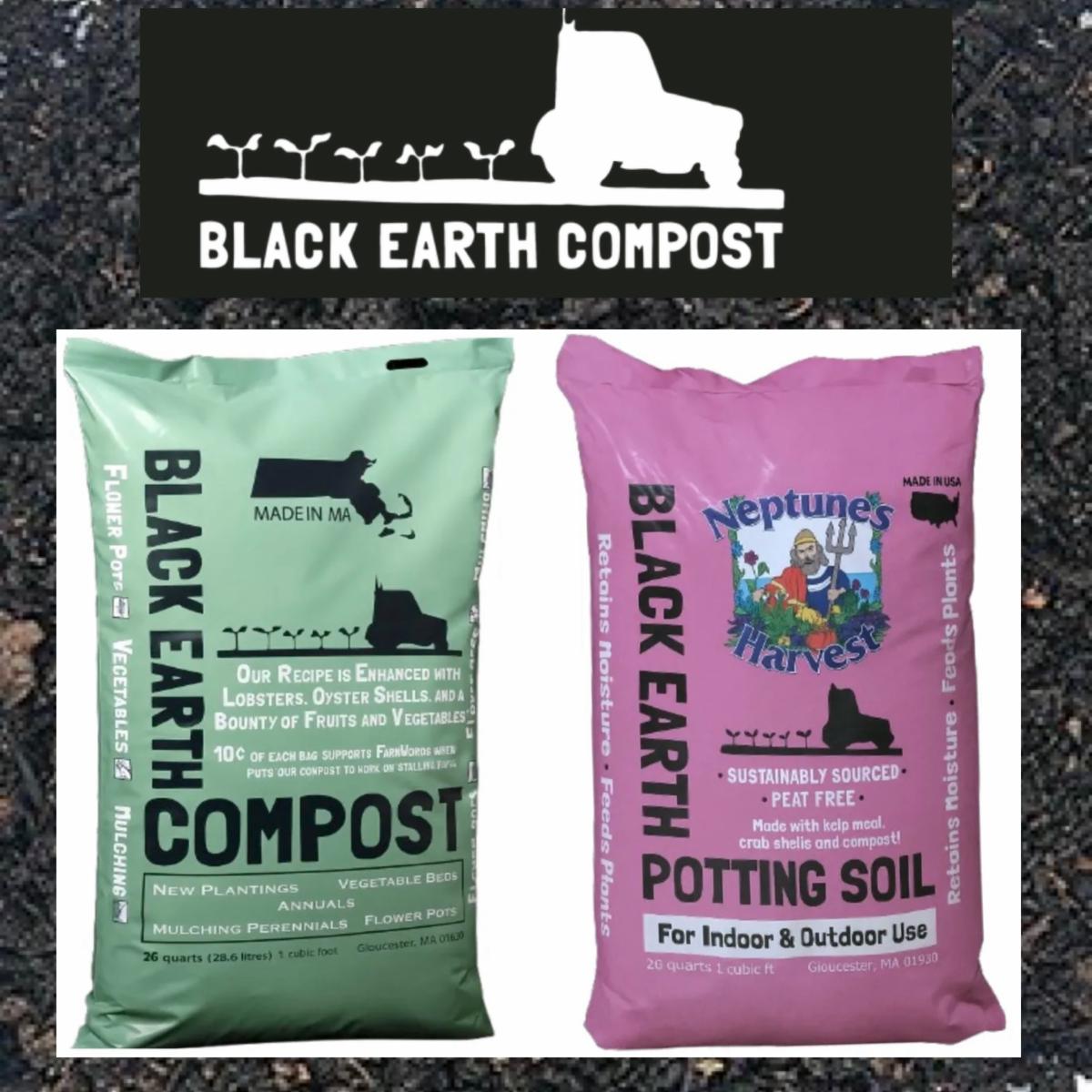
Community connections are at the root of all we do. That’s why this season we are excited to be offering Black Earth compost and (peat free) potting soil. Black Earth is the company partnering with East Bay communities to offer curbside compost pickup. Their products are very economical, high quality, hyper-local, and helping to foster positive change in local communities.
Click on the image below to learn more about Black Earth.
Please note that this season we will only be offering compost and peat free potting soil in bags - no bulk options.
Local Black Earth Curbside Customers - we accept Vouchers!
| |
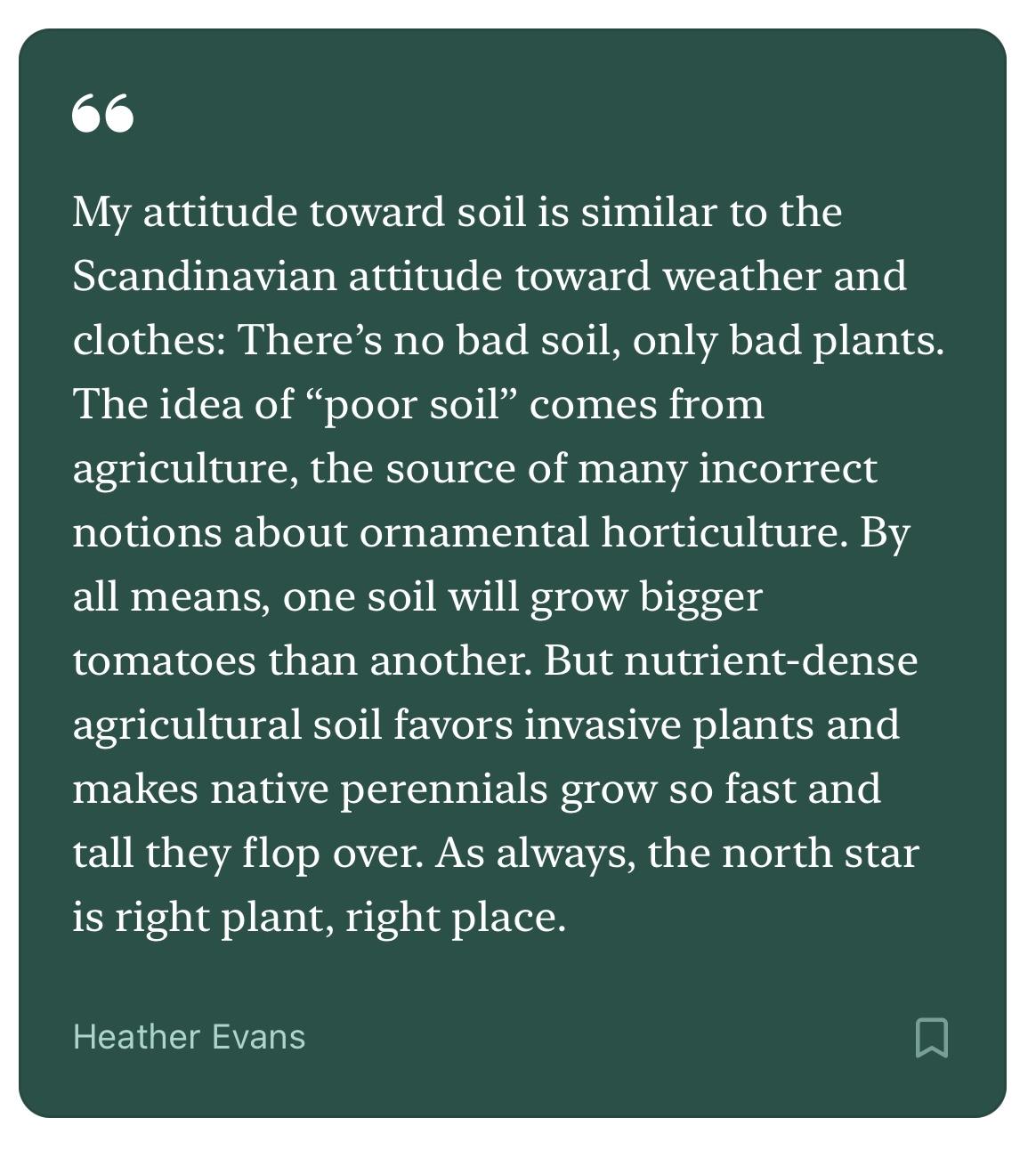
Speaking of Soil...are you sure you are using compost when and where you should be? Compost is an amazing tool in regenerative farming. But the rich soils built by adding compost are designed for food crops, not for the lean soils that favor most of the popular native plantings in our area! In a recent newsletter, Heather Evans of Design Your Wild wrote a great piece about soil and how to really go about improving it in your yard and native planting beds. Click on the image below to head over to her Blog and read "Why the World Needs Bad Soil"...
| | | |
OUT WITH THE OLD
In this oldie but goodie article from legendary garden designer Edwina von Gal, explore a few garden trends that it is long past time to leave behind!
From breaking up with gas powered leaf blowers, to toning down the outside lights, embracing nibbled leaves, banishing mulch volcanoes, and letting go of fetishizing plants from far, far away, Edwina takes on old practices that have not served us well, and inspires us towards a more beautiful and resilient future through her writings here and her work at Perfect Earth Project.
One of the garden habits she highlights needing to say goodbye to is using bagged potting soils that are made with peat moss. Sound like a small thing? Not really! Read more at the link below and you will begin to understand why the potting soil we sell here at Prickly Ed's is always peat free!
CLICK HERE TO READ "OUT WITH THE OLD"
| | | |
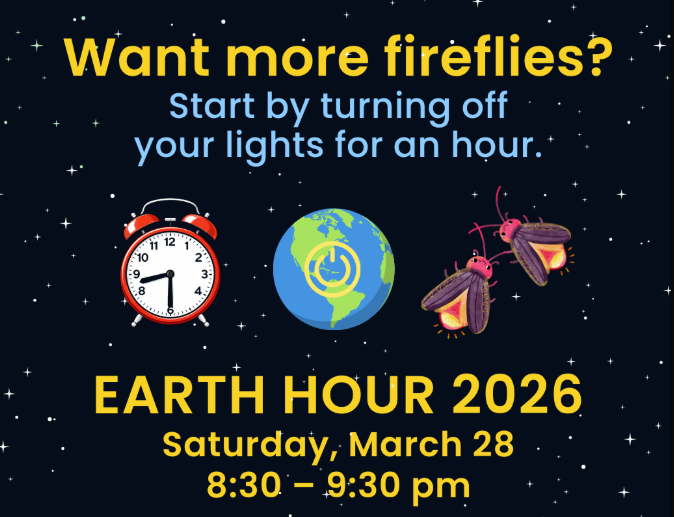
Are you joining together with others around the Globe tomorrow night to recognize "Earth Hour"? | | |
Turn off the lights — so the night sky can shine bright!
Saturday, March 28, at 8:30 PM marks the 20th anniversary of Earth Hour, the World Wildlife Federation movement that is best known for the collective nudge to "go dark" for just one hour.
This global movement is about more than just an hour of darkness; it’s a moment for everyone, everywhere, to unite for our shared home. By switching off all non-essential lights, we’re sending a message about our how both individual and collective actions - even small ones - are exactly what is needed to help nature thrive in our communities.
Excessive lighting disrupts natural ecosystems, confuses migratory birds, and interferes with nocturnal rhythms of both plants and animals - it is also bad for human health. By turning off non-essential lights on Saturday, March 28th from 8:30 to 9:30 PM, you are showing your commitment to take even small steps at home to protect and preserve our shared ecosystems.
Barrington residents, learn more about how Earth Hour is kicking off A month of activities leading up to Earth Day 2026 HERE.
| | Interested in learning more about the impacts of nighttime lighting on Fireflies and other nocturnal creatures? Dr. Avalon Owens gave the dynamic Keynote Address at a recent convening of the Rhode Island Plant and Insect Community Network. You can watch a video of her talk titled "Floodlights and Fireflies" by clicking on the image below. | And be sure to explore some of our past Blog Posts focused on the important topic of embracing the dark and building thriving nocturnal habitats right outside your door! |
Resource Highlight
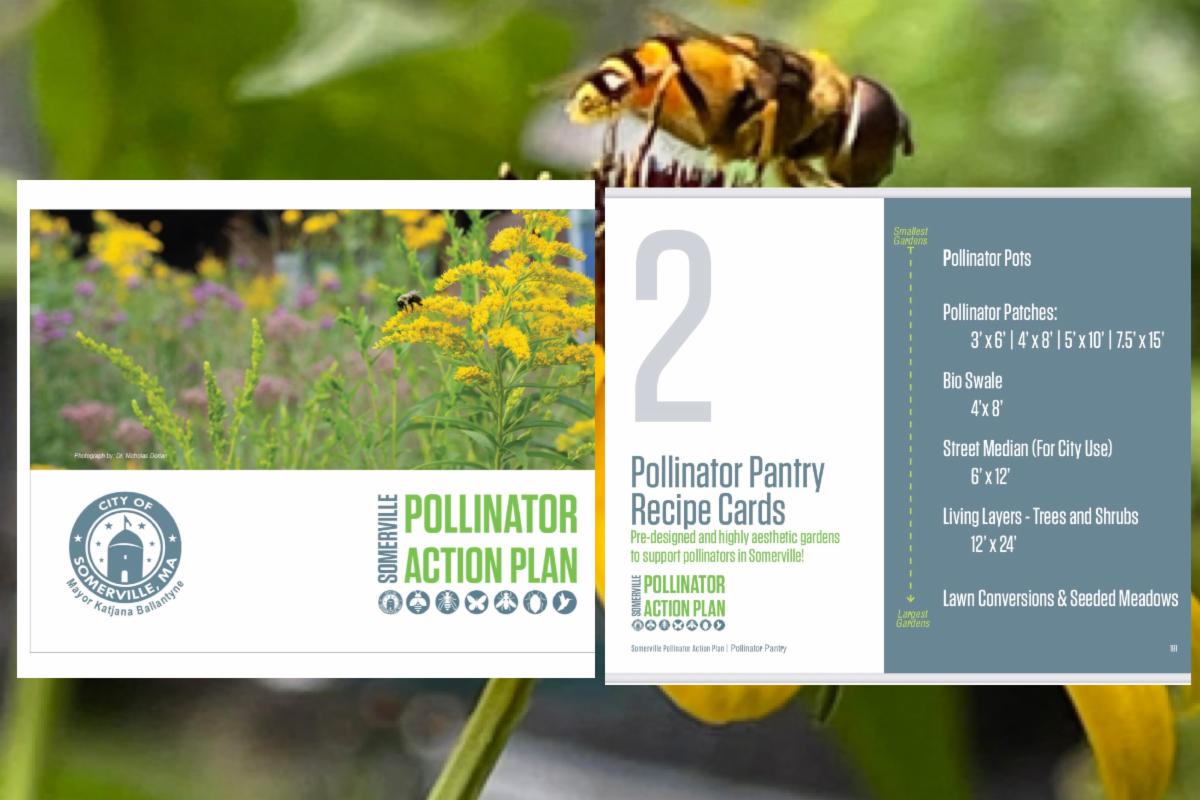
Pollinator Pantry Recipe Cards from the Somerville, MA Pollinator Action Plan
Thoughtful planning of ecologically rich gardens spaces should meld good science with good design. Somerville, MA created a groundbreaking Pollinator Action Plan to help nurture the creation of valuable pollinator habitat throughout the city. One of our favorite parts of the plan is the "Pollinator Pantry Recipe Cards" resource. This dynamic toolkit allows you to mix and match plant lists with site criteria and garden layouts to create a pollinator garden that will work for your yard's conditions all while blending together plants with known pollinator pizazz.
Click on the image below to explore the resource and start planning your new buzzing space today!
| | In the spirit of celebrating pollinator gardening - be sure to read our latest Blog Post -
"The Power of Pollinator Friendly Communities" | | |
|
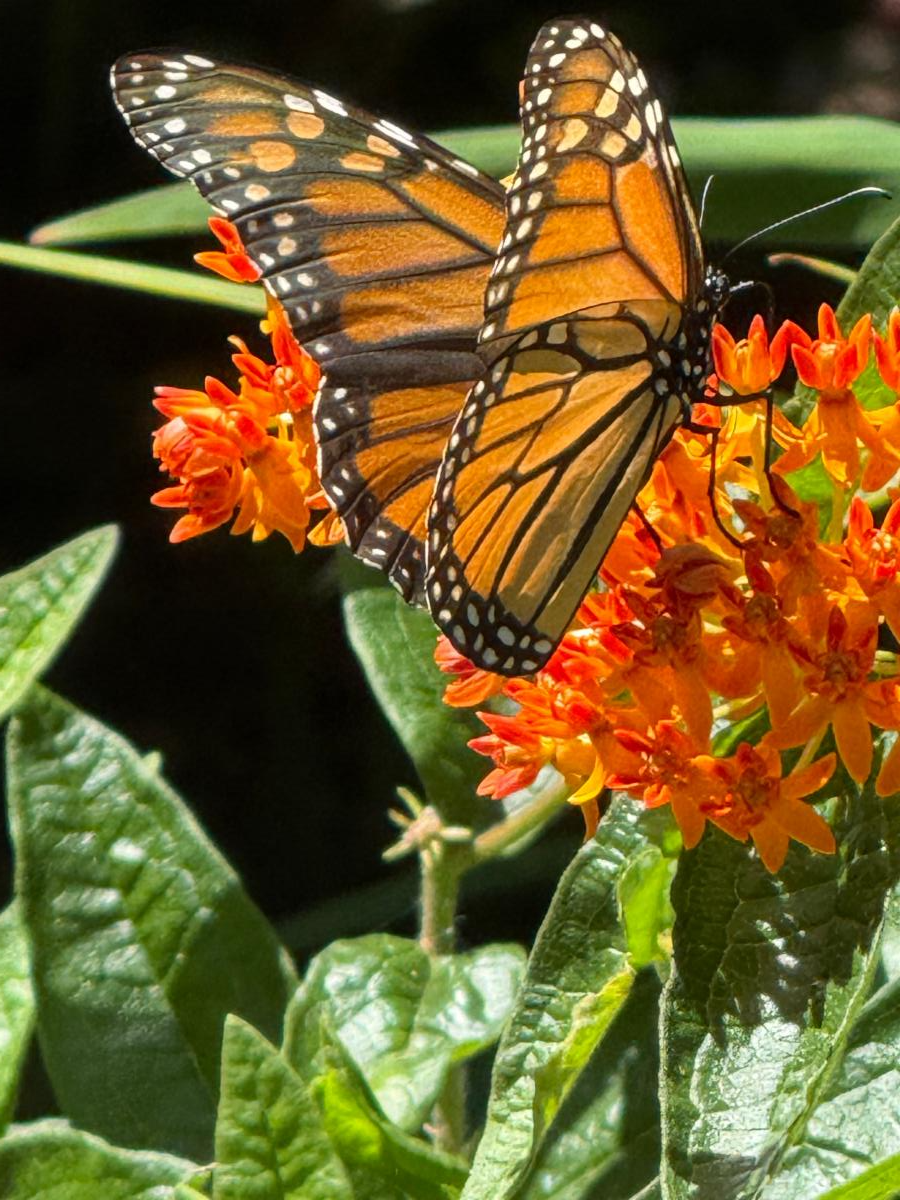
Spring arrived last week with a glimmer of hope for one of our most iconic summer guests. On March 17th, data was released revealing a 65% increase in Eastern Monarch populations at their overwintering sites in Mexico.
While this positive bump is good reason to celebrate, it is important consider the numbers in the context of the overall sobering story. The Eastern Monarch population has declined more than 80% overall since 1990 and is still less than half of what scientists say is needed to keep the migrating population—the very one that summers in our own backyards—sustainable.
Federal endangered species protections for the Monarch have been stalled by red tape since 2020. But ultimately the real "cavalry" isn't coming from Washington—it’s coming from grassroots efforts in local communities – just like ours.
Why the Buzz Matters
While the iconic orange-and-black Monarch butterfly has charmed us for generations, they are just one member of a massive, essential "unseen workforce." Pollinators are the animals that transfer pollen between flowers, allowing plants to produce the fruits, seeds, and nuts that feed both humans and wildlife.
In Rhode Island, this diverse cast includes over 250 species of native bees—like the fuzzy Bumblebee and the solitary Mason bee—along with wasps, flower flies, butterflies, moths, beetles, and even the beloved Ruby-throated Hummingbird. Despite the common misconception that "bugs" are pests, over 95% of our local insects are helpful allies that maintain natural food webs and provide chemical-free pest control.
However, the "buzz" is fading. Biologists are sounding the alarm as pollinator populations dwindle right in our own neighborhoods. In the Northeast, over 25% of our bumblebees are now at risk of extinction. In just twenty years, we have lost more than 20% of our butterflies, and our fireflies are slowly vanishing from our summer night skies. These alarming trends are a direct threat to the healthy ecosystems we depend on, but because over 90% of Rhode Island land is privately owned, the power to reverse this decline sits squarely with all of us.
| | | |
What's on our own planting list this season? Thanks for asking :-)!
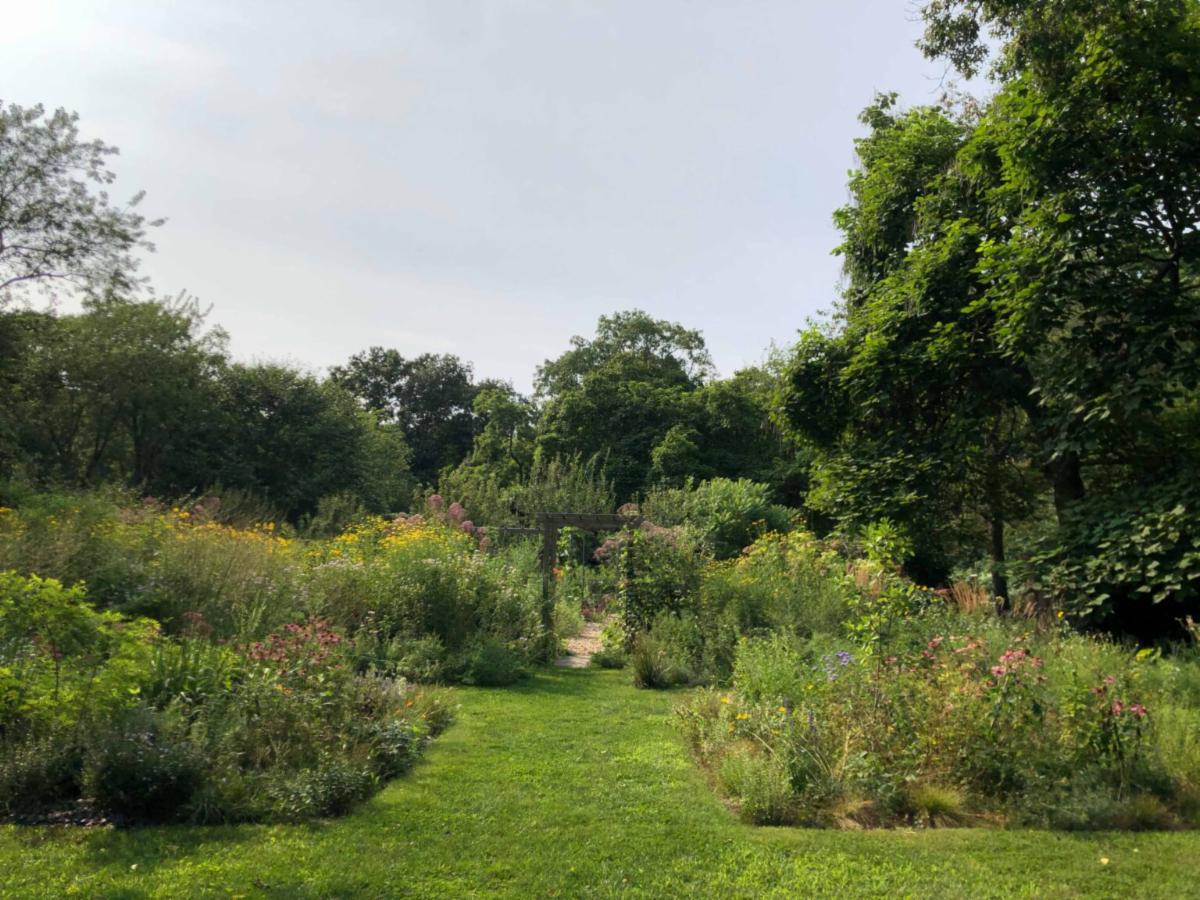
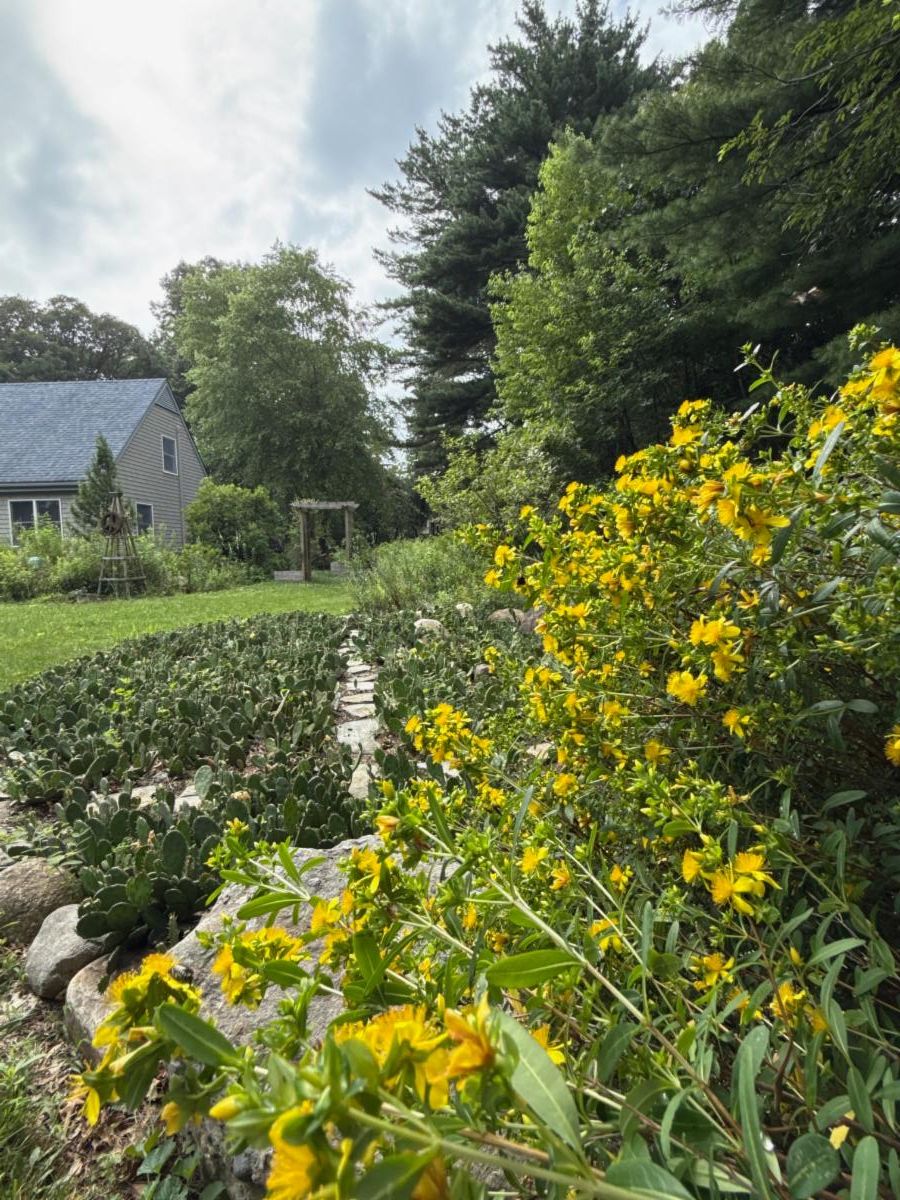
Some may not know that our shopping "Emporium" is surrounded by a growing "Wildscape" that your favorite plant purveyors have been chipping away at for nearly three decades now (though admittedly only with knowledge and focus for the past ten years!). Our more than five acres straddles Barrington and Swansea and includes an unconventional residential landscape, woodlands and woodland edges, wetlands, and a "prairie" in the making. At its starting point it was nearly all lawn, pasture grass, tangles of invasive plants, and lots of ornamental plantings. We tell you this in the spirit of also telling you that we very much know firsthand that this work of caring for outdoor spaces in meaningful ways is a lot of work! And we are grateful to and here in solidarity with all who are making the effort.
We have been focusing more on the vital importance of layering, repetition, structure, and abundance - for good ecology and for good design. So while our planting list is always evolving we have a few things planned for sure...
TREES - Yes, we already have lots of trees. In fact 40 varieties of native tree have been catalogued here already. We still need more trees. Old trees are coming down all around us. Some because they are at the end of their life, and others because of a growing suburban "tree phobia". All of us who understand the importance of trees should get planting so that the next generation of trees can begin growing now. We are focusing on two things with our own tree planting this season; legacy trees that live for hundreds of years, like the mid-sized Nyssa Sylvatica (Black Tupelo) and the Carpinus caroliniana (American Hornbeam) we have planned for edges under the taller Oak canopy and shorter trees like the Cornus Florida (Flowering Dogwood), Cercis Canadensis (Eastern Redbus), and Hamamelis (Witch Hazels) that will join existing ones on the property to form more impactful groupings.
STRUCTURE - with lots more shrubs and native grasses! Top of our list for spring planting are shrubs with high ecological value that grow with minimal care, and are highly resistant to browsing from the local deer who already have plenty of favorites to eat here! With those criteria in mind, we know we will be putting large patches of Baccharis halimifolia (Groundseltree), Spirea tomentosa (Steeplebush), Hypericum prolificum (Shrubby St. John's), Myrica pennyslvanica (Northern Bayberry), Rhus aromatica (Fragrant Sumac), and Comptonia peregrina (Sweetfern) in the ground! Top of mind for native grasses are some of the very cool Panicum - Switchgrass cultivars we've been exploring!
ABUNDANCE - We will be amping up abundance by adding more of the perennials that are already thriving here. Rather than adding in new varieties we plan to double down on plants that have demonstrated their ecological worth - and - shown themselves to be survivors here in our yard. Pollinators do best when large patches of forage are available to them and design comes together when swaths of plants and repetition hold the landscape together! Real rockstar plants in our current landscape include Mountain Mint, Monarda, Skullcap, Goldenrod, Baptisia, Milkweed, Hibiscus, False Sunflower, Thalictrum, Zizia, Hyssop-leaved Boneset, and Agastache.
GROUND LAYER - We are focused on covering bare patches of ground - not with mulch - please no more mulch - but with lots more lower-growing plants like sedges, foam flowers, violets, pussytoes, packera, and lots of cool ferns!
What's tops on your planting list this season?
| |
Feeling a bit overwhelmed with how to make the best native plant choices for your yard and garden this season? The Barrington Garden Club recently hosted a workshop on this topic featuring yours truly. Thanks to the magic of technology and the talent of Siobhan, Barrington's Community Librarian, the gathering was captured for YouTube and you can watch it on demand at the link below! |
Hope to see you at some of our upcoming events! You'll find all the details below.
We are grateful to the community partners who are helping us bring another series of events and activities to life. The growing buzz of life in our communities and landscapes is inspiring. And the connections being made between people, organizations, and nature-centered landscapes is breathing life, health, and vitality back into neighborhoods and communities. Keep it up!
Events are free and open to all, but registration is required. Slots are filling up fast so don't wait to register!
| |
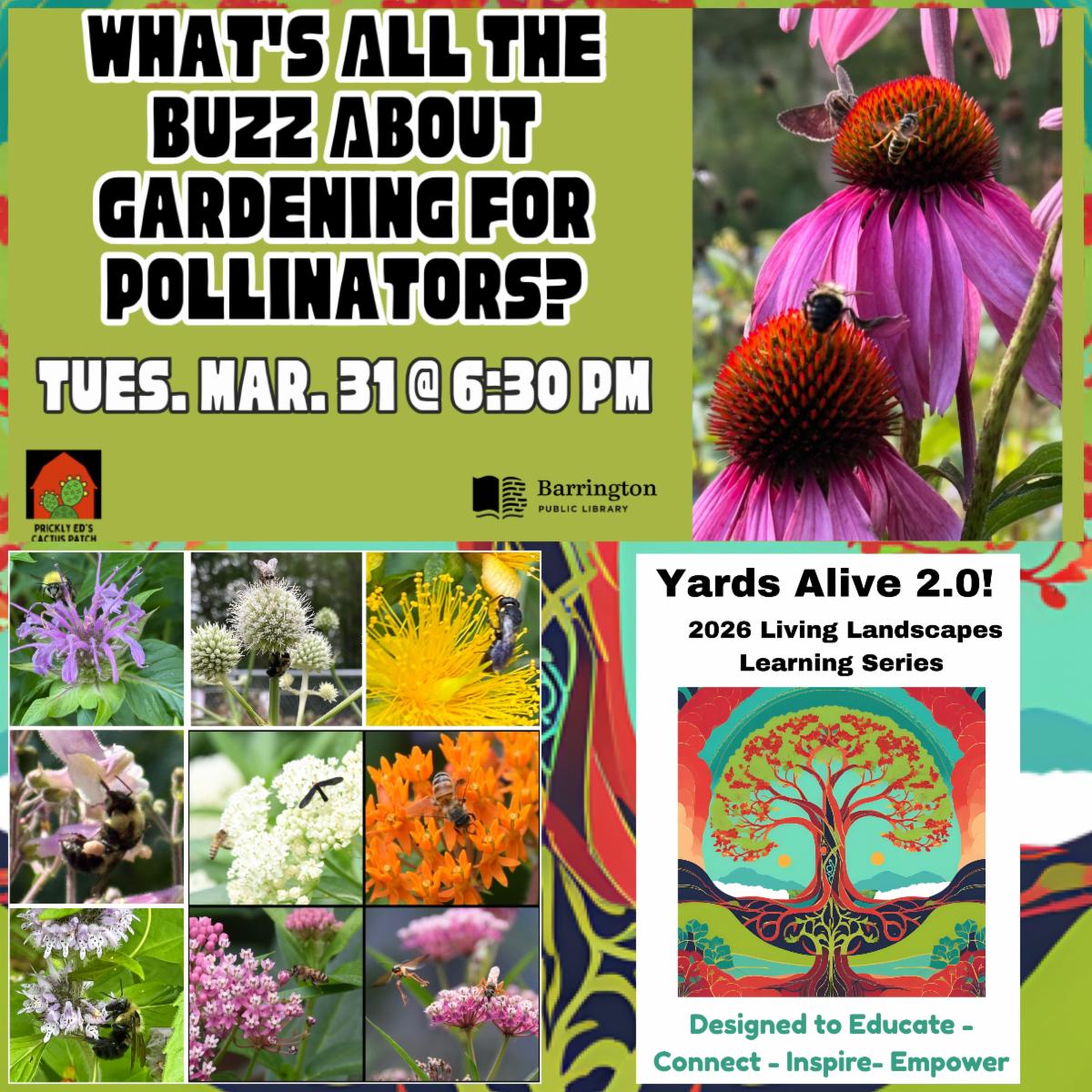
WHAT'S ALL THE BUZZ ABOUT GARDENING FOR POLLINATORS? March 31st at 6:3opm at the Barrington Public Library
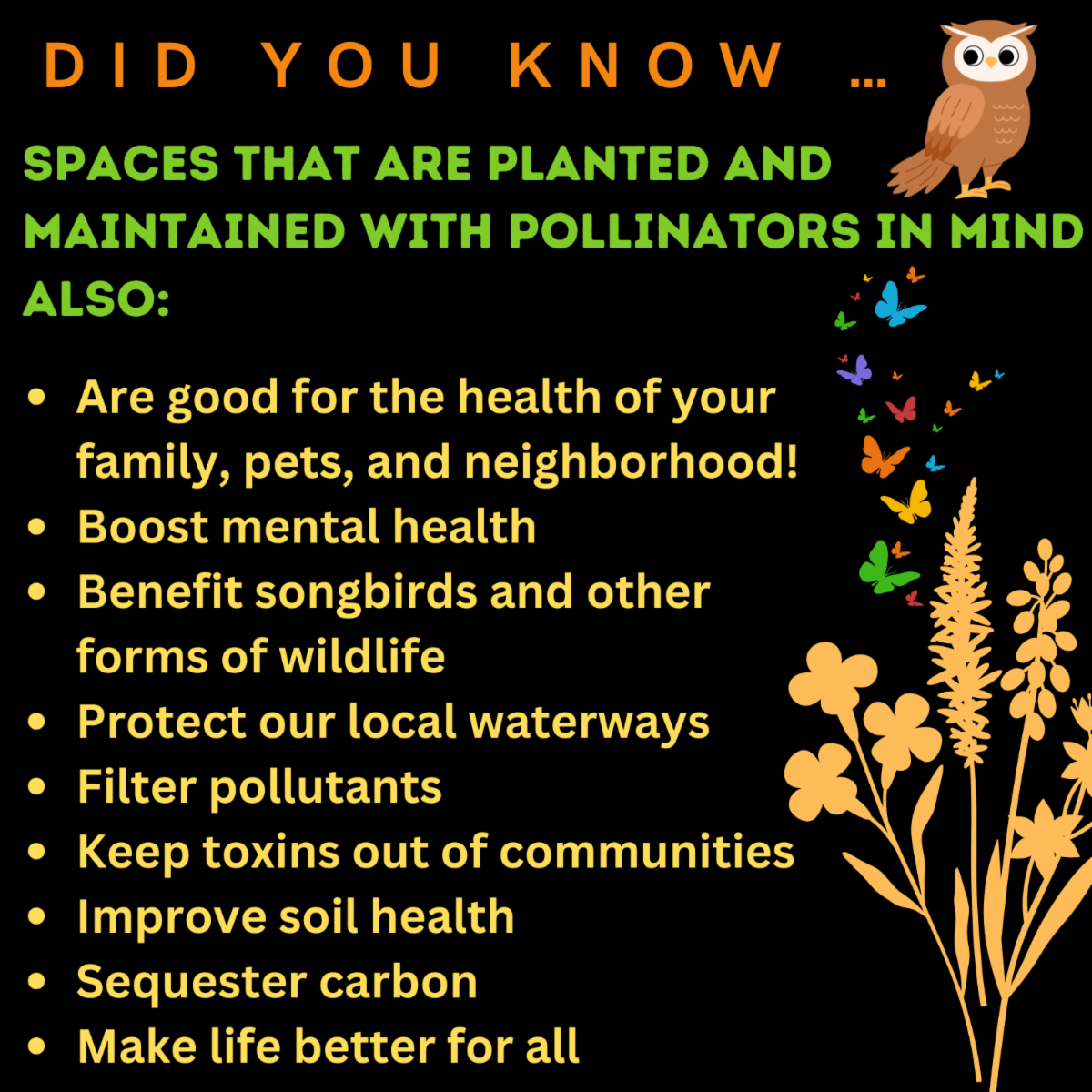
When landscapes are designed and tended with pollinators in mind, the advantages extend well beyond helping these vital creatures, who are crucial to our existence. This thoughtful approach also enhances our natural environment, protects our waterways, and promotes community health and resilience. That’s a significant impact packed into a pollinator patch! But how we plant - and how we nurture - matters. Plant choices, garden layouts, landscaping practices, connectivity, wintertime habitat, and more all factor in to how well a yard, neighborhood, and community support the biodiversity of the region.
In this interactive session, Cindy and Ed Moura co-owners of Prickly Ed’s Cactus Patch will be joined by Dr. Rachael Bonoan from the Bonoan/ Providence Pollinator Lab, Casey Johnson, Coordinator of the Rhode Island Plant and Insect Community Network, and Kevin Ormerod of Bluestem Meadows to peel back the layers on what local experts wish more people understood about the things residents and community leaders could - and should - be doing to better help the “little things that run the world” and in turn, help all of us. Free and open to all but registration is required. Click on the image below to learn more and register to attend.
| |
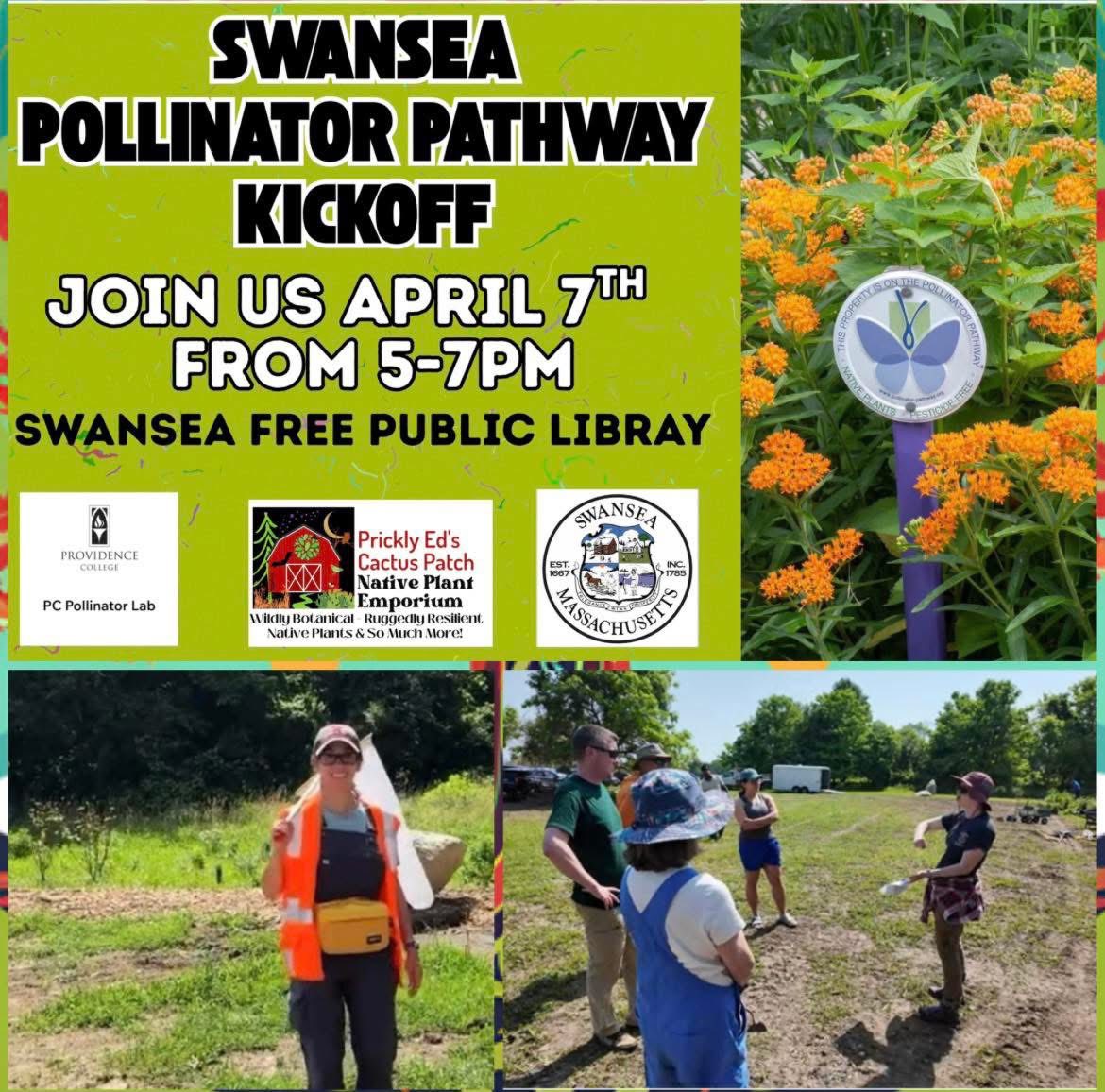
SWANSEA POLLINATOR PATHWAY KICKOFF
“Corridor Gardening” - the act of connecting habitat by planting for pollinators and songbirds in community spaces and residential yards - is on the rise. There are now “Pollinator Pathways” in 321 communities in 26 states, including many communities in our immediate region. Spaces maintained for pollinators are rooted in native plants, forgo pesticides, and maintain habitat features for pollinators year-round. Pollinator Pathways connect spaces and people with a focus on sustainable gardening that results in healthier communities for all.
Swansea's first town public pollinator garden was installed by volunteers at Medeiros Farm in June 2025. Come learn more about that project, hear about plans for more town gardens, and learn all about the things you can do this gardening season to help pollinators right at home! The session will be led by Adeline Bellesheim from the Swansea Conservation Department, Rachael "Dr. B" Bonoan from the Providence Pollinator Lab and Cindy Larson Moura from Prickly Ed's Cactus Patch.
This program is free and open to all, but registration is required.
Click on the image below to learn more and register to attend.
|
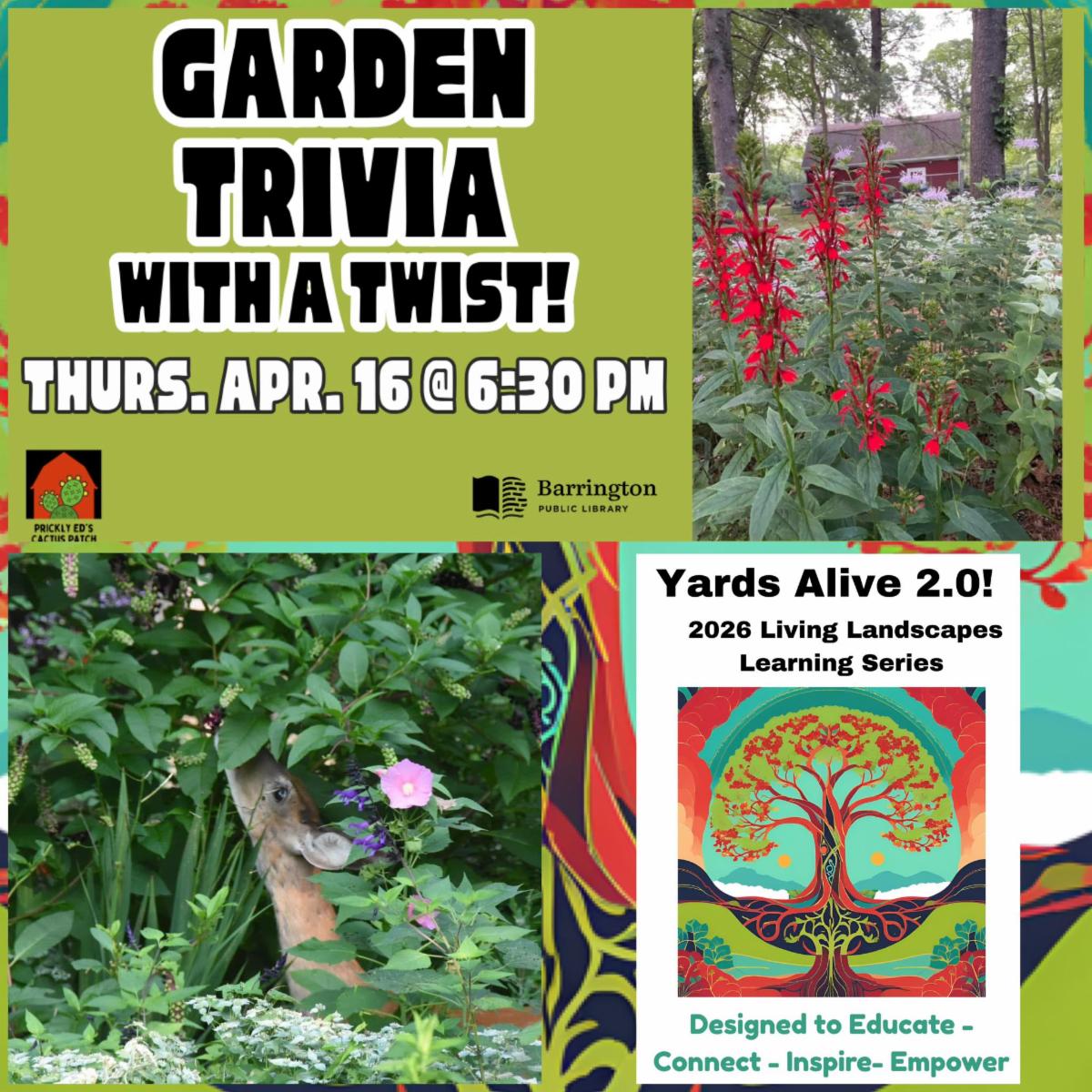
GARDEN TRIVIA WITH A TWIST!
April 16th at 6:3opm at the
Barrington Public Library
Play and Learn - Ecological Gardening Trivia Night
It’s nearly time to get those shovels into the ground! But, before you do, join us for a lively send off into garden season with an ecological gardening trivia night designed to be equal parts education and fun! Learn lots of new facts, tips, and tricks all centered on the theme of gardening in partnership with nature in ways that enhance community health and resilience.
Test your knowledge on fun facts about everything from healthy landscaping practices to native plants, pollinator, wildlife and bird friendly gardening, coastal planting, wetlands protections, stormwater management, and much more. Grab a few friends to play as a team or just come on your own and make some new friends in the process - all are welcome!
Our trivia host will be Adeline Bellesheim, Swansea Conservation Agent and Environmental Guru by day and All Star Trivia Host after dark! She will be joined by the team from Prickly Ed's Cactus Patch Native Plant Emporium. Snacks and prizes will be part of the lively send off to the most vibrant garden season yet!
Free to attend but registration is required - click on the image below to learn more and register.
| |
Opportunities abound to gain the knowledge and confidence you need to create a dynamic space right outside your door. We have added many partner learning opportunities to the events page of our website to help you easily find programs that interest you and fit with your schedule. Find them at the link below.
| |
| | Be sure to look for our "Life in the Garden" articles each month in East Bay Life and if you enjoy them, share them with family, neighbors, and friends. You can access an archive of all of the writings on the East Bay Media Group website at the link below. | | | |
| |
Don't forget - our website is there to serve as a resource for you!
Our website is regularly updated and is filled with resources to educate, support, motivate, and connect. Visit often, and share the link with friends!
Visit the website www.PricklyEds.com
| | | | Serving all of Rhode Island and Southern New England, we are proud to be the area's top source for native and ecologically beneficial plants that are vital tools in building habitat for songbirds, pollinators and wildlife while creating healthier, more resilient and vibrant spaces for people and communities. Read more ABOUT US. | | Be sure to follow us on Facebook and Instragram | | Use the buttons below to share this newsletter with others who might enjoy it! | | |
Prickly Ed's Cactus Patch Native Plant Emporium
6 Barneyville Road - Barrington, RI 02806
pricklyedscactuspatch@gmail.com
401-264-8540
|
| | | |