March 25, 2022
Top stories


Press Freedom


Article and photos by Nathaniel Liu, NPCJI intern
Whether covering the celebrated cherry blossoms in Washington, D.C., or a major political event, a picture is worth a thousand words. Just as reporters choose their words carefully to accurately tell a story, photojournalists must intentionally choose the story they are telling in their photos. 

As I walked around the Tidal Basin this week surrounded by the flowering blossoms at their peak, I talked to photographers capturing their stories about how they are finding their stories.

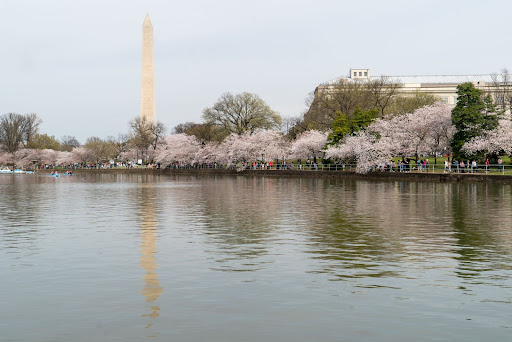
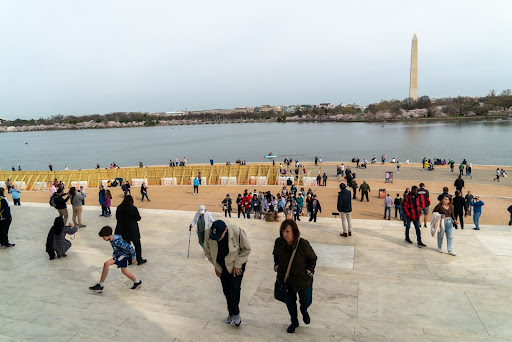
“You don’t want just any picture of cherry blossoms that you can Google,” says Tom Kochel, a local retired photojournalist. “It’s much better to take a step back and show the environment it’s in.”

Getting started

“Experiment and be patient,” says Ollie Williams, a freelance photographer taking panoramic pictures of the Tidal Basin through the complex process of stitching together photos.

Anyone with a modern phone can take pictures.

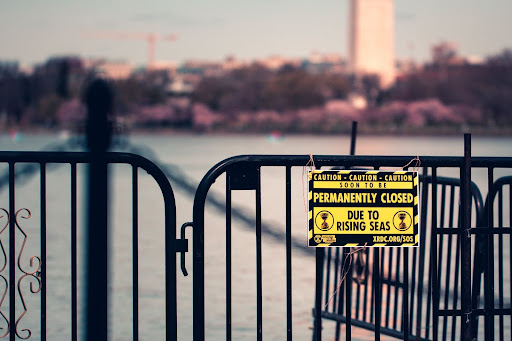
To distinguish your pictures, you must “find the unexpected and the interesting,” Kochel said. “Don’t go out and look for the expected — a dewdrop on a flower petal, a sunset over the tidal basin — and just stop there.”
If you’re using a more advanced camera, read the manual.

“Nobody reads the manual,” Williams said. He added that online tutorials, particularly on YouTube, can bring your skills to the next level.

Being intentional

Composition is key.

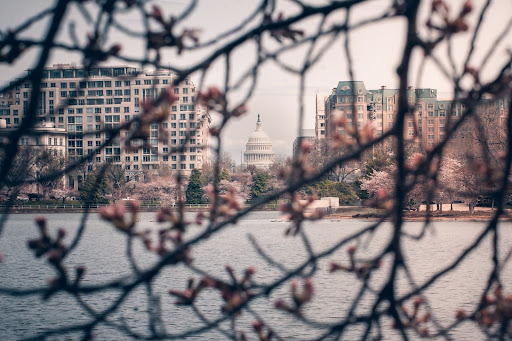
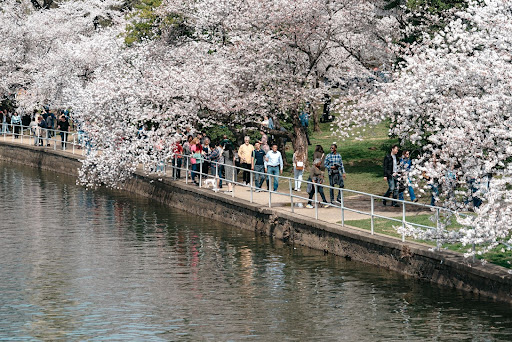
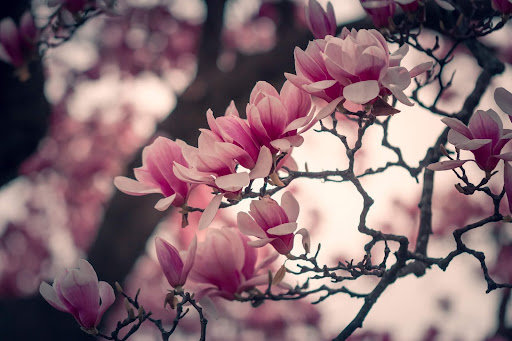
Tom Hipschen, who works in the Treasury Building near the Tidal Basin and has been visiting the blossoms for more than 40 years, shoots using automatic settings but builds stories in his photos through framing devices, like tree branches, and composition rules.

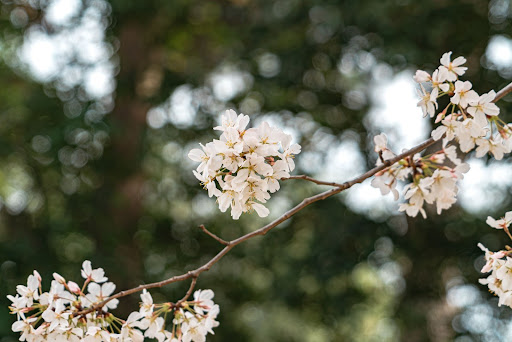
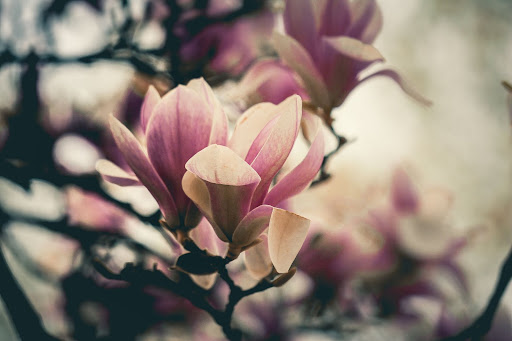
Framing your photo involves using visuals within the image to create a frame for the subject you are focusing on:
Don’t be afraid to play with focus in your picture.

Kochel imagines an article about many tourists’ disregard for the environment: “Get that shot of the people so wrapped up in the beauty around them that they’re distracted and dropping their candy wrappers and cups. You can allow trash to be in your photo, if that’s the story you’re telling.”

Cherry blossoms come back every year, but the visitors are different.
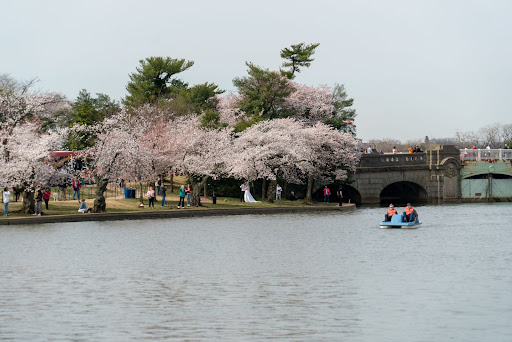
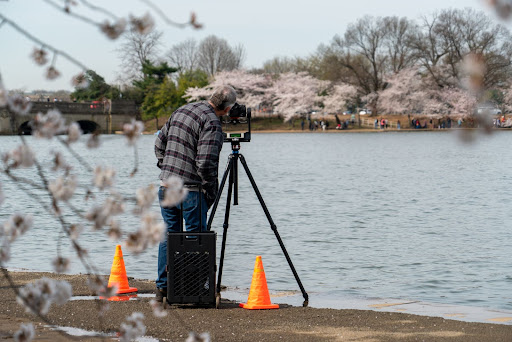
“You’ve got people doing their wedding photography and you’ve got families. You’ve got … joggers, you’ve got kids that are bored out of their mind, you’ve got lovers in the shadows,” says Steve Howard, a freelance journalist based out of the Eastern Shore. “You know, it’s a very immersive kind of photograph.”

Howard with his panoramic set up:
When you’re not shooting

Choose your equipment carefully.

Williams stresses the importance of choosing the right lens for the occasion. Don’t bring a wide-angle lens to take in a lot of detail if you just want close up pictures of the cherry blossoms.

Your work isn’t done after the photo is taken.

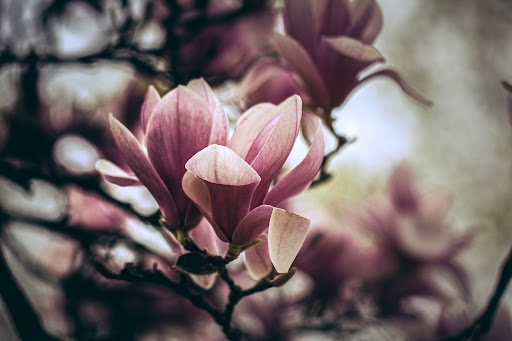
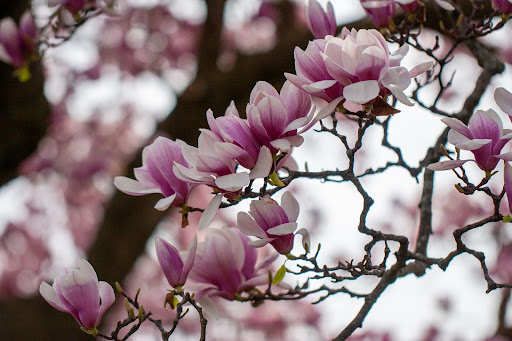
Lightroom, a paid Adobe application, allows you to edit your photos and bring in details from below the surface. Some free applications allow for similar editing.

Examples of how you can edit your photos differently:
After you take some photos, figure out what worked and what didn’t work.

“If you just go out and take a few pictures and you forget how you set it up, you can lose a learning opportunity,” Howard said.
Jill Geisler, Bill Plante Chair in Leadership & Media Integrity at Loyola University Chicago and Freedom Forum Fellow in Women’s Leadership, on why managers should take their vacation time.
Aspiring journalists can still apply for any of four National Press Club scholarships for students committed to a career in journalism. The deadline to apply for the awards, which total $50,000 in financial support, is Sunday, March 27. Opportunities are open to high school, college, and graduate students. 
Resources
This newsletter is written & edited by the National Press Club Journalism Institute staff: Beth Francesco, Holly Butcher Grant, and Julie Moos. Send us your questions and suggestions for topics to cover.

Get this from a friend? Subscribe, and view the archives.

If you value this newsletter, consider supporting The Latest with a tax-deductible, recurring gift to the Institute: Even $5 a month will help fund the technology and time it takes to provide this important service.  

The National Press Club Journalism Institute promotes an engaged global citizenry through an independent and free press, and equips journalists with skills and standards to inform the public in ways that inspire a more representative democracy. As the non-profit affiliate of the National Press Club, the Institute powers journalism in the public interest.