|
|
Because Digestive Health Matters | International Foundation for Gastrointestinal Disorders February 2025 eNewsletter | | |
|
Living with chronic conditions, particularly rare digestive disorders, presents daily challenges that profoundly impact individuals' lives. Despite these obstacles, many continue to navigate their conditions with courage and determination.
Rare diseases, affecting approximately 300 million people worldwide (about 5% of the global population), often remain misunderstood and overlooked. By raising awareness, we not only highlight the struggles faced by those living with these conditions but also spark the necessary conversations for change.
On Rare Disease Day, observed annually on the last day of February, we come together—patients, caregivers, advocates, and allies—to shine a light on these unique and often invisible conditions. This day is a powerful opportunity to amplify voices, raise awareness, and inspire action in support of those impacted by rare diseases.
We invite you to join us and use the hashtag #RareDiseaseDay on social media to help spread the message, foster understanding, and show solidarity with those living with rare digestive disorders.
| | |
|
|
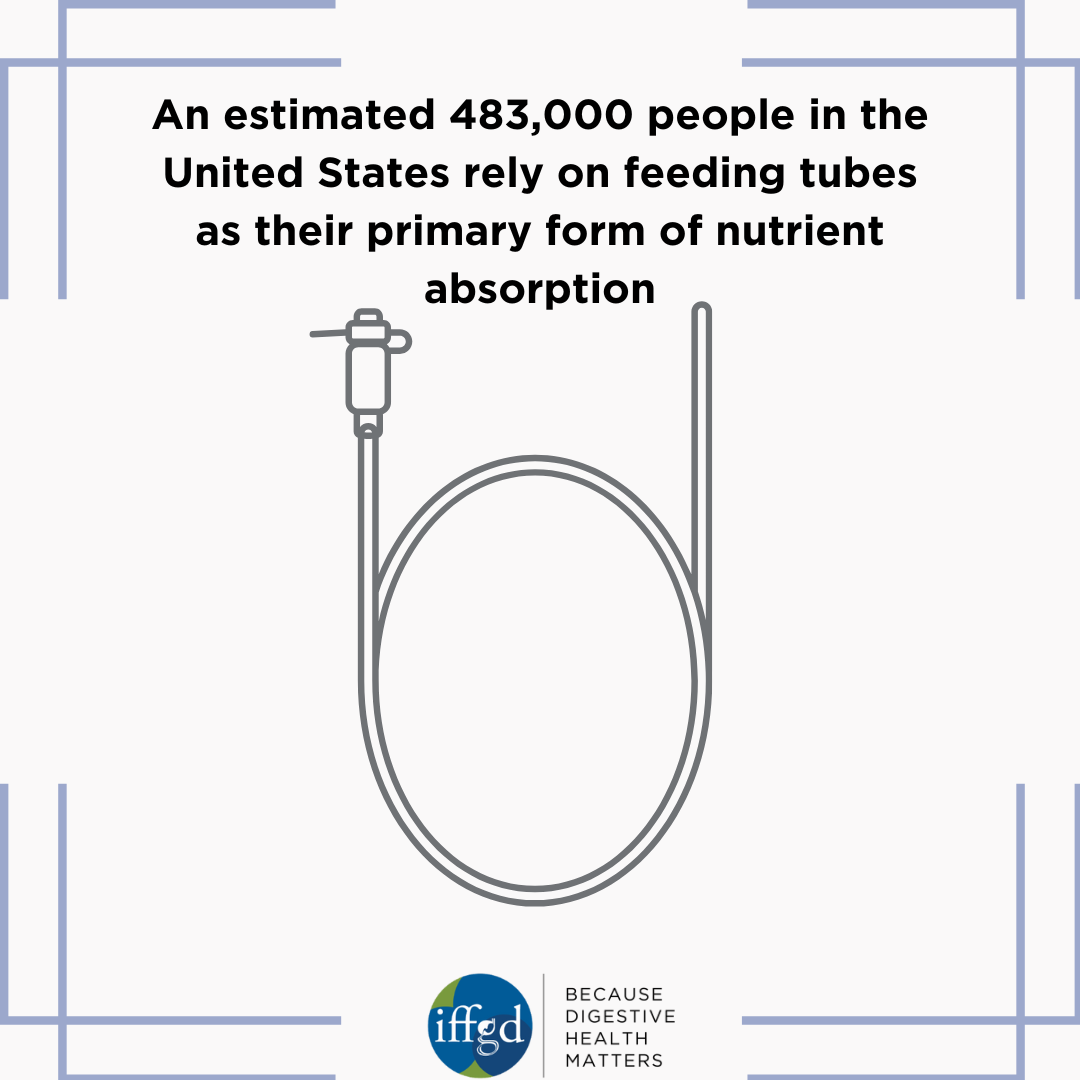
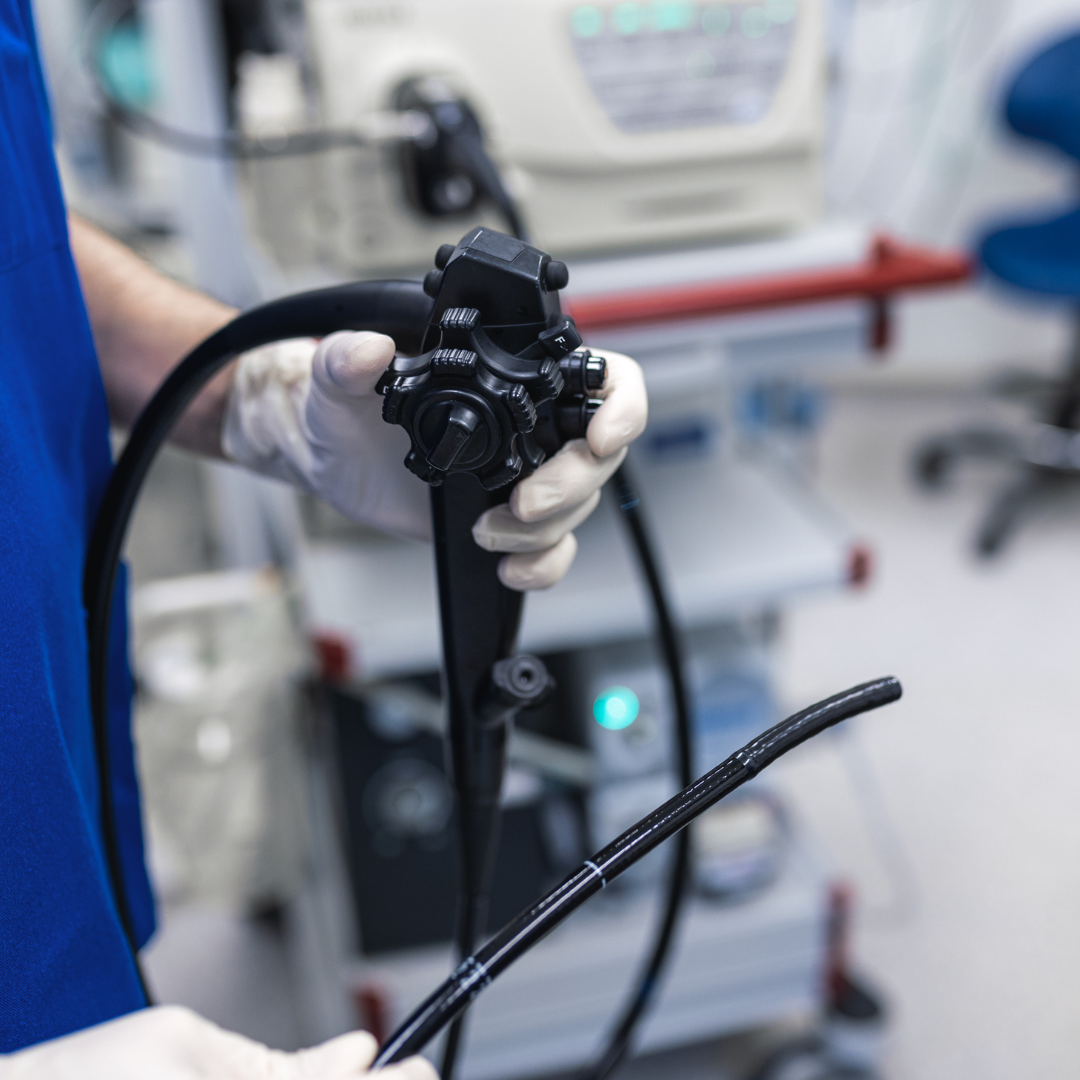
Around 483,000 people in the United States live with a feeding tube. From inflammatory bowel disease (IBD) and Crohn’s disease to severe malabsorption and other GI conditions, feeding tubes are a crucial lifeline for many individuals facing challenges with digestion, absorption, and nourishment.
During Feeding Tube Awareness Week (February 2nd-8th), we’re highlighting the vital role feeding tubes play in the lives of those living with GI conditions.
| |
|
For many in the GI community, feeding tubes are essential tools that help provide life-sustaining nutrition when oral intake is insufficient or impossible. Whether it’s through a nasogastric (NG) tube, gastrostomy (G-tube), or jejunostomy (J-tube), these devices allow people to manage their conditions and maintain quality of life, even when their GI systems are compromised.
To learn more about Feeding Tube Awareness Week, visit the Oley Foundations website linked here.
| |
|
This year, Rare Disease Day will be observed on Friday, February 28th.
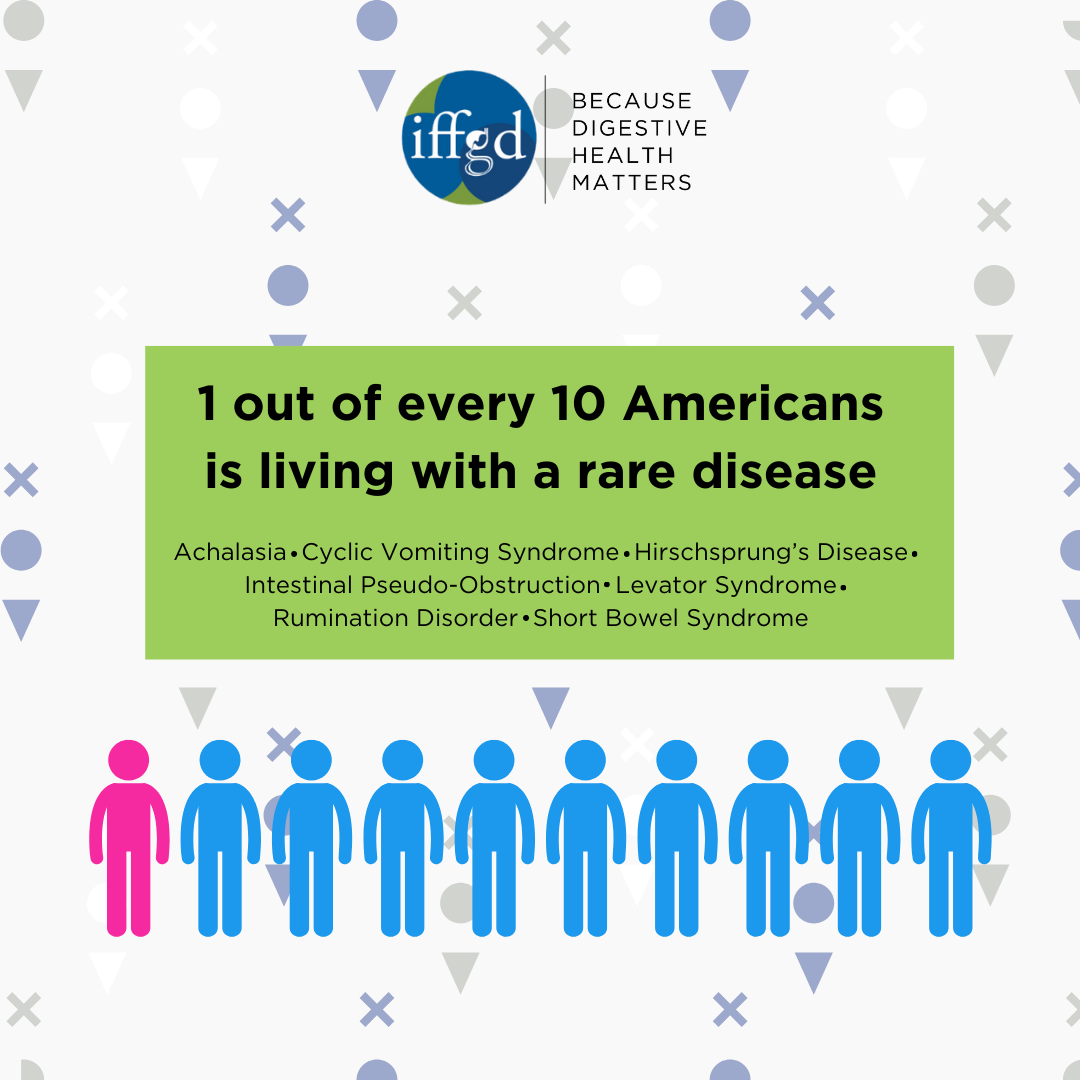
A disease is considered "rare" when it affects fewer than 200,000 individuals in the United States, according to the National Institutes of Health (NIH). Despite their rarity, nearly 30 million people in the U.S. are living with a rare disease.
The NIH recognizes more than 7,000 rare diseases, including several that significantly affect the gastrointestinal tract. For individuals living with these conditions, symptoms can be debilitating, often leading to life-altering challenges in managing daily activities and health.
We invite you to learn more about rare gastrointestinal disorders and how you can make a difference. Click the button below to discover how you can get involved, raise awareness, and support the rare disease community.
| |
|
On March 15, 2025, IFFGD will sponsor and coordinate a Virtual Advocacy Event for patients, caregivers, and other members of the digestive health community to learn about Government agencies, resources to assist with your illness journey, and ways to advocate from the comforts of your home.
Click the button below to register and receive your stream link and advocacy informational packet.
| |
|
This month, we’re sitting down with Dr. Saam Dilmaghani from Mayo Clinic. We’ll talk about gastroparesis and identify which foods are typically better tolerated by patients.
Click the button below to watch the latest video.
| |
|
We're excited to introduce the Video Corner, a new resource available on the IFFGD website. This convenient hub offers a wide range of informative videos, including our latest video series and content related to specific GI disorders that can also be found on our YouTube page. Stay informed with our regularly updated video library featuring expert insights, patient stories, and educational resources—all in one location.
Click the button below to start browsing.
| |
Clinical trials and research studies help to improve our understanding of the underlying mechanisms of diseases and advance the development of new and better treatment options. By participating in a study, you can help further the advancement of research and learn more about your condition.
Here are 3 studies currently recruiting participants:
| |
Sex related differences in the effect of cognitive behavioral therapy(CBT) on emotional arousal and salience circuits and the role of the gut microbiome Project | |
An exploration of the role of personality, resilience, positive outlook and obsessive-compulsive symptoms in behavioural patterns potentially contributing to pain chronicity | |
Dose-Ranging Study of the Efficacy and Safety of TAK-101 for Prevention of Gluten-Specific T Cell Activation in Participants With Celiac Disease on a Gluten-Free Diet | |
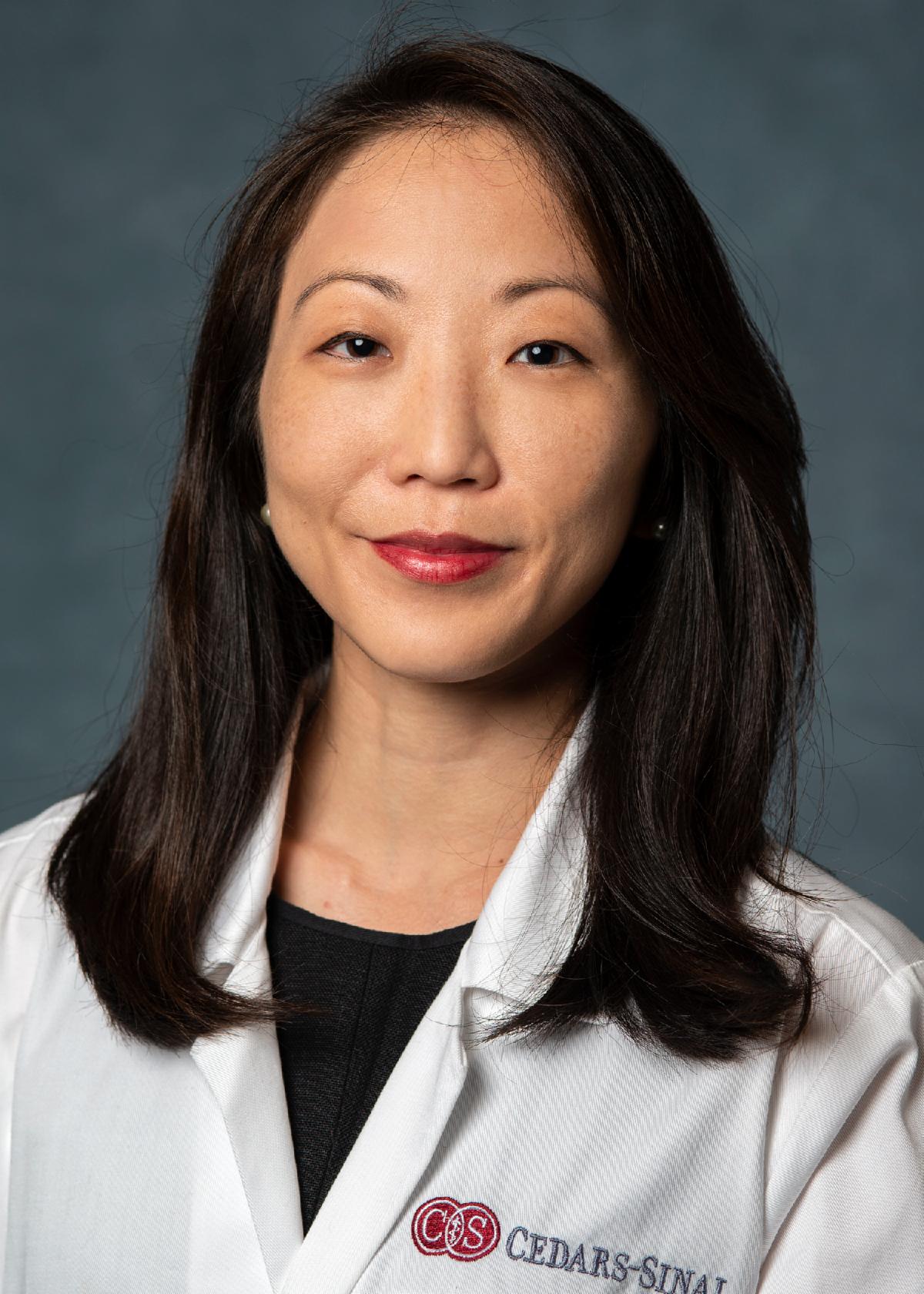
Registered Dietitian and Junior Academician Bianca Chang | |
After receiving her medical degree from Case Western Reserve University School of Medicine, Dr. Chang completed her internal medicine residency at Cedars-Sinai Medical Center/West LA VA and her gastroenterology fellowship at The University of Chicago. She joined the gastroenterology faculty at Cedars-Sinai Medical Center in 2019 and is now the Assistant Clinical Director of the GI Motility Program as well as the Associate Program Director of the Advanced GI Motility Fellowship.
Her clinical interests span the intestinal tract and include esophageal motility disorders, gastroparesis, microbial overgrowth, refractory constipation and diarrhea, and irritable bowel syndrome. Her research interests include the interplay between microbial overgrowth and irritable bowel syndrome, the role of gender in functional gastrointestinal disorders, and the utility of virtual reality in pain related to irritable bowel syndrome.
| |
|
|
Dr. Chang became connected with IFFGD when she joined the Junior Academicians Program in 2019. Since then, she has received an IFFGD travel award and authored an IFFGD fact sheet on small intestinal bacterial overgrowth. She has also been involved in fundraising efforts for the IFFGD, including the Annual Digestive Health Wellness Event. She hopes to one day bring the IFFGD Wellness Event trophy to Cedars-Sinai.
| |
IFFGD is a nonprofit organization. We rely on donor support to fund research and to provide reliable information and support to those affected by chronic gastrointestinal disorders.
| | | | |