Great news! Representatives Larry Bucshon (R-Ind.) and Ami Bera (D-Calif.), are introducing a bill that would prevent a 4.4 percent Medicare physician fee payment cut from taking effect on January 1, 2023, through the introduction of the Medicare Access and CHIP Reauthorization Act of 2015 and associated payment mechanism.
This is the bill we have been requesting from members of the Congress to introduce for some time for the last few months. ASIPP has supported this and ASIPP members have sent over 5,000 letters to Members of the Congress to date.
Representatives Bucshon and Bera are supported in this endeavor by six additional representatives, Kim Schrier M.D. (WA-08), Michael Burgess, M.D. (TX-26), Earl Blumenauer (OR-03), Brad Wenstrup, D.P.M. (OH-02), Bradley Schneider (IL-10), and Mariannette Miller-Meeks, M.D. (IA-02). Together they sent a Request for Information: Medicare Payment System Reform letter to members of Congress. See RFI Letter
|
|
|
|
Improve your techniques
with these 1.5-day hands-on CADAVER WORKSHOPS
|
|
Only a few spaces remain!
Register now to secure your spot!
|
|
September 24-25, 2022
MERI, Memphis, TN | Hotel Accommodations: Hilton Memphis
|
|
Interventional Techniques in IPM |
Basic | Intermediate | Advanced
12 AMA PRA Category I Credits™
|
|
Peripheral Nerve Stimulation |
Interventional Techniques
12 AMA PRA Category I Credits™
|
|
|
Switching seniors to Medicare Advantage plans has cost taxpayers tens of billions of dollars more than keeping them in original Medicare, a cost that has exploded since 2018 and is likely to rise even higher, new research has found.
Richard Kronick, a former federal health policy researcher and a professor at the University of California-San Diego, said his analysis of newly released Medicare Advantage billing data estimates that Medicare overpaid the private health plans by more than $106 billion from 2010 through 2019 because of the way the private plans charge for sicker patients.
Nearly $34 billion of that new spending came during 2018 and 2019, the latest payment period available, according to Kronick. The Centers for Medicare & Medicaid Services made the 2019 billing data public for the first time in late September.
|
|
They did during Delta, not so much with Omicron, study finds
Higher SARS-CoV-2 antibody levels in fully vaccinated individuals translated to lower rates of infection for nursing home residents and staff during the Delta wave, though not when Omicron hit, a cross-sectional study showed.
In a study group of over 2,000 fully vaccinated residents and staff at West Virginia nursing homes, median SARS-CoV-2 antibody levels were twice as high among those who avoided breakthrough infections during Delta compared with those who later contracted COVID (P=0.002), reported Sally Hodder, MD, of West Virginia University School of Medicine in Morgantown, and co-authors.
But when Omicron hit, antibody levels for those who later became infected and those who never did were no different (P=0.70).
"Data presented in this study are not conclusive in providing a serologic correlate of protection against SARS-CoV-2 infection," the group wrote in JAMA Network Open.
|
|
Register today for the CALSIPP Annual Meeting and join us for an Evening Cruise on the Bay!
Saturday, October 15 | 7:30 pm
|
|
Enjoy an entertaining three-hour yacht cruise around Newport Bay on a two-level contemporary yacht. Take in the beautiful sights from the outdoor viewing areas on the large bow, aft deck, or by strolling the walk-around decks.
Limited tickets are available, so do not wait! Tickets are $100 per registered meeting attendee or guest and must be selected on the registration form.
Register for the meeting and select the Cruise Add On.
|
|
'Compromised' IV bags tied to serious complications in another patient as well
The Texas Medical Board has temporarily suspended a Dallas-based anesthesiologist's medical license after receiving information from federal law enforcement that the physician was under criminal investigation related to the death of a fellow physician.
A statement from the board released on Friday said Raynaldo Rivera Ortiz, Jr., MD, had his license suspended after a disciplinary board determined that he would pose "a continuing threat to public welfare" if allowed to continue practicing medicine. The statement said the suspension would be effective immediately, starting on September 8.
Ortiz also has a disciplinary history with the board, including incidents involving domestic and animal abuse.
According to the board's disciplinary documents, Ortiz was seen in surveillance footage putting single IV bags into a warmer outside the operating rooms at the Baylor Scott & White Health Surgicare North Dallas facility. An investigation and laboratory analysis revealed that the IV bags contained the anesthetic bupivacaine without any additional labeling to denote the change. The document also noted that small holes were found in the plastic wrap around the bag.
|
|
NEXT EXAM DATES:
Part I
October 22, November 19, & December 17
Part II
September 23
|
|
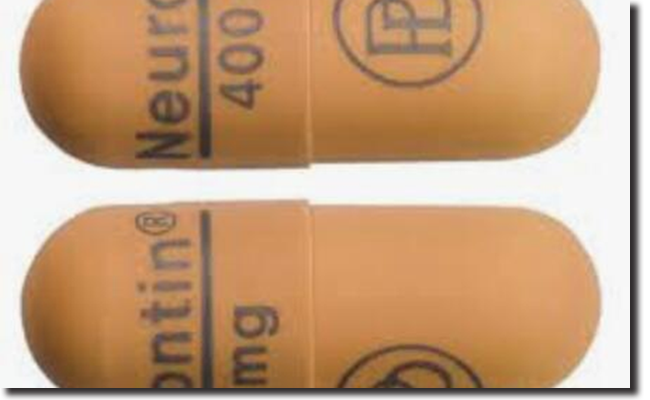
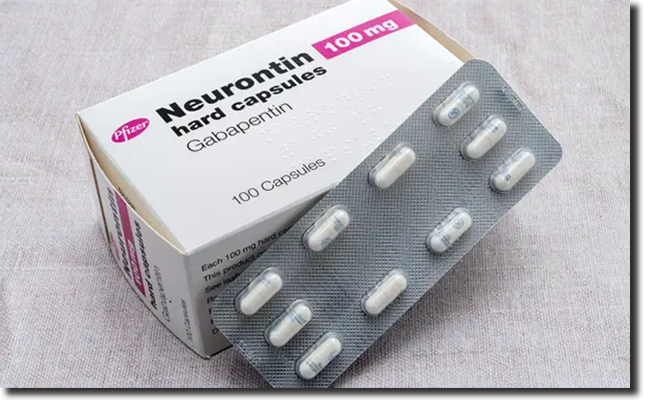
Wanna hear something sickening? Neurontin, a drug developed for epilepsy and used off-label for neuropathic pain, had its sales grow 250% between 2004 and 2019. Why? We don't have 250% more epileptics. No, it's because the drug is being forced down the throats of people who can no longer get sufficient pain relief. The result? Abuse and also more overdose deaths. Just another chapter in our psychotic war against legitimate opioid drugs and the people who need them.
Ask any chronic pain patient about gabapentin (Neurontin) as a replacement for opioids and you'll probably get one of two reactions: Laughter or tears. Yet, the drug, originally intended to treat seizures, and subsequently found to be useful for controlling nerve pain and restless leg syndrome has been pushed (along with miscellaneous other useless drugs and techniques) as a safe and effective alternative to legitimate opioid analgesics drugs. It is neither. A new JAMA article makes this painfully obvious.
Using a useless drug?
Bridget M. Kuehn, MSJ, writing in JAMA Medical News & Perspectives primarily focuses on how gabapentin is increasingly contributing to the soaring (1) drug overdose death toll but does not ignore the fact that off-label use of the drug to treat non-neuropathic pain is lacking in evidence, perhaps on an unprecedented scale.
In her article, Ms. Kuehn quotes a number of experts. Don't be surprised if you are surprised.
|
|
The abstract submission deadline is September 23.
|
|
Infection associated with rare neurologic complication that causes limb weakness, agency says
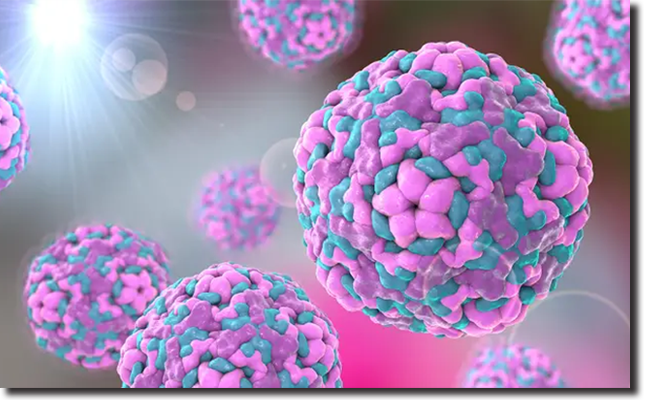
Healthcare providers reported an increase in pediatric hospitalizations across the country for severe respiratory illnesses last month, which may be linked to an enterovirus strain that causes rare neurologic complications, the CDC announced in a Health Alert Network advisory on Friday.
In August, clinicians and health systems in several regions of the U.S. reported an increase in children hospitalized for severe respiratory illnesses who also tested positive for rhinovirus (RV) or enterovirus (EV), the advisory stated. Upon further testing, more of those cases tested positive for enterovirus D68 (EV-D68), a non-polio enterovirus linked to uncommon neurologic complications.
Between April and August 2022, the CDC noted a substantial increase in EV-D68 cases among children who were tested at facilities within the New Vaccine Surveillance Network (NVSN), which has seven sites across the country. The number of EV-D68 cases identified at all sites between July and August this year was greater than those detected in 2021, 2020 and 2019, the agency said.
|
|
|
|
Please plan to join us at the
2023 ASIPP Annual Meeting
March 16-18 National Harbor, Maryland
Register Early
More details will be posted on our website at asipp.org.
Registration begins November 2022.
|
|
For meeting or exhibitor/sponsor information:
|
|
Delirium, new antipsychotic use, and pneumonia more common
Perioperative gabapentin upped the risk of delirium, new antipsychotic use, and pneumonia in older adults after major surgery, a retrospective study showed.
Risk of delirium -- the primary outcome of the study -- was 3.4% for older patients who received gabapentin within 2 days after major surgery and 2.6% for those who did not, with a relative risk (RR) of 1.28 (95% CI 1.23-1.34), reported Dae Hyun Kim, MD, ScD, of Brigham & Women's Hospital and Hebrew SeniorLife in Boston, and colleagues.
Risk of new antipsychotic use was 0.8% versus 0.7%, respectively (RR 1.17, 95% CI 1.07-1.29), and risk of pneumonia was 1.3% versus 1.2% (RR 1.11 95% CI 1.03-1.20), the researchers reported in JAMA Internal Medicine.
|
|
- ASIPP Members Only Site Information - |
|
-
To log in for the first time you will need to click “forgot password” at the bottom of the login window.
- Check your email and then log in as directed.
-
If you have problems logging into your account, click here.
|
|
Pain Medicine Case Reports (PMCR) and Editor-in-Chief Alaa Abd-Elsayed, MD, PhD would like to invite you to submit case reports and case series to the PMCR journal. Your article will be published free of charge.
Open access journals are freely available online for immediate worldwide open access to the full text of published articles. There is no subscription fee for open access journals. Open access journals are no different from traditional subscription-based journals: they undergo the same peer-review and quality control as any other scholarly journal.
Interested in becoming a member of the PMCR Editorial Board?
Editorial board members are asked to review 2-6 manuscripts per year. Please submit your most up-to-date CV to sgold@asipp.org for consideration.
For more information or to submit your articles, click here.
|
|
| CASE REPORT |
Meesha Khatker, MD, and Krishna B. Shah, MD
Abstract
BACKGROUND: Patients with chronic degenerative spinal deformity such as scoliosis often suffer from refractory pain and mechanical limitations which impact their quality of life. After trying conservative therapy, they commonly proceed with surgical intervention which has the potential for postoperative complications and failure. Patients with failed back surgery syndrome (FBSS) often pursue spinal cord stimulator therapy for their symptoms. However, there is a paucity of literature available regarding including neuromodulation as a treatment option for spinal deformity surgery. The patient provided HIPAA compliant consent for the inclusion of their clinical information in this report.
CASE REPORT: This case report highlights a patient with severe scoliosis with no prior surgeries who failed conservative therapies and overall had a high surgical risk due to her comorbidities, including severe osteoporosis. The patient responded well to HF-10 stimulation. Her EQ-5D-3L showed notable improvement in self-care and anxiety depression, and she subjectively indicated significant improvement in her mobility, usual activities (housework, socializing), and pain/discomfort. Her Visual Analog Scale (VAS) scores showed improvement in lower back pain from 8 to 1 and leg pain from 3 to 1 at her 3-month follow-up.
CONCLUSION: Overall, the patient had 90% relief in her back and 100% improvement in her leg pain. This case demonstrates how neuromodulation, specifically HF-10, should be included in the treatment protocol when managing spinal deformity patients who are high risk for surgery.
KEY WORDS: Spinal cord stimulator, virgin back, failed back surgery syndrome, scoliosis
|
|
| HEALTH SERVICES RESEARCH |
Taranjeet Jolly, MD, Ramu Vadukapuram, MD, Chitan Trivedi, MPH, Zeeshan Mansuri, MD, Mahwish Adnan, MD, Steven P. Cohen, MD, and To-Nhu Vu, MD
Abstract
Background: Approximately 17.3 million adults in the United States have had a minimum of one major depressive episode. Comorbidity of depression and pain can affect individuals of any age, but is more prevalent in the elderly affecting up to 13% of people in the elderly population. Given that depression and suicidal ideation (SI) pose a considerable burden resulting in enormous suffering, there is a need to understand the factors of the relationship between chronic pain (CP), depression, and SI.
Objectives: Our primary objective in this study was to compare suicidality (SI/attempt [SA]) between patients with major depressive disorder (MDD) and CP and a matched control group. The secondary objective was to compare length of stay, total hospital costs, and discharge disposition in these populations.
Study design: The National Inpatient Sample (NIS) dataset developed by the Healthcare Cost and Utilization Project was used for this study. The NIS is a database of hospital inpatient stays derived from billing data submitted by hospitals to statewide data organizations across the United States. We obtained patient records from the NIS dataset for the years 2006 to 2017. All data were de-identified so Institutional Review Board approval was waived.
Methods: We used mean and standard error to describe continuous data and counts (percentage) to describe categorical data. Categorical data were compared using Rao-Scott adjusted chi-square tests and continuous data were compared using Student's t tests. Matching was performed using propensity scores in random order with a caliper size of 0.001. To assess predictors associated with suicidality, logistic regression analysis was performed.
Results: A total of 393,481 patients having MDD with CP (MDD+CP) were included in the analysis. The mean age was 49.4 years, and 54.9% of patients were women. Overall, rate of composite outcome of SI/SA was more prevalent in MDD+CP group (51% vs 41%, P < 0.001). Rate of SI was 48% vs 39% (P < 0.001) in the MDD+CP and MDD without CP (MDD-CP) groups, respectively. MDD+CP was one of the strongest predictors of suicidality, responsible for 48% more risk of SI/SA compared to MDD-CP group. In comparison to non-Whites, the rate of suicidality was 7.5% less in White population. Alcohol abuse and substance abuse were associated with 17% and 8% greater risk of SI/SA, respectively. For women, the odds of having SI/SA was 1.20 greater compared to men.
Limitations: No information was available on the causal relationship between MDD+CP disorder and SI/SA. Retrospective studies are susceptible to recognition, reporting, and coding bias. There is no information available on medications use or the duration and severity of CP and bipolar disorder, which can all be confounding factors.
Conclusions: Psychiatrists and other physicians must be cognizant of the presence of CP and the risk of suicide, especially when patients present with depressive symptoms. The treatment plan for this patient population should include routine screening for pain symptoms and risk assessment for SI.
Keywords: anxiety; inpatient; major depressive disorder; opioid use disorder; self harm; suicidality; suicide; Chronic pain.
|
|
| HEALTH SERVICES RESEARCH |
Moez Mithani, MD, Jeremy Benhamroun-Zbili, MD, Andrew Bloomfield, MD, Kishan Sitapara, MD, Arlette Paul, NP, Singh Nair, MD, Shagun Mohan, MD, Amaresh Vydyanathan, MD, Safwan Zar, MD, and Naum Shaparin, MD
Abstract
Background: COVID-19 quarantine measures have created new challenges in the delivery of medical care, especially in the realm of medical and interventional chronic pain management. This study evaluated the effect of COVID-19 social distancing and quarantine measures on symptoms of pain and anxiety, as well as substance abuse and health care engagement in patients with chronic pain and the role of the clinic's virtual assessment initiatives in managing these patients.
Methods: A 24-question cross-sectional survey was conducted with patients with chronic pain seen at the Montefiore Medical Center Comprehensive Pain Clinic from June 2020 through July 2020. The survey was administered to 552 high-utilizer patients via telephone, evaluating domains such as pain, anxiety, substance use, and health care engagement. The questions were quantitively assessed on a Likert scale or a numerical rating scale. We used descriptive statistics to report our results.
Results: Of the 1,023 patients identified as high utilizers of the pain clinic, 552 patients participated in the survey. The median (25th-75th percentile) pain score reported was 7 (5-9) for all responders. Approximately 50% of the patients reported that they were anxious about their pain and somewhat or very concerned that their pain would be uncontrolled during the pandemic. Further, the severity of the pain reported was associated with sleep, appetite, and mood changes. In our cohort, 95% of all patients denied using alcohol, 92% denied using marijuana, and 98% denied using other recreational drugs to manage their pain during the pandemic. In addition, just more than three-fourths (79%) of all patients reported needing to speak with their health care provider during the pandemic.
Conclusions: The survey conducted among high-utilizers demonstrated that patients who remained engaged with their health care team reported minimal concerns regarding chronic pain and associated symptoms during the COVID-19 quarantine period. In addition, the early implementation of virtual consults in the pain clinic may have contributed to mitigating patient concerns. Finally, the study also identified the importance of outreach and patient education on the availability and utilization of telemedicine services. Consequently, it is reasonable to implement virtual assessments and visits alongside other education outreach methods to engage patients with chronic pain who frequently utilize chronic pain health care resources.
Keywords: COVID; anxiety; health care engagement; pandemic; patient satisfaction; quarantine; substance abuse; survey; telemedicine; Chronic pain.
|
|
Since this malpractice insurance program officially launched in November 2018, ASIPP has signed up hundreds of providers with an average savings of 30%. This is professional liability insurance tailored to our specialty and will stand up for us and defend our practices.
Norcal Mutual is A-Rated by AM best and is licensed in all 50 states. To read a few important points to keep in mind about the program, including discounts, administrative defense, cyber coverage, aggressive claims handling, and complimentary award-winning risk management CME activities, click here.
|
|
ASIPP® has formed a partnership with Henry Schein and PedsPal, a national GPO that has a successful history of negotiating better prices on medical supplies and creating value-added services for independent physicians. Working with MedAssets, PedsPal provides excellent pricing on products like contrast media that alleviate some of the financial pressures you experience today.
|
|
ASIPP® is now offering our members the benefit of a unique revenue cycle management/ billing service.
We have received a tremendous amount of interest in the ASIPP® billing and coding program.
Click here to learn more about the negotiated rate for practices and more!
|
|
|
up-to-date news related to you, your practice, and your patients!
|
|
|
|
|
|
|