A Message from Chief Scientist & Observatory Director Dr. Paula Mabee |
Hello to 2022! While this new year has so far brought familiar challenges (pandemic and sadly, winter wildfires to name just two), I am reminded that there is much to look forward to. I am excited for what we have in the works this year for the scientific community.
A new year means a new Data Release! At the end of each calendar year, NEON conducts a thorough review of our data, makes any final corrections, and tags data files with a release year and unique DOI, which supports best practices for citation in papers and publications. These files will never be changed, allowing for reproducibility and proper citation. We are proud to announce that the January 2022 release is now available through the NEON Data Portal. Please cite these DOIs when you use NEON data and our software will pull your publication onto our Dimensions site.
We are hiring our seasonal field positions – available across the U.S. and Puerto Rico - across the Observatory! If you are early career or looking for experience in field work, please apply! We hire hundreds of seasonal Field Technicians (TFTs) each year to assist with observational sampling and data collection in gorgeous, wild areas. These positions start in the spring (soon!). Learn more here, and search our TFT positions on Battelle Careers.
As always, I hope this finds you safe and well!
Sincerely,
Paula
|
|
|
|
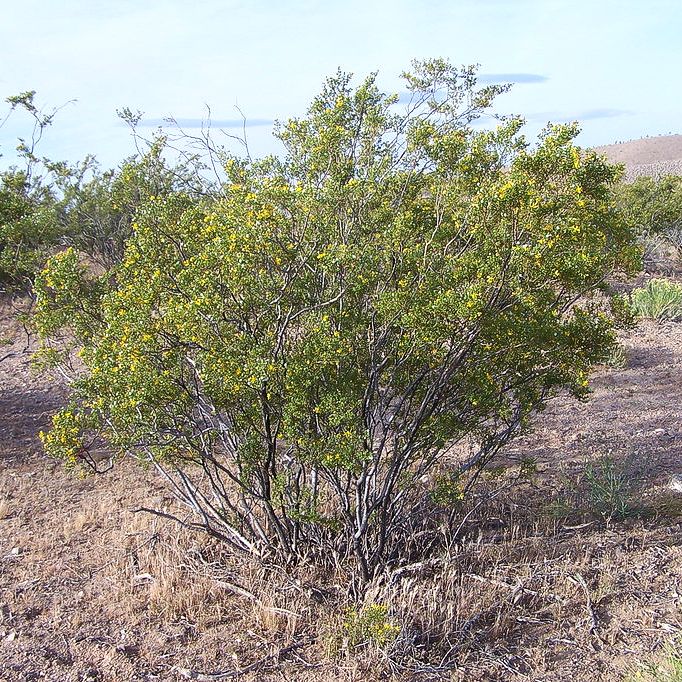
Using phenocams, Dr. Alesia Hallmark saw rhythmic and predictable branch movement in creosote bushes in New Mexico—even in dead branches. Now, she's looking through NEON phenocam data to see if she can document the phenomenon in other sites and species. Her results could upend common assumptions about movement—or lack thereof—in woody species.
|
|
Share Your NEON Story!
Have you used NEON data, samples, or infrastructure? Please contact us about your research and we'd be happy to write a blog article featuring your work as well as add your papers to our publications list.
|
|
|
|
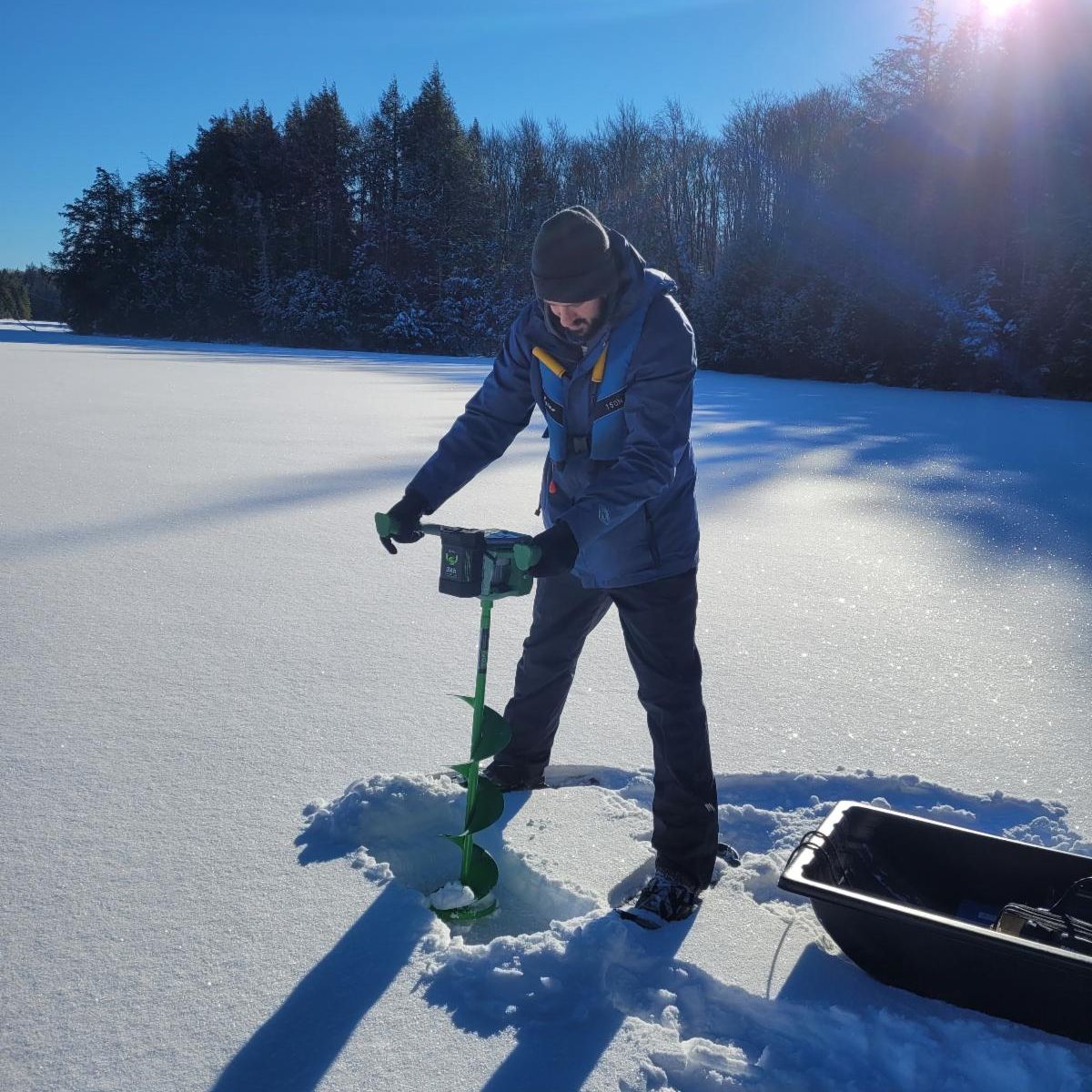
Have you ever wondered what happens across NEON as winter settles into our colder Domains? Our field staff are still hard at work to keep our open data flowing. In this blog, a handful of our field staff share their experiences and incredible surroundings. Take a look at what NEON life and operations are like during these snowy months.
|
|
OTHER RECENT BLOGS
In July 2021, more than 680 people across the world came together for a virtual summit on data science and aquatic research. The four-day "Hacking Limnology" Workshop Series, organized by AEMON-J and DSOS, explored applications for remote sensing, machine learning, numerical modeling and "Big Data" in aquatic ecology. The NEON program put together a one-day workshop introducing researchers to our open data products in aquatics.
Guess what—we have an all-new data product! The “L1 Methane Concentration” is now available on the NEON Data Portal, with data from July 15, 2021, and going forward.
As 2021 comes to a close, we want to highlight the exceptional work delivered this year by the National Ecological Observatory Network. Here are some of the most exciting news items involving the NEON program over the past year.
One of the hallmarks of the scientific method is that when new evidence comes to light, previously held assumptions must be reassessed. That is true of the NEON program, as it is for any scientific endeavor. That's why we work closely with scientific experts in the community, continually examining methods with the goal of maintaining the high standards of data quality, continuity, and repeatability required for good science.
More than 60% of the over-100,000 physical samples from NEON field sites collected each year need to stay frozen. A 4000 square foot renovation to the NEON Biorepository at Arizona State University, completed in August 2020, ensures there will be plenty of cryostorage for the 30-year life of the program.
IN MEDIA
Grand Forks Herald, January 10, 2022
Virginia Tech, January 7, 2022
Sierra Resource Conservation District, December 20, 2021
Woodwell Climate Research Center, December 7, 2021
FOX47, November 29, 2021
|
|
Each year, NEON hires hundreds of seasonal (temporary) field technicians (TFTs) to assist with observational sampling. NEON field sites are located in some of the nation's most pristine and wild areas. These seasonal opportunities are perfect for scientists who want to explore fieldwork and gain experience collecting data for a continental-scale ecology program.
These positions start in spring and end in autumn. Exact dates are based on sampling schedules in each Domain and vary by location. Learn more.
|
|
RESOURCES, UPDATES, EVENTS, & OPPORTUNITIES |
|
UPDATES
NEON generates data releases annually, which remain stable and accessible throughout the lifetime of the Observatory. NEON’s second data release, RELEASE-2022, includes 161 data products annotated by 129 DOIs. DOI URLs will always resolve back to the dataset, and are thus ideal for citing NEON data in publications and applications. Learn more.
The new data product, CH4 Concentration, is now available on the NEON Data Portal. This product is bundled into "Bundled data products - eddy covariance (DP4.00200.001)" and is available from all NEON terrestrial sites. Learn more about this new data product in our recent blog post here.
NEON operations and restrictions due to safety impacts (e.g., COVID-19, wildfires, etc.) vary across the Observatory. NEON Leadership is continually assessing conditions across the Observatory. Read current operational status updates.
RESOURCES
Did you know NEON has over 103,000 samples from over 700 taxa stored at the NEON Biorepository? These samples are available upon request to support research studies and analyses. Discover and access NEON's archived samples on the NEON Biorepository Data Portal. Explore the portal.
NEON offers a variety of tools and resources for instructors and faculty moving to online teaching. We realize that these are challenging times for our communities around the globe to delivery high quality education in novel online teaching environments. The data and resources from NEON are naturally suited for teaching ecological concepts and skills in both synchronous and asynchronous learning situations. Browse NEON's Learning Hub.
The NEON program generates ecological data on an unprecedented scale. Making sense of that data often requires sophisticated analytical techniques and computer programs. But if you’re not a coder, don’t worry—open source coding resources and community-made custom programs make NEON data more accessible to the ecology community. These resources are now being compiled in the NEON Code Resources Library.
OPPORTUNITIES
The Environmental Molecular Sciences Laboratory (EMSL) and the Joint Genome Institute (JGI) are accepting proposals through March 16 for the Facilities Integrating Collaborations for User Science (FICUS) program. Letters of intent are due by 5pm Pacific Time, March 16, 2022. Successful proposals will have collaborative access to these U.S. Department of Energy Office of Science user facilities. Capabilities also are available to users through NEON, as well as access to the Bio-SANS beamline at the High Flux Isotope Reactor through the Center for Structural Molecular Biology. Researchers from around the world can apply to use resources at these facilities and collaborate with their scientific staff at no cost. Learn more.
Battelle is hosting the #Climate22 Conference on Innovations in Climate Resilience in March 2022, with an expected audience of about 800 people. The Conference on Innovations in Climate Resilience, presented by Battelle in collaboration with DOE National Laboratories, offers a curated technical program with invited keynote presentations, platform and lightning talks and a poster reception.
We’re expecting an audience of government leaders, entrepreneurs and innovators to explore breakthroughs in technology, science, policy and infrastructure that will help mitigate the threats to our environment, health, communities, national security and economic well-being from a changing climate. Submit your abstract and register today! Learn more.
|
|
More and more researchers are using NEON data! Publications that use NEON data and resources are identified and imported into a public Zotero library, where they are tagged to make them easy to query.
View the newest publications here.
Learn how to find papers of interest here.
Knowing how NEON’s data, samples, and infrastructure are used in research is important to measure the program’s success. Please report your publications and related projects here and learn how to cite NEON here. If you know of a publication not included in the list, please notify us.
|
|
Follow NEON on social media!
|
|
|
|
|
|
|