|
Drinking enough water is a key part of a healthy, balanced diet and staying hydrated is actually very important for your body’s overall health. Our bodies are comprised of about 50%-70% water and we lose water throughout the day by breathing, sweating, urinating, and our bowel movements. This means we continually need to replenish the water in our bodies.
We get most of the fluid our bodies need from the things we drink, but we can get some fluid from the foods we eat as well like watermelon and raw spinach. Any liquid that you drink provides your body with some water, but some liquids are healthier than others. Sugary drinks can have excess calories and cause inflammation while caffeinated drinks can affect sleep. And even though sports drinks contain electrolytes that your body uses, the typical person doesn’t often need to replenish their electrolytes with a sports drink unless they engage in high-intensity, vigorous exercise in very hot weather. The best and simplest way to stay hydrated is by drinking plain water. If you have a hard time drinking plain water, try adding some fresh fruit or citrus or try seltzer water or herbal tea instead.
How much liquid or water someone needs to drink per day to stay hydrated is different for everyone. An easy way to know if you are drinking enough water is not to go by the age-old rule of 8, 8-ounce glasses of water a day, but by checking the color of your urine. If it’s colorless or light yellow in color, it indicates that you are hydrated and drinking enough water. If your urine is a darker color or you feel thirsty, these are indicators that you aren’t hydrated enough or are already dehydrated and you should try to drink more water.
The amount you need to drink to stay hydrated can even differ from day to day depending on if you exercise, sweat a lot, lose excess water due to sickness, or are pregnant or breast feeding. Drinking too much water can cause hyponatremia but is not a common occurrence although it can be life-threatening because being overly hydrated can dilute the sodium levels in your blood. Dehydration, on the other hand, is much more common and those more susceptible include older adults, infants & young children, those who work or exercise outdoors, those with some chronic illnesses like diabetes, cystic fibrosis, or kidney problems, and those who take medications that cause excess urination and sweating.
Staying properly hydrated aids the health of your body in what you do and how you feel physically everyday but also can aid in the prevention of some health problems. These daily and preventative benefits include:
- Controlling your body temperature
- Aiding in concentration, memory, and brain function
- Aiding digestion and absorption of nutrients
- Normalizing blood pressure
- Lubrication and cushioning for your joints
- Aiding in protection of your organs and tissues
- Keeping you satiated and boosting your metabolic rate
- Aiding in prevention of constipation and headaches
- Aiding in prevention of kidney stone formation
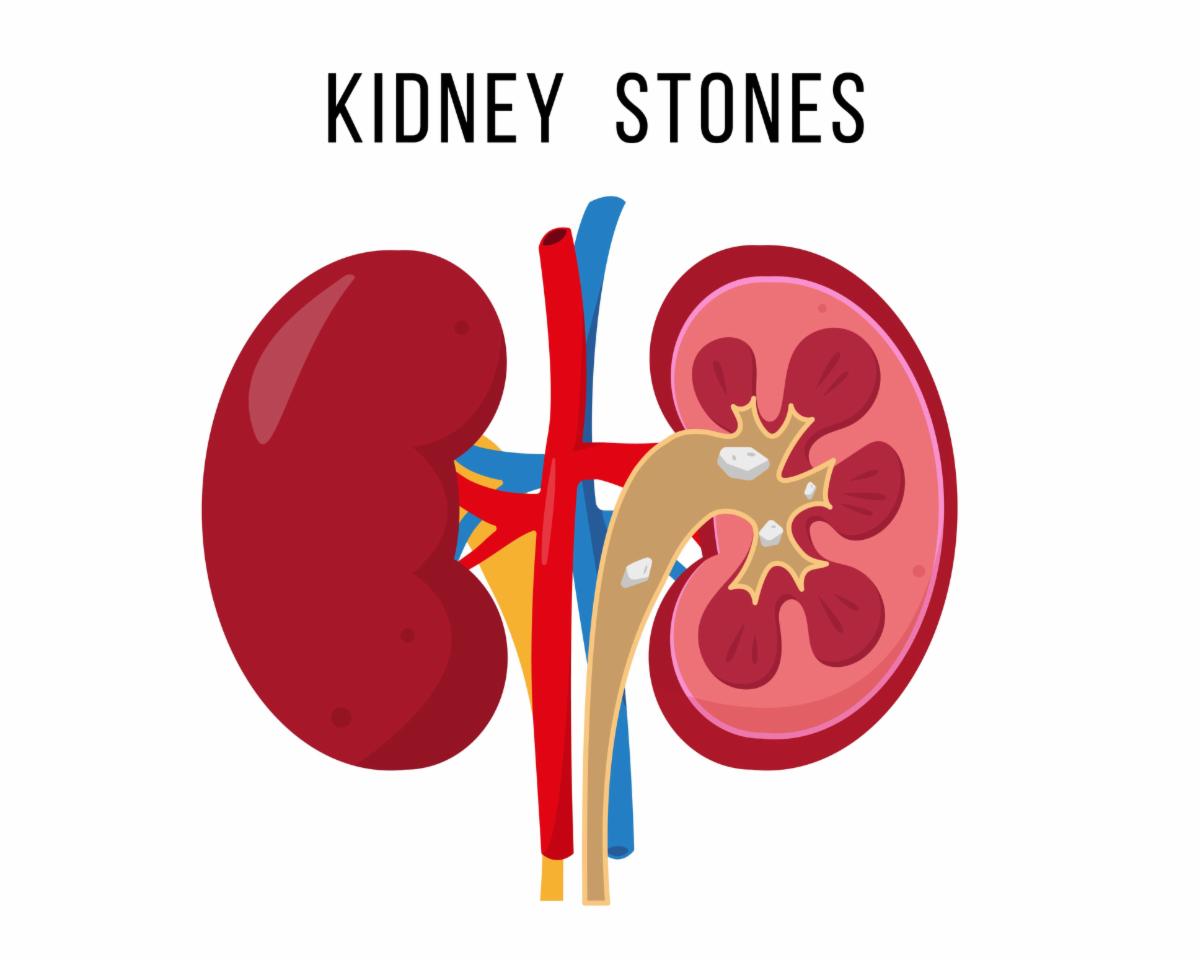
Kidney stones are one health problem that can be aided in prevention by staying hydrated and even overly so. The stones are formed when minerals and salts in your urine stick together and form crystals in your kidneys that can then block the flow of urine from your kidneys through your ureters to your bladder. When you’re less hydrated, these crystals can tend to form more easily and form more frequently in some people. Other reasons for the formation of kidney stones can be because of diet, excess body weight, some health conditions, and some supplements and medications.
Kidney stones can be very painful and difficult to pass. Small stones can be passed with the help of drinking more water and medication, while larger stones may require a procedure to break up the stone or even surgery to remove it. Drinking more water than usual to stay “extra hydrated” is one important way to help prevent the formation of crystals in your kidneys by keeping your flow of urine moving and continually flushing your urinary system. Other prevention methods are dependent on what type of kidney stones you get. The most common type of kidney stones are those made up of calcium oxalate while others may be prone to stones made up of uric acid. Depending on what type of stone you’re prone to, you may also want to make dietary changes to aid in prevention like limiting your sodium intake, limiting animal protein in your diet, and limiting your oxalate intake. If you have a history of kidney stones, our Curally nurses can help talk with you and recommend dietary changes or discuss possible ways to help prevent future stones from forming.
Hydration is very important to your health and should be something you think about as part of a healthy diet. Make sure to keep up with your water intake on a daily basis and increase your intake if needed to help your body run properly and even prevent some health problems like kidney stones.
|