|
|
School Wellness Weekly
March 10, 2022
|
|
March is National Nutrition Month |
|
Chancellor David C. Banks recognizes that healthy, safe, and well-nourished students are best able to concentrate and engage with their academic work. He and Mayor Eric Adams have made it clear to New Yorkers that they will prioritize student wellness, including advocating for educating students about nutrient-rich food choices.
In support of their efforts, the Office of School Wellness Programs will continue to help schools teach students the skills they need to be healthy for life—including making healthy food choices—by ensuring they receive high-quality Health and Physical Education. These core academic subjects are foundational to cultivating the whole child, especially since we know that being healthy in body and mind doesn’t just happen for students. Focusing on their well-being and social-emotional health, teaching them lifelong skills, and providing them with an environment to practice those skills starts in the classroom and thrives within a supportive school community.
To this end, School Wellness Councils (opens in new window)—a group of parents, students, school staff, and community members who work together and with school administration to promote a healthy school community—can play a vital role in supporting nutrition education by creating healthy snack policies and encouraging schools to follow them, and by promoting the importance of healthy food.
To celebrate March as National Nutrition Month, check out this issue for tips and a non-exhaustive list of nutrition resources for educators to complement their Health and Physical Education lessons and to share with families and caregivers:
Resources for Educators:
Share with Families and Caregivers:
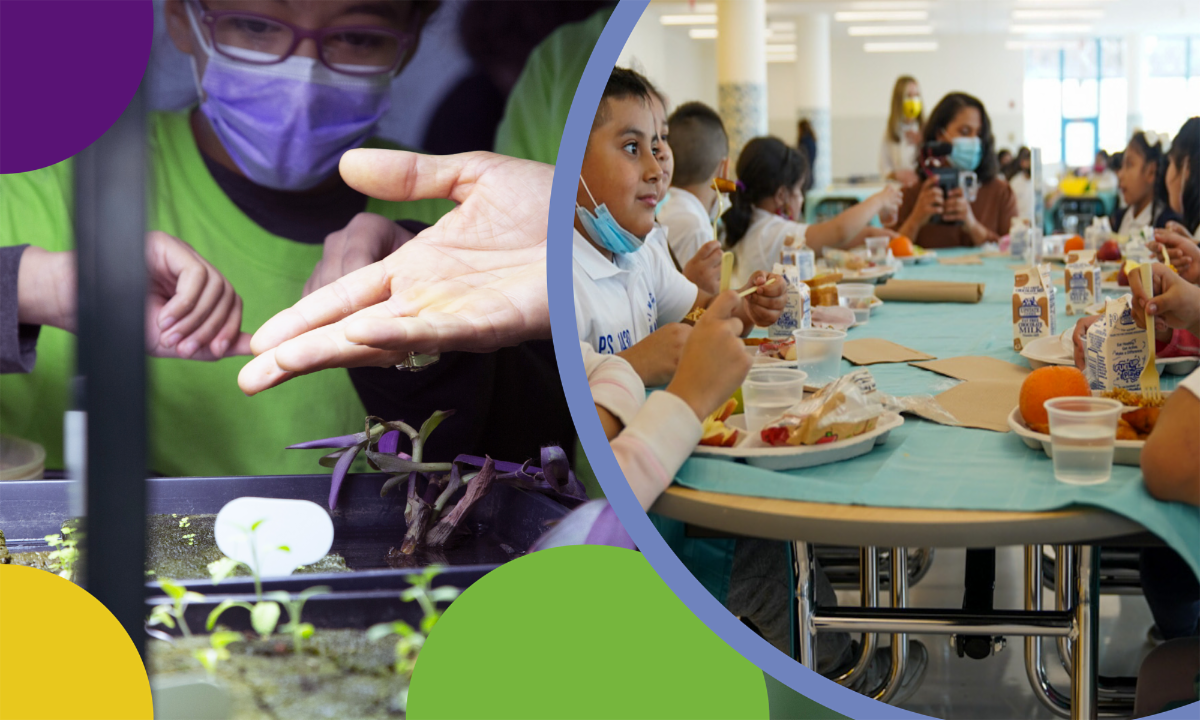
Photo credit: Image of indoor garden with student wearing face mask: New York City Department of Education; Image of students sitting together at a cafeteria table: New York City Department of Education; layout design: Office of School Wellness Programs
|
|
Updated NYC Physical Education Return to School Guidelines: Face Coverings
International SEL Day, Tomorrow March 11: Continuing to Help Students Heal
For tomorrow's International SEL Day (opens in new window)— an opportunity to collectively spread the word about the importance and impact of social emotional learning— use and share these free PE and Health Education resources:
|
|
Health Education and Physical Education |
|
Nutrition As Part of High-Quality Health and Physical Education
Here are just a few of the skills taught in Health and Physical Education that support lifelong healthy nutrition choices:
- Analyzing the impact of food choices relative to physical activity, youth sports, and personal health.
- Analyzing how internal and external influences affect choices related to food, including mental health, body image, and social media.
- Advocating for nutrient-rich food options in school, home, and community.
- Setting goals and making decisions to maintain or increase nutrient-rich food choices.
- Communicating support for the healthy nutrition habits of friends, family and community members.
- Analyzing food labels and other nutrition-related resources.
- Accessing accurate, reliable sources of information about nutrient-rich foods.
Health Education: These skills are included in the NYCDOE-recommended curriculum, HealthSmart. To learn more and receive a complimentary copy of HealthSmart, attend the upcoming Health Ed Basics 1 Series:
Physical Education: To learn more about providing high-quality PE, including nutrition as part of body composition (one of the components of health-related fitness), attend this upcoming PE Basics 1 session:
|
|
Building the Wellness Community |
|
Coalition for Healthy School Food Speaker Series
Want to learn more about food and equity or reversing Type 2 Diabetes? Coalition for Healthy School Food is hosting “The Doctor Is In: How Food Can Change Your Life” (opens in new window) speaker series featuring topical presentations now through May—today’s session (March 10) at 7:00 p.m. covers food addiction and weight loss. All presentations are open to the whole school community, including parents/caregivers, and any adults who work in the school. Presentations are from 7:00 p.m. to 8:00 p.m. and will be presented in English, Spanish, and Traditional Chinese.
Celebrate Upstanders and Prevent School Violence: Say Something Week March 14 - 18
Each year, thousands of schools and youth organizations nationwide participate in Say Something Week (opens in new window) organized by the nonprofit Sandy Hook Promise (opens in new window). The Say Something program teaches middle and high school students to recognize the warning signs of someone at-risk of hurting themselves or others and how to say something to a trusted adult to get help. Any school or community organization serving grades 4-12 can participate in this year’s Say Something Week, March 14 to March 18, or join in the celebration any week in March. Sign up on the Say Something Week page (opens in new window) and receive access to resources that include:
- A planning guide
-
The Say Something training for grades 4-12
- Lesson plans and activities
Schools will also get special updates on activities and educational events taking place during the week and receive tips for training and program sustainability. Bonus:, participating schools get a chance to be recognized in the Say Something Week Awards.
Bring Healthy Practices into the Classroom with Action for Healthy Kids Resource Library
|
|
Get Students Back in the Race with Free New York Road Runners Events |
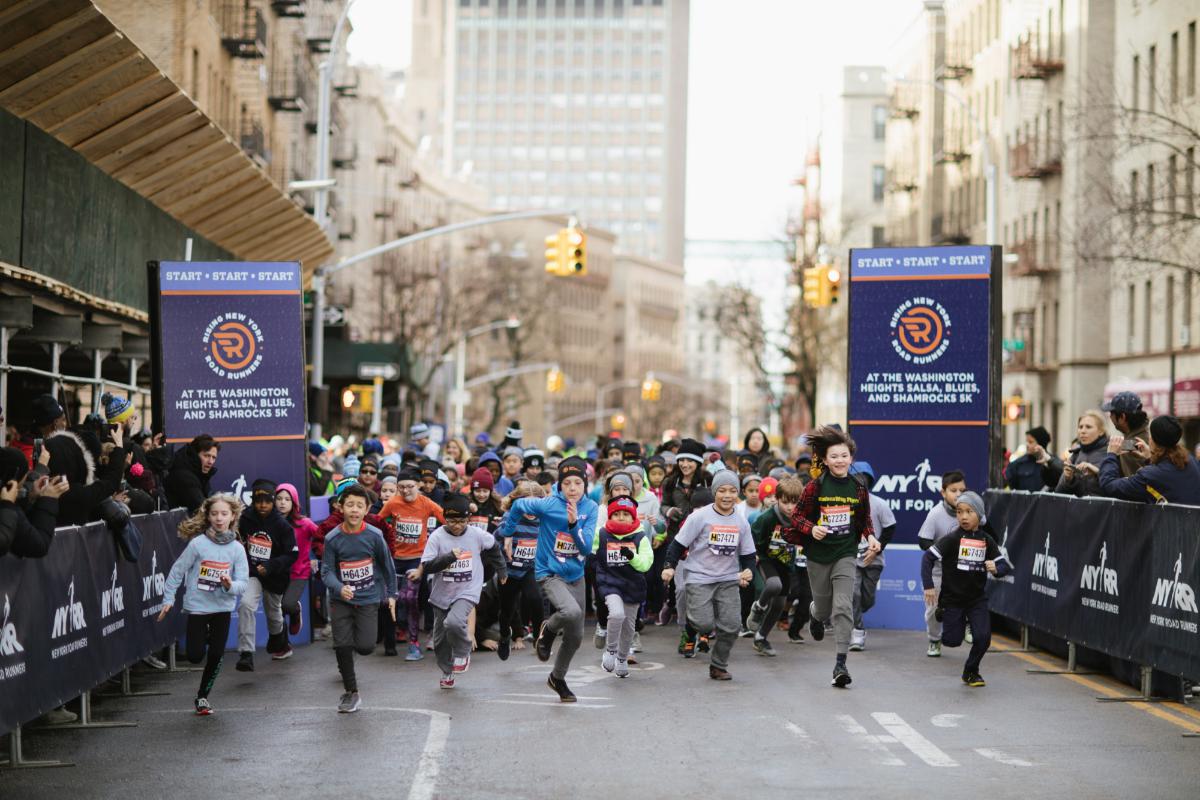
Rising New York Road Runners’ events are back with both in-person (opens in new window) and virtual (opens in new window) youth races for ages 2 to 18. All in-person races offer structured running to give kids a fun and rewarding experience, encouraging them to stay active for the rest of their lives.
|
|
|
Virtual races and challenges bring the excitement of race day directly to kids, from the race bib to the finisher certificate. All Rising New York Road Runners' events are free; visit nyrr.org (opens in new window) to register.
Photo credit: New York Road Runners
|
|
|
|
|
|
|