It's a new year... Time for a Good Laboratory Practices refresher! | | |
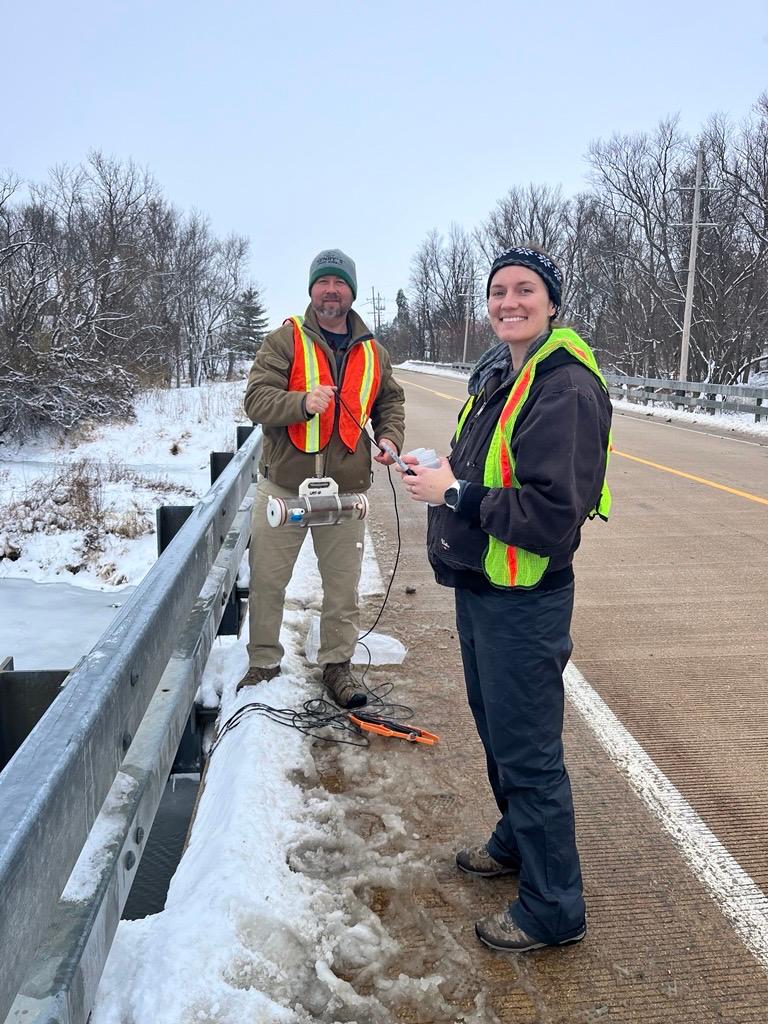
The start of the new year provides us with an opportunity to mark one of the most overlooked yet vitally important actions off of any scientist's checklist: reaffirming a commitment to Good Laboratory Practice (GLP). In a nutshell, GLP sets the foundation for credible regulatory studies by documenting the full story of a study from beginning to end, capturing not just the outcome but exactly how that outcome was achieved. It allows a study to be reconstructed long after it is complete, providing a clear, defensible record of what occurred, when it occurred, and who was responsible. By requiring that personnel are properly trained and qualified and that all equipment is calibrated and verified, GLP supports the production of honest, reliable data that regulators and sponsors can trust. It removes ambiguity and replaces it with transparency, accountability, and scientific rigor.
The integrity of a study is strengthened when GLP is applied consistently throughout its lifecycle. Data trends and outliers can be explained rather than questioned, and potential equipment malfunctions can be tracked to determine when and how they occurred. Clearly defined protocols and Standard Operating Procedures create consistency across studies, ensuring that work is performed the same way regardless of whether it is conducted by an intern or a lead scientist. GLP also ensures that...
>> Read the full article
| | Growing tea isn't for the faint of heart | |
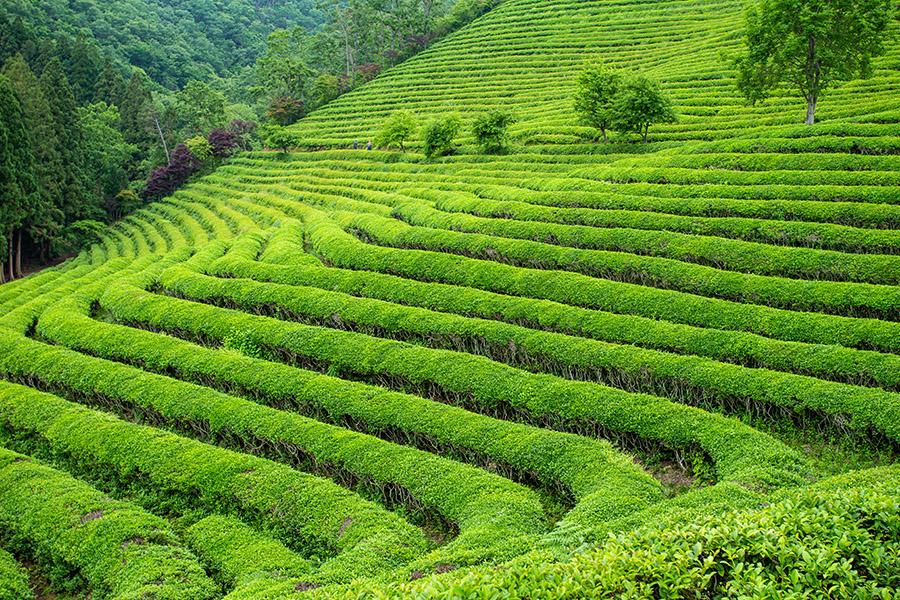
This month’s frigid temperatures have many of us reaching for a hot, comforting drink. Few warm-ups are as popular as a cup of tea, which may explain why frigid January is home to National Hot Tea Month. Which led us to think about tea as both a national and global crop and what goes into bringing this tasty drink to market.
Growing tea is, at its best, an agricultural experience shaped by patience, water, and respect for the land. Tea plants thrive in regions where rainfall is generous but well-timed, and where the landscape itself helps manage water rather than fight it. Because tea is a perennial crop, fields remain planted for decades, allowing roots to stabilize soil, reduce erosion, and improve water retention compared with annual crops that require frequent replanting and tilling. For many, the images of growing tea on hillsides are rooted in Asia and parts of Africa, but there are a number of producers in the United States, including one die-hard farm in Loudoun County, Virginia, near Waterborne's headquarters.
As with most crops, water is central to growing tea...
>> Read the full article
| |
Waterborne on the Road:
The 2026 Keystone Farm Show-York, PA
| |
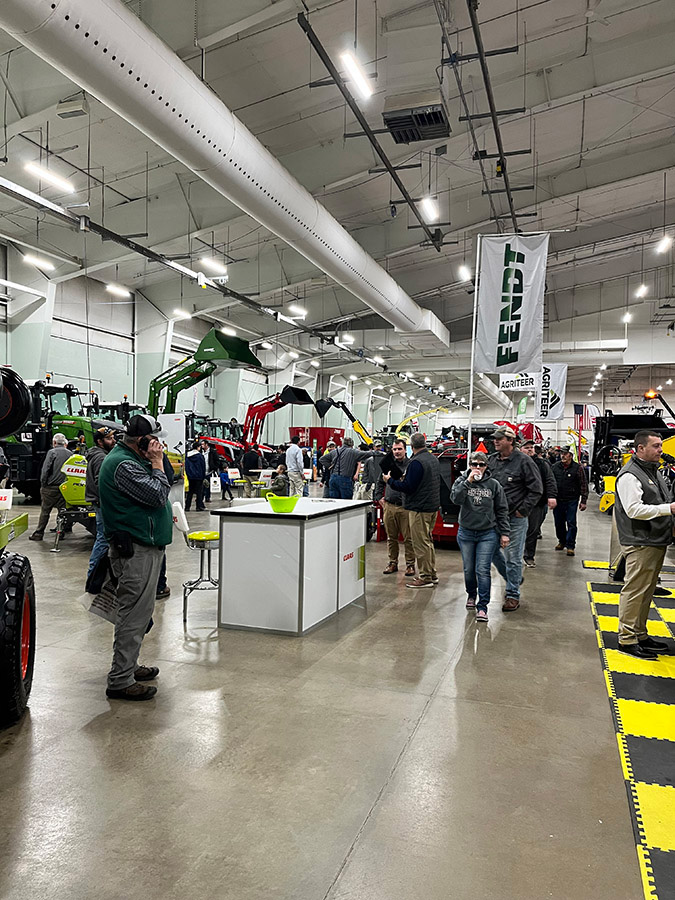
The 2026 Keystone Farm Show brought Pennsylvania’s agricultural community together for three days of innovation, networking, and business-focused farming insights at the York Fairgrounds in York, PA. As one of the largest regional farm trade events of the year, the show attracted farmers, producers, and ag-industry professionals to show and explore the latest tools, technologies, and services shaping modern agriculture. In attendance was Waterborne’s Outreach Lead, Martha Gerig, who manned our booth and showcased our latest webtool.
At the Waterborne booth, Martha showcased an agricultural conservation web application that helps support the soil, water, and wildlife conservation goals of Pennsylvania farmers, ranchers, and landowners. This webtool allows a landowner to self-select their field on a digital map and identify particular concerns around sediment erosion and nutrient loss. The tool utilizes the best available geographic and soil data to narrow down what NRCS conservation standards (i.e., BMPs) would best suit the land characteristics of a particular plot and conservation goals. Additionally, the web application offers contact information for technical experts at the local and county level, serving as the liaison between producers and the resources that can help them thrive. As Keystone attendees passed by the Waterborne booth, they were given the opportunity to use the webtool to navigate to their fields, input their resource concerns, and understand the tool recommendations for their particular plot.
>> Read the full recap
|
| |
Waterborne Environmental is a renowned consulting firm that has provided innovative solutions to the world’s most complex environmental problems since 1993. Our experienced, unbiased scientists and engineers work across industries to evaluate environmental, ecological, and human risks. Our work spans across industry and regulatory agencies to support the balance in the needs of a growing population with the environmental impact on our valuable natural resources.
Our The Current Newsletter is published monthly. Visit us online to find more articles, videos, and information about our work. Click here to contact us.
| | |
Waterborne Environmental Inc.
CORPORATE HEADQUARTERS
893-C Harrison Street SE
Leesburg, VA 20175
Phone: +1 (703) 777-0005
| | | | | | |