“As more public schools are moving to remote learning, child care programs and after-school providers in major cities are taking in more children of families who cannot work remotely. The duality of the conversations around child cares programs and public schools is rooted in a perceived gap between what 'care' and 'education' mean. That gap has set the two sectors on different paths of funding, governance and professional power.”
|
|
who:
Elliot Haspel
where:
|
|
|
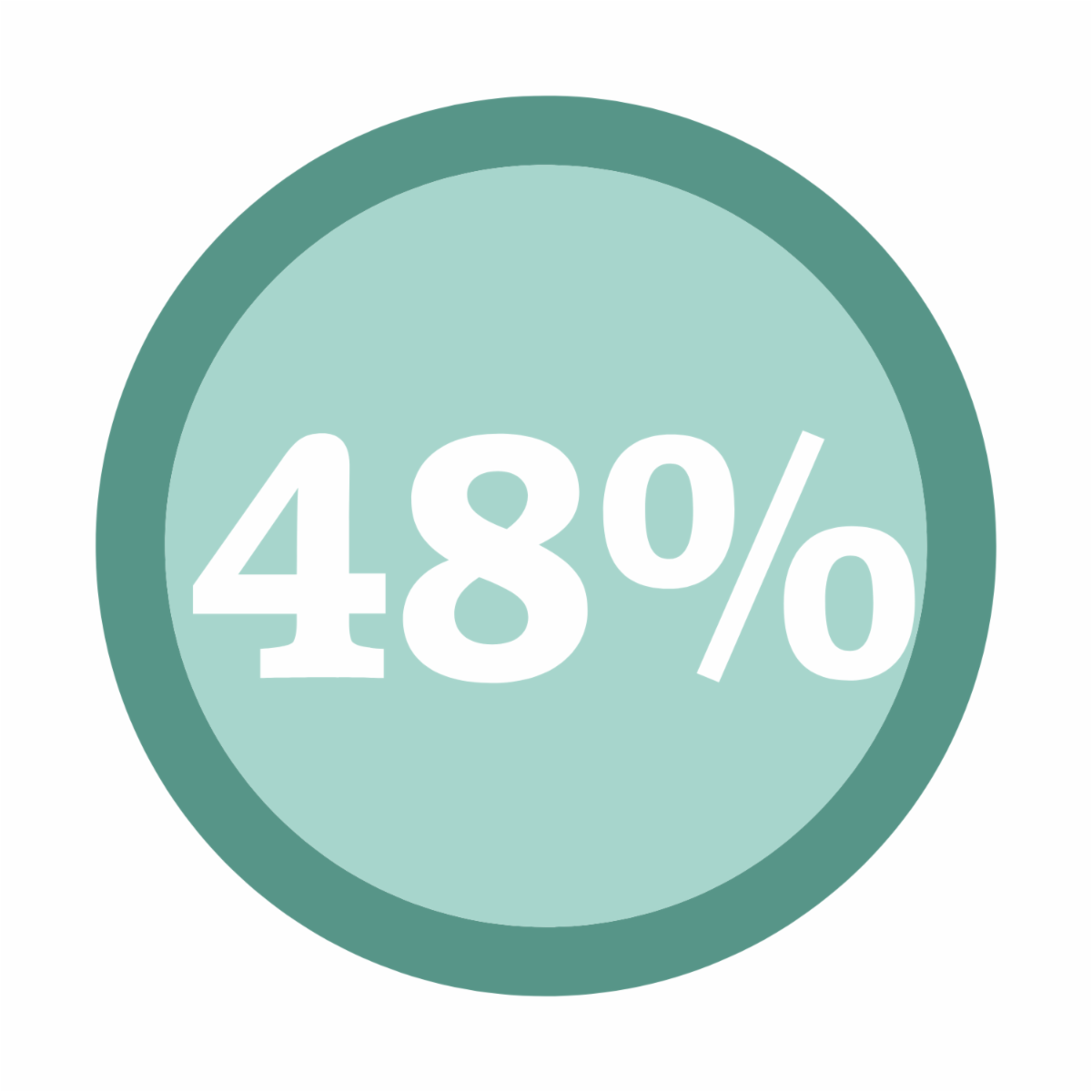
The percentage of Ohio child care programs responding to a survey by NAEYC who said they will close permanently without additional public assistance.
|
|
|
COVID and schools
This week Gov. DeWine announced a new order that all returning K-12 students wear masks – a change from a previous recommendation for students grades three and up to wear them. FEMA will work with the state to supply the masks, coordinated through regional Educational Service Centers (ESCs).
|
|
Child care
Child care programs grapple with whether to return to regular adult-child ratios, or keep groups smaller in exchange for continued subsidies – an amount which has not been finalized. The Dispatch explains more.
|
|
Federal
New America breaks down the latest federal stimulus proposal, (the HEALS Act) which would inject $15 billion for child care nationally. Also under discussion after passage by the House are two bills that would add $60 billion to rescue the child care sector. Huffington Post looks at Joe Biden’s “caregiving agenda.”
|
|
New from Crane (& Partners) |
|
Senior research associate Dr. Rebecca Dore spoke to the Dispatch about research showing that young children can learn through screens, in a story about the move to remote learning for the fall.
Dr. Laura Justice writes the third essay in a three-part series for Early Learning Nation on how to fix America’s broken child care system.
Our partner school, A. Sophie Rogers School for Early Learning, has won nearly $400K from the Ohio Department of Education to serve as a model literacy site. Read more here.
|
|
In California, family child care providers have voted to join a union. The union will represent about 45,000 such providers in the Golden State.
After deciding that school would be starting remotely, Denver announced that it will provide low-cost child care to teachers and other school employees. While the initiative looks to be part-time and only planned for a few weeks, at least initially, it’s good to see communities coming through with solutions to a crisis that is uniquely difficult for teachers and their families.
Chalkbeat looks at how COVID-19 has posed challenges for Indiana’s recently expanded pre-K program. The pandemic has created difficulties not just related to health, safety, or closures, but also to data collection efforts and the stability of funding.
|
|
Here’s a depressing, albeit unsurprising, read from Motherly about the toll of COVID-19 on working mothers (especially) - and why politicians should have listened sooner. NPR looks at “three options” facing families this fall, which include dropping out of the workforce, creating pandemic pods, or in-home child care. Honestly, I’m scared to click on most links these days about surviving the pandemic while working with children. I’ve seen one too many bizarre schedules or flow charts failing to take into account facts such as that each day only has 24 hours, some of which should be used to sleep. Some even suggest that the pandemic provides extra restorative time (!) for moms. Yeah, no. Don’t take my word for it; take U.S. Senator Tammy Duckworth’s!
NAEYC has two important reads. The first highlights recent survey results from across the country, from home and center-based child care providers fighting to survive. The second, a state-by-state look at how programs are holding on “until help comes.”
|
|
A new article in Education Next looks at data from the last major recession to examine whether education spending cuts harmed achievement. The answer, while unsurprising, does not bode well for what states are currently facing: “On average, a $1,000 reduction in per-pupil spending reduces average test scores in math and reading by 3.9 percent of a standard deviation and increases the score gap between black and white students by roughly 6 percent. A $1,000 reduction also lowers the college-going rate by about 2.6 percent.”
|
|
This edition written by: Jamie Davies O'Leary, Associate Director of Policy and Caitlin Lennon, Communications & Policy Specialist |
|
|
|
|
|
|