|
|
Because Digestive Health Matters |
International Foundation for Gastrointestinal Disorders December 2022 eNewsletter |
|
|
Greetings!
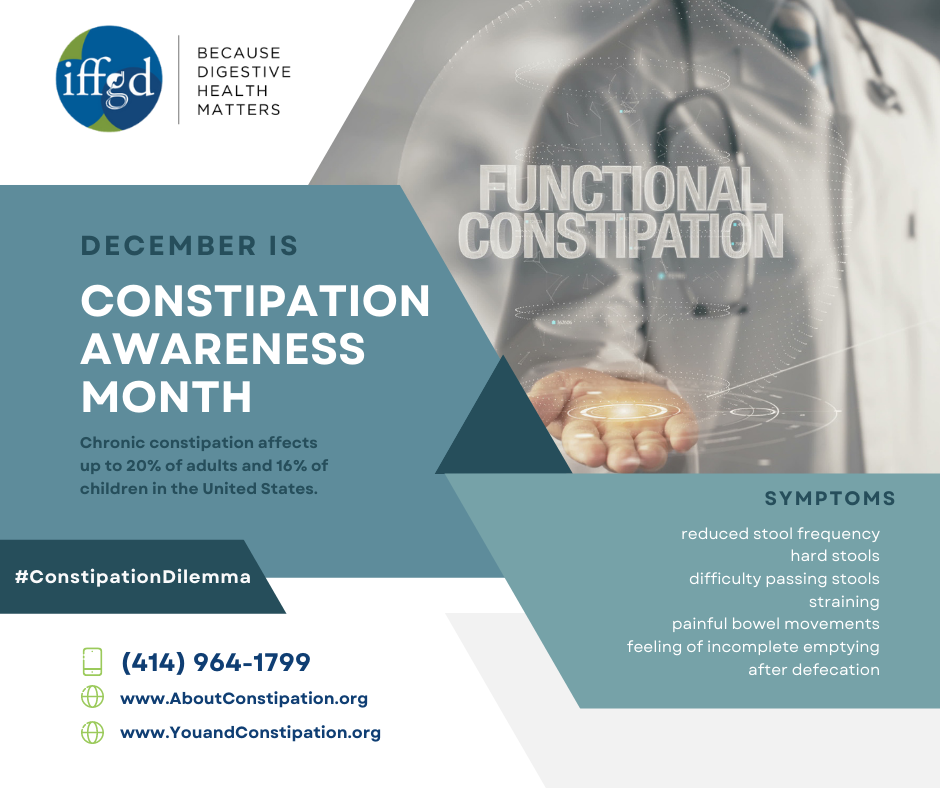
December is Constipation Awareness Month.
For most people, the occasional bout of constipation from time to time is normal. Changes in bowel movements for many can be due to stress, new medications, change in diet or sleep habits, or being inactive.
But, for millions of Americans, constipation isn't something that just goes away. Chronic constipation is more common than most would think, affecting up to 20% of adults and 16% of children in the United States alone. While chronic constipation affects people of all ages, genders, and populations, it can be one of the most challenging gut symptoms to define because it occurs differently in each person.
This year, in recognition of Constipation Awareness Month, you can join us to help raise awareness on social media platforms using the hashtags #ConstipationDilemma and #ConstipationAwarenessMonth.
|
|
|
|
HopeHelpLive is a nonprofit organization that helps patients and families fundraise to help cover the cost of uncovered medical expenses due to cell and organ transplants or catastrophic injuries and illnesses. They provide a platform where you can set up a campaign for a family member, loved one, or friend. |
|
With over $165 million raised for those in need of help with their bills, this platform has many exclusive benefits for those who use it for fundraising, including one-on-one support of a coordinator to assist with fundraising, as well as no service fees or other associated charges.
Click the button below to learn more about HopeHelpLive’s mission.
|
|
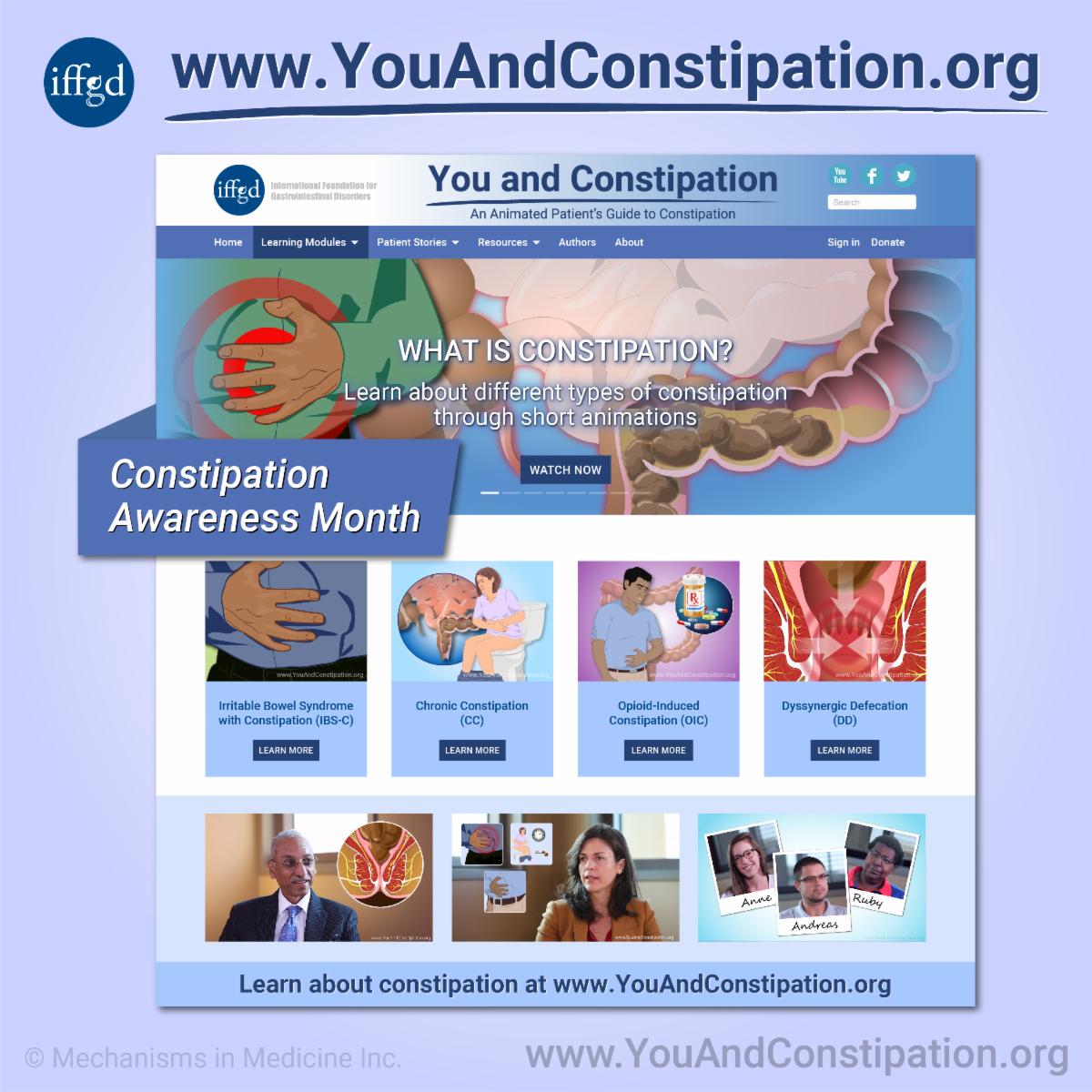
Looking for a new way to learn about the different types of constipation? Check out our animated patient guide website.
Learn about everything from opioid-induced constipation to dyssynergic defecation through a series of animations, patient experience videos, slideshows, and other educational content. View different patient stories to hear about their experiences or, take a survey!
Click the button below to view the You and Constipation website.
|
|
Parkinson’s Disease (PD) is a movement disorder that occurs when the brain is unable to produce enough dopamine. Symptoms typically start slowly and continue to get worse with time. Those suffering from Parkinson’s will likely see symptoms start on one side of the body and progress to the other side as the disease progresses. Eventually, those with PD may have trouble walking, talking, or doing simple tasks.
Parkinson’s disease is known to negatively affect how muscles and nerves function. This includes those along the GI tract, which can cause changes in GI motility. Some common conditions experienced by those with PD include dysphagia, gastroparesis, chronic constipation, and small intestinal bacterial overgrowth (SIBO).
Click the button below to learn more about these conditions and their association with Parkinson’s Disease.
|
|
The term ‘constipation’ can mean a lot of different things. It can mean that bowel movements are hard and difficult to pass, or it can mean having less bowel movements than usual. It can also feel like you have to go but can’t, or like you cannot completely empty your bowels. The one thing that all these different constipation experiences have in common is that almost everyone has experienced this at one time or another.
For some people, constipation is acute. This means that it goes away fairly quickly, but this is not always the case. For others, constipation is a daily dilemma that has persisted for many years, maybe even since childhood.
Those affected by constipation often report that their symptoms interfere with their daily activities, negatively impact their self-confidence, and prevent them from fully engaging in personal and professional activities.
Click here to download the 2022 Constipation Awareness Month campaign material and learn more about supporting those living with chronic constipation.
|
|
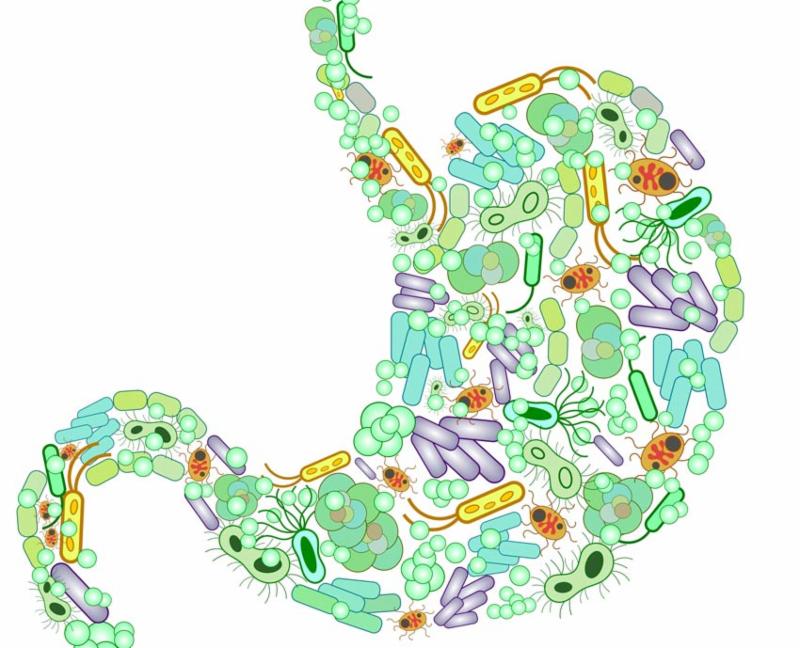
The human body contains trillions of bacteria and microbes that can be found all over. These bacteria play important roles in helping us digest food and absorb nutrients. In some cases, the body can produce too much bacteria which can lead to unpleasant symptoms. An example of this is called Small intestinal bacterial overgrowth (SIBO) where high concentrations of colonic bacteria are found in the small intestine.
Click the button below to watch a short presentation by Dr. Darren Brenner to learn more about SIBO.
|
|
When suffering from IBS, getting through a regular day can be a difficult task. Add in complicated family dynamics and obligations, extra servings of food, and the stress of holiday travel and you have the perfect recipe for flare-up.
The holiday season can be a time for fun, traditions, and reconnecting with family, but it can also be a time of anxiety. There are a few different healthy thinking methods and self-care tips that can make this holiday season less stressful.
Click the button below to learn more about them.
|
|
Clinical trials and research studies help to improve our understanding of the underlying mechanisms of diseases and advance the development of new and better treatment options. By participating in a study, you can help further the advancement of research and learn more about your condition.
Here are 3 studies currently recruiting participants:
|
|
A Study of Surgical Interventions in Fistulizing Conditions |
|
Omalizumab as Monotherapy and as Adjunct Therapy to Multi-Allergen OIT in Food Allergic Participants (OUtMATCH) |
|
Minimally Invasive Surgery of the Gastro-esophageal Junction (MISGEJ) |
|
Justin Brandler, MD, is a gastroenterologist specializing in neurogastroenterology and motility at Virginia Mason Franciscan Health in Seattle, Washington. As Medical Director for the Integrated Neurogastroenterology Program, he forges strategic partnerships across multiple disciplines including nutrition, integrative medicine, psychology, psychiatry, spiritual care, allergy/immunology, urogynecology, and colorectal surgery. Embracing the “Team Medicine” culture at Virginia Mason Franciscan Health, he and his team of exceptional, advanced practitioners, pharmacists, nurses, and medical assistants integrate these resources into a personalized and holistic patient care experience. |
|
|
He graduated from the University of Washington School of Medicine and Internal Medicine Residency at Mayo Clinic, Rochester. Afterward, he completed a research fellowship in neurogastroenterology and motility under the mentorship of Dr. Michael Camilleri. He completed a gastroenterology fellowship and served as co-chief fellow at University of Michigan under the mentorship of Dr. William Chey.
Dr. Brandler’s personal and professional mission is to honor his sacred role as physician healer and teacher for his patients. Grounded in academic medicine, educational neuroscience, and evidence-based empathy skills, he has developed a robust productivity toolkit for empowering providers to deliver efficient and compassionate care. He partners with patients to form comprehensive yet feasible management plans personalized to their unique concerns and goals.
Using these tools, he seeks to transform the patient care experience for patients with stigmatized illnesses such as irritable bowel syndrome (IBS). He strives to inspire the next generation of neurogastroenterologists to serve these patients and demonstrate that we can make a meaningful impact in patients’ lives while thriving personally and professionally.
Other areas of expertise include functional dyspepsia, gastroparesis, functional diarrhea/constipation, and pelvic floor disorders including fecal incontinence. His research has been published in peer-reviewed journals such as The American Journal of Gastroenterology and Clinical Gastroenterology & Hepatology. He has both regional and national partnerships with organizations such as the Rome Foundation and the International Foundation for GI Disorders. His work to personally understand the patient experience through the Twitter #GIEmpathyInitiative was featured in the national American College of Gastroenterology Magazine and was awarded a Social Media Acumen Award.
|
|
IFFGD is a nonprofit organization. We rely on donor support to fund research and to provide reliable information and support to those affected by chronic gastrointestinal disorders.
|
|
|
|
|
|
|