Visit
www.asippannualmeeting.com
for more details. We will update this site frequently with new information as it becomes available.
Visit this site for information on our refund policy.
|
|
ASIPP WEBINAR-BASED VIRTUAL EDUCATION
Registration Now Open
|
|
We are pleased to announce a series of online webinar review courses to fulfill your board review and credentialing needs. Schedules soon to follow.
Click on the Course below to access registration page.
(Note* This course takes place over two weekends (Friday evening through Sunday) in order to fulfill the necessary topics)
|
|
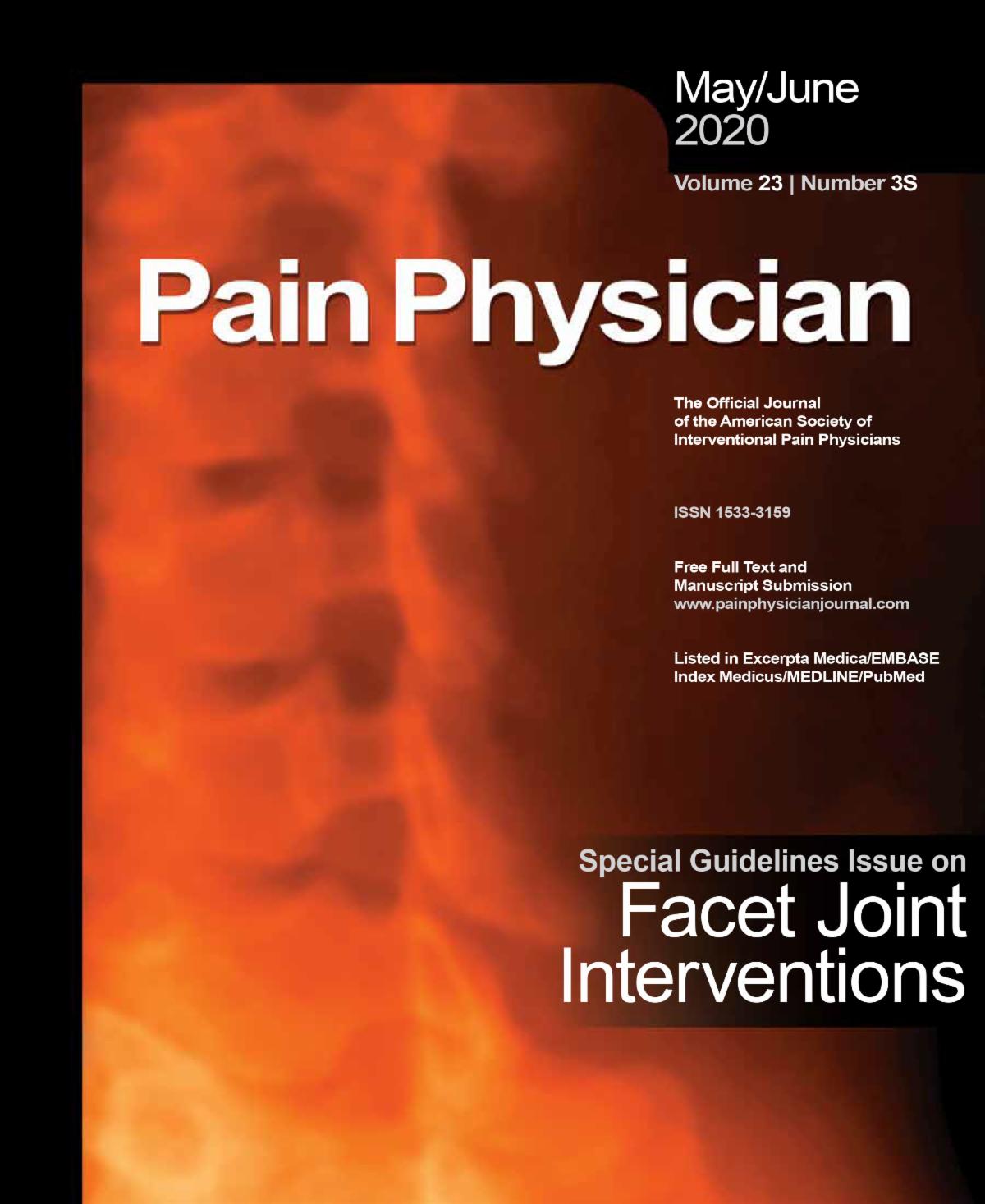
ASIPP Issues Facet Joint Intervention Guidelines 2020 Issue
|
|
|
Comprehensive Evidence-Based Guidelines for Facet Joint Interventions in the Management of Chronic Spinal Pain: American Society of Interventional Pain Physicians (ASIPP) Guidelines
Facet Joint Interventions 2020 Guidelines
BACKGROUND: Chronic axial spinal pain is one of the major causes of significant disability and health care costs, with facet joints as one of the proven causes of pain.
OBJECTIVE: To provide evidence-based guidance in performing diagnostic and therapeutic facet joint interventions.
METHODS: The methodology utilized included the development of objectives and key questions with utilization of trustworthy standards. The literature pertaining to all aspects of facet joint interventions, was reviewed, with a best evidence synthesis of available literature and utilizing grading for recommendations.
|
|
TELEHEALTH EXPANSION DURING CORONAVIRUS PANDEMIC CHANGING PHYSICIAN-PATIENT RELATIONSHIP
|
|
KEY TAKEAWAYS
- To establish relationships with new patients or patients who have a history of infrequent visits, physician practices should have a proactive communication strategy.
- From a business perspective, the major impact of virtual visits has been on reimbursement.
- Physician practices should have a telemedicine strategy that accounts for patients who do not have adequate Internet access for video visits such as providing services via phone calls.
The dramatic growth of
telemedicine
during the coronavirus disease 2019 (COVID-19) pandemic is having a significant impact on the physician-patient relationship.
In March, when the pandemic took hold in the United States,
telehealth visits increased
50%, according to Frost and Sullivan. With in-person medical visits associated with the risk of coronavirus infection, virtual visits emerged as a safe and effective way for patients to meet with their doctors in many circumstances.
|
|
VIEW ARCHIVED WEBINARS
ASIPP COVID-19 FOR INTERVENTIONAL PAIN PHYSICIANS WEBINAR SERIES – PART 6
ASIPP COVID-19 FOR INTERVENTIONAL PAIN PHYSICIANS WEBINAR SERIES – PART 5
ASIPP COVID-19 FOR INTERVENTIONAL PAIN PHYSICIANS WEBINAR SERIES – PART 4
ASIPP COVID-19 FOR INTERVENTIONAL PAIN PHYSICIANS WEBINAR SERIES – PART 3
Surviving the COVID-19 Epidemic: Protecting Family and Employees and Managing Financial Issues and Burnout – PART 2
Surviving the Coronavirus Pandemic: Practical Advice Every Pain Physician Needs to Know – PART 1
|
|
ABIPP Recognizes Your Knowledge and Expertise
The
American Board of Interventional Pain Physicians
(
ABIPP
)
has developed certification programs that recognize accepted levels of knowledge and expertise in the interventional pain management profession, with the goal of improved patient care. Hundreds of qualified physicians have made the commitment to become
ABIPP
certified.
ABIPP
now offers the only competency
certification program for regenerative medicine.
|
|
DATES
ABIPP Part I
- Theoretical written exam - October 3
ABIPP Part II
- Oral and Hands-on practical exam - October 3-4
ABIPP Competency Exam
- includes written, oral, and hands-on practical examinations October 3-4
Combined CSM/CCPM Exam for ABIPP Path
– October 3
Competency Exam in Controlled Substance Management
– October 3
Competency Exam in Coding, Compliance, and Practice Management
- October 3
Regenerative Medicine Competency Exam
- includes written, oral, and hands-on practical examinations – October 3-4
|
|
|
For complete information about the examination requirements and to obtain an application packet, visit
www.abipp.org
or call 270-554-9412 x4217 or by email at
summer@asipp.org
.
|
|
Hospitals and healthcare workers struggle to keep up with the demand as the new coronavirus (COVID-19) spreads across the U.S. and throughout the world.
Hundreds of millions of people are social distancing, quarantining, and sheltering in place to slow down the spread of the virus. The stock market is plunging and the global economy is heading into a recession because of the virus and because of the measures we are enforcing to stop it. Schools are closed. Restaurants, bars, and gyms are closed in many areas of the country. Major sports events, concerts and shows have been cancelled. Perhaps our greatest asset in this fight against the new coronavirus-- healthcare workers-- are becoming infected on the front lines. In the midst of this crisis, Doctor Devi explains what you need to know in a concise and easy-to-understand Question and Answer format.
Dr. Devi Nampiaparampil
, a Harvard-trained doctor and a professor at NYU School of Medicine, breaks down the issues in this clear and compassionate handbook. What makes this virus so dangerous? How can I protect myself and my family? How did this happen?
|
|
CMS EXPANDS TELEHEALTH FOR MEDICARE ADVANTAGE PLANS
|
|
Today, the Centers for Medicare & Medicaid Services (CMS) announced that CMS is encouraging Medicare Advantage plans to increase telehealth benefit and plan options for beneficiaries in rural areas. See
CMS Press Release
While the rule specifically does not include interventional pain management or pain medicine, it gives flexibility to count telehealth providers in some specialty areas, including dermatology, psychiatry, cardiology, ophthalmology, nephrology, primary care, gynecology, endocrinology, and infectious disease, toward meeting CMS network adequacy standards.
As you know, ASIPP, Community Oncology Alliance (COA), and multiple other organizations have been advocating for Medicare Advantage plans to extend telehealth services with multiple communications. See ASIPP letter to
CMS
and
HHS
|
|
House Passes Bill Loosening Rules on PPP Small-Business Loans
|
|
In separate development, Treasury and SBA set aside $10 billion for community lenders
WASHINGTON—The House approved a bipartisan bill that would loosen requirements on hundreds of billions of dollars in small-business loans, responding to concerns from employers struggling to stay open during the coronavirus pandemic.
The House bill reduces the level of Paycheck Protection Program funds that must be used for payroll to 60% from 75%. The bill also gives borrowers up to 24 weeks to use the funds, up from the eight set in the initial bill passed in March, and extends the deadline to rehire workers to Dec. 31.
The bill passed 417-1, with many of the Democratic votes read into the record
by their assigned proxy
, taking advantage of a rule change this week that allows remote voting for the first time. Republicans have rejected proxy voting and have filed a lawsuit to block the practice.
The Senate has been working on a similar plan to amend the program, but it isn’t known if senators will vote on the House bill when they return to Washington next week, or if the two chambers will hash out a compromise bill. The PPP changes are one area of bipartisan cooperation on Capitol Hill, amid deep divisions over unemployment benefits, state aid, liability shields for businesses and other issues in the next round of talks.
|
|
Asthma, COPD Medication Adherence Up During Pandemic
|
|
HealthDay News – Medication adherence for asthma and chronic obstructive pulmonary disease (COPD) has increased during the COVID-19 pandemic, according to a study published online May 3 in the
Journal of Allergy and Clinical Immunology: In Practice
.
Leanne Kaye, PhD, from ResMed in San Francisco, and colleagues analyzed adherence to controller inhaler use for 7578 patients (77% asthma; 67% female; median age, 40.0 years) for the first seven days of January 2020 compared with the last seven days of March 2020. Data were collected from electronic medication monitors using the digital platform Propeller Health
.
When adjusting for age, the researchers found no clinically meaningful differences in adherence for patients with asthma or COPD. During the last week of March, more than 53% of patients achieved ≥75% adherence to controller medications, a 14.9% increase from the first week of January. Previously reported changes in adherence by month have been noted.
|
|
Even at the Clinic, COVID-19 Could Be in the Air
|
|
— Study finds airborne aerosols in simulated clinical setting from talking
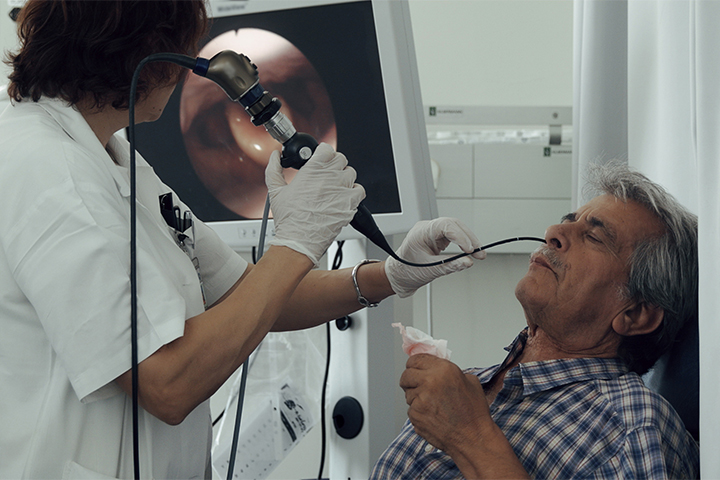
Airborne aerosols were generated during speech, sneezing, and during nasal endoscopy procedures in an otolaryngology clinic, reinforcing the importance of universal source control during the COVID-19 epidemic, researchers found.
|
|
We are currently looking for reviewers for Pain Physician
We would like to take this opportunity to ask if you would be interested in a position as a Reviewer on the Editorial Board for Pain Physician or if you have a recommendation for someone who might be interested.
Editorial Board responsibilities are as follows:
- Review a minimum of 6 manuscripts per year.
- Failure to review 2 manuscripts consecutively or 60% of the manuscripts sent will disqualify one from Editorial Board Membership.
|
|
For more information or to submit your letter of interest, please e-mail:
|
|
ASIPP
®
Partners with Fedora Billing And Revenue Cycle
Management Company
|
|
After long discussions, in addition to our NorCal liability program for
ASIPP
®
members, now we are able to offer unique benefits for revenue cycle management with billing, etc.
Fedora
is a company known to many of our board members and others.
ASIPP
®
has reached an agreement with Fedora to provide exclusive discounts on billing or revenue cycle management that will decrease practice costs and promote growth, or at least stop deterioration. It is not just a billing company; they streamline the billing and receivable process and constantly update payor regulations keeping your practice up to on date on a daily basis.
Some of the
ASIPP
®
Billing Program highlights are below:
Up to 50% savings for
ASIPP
®
members for their billing or revenue cycle management for their offices and surgery centers:
- Expertise in interventional pain management billing for all types of services
- 99% Clearing House Rate
- 95% First-Time Claim Passage
- 23.4 Average Days in A/R
- Eligibility and Benefits Verification
- Pre-Certification/Prior Authorization
- Denials and A/R Management
|
|
Join The Group Purchasing Organization Today
|
|
ASIPP
®
has formed a partnership with
Henry Schein
and
PedsPal
, a national GPO that has a successful history of negotiating better prices on medical supplies and creating value added services for the independent physician. Working with MedAssets, PedsPal provides excellent pricing on products like contrast media that alleviate some of the financial pressures you experience today. While the cost of contrast media has skyrocketed due to the single dose vial issue, because we have partnered with Henry Schein, this could enable you to purchase Omnipaque 240mg/50mL for slightly above $4.50.
It will be easy for
ASIPP
®
members in good standing to enroll today and begin to realize the savings this partnership can bring. Members can join or see sample prices by going to
http://pedspal.org/asipp/default.html
Click on “view our discounted supplier prices” (Username:ASIPPmember and Password: Save) or click on the words "join for free now" and begin saving today!
|
|
Gamma Irradiation for N95 Reuse: Not That Great
|
|
—
Masks still fit OK, but other vital parameters negatively affected in small study
N95 respirators that underwent gamma irradiation to sterilize them were still able to pass the fit test, but their filtration efficiency seemed to degrade, a lab study found.
|
|
Minimizing COVID-19 Exposures at Medical Practices: CDC Recommendations
|
|
Summary of Changes to the Guidance
Below are changes to the guidance as of May 18, 2020:
Key Concepts in This Guidance
o
Reduce facility risk. Cancel elective procedures, use telemedicine when possible, limit points of entry and manage visitors, screen everyone entering the facility for COVID-19 symptoms, implement source control for everyone entering the facility, regardless of symptoms.
o
Isolate symptomatic patients as soon as possible. Set up separate, well-ventilated triage areas, place patients with suspected or confirmed COVID-19 in private rooms with the door closed and with private bathrooms (as possible). Reserve AIIRs for patients with COVID-19 undergoing aerosol generating procedures and for care of patients with pathogens transmitted by the airborne route (e.g., tuberculosis, measles, varicella).
o
Protect healthcare personnel. Emphasize hand hygiene, install barriers to limit contact with patients at triage, cohort patients with COVID-19, limit the numbers of staff providing their care, prioritize respirators for aerosol generating procedures.
|
|
Evidence Supporting Use of Compounded Topical Pain Creams Limited
|
|
D
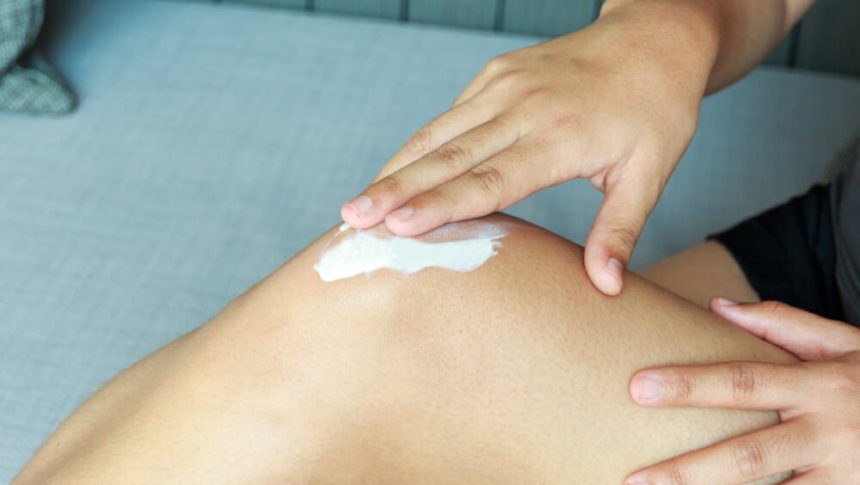
ue to the lack of evidence on the safety or effectiveness of the ingredients used in compounded topical pain cream products, caution should be exercised when prescribing or dispensing these preparations, according to a consensus study report of the National Academies of Sciences, Engineering, and Medicine (NASEM).
To get a better understanding of which ingredients are supported by scientific evidence and which may be associated with significant safety concerns, the FDA requested that the NASEM analyze available data to evaluate the safety and effectiveness of compounded
topical pain creams
.
According to the report, the majority of these products contain multiple active pharmaceutical ingredients (APIs). Although at least 1 ingredient in these preparations is typically found in a topical pain cream that has been approved by the Food and Drug Administration (FDA), other ingredients included in these products may have only been approved for non-topical administration or non-pain-related indications.
|
|
Essentials of Regenerative Medicine in Interventional
Pain Management
|
|
|
|
Essentials of Regenerative Medicine in Interventional Pain Management is a book to bring concise, collective, and comprehensive information to interventional pain physicians practicing regenerative medicine in managing chronic pain. Regenerative medicine is an integral part of interventional pain management within the definitions of interventional pain management and interventional techniques.
Each chapter contains an introduction of the subject, historical context,pathophysiology, applicability of regenerative medicine with its evidence base, indications, anatomy, technical aspects, complications, and precautions for each topic when available and applicable. This comprehensive book consists of 35 chapters, more than 350 figures, and 50 tables.
|
|
|
ORDER
|
Essentials of Regenerative Medicine in IPM
|
|
Control Your Waiting Room TV
Customized waiting room TV exclusively for
ASIPP
®
members. Create your own ad-free television broadcasts using our videos, custom informational slides and your own YouTube videos. Even add local weather reports, news and live messages.
|
|
|
|
|
OH
/
KY
ANNUAL MEETING 2020
SOCIETIES OF INTERVENTIIONAL PAIN PHYSICIAN
AUGUST 21-23 | WESTIN CINCINNATI
|
|
|
|
|
GSIPP 16th Annual Pain Summit
|
|
The Ritz-Carlton Reynolds Plantation
Lake Oconee
|
|
|
|
|
|
|
FSIPP/FSPM
Annual Meeting
|
|
|
|
|
|
|
|
2020 12th Annual Scientific
Meeting
|
|
|
|
|
|
|
|
|
|