Government seeks to recoup more than 2 years of payments for unproven treatments
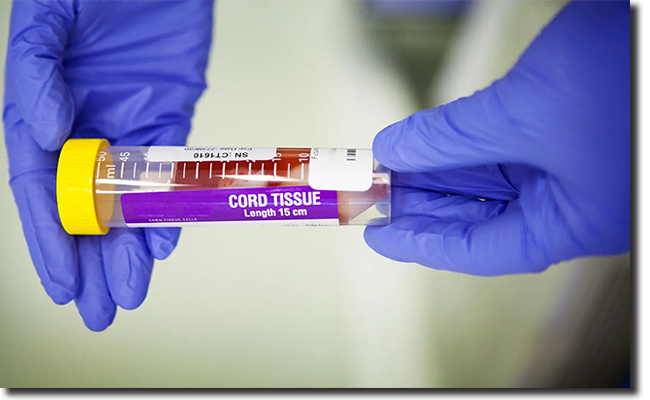
Medicare is clawing back money it paid doctors for dubious birth tissue injections -- a move that likely could put some clinics out of business, an orthopedic surgeon told MedPage Today.
In late February, seven U.S. regional Medicare Administrative Contractors (MACs) announced that they will seek to recover losses from claims going back more than 2 years, for shots that cost some $2,000 apiece. For clinics that injected patients in multiple joints with at least two doses per joint, that could total thousands of dollars per day.
"Any claims processed and paid for dates of service on or after Dec. 6, 2019 will be adjusted and payment will be recouped," stated the announcement from WPS Government Health Administrators, which covers the Midwest region. "Impacted providers will receive an overpayment demand letter identifying the amount of overpayment."
|
|
|
|
ASIPP 24th Annual Meeting
May 5-7, 2022 | Las Vegas, Nevada
|
|
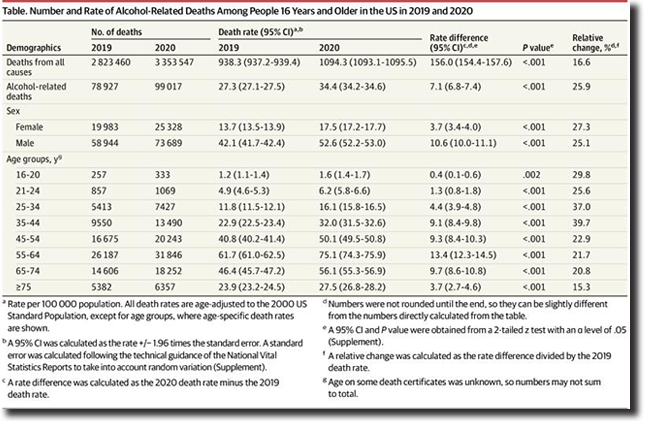
The number of Americans who died from alcohol-related causes increased dramatically during the first year of the pandemic, according to a new study published in the Journal of the American Medical Association.
Alcohol-related deaths rose above 99,000 in 2020 — a 25% increase from the nearly 79,000 deaths documented in 2019. That compares with an average annual increase of 3.6% between 1999 and 2019. Deaths began increasing in recent years, but only by 5% between 2018 and 2019.
Researchers have pointed to several factors, including an increase in drinking to cope with stress, higher rates of binge drinking, more emergency room visits for alcohol withdrawal, and delays in treatment.
|
|
NEXT EXAM DATES:
Part I
Saturday, April 2 & Saturday, May 28
Part II
Friday, July 15 & Friday, September 23
|
|
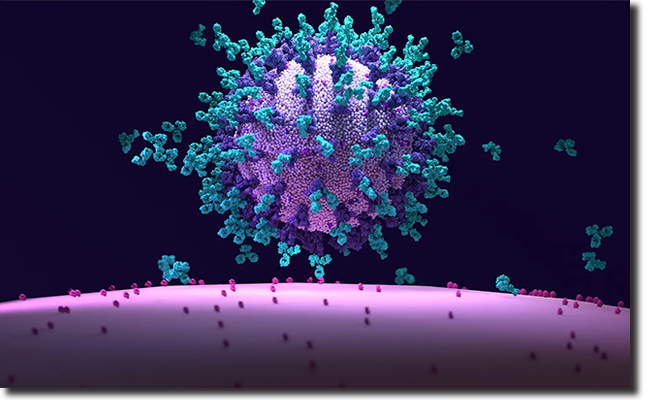
When it comes to vaccine efficacy, it's important to distinguish "efficacy against what?"
As the U.S. experiences a dip in COVID-19 cases and mask mandates are being lifted, some have voiced concerns about waning immunity from prior infection or vaccination.
How worried should Americans be?
That depends, experts say. There are still individual risk assessments at play, and many questions are yet to be answered.
"In the context of the general population [individuals who are relatively healthy], I think waning immunity is not something we all need to be concerned about," Jesse Erasmus, PhD, of the University of Washington School of Medicine in Seattle, told MedPage Today.
|
|
Study found significantly more new diabetes cases in individuals testing positive
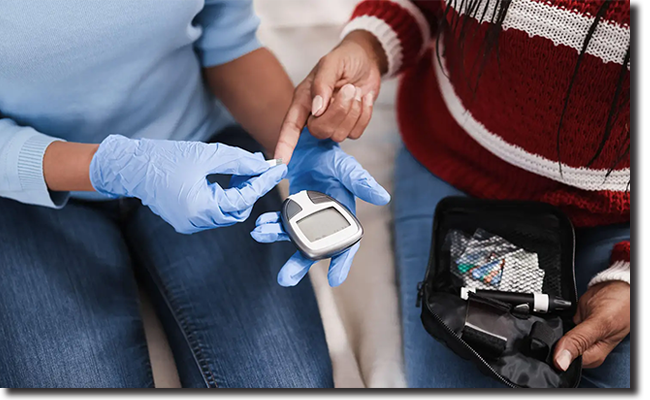
People with COVID-19 were more likely to be diagnosed with diabetes in the year following their infection, according to a cohort study using national Department of Veterans Affairs databases.
Among 181,280 veterans who tested positive for COVID-19, there was a 40% higher risk for incident diabetes during the post-acute phase of the disease compared with a contemporary control group (HR 1.40, 95% CI 1.36-1.44), reported Yan Xie, MPH, and Ziyad Al-Aly, MD, both of the VA Saint Louis Health Care System in Saint Louis.
Over 12 months, there was also a significantly higher excess burden of new diabetes among those with a positive COVID test (13.46 excess cases of diabetes per 1,000 people, 95% CI 12.11-14.84), the researchers wrote in Lancet Diabetes & Endocrinology.
|
|
- ASIPP Members Only Site Information - |
|
-
To log in for the first time you will need to click “forgot password” at the bottom of the login window.
- Check your email and then log in as directed.
-
If you have problems logging into your account, click here.
|
|
Pain Medicine Case Reports (PMCR) and Editor-in-Chief Alaa Abd-Elsayed, MD, PhD would like to invite you to submit case reports and case series to the PMCR journal. Your article will be published free of charge.
Open access journals are freely available online for immediate worldwide open access to the full text of published articles. There is no subscription fee for open access journals. Open access journals are no different from traditional subscription-based journals: they undergo the same peer-review and quality control as any other scholarly journal.
Interested in becoming a member of the PMCR Editorial Board?
Editorial board members are asked to review 2-6 manuscripts per year. Please submit your most up-to-date CV to sgold@asipp.org for consideration.
For more information or to submit your articles, click here.
|
|
| CASE REPORT |
Roger Liu, DO, Marya Ghazzi, BS, Tomasz Chec, MD, Derek Ju, MD, Jeffrey Gehret, DO, Kristin Gustafson, DO, and Jeremy I. Simon, MD
Abstract
BACKGROUND: Minimally invasive lumbar decompression (MILD) is an interventional procedure for the treatment of patients with symptomatic lumbar spinal stenosis. Spinal cord injury after MILD has not yet been reported in literature.
CASE REPORT: We describe a case of a 95-year-old woman who underwent the MILD procedure at the L1-L2 level for symptomatic lumbar spinal stenosis. Following the procedure, the patient noticed lower extremity weakness and numbness, suprapubic numbness, groin pain, and urinary retention. Emergent magnetic resonance imaging of the lumbar spine exhibited new cord signal change at T12-L1. She subsequently underwent emergent L1-S1 decompression with gradual improvement of symptoms.
CONCLUSIONS: Direct trauma to the cord or increased pressure in a severely stenotic canal from injectate volume may have contributed to this patient’s injury. Consideration of the severity and location of stenosis is critical as these results may pose additional risk factors for injury with the MILD procedure.
KEY WORDS: MILD, spinal stenosis, spinal cord injury, interventional procedure
|
|
| PROSPECTIVE STUDY |
Wenting Hou, MD, Jing Zhong, MD, PhD, Xijun Yang, MD, Cheng Ni, MD, PhD, Meilin Weng, MD, Ling Chen, MD, Minzhi Lv, Ma, and Changhong Miao, MD, PhD
Abstract
Background: Lumpectomy is important for preventing malignant changes in benign tumors and diagnosing malignant tumors. Intercostal nerve blocks (ICNBs) are useful for breast lumpectomy as either the primary anesthetic or as an adjuvant anesthetic procedure. To our knowledge, no studies have evaluated the association between Horner syndrome and ICNB.
Objectives: This study aimed to explore the characteristics of and related risk factors for Horner syndrome after ICNB.
Study design: A prospective, nested case-control study.
Setting: Fudan University Shanghai Cancer Centre from April 2020 through July 2020.
Methods: Patients scheduled for breast lumpectomy under ICNB from April 2020 through July 2020 in our hospital were recruited. The ICNB was introduced at the intersection of the midaxillary line and the inferior border of the ribs, according to the location of the mass. Horner syndrome indicators were assessed one, 5, 10, 15, 30, 45, and 60 minutes and 3, 6, 12 and 24 hours after ICNB. Personal data (age, body mass index [BMI], ASA classes), data on anesthetic (the puncture points, dose of local anesthetics, duration of ICNB, Horner syndrome indicators, other complications) and data on postoperative recovery (postoperative activity time, postoperative feeding time) were recorded. Univariate and multivariate logistic regression was used to estimate adjusted odds ratios and 95% confidence intervals.
Results: Ipsilateral Horner syndrome was found in 35 of 998 (3.5%) patients. Ipsilateral miosis, the first symptom to appear and last to disappear, occurred within 4 minutes and lasted 45 minutes to 240 minutes after ICNB. Seven patients showed obvious ipsilateral facial flushing. Logistic multivariate regression analysis showed that independent risk factors for Horner syndrome after ICNB were age <= 45 years, body mass index <= 18.5 kg/m2, and the need for a second ICNB.
Limitations: Firstly, the patients in this study are all adult women, and the applicability of other populations is uncertain. Secondly, the flow trajectory of local anesthetics was not confirmed by imaging tracers.
Conclusions: ICNB via an anterolateral approach promoted enhanced recovery after breast lumpectomy. The incidence of Horner syndrome following ICNB for breast lumpectomy was 3.5%. Horner syndrome occurred on the ipsilateral side of the ICNB and was reversible. Younger age, lower BMI, and the need for a second ICNB were risk factors for Horner syndrome after ICNB.
Key words: Horner's syndrome, intercostal nerve block, breast lumpectomy, enhanced recovery.
|
|
| RETROSPECTIVE STUDY |
Rekib Sacaklidir, MD, Ekim Can Ozturk, MD, Savas Sencan, MD, and Osman Hakan Gunduz, MD
Abstract
Background: Although fluoroscopy-guided interventional therapies have declined in recent years, radiation exposure remains a critical issue for both patients and medical staff. Radiation exposure varies according to the physicians' experience, procedure time, patients' body mass index (BMI), imaging techniques, and the type of procedure performed.
Objective: The purpose of this study is to report procedure times and calculate the radiation doses for 4 different approaches of fluoroscopy-guided epidural injections per procedure and BMI to provide radiations doses for potential use in future dose reduction strategies.
Study design: Retrospective, observational study.
Setting: A university hospital, pain management center.
Methods: A retrospective evaluation was performed of patients who received epidural steroid injections between January 2015 and December 2020 in a university hospital interventional pain management center. This observational study was conducted with patients aged >= 18 who underwent 3,711 epidural injections including cervical interlaminar, lumbar interlaminar, lumbar transforaminal, and caudal approaches. If more than one level or bilateral injections were performed, total dose and times were divided by the number of sites injected to attain procedure time and mean dose per injection. Provided doses for each patient were also divided by patients' BMI to obtain dose per BMI.
Results: The highest radiation dose per procedure was found in caudal epidural injection with 0.218 mGy·m2, and the lowest dose was found in cervical interlaminar epidural injection with 0.057 mGy·m2. The radiation dose per procedure was 0.123 mGy·m2 for lumbar transforaminal and 0.191 mGy·m2 for lumbar interlaminar epidural injection. The shortest procedure time was determined in transforaminal (37.3 seconds) injections, and the longest was in lumbar interlaminar (46.7 seconds) injections. Caudal epidural injection also had the highest radiation dose per BMI which was 0.00749, and cervical interlaminar epidural injection had the lowest radiation dose per BMI, which was 0.00214.
Limitations: Firstly, injections were performed by first- or second-year fellows in pain medicine. Moreover, patient-related factors (previous surgery, scoliosis, etc.) affecting radiation exposure were ignored.
Conclusions: Radiation dose levels and procedure times of 4 approaches of epidural injections were obtained from 3,711 procedures performed in a university hospital pain medicine clinic. BMI of patients was taken into account with the dose levels of injections given per BMI. Multicenter research with standardized techniques will assure more reliable reference levels, which will guide pain physicians to self-assess their own levels of radiation exposure.
Keywords: device safety; epidural injections; fluoroscopy; prevention; radiation; radiation exposure; Spine.
|
|
Since this malpractice insurance program officially launched in November 2018, ASIPP has signed up hundreds of providers with an average savings of 30%. This is professional liability insurance tailored to our specialty and will stand up for us and defend our practices.
Norcal Mutual is A-Rated by AM best and is licensed in all 50 states. To read a few important points to keep in mind about the program, including discounts, administrative defense, cyber coverage, aggressive claims handling, and complimentary award-winning risk management CME activities, click here.
|
|
ASIPP® has formed a partnership with Henry Schein and PedsPal, a national GPO that has a successful history of negotiating better prices on medical supplies and creating value-added services for independent physicians. Working with MedAssets, PedsPal provides excellent pricing on products like contrast media that alleviate some of the financial pressures you experience today.
|
|
ASIPP® is now offering our members the benefit of a unique revenue cycle management/ billing service.
We have received a tremendous amount of interest in the ASIPP® billing and coding program.
Click here to learn more about the negotiated rate for practices and more!
|
|
|
up-to-date news related to you, your practice, and your patients!
|
|
|
|
|
|
|