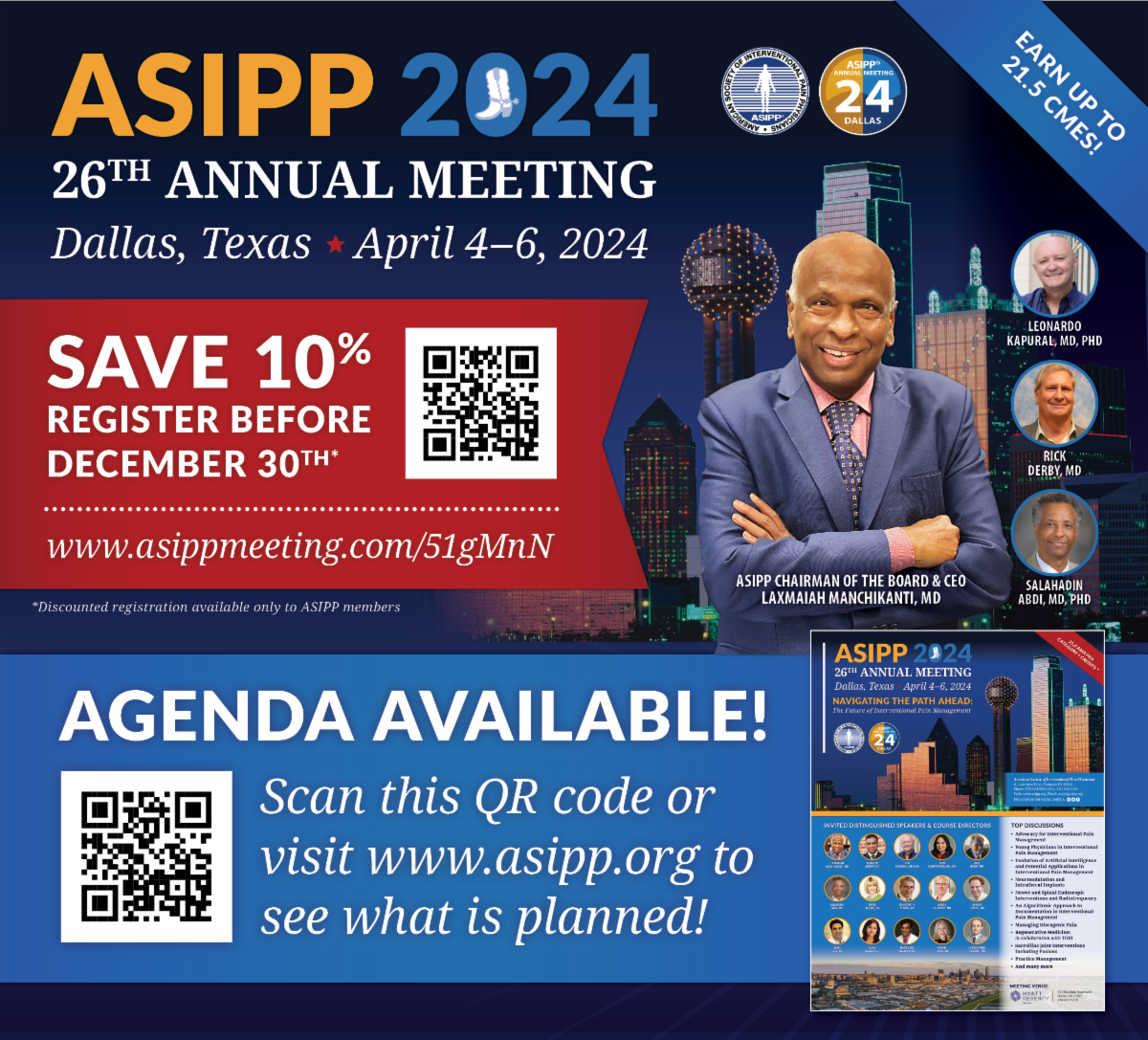
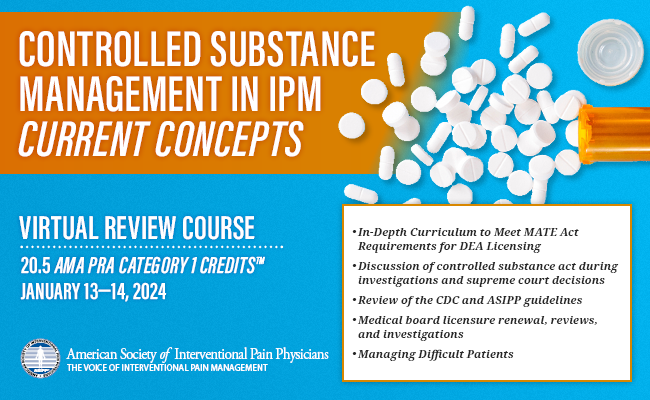
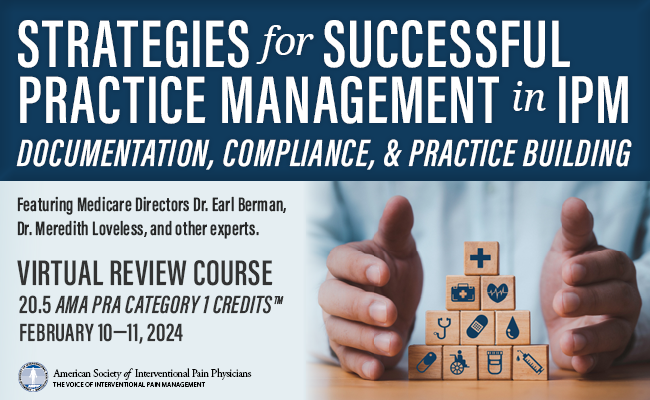
Early Bird Registration Ends Soon
Register before December 30th for 10% off!
| | |
|  |
|
|
With a new Covid-19 variant on the rise, here’s how to stay safe this holiday season
As people across the country prepare for holiday celebrations, the US Centers for Disease Control and Prevention is urging anyone who hasn’t gotten the latest vaccines against respiratory viruses to do so now to avoid getting sick and spreading illness.
For the first time, there are vaccines available to protect against Covid-19, influenza and respiratory syncytial virus, known as RSV.
But there is an “urgent need” to boost vaccination coverage amid increasing levels of respiratory disease, the CDC said in an official health advisory last week. Vaccination rates in children and adults remain low as virus activity increases.
Dr. Peter Hotez, co-director of the Texas Children’s Hospital Center for Vaccine Development and dean of the National School of Tropical Medicine at Baylor College of Medicine, says he shares the CDC’s sentiments specifically concerning Covid-19.
Read More
| |
|
FDA warning and Matthew Perry’s death darken ketamine’s glow
Federal health authorities are intensifying their scrutiny of the drug ketamine for treating mental health disorders, as the mind-altering compound grows in popularity despite the lack of regulatory approval for such use.
The Food and Drug Administration warned in October about the risks of using pharmacy-made ketamine at home, citing the case of one patient whose breathing slowed to a dangerous level after taking a large dose outside of a health-care facility. Then the autopsy of actor Matthew Perry, released Dec. 15, concluded a high dose of ketamine led to his death in October — an event that, while rare, drove home the dark side of the anesthetic that can also be abused recreationally.
These knocks come as the Drug Enforcement Administration continues to craft a rule that would set new limits on how health-care professionals can use telemedicine to prescribe tightly regulated drugs like ketamine.
Read More
| | |
| |
|
|
Virtual
January 20, 2024
ABIPP Part I; ABIPP Path - Combined DCCPM/CSM virtual exam;
ABIPP Competency Exam in IPM; ABIPP Competency Exam in Regenerative Medicine;
Controlled Substance Management (CSM) Competency Exam
February 17, 2024
ABIPP Part I; ABIPP Path - Combined DCCPM/CSM virtual exam;
ABIPP Competency Exam in IPM; ABIPP Competency Exam in Regenerative Medicine;
CSM Competency Exam; DCCPM Competency Exam
In Person
October 18, 2024
ABIPP Part II - Practical Examination
Lab Venue: MERI, 44 S. Cleveland Street, Memphis, TN 38104
| |
|
Is Ambient Dictation The Future Of Clinical Documentation?
Documentation is one of the most cumbersome aspects of practicing medicine. A survey published in the Journal of Graduate Medical Education which elicited responses from 1500+ medical professionals across 24 specialties indicated that nearly 92% of them believed documentation obligations were onerous and excessive, and 73% shared that documentation burdens had a net negative impact on patient care.
The actual need for documentation is relatively uncontested; the digitization of medical records has made the overall healthcare delivery ecosystem and process better. Though many problems still exist with data interoperability across electronic medical record (EMR) systems, as an overarching principal, digital records are easier to transmit and share than the paper records of decades past. However, the process of documentation has become incredibly cumbersome; many clinicians and staff emphasize that documentation is one of the hardest aspects of patient care, and cite it as one of the main causes of burnout.
In a study published in The Journal of the American Medical Association (JAMA) Internal Medicine, it was found that among 1500+ respondents, 58% disagreed that the time spent documenting was appropriate and did not reduce time spent with patients. Additionally, the study also found that physicians were spending nearly 1.77 hours outside of office hours to complete documentation.
Read More
| |
|
10% of US Physicians Work for or Under UnitedHealth. Is That a Problem?
UnitedHealth Group, the parent company of the nation's largest private insurer, UnitedHealthcare (UHC), is now affiliated with or employs approximately 10% of the US physician workforce, raising anti-trust and noncompete concerns as more payers and private equity firms pursue medical practice acquisitions.
The company added 20,000 physicians in the last year alone, including a previously physician-owned multispecialty group practice of 400 doctors in New York. They join the growing web of doctors — about 90,000 of the 950,000 active US physicians — working for the UnitedHealth Group subsidiary, Optum Health, providing primary, specialty, urgent, and surgical care. Amar Desai, MD, chief executive officer of Optum Health, shared the updated workforce numbers during the healthcare conglomerate's annual investor conference this week.
Healthcare mergers and consolidations have become more common as physician groups struggle to stay afloat amid dwindling payer reimbursements. Although private equity and health systems often acquire practices, payers like UHC are increasingly doing so as part of their model to advance value-based care.
Read More
| |
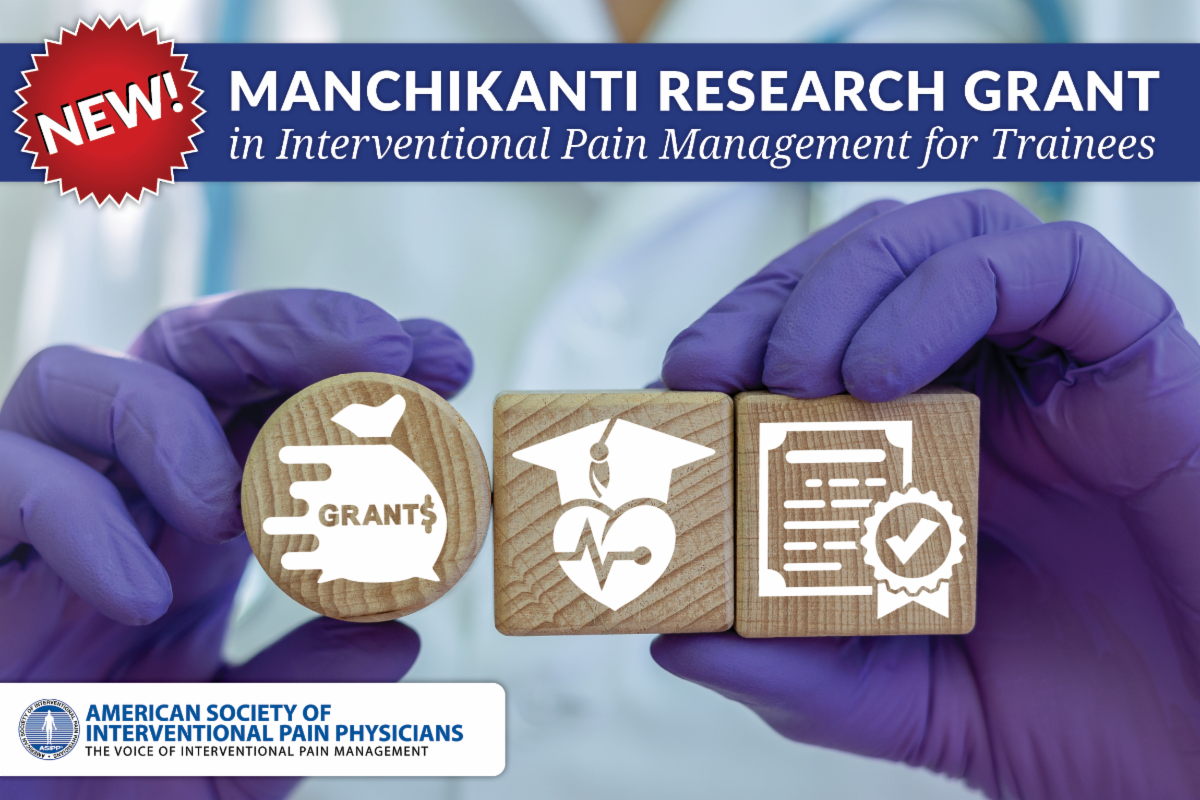 | |
Award Specifics:
- Annual Research Grant awarded to two (2) residents in the amount of $2,500 each; and two (2) fellows in the amount of $5,000 each for one-year project in IPM.
- Projects must be IRB approved, submitted or in pending status
- Mentor supervised by an ASIPP member in good standing.
- Must not overlap with current ongoing studies.
Application Requirements:
-
Applicant and mentor curriculum vitae (CV current, and updated within 4 weeks of the application date)
- Project proposal should include: title, abstract, specific aims, research approach (Background, Methods, Statistical Analysis, Timeline)
- Detailed budget
- Detailed mentorship plan by the mentor
- Specify the role of any collaborators/co-investigators that might be involved in the study.
- Applicant must be ASIPP member (in good standing) and Recipients must maintain ASIPP membership for at least 3 years post-award.
Application Deadline: January 31st, 2024
Recipients will be notified at ASIPP's 2024 Annual Meeting in Dallas, Texas.
Program Administration:
Inquiries about the Manchikanti Grant should be directed to: Melinda Martin
For more information, click here.
| |
|
Sleep Deprivation’s Toll on Emotions
Researchers examined over fifty years of research to highlight the profound impact of sleep loss on emotional well-being.
Analyzing data from 154 studies with 5,715 participants, the research team found that sleep deprivation leads to a decrease in positive emotions and an increase in anxiety symptoms. The study, which focused on various forms of sleep disruption, showed even short periods of sleep loss can significantly affect mood and emotional responses.
This extensive review underscores the critical importance of sleep for psychological health, especially in sleep-deprived societies.
Read More
| |
|
Nurse Practitioner Sentenced for $192M Medicare Fraud Scheme
A Florida woman was sentenced today to 20 years in prison for her role in a scheme to defraud Medicare by submitting over $192 million in claims for genetic tests and durable medical equipment that patients did not need and telemedicine visits that never occurred.
According to court documents and evidence presented at trial, Elizabeth Hernandez, 45, of Miami, signed thousands of orders for medically unnecessary orthotic braces and genetic testing for Medicare beneficiaries she never spoke to, examined, or treated. As part of the scheme, telemarketing companies would contact Medicare beneficiaries to convince them to accept orthotic braces and genetic tests and would then send pre-filled orders for these products to Hernandez, who signed them, attesting that she had examined or treated the patients. However, she had never spoken with many of the patients, and she often had others, including non-licensed individuals, sign her name to fraudulent orders. Hernandez also falsified information in the orders about beneficiaries’ symptoms and injuries.
During the period of the conspiracy, Hernandez ordered more cancer genetic tests for Medicare beneficiaries than any other provider in the nation. In 2020, when Medicare expanded its telemedicine coverage in response to the COVID-19 pandemic, Hernandez also billed Medicare for thousands of telemedicine visits she never performed, routinely billing over 24 hours of telemedicine in a single day. Hernandez personally pocketed approximately $1.6 million in the scheme, which she used to purchase expensive cars, jewelry, home renovations, and travel.
Read More
| |
|
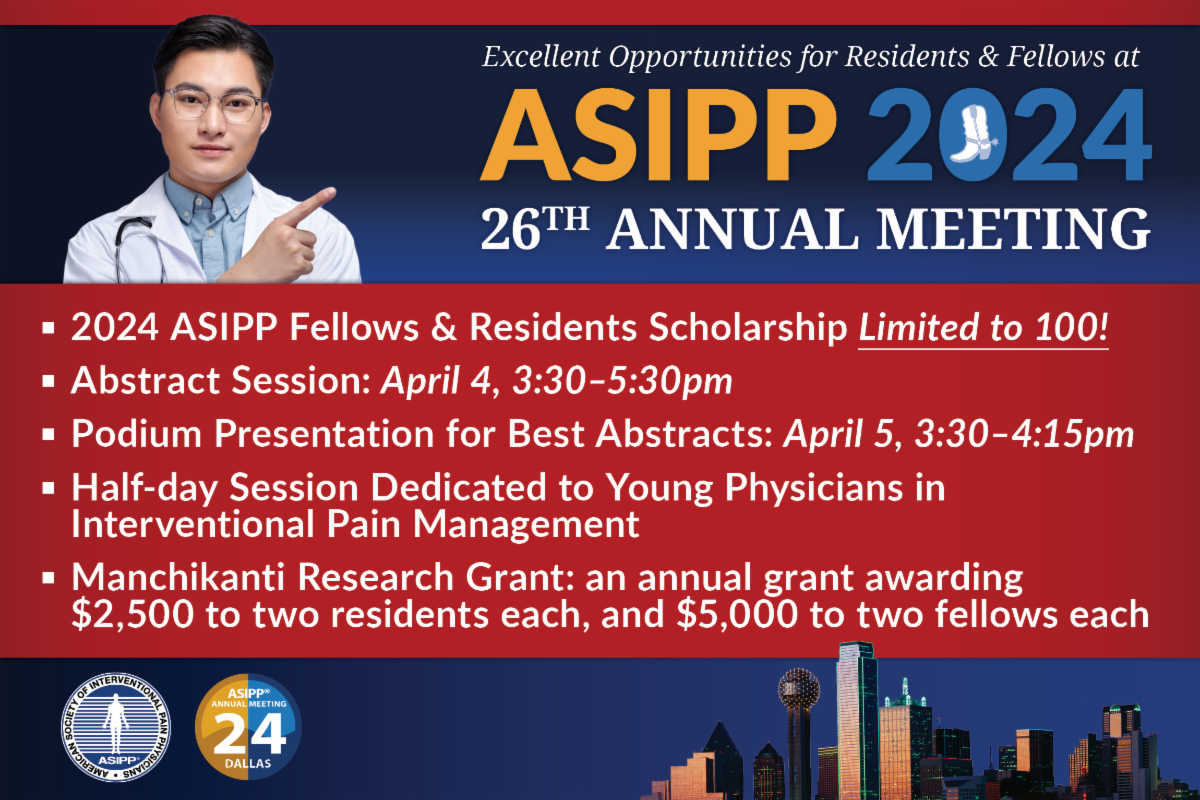
Excellent opportunities for Residents & Fellows
at ASIPP's 2024 Annual Meeting:
-
Resident & Fellow Scholarship — Limited to 100
- Abstract Session (April 4, 3:30–5:30pm) and Podium Presentation for Best Abstracts during General Session (April 5, 3:30–4:15pm)
- Half-Day Session dedicated to Young Physicians in Interventional Pain Management
-
Manchikanti Research Grant, awarding $2,500 to two residents each, and $5,000 to two fellows each
| |
|
Soin Neuroscience
Pain Relief Through Technology, Not Opioids
The opioid crisis in the United States is an on-going struggle for people’s lives and well-being. According to the Center for Disease Control and Prevention, more than one million people have died from a drug overdose since 1999. In 2021 alone, there were 106,699 drug overdose deaths reported. And the age-adjusted rate of overdose deaths increased by 14% from 2020 (28.3 per 100,000) to 2021 (32.4 per 100,000). With these sobering numbers as a backdrop, Soin Neuroscience, and its founder Dr. Amol Soin, are pioneering pain treatment methodologies that circumvent the reliance on opioids in the hope of achieving non-addictive pain relief solutions.
Dr. Soin is a practicing interventional pain physician based in Dayton, Ohio. He obtained his medical degree from the University of Akron, followed by an anesthesiology residency at Rush University, and pain management fellowship at the Cleveland Clinic. He also has an MBA from the University of Tennessee. In addition to his clinical career, he has also been involved with a number of startups in various advisory capacities.
Soin has a very clear vision and objective for his company: "We have invented two things to treat pain. One is a spinal cord stimulator that can get pain scores to 0 or near 0 in different patients by customizing the signal to what that individual person likes. The other is the 'gel patch,' a new type of pain patch that rubs on like a gel and dries clear."
Read More
| |
Abstract submissions are open for
ASIPP's 2024 Annual Meeting!
The submission deadline is January 22, 2024.
Don't miss your chance to be part of an exceptional event,
sharing insights and discoveries that shape the future of pain management.
| |
|
Women’s Tears Chemical Diminish Male Aggression
A new study reveals that women’s tears contain chemicals that significantly reduce aggression in men. The study, which builds on known effects in rodents, employed a two-person game designed to elicit aggressive behavior in men, who unknowingly sniffed either women’s tears or saline.
The results showed a dramatic 40% drop in aggressive behavior and a corresponding decrease in brain activity in aggression-related regions after exposure to the tears. This research not only confirms the presence of social chemosignaling in humans but also challenges the notion that emotional tears are a uniquely human trait.
Key Facts:
- Men exposed to women’s tears showed a 40% reduction in aggressive behavior.
- Brain imaging revealed decreased activity in aggression-related regions when men sniffed women’s tears.
- The study provides evidence of social chemosignaling affecting human aggression, similar to findings in animals.
Read More
| |
|
THC, CBD, and Anxiety: A review of recent findings on the anxiolytic and anxiogenic effects of cannabis' primary cannabinoids
Purpose of review
In the context of ongoing decriminalization and legalization of cannabis, a better understanding of how THC and CBD impact anxiety is critical to elucidate the risks of recreational cannabis use as well as to establish the therapeutic potential of cannabis products for anxiety-related applications.
Recent findings
Recent literature supports anxiogenic effects of THC administration, which may be attenuated among regular cannabis users. Data regarding anxiolytic effects of CBD administration are mixed. Most newer studies contradict earlier findings in reporting no effects of CBD on anxiety in healthy participants, whereas inconsistent results have been reported among individuals with anxiety disorders, substance use disorders, and other clinical populations.
Summary
Future research is needed to reconcile heterogenous findings, explore sex differences in the effects of THC and CBD on anxiety, as well as to assess how effects change with extended exposure, the impact of different CBD doses, and interactions between THC, CBD, and other cannabis compounds.
Read More
| |
|
Save $250 on Your TOBI Conference Registration
by Completing Our Quick Survey
| | |
|
|
TOBI is dedicated to providing the best possible experience for our conference attendees—we ask that you complete this 60-second survey for us to better understand your preferences.
Those who complete the survey will receive a $250 discount on their TOBI Conference registration as our thanks!
*Discount unavailable for fellows, residents, and medical students
| |
- ASIPP Members Only Site Information - | |
-
To log in for the first time you will need to click “forgot password” at the bottom of the login window.
- Check your email and then log in as directed.
-
If you have problems logging into your account, click here.
| |
Pain Medicine Case Reports (PMCR) and Editor-in-Chief Alaa Abd-Elsayed, MD, PhD would like to invite you to submit case reports and case series to the PMCR journal. Your article will be published free of charge.
Open access journals are freely available online for immediate worldwide open access to the full text of published articles. There is no subscription fee for open access journals. Open access journals are no different from traditional subscription-based journals: they undergo the same peer-review and quality control as any other scholarly journal.
Interested in becoming a member of the PMCR Editorial Board?
Editorial board members are asked to review 2-6 manuscripts per year. Please submit your most up-to-date CV to sgold@asipp.org for consideration.
For more information or to submit your articles, click here.
| |
|
| CASE REPORT |
Treatment of Synovial Cyst Stenosis With Radiofrequency Lesioning of the Posterior Facet Capsule – A Case Report of Two Patients
Scott M.W. Haufe, MD
Abstract
BACKGROUND: Zygapophyseal joint synovial cyst spinal stenosis can cause radicular pain issues that often require repetitive cystic rupture procedures or decompressive surgery for resolution.
CASE REPORT: We present 2 cases of lumbar spinal stenosis with radicular findings due to lumbar zygapophyseal synovial cyst impingement that were not improved with physical therapy, epidural steroid injections, synovial cyst injections, or transforaminal injections. Synovial cysts were 1 cm and 0.7 cm preprocedure, respectively, for these 2 patients. Both cases were treated with radiofrequency (RF) lesioning of the posterior facet capsule at 3 locations from medial to lateral along the facet joint line posteriorly at the affected spinal level with complete resolution of the radicular symptoms in both cases. Follow-up was 6 months and 10 years for the 2 patients.
CONCLUSIONS: RF lesioning of the synovial capsule may be an effective treatment for synovial cyst stenosis in lieu of conventional surgery or repetitive cyst rupture techniques.
KEY WORDS: Synovial cyst, stenosis, radiofrequency, zygapophyseal joint
Read More
| |
|
| EDITORIAL |
Grounding Guidelines in Ethics: Recommendations for Implementation in Practice
Megan Applewhite, MD, Monica A. Leyva, MS, and James Giordano, PhD
The ongoing opioid and COVID-19 crises have altered the current landscape and realities of treating chronic non-cancer pain. Reminiscence upon the proverbial war on pain fought against the backdrop of the war on drugs allows insight to the significant collateral damage produced on both sides of the proverbial battlefield (2). Employing this history as lessons learned, the Updated American Society of Interventional Pain Physicians (ASIPP) Guidelines presented herein are provided to inform evidence-based, safe, effective, and efficient care of patients suffering from chronic pain.
For the professed “pain physician”, there is a grounding obligation to use such information to understand the bio-psychosocial realities of patients’ experience(s) of pain – as symptom, disease, and manifest illness (3). As Sternbach has noted, pain can be regarded as one of a variety of entities, a multiplicity of concomitant entities, a relativistic entity based upon the perspective of observation and/or presentation, or some combination of each and all (4). The International Association for the Study of Pain (IASP) defines pain as both a physiological event and a psychological experience (5). This “embodied bio-phenomenology of pain” is the pain physician’s object of care. But it is the patient, as person-in-pain, that is the subject of their moral regard (6). Dual appreciation of pain as the object of technical focus, and the patient as the vulnerable subject of concern, is required for ethically prudent pain care. The instruments and methods of care are, and will be changing as a consequence of developing increasingly capable tools of observation, evaluation and intervention, which represent the exchangeable goods of pain medicine as a practice.
Read More
| |
|
| GUIDELINES |
Comprehensive, Evidence-Based, Consensus Guidelines for Prescription of Opioids for Chronic Non-Cancer Pain from the American Society of Interventional Pain Physicians (ASIPP)
Laxmaiah Manchikanti, MD, Adam M. Kaye, PharmD, Nebojsa Nick Knezevic, MD, PhD, James Giordano, PhD, Megan K. Applewhite, MD, Alexander Bautista, MD, Amol Soin, MD, Susan K. Blank, MD, Mahendra R. Sanapati, MD, Jay Karri, MD, Paul J. Christo, MD, Alaa Abd-Elsayed, MD, Alan D. Kaye, MD, PhD, Aaron Calodney, MD, Annu Navani, MD, Christopher G. Gharibo, MD, Michael Harned, MD, Mayank Gupta, MD, Mustafa Broachwala, DO, Nalini Sehgal, MD, Andrew Kaufman, MD, Bradley Wargo, DO, Daneshvari R. Solanki, MD, Eric S. Hsu, MD, Gerard Limerick, MD, PhD, Allen Dennis, MD, John R. Swicegood, MD, Konstantin Slavin, MD, Lee Snook, MD, Ramarao Pasupuleti, MD, Radomir Kosanovic, MD, Rafael Justiz, MD, Robert Barkin, MBA, PharmD, Sairam Atluri, MD, Shalini Shah, MD, Vidyasagar Pampati, MSc, Standiford Helm II, MD, Vahid Grami, MD, MPH, Vicki Myckowiak, Esq, Vincent Galan, MD, Vijay Singh, MD, Vivek Manocha, MD, and Joshua A. Hirsch, MD
Abstract
Background: Opioid prescribing in the United States is decreasing, however, the opioid epidemic is continuing at an uncontrollable rate. Available data show a significant number of opioid deaths, primarily associated with illicit fentanyl use. It is interesting to also note that the data show no clear correlation between opioid prescribing (either number of prescriptions or morphine milligram equivalent [MME] per capita), opioid hospitalizations, and deaths. Furthermore, the data suggest that the 2016 guidelines from the Centers for Disease Control and Prevention (CDC) have resulted in notable problems including increased hospitalizations and mental health disorders due to the lack of appropriate opioid prescribing as well as inaptly rapid tapering or weaning processes. Consequently, when examined in light of other policies and complications caused by COVID-19, a fourth wave of the opioid epidemic has been emerging.
Objectives: In light of this, we herein seek to provide guidance for the prescription of opioids for the management of chronic non-cancer pain. These clinical practice guidelines are based upon a systematic review of both clinical and epidemiological evidence and have been developed by a panel of multidisciplinary experts assessing the quality of the evidence and the strength of recommendations and offer a clear explanation of logical relationships between various care options and health outcomes.
Methods: The methods utilized included the development of objectives and key questions for the various facets of opioid prescribing practice. Also utilized were employment of trustworthy standards, and appropriate disclosures of conflicts of interest(s). The literature pertaining to opioid use, abuse, effectiveness, and adverse consequences was reviewed. The recommendations were developed after the appropriate review of text and questions by a panel of multidisciplinary subject matter experts, who tabulated comments, incorporated changes, and developed focal responses to questions posed. The multidisciplinary panel finalized 20 guideline recommendations for prescription of opioids for chronic non-cancer pain. Summary of the results showed over 90% agreement for the final 20 recommendations with strong consensus. The consensus guidelines included 4 sections specific to opioid therapy with 1) ten recommendations particular to initial steps of opioid therapy; 2) five recommendations for assessment of effectiveness of opioid therapy; 3) three recommendations regarding monitoring adherence and side effects; and 4) two general, final phase recommendations.
Limitations: There is a continued paucity of literature of long-term opioid therapy addressing chronic non-cancer pain. Further, significant biases exist in the preparation of guidelines, which has led to highly variable rules and regulations across various states.
Conclusion: These guidelines were developed based upon a comprehensive review of the literature, consensus among expert panelists, and in alignment with patient preferences, and shared decision-making so as to improve the long-term pain relief and function in patients with chronic non-cancer pain. Consequently, it was concluded - and herein recommended - that chronic opioid therapy should be provided in low doses with appropriate adherence monitoring and understanding of adverse events only to those patients with a proven medical necessity, and who exhibit stable improvement in both pain relief and activities of daily function, either independently or in conjunction with other modalities of treatments.
Keywords: adherence monitoring; controlled substances; dependency; diversion; drug testing; non-cancer pain; opioids; persistent pain; prescription drug abuse; prescription monitoring; substance abuse; Chronic pain.
DISCLAIMER: The guidelines presented are based upon the best available evidence, and do not constitute or represent inflexible treatment recommendations. This document is not intended to be regarded and/or used as a “standard of care.”
Read More
| |
|
ASIPP is now in collaboration with Curi Medical Liability Program
| |
|
Since this malpractice insurance program officially launched in November 2018, ASIPP has signed up hundreds of providers with an average savings of 30%. This is professional liability insurance tailored to our specialty and will stand up for us and defend our practices.
Curi is a full-service advisory firm that serves physicians and their practices. Their valued advice is grounded in your priorities and elevated in your outcomes. They are driven by a deep understanding of your specific circumstances in medicine, business, and life. To read a few important points to keep in mind about the program, including discounts, administrative defense, cyber coverage, aggressive claims handling, and complimentary risk management CME activities, visit our website.
| | |
|
Group Purchasing Organization Offer Better Pricing and Creates Added Value
ASIPP has formed a partnership with Henry Schein and PedsPal, a national GPO that has a successful history of negotiating better prices on medical supplies and creating value-added services for independent physicians. Working with MedAssets, PedsPal provides excellent pricing on products like contrast media that alleviate some of the financial pressures you experience today.
Learn More
| | |
|
ASIPP, Fedora Billing,
and Revenue Cycle Management Partnership
ASIPP is now offering our members the benefit of a unique revenue cycle management/ billing service.
We have received a tremendous amount of interest in the ASIPP® billing and coding program.
Click here to learn more about the negotiated rate for practices and more!
| |
|
Like and follow ASIPP® on Facebook, X, and LinkedIn for the most
up-to-date news related to you, your practice, and your patients!
| | | | |