THE BUSINESS NEWS OF FISHING.
|
|
Best on Tour will bring you a business perspective of the fishing industry to help keep you up to date. 2019 will be the biggest year pro fishing has ever seen!
|
|
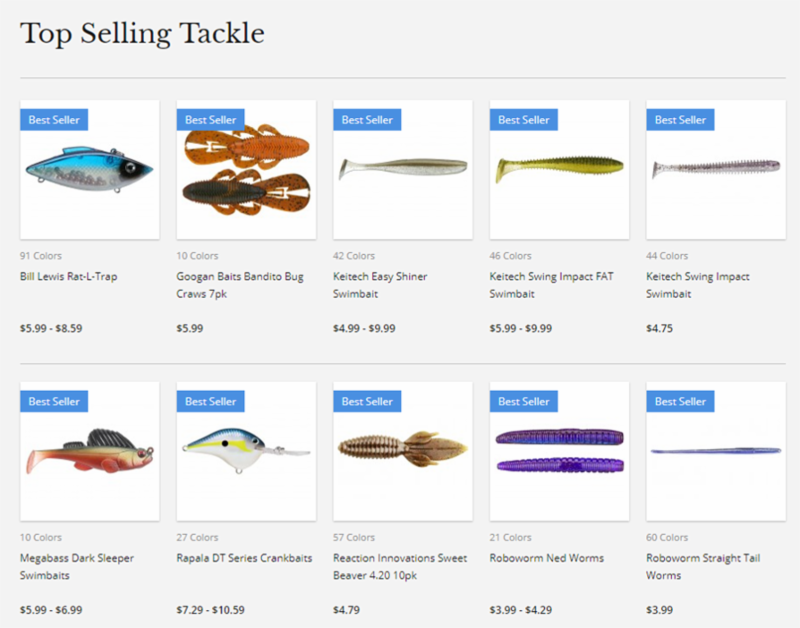
Top 10 Classic Lures compared to top 10 Tackle Warehouse Best Sellers
|
|
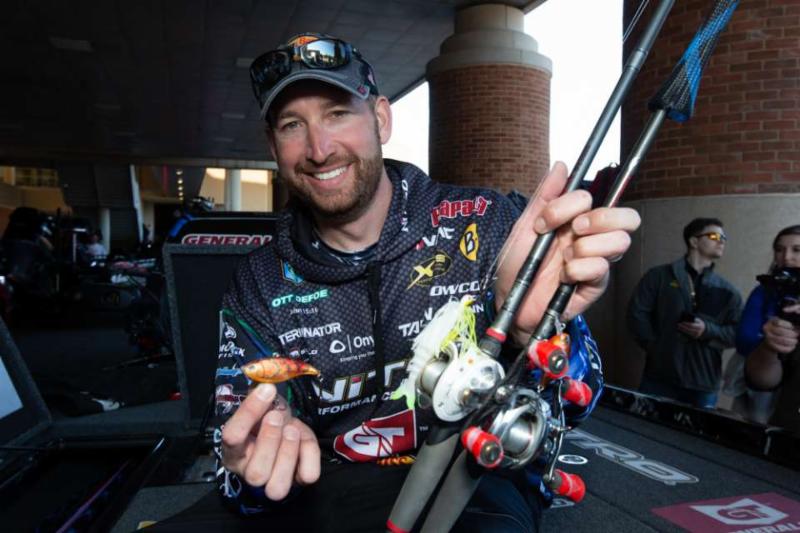
If you wanted to rig your boat electronics like Ott Defoe what would it cost?
|
|
|
|
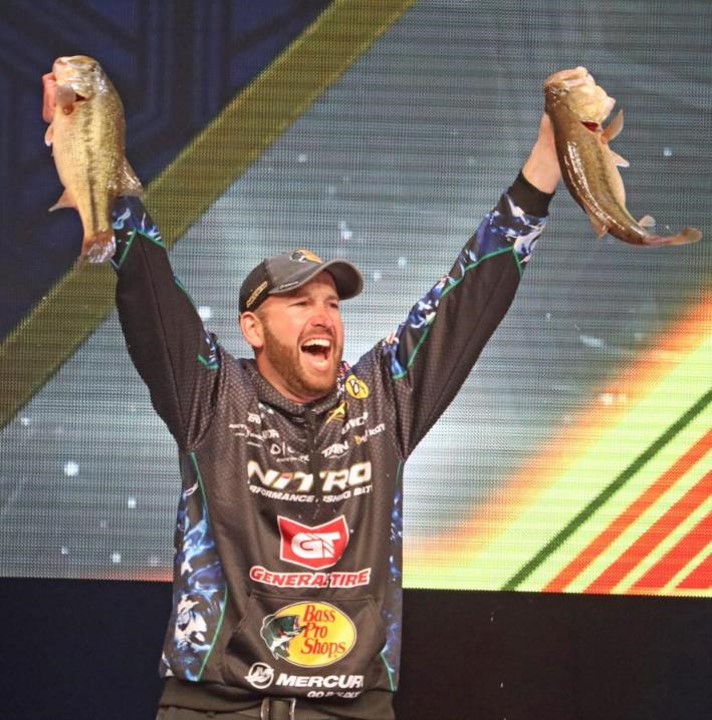
Ott Defoe’s Classic Winning Electronics Package
2-HELIX 12 CHIRP MEGA DI+ GPS G3N $2,099.99
2-Helix 12 CHIRP MEGA SI+ GPS G3N $2,499.99
1-360 Imaging - Minn Kota Ultrex Trolling Motor Mount $999.99
4-Humminbird Lake Master Chips $149.99
TH Marine Hydrowave KVD Unit $479.99
TOTAL $11,279.90
Does not include Ultrex trolling motor or Talons.
|
|
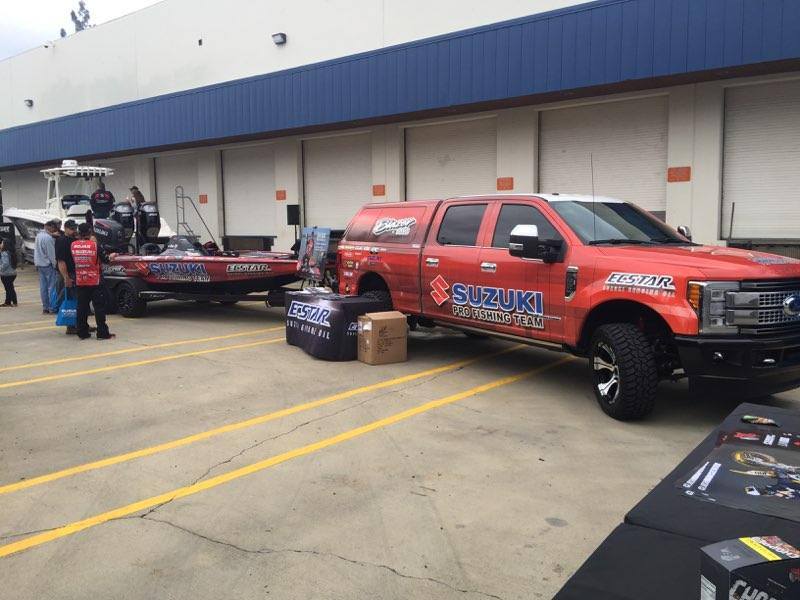
What do West Coast anglers do with their boats when they fly home?
|
|
West coast professional anglers don't often drive back and forth after each tournament. Once they leave for the season, their rigs typically do not return home until the final cast is made. When time allows west coast anglers will fly home in between events and appearances, but those opportunities can be few and far between. What they do with their rigs when they do find time to make a quick trip home is an interesting topic. Given that these anglers rigs are worth quite a bit of money, and most often times contain irreplaceable tackle, making the right choice on where they leave their boat and truck can be a stressful decision. Veteran Arizona pro Dean Rojas has been dealing with this dilemma for years and has come up with a pretty simple system that has worked well as he travels the country chasing bass. "My first choice is to leave my rig with a friend or business associate for safe keeping, that way I know it is with someone I can trust." Dean adds, "if I am only going to be gone for a short amount of time or am on a tight schedule, I will occasionally park my rig in the most secure airport parking I can find." says Rojas. Fellow west coast pro Jared Lintner agrees with Rojas's assessment. "My first choice is to leave my rig with a friend. The main reason for leaving my rig behind each time is to avoid extra cost and wear and tear on my truck and boat. It also gives me far more time over the course of a year to spend at home, when you figure in 3-4 days driving each way. It would add up to over a month over the course of the year, which is time I could have spent with my family or working." concludes Lintner. Both anglers drive their rig to the next tournament location after the completion of each event and then fly back home, so that their rig will already be where they need it when they fly back.
|
|
Photo Christopher Brown, Bassmaster.
|
|
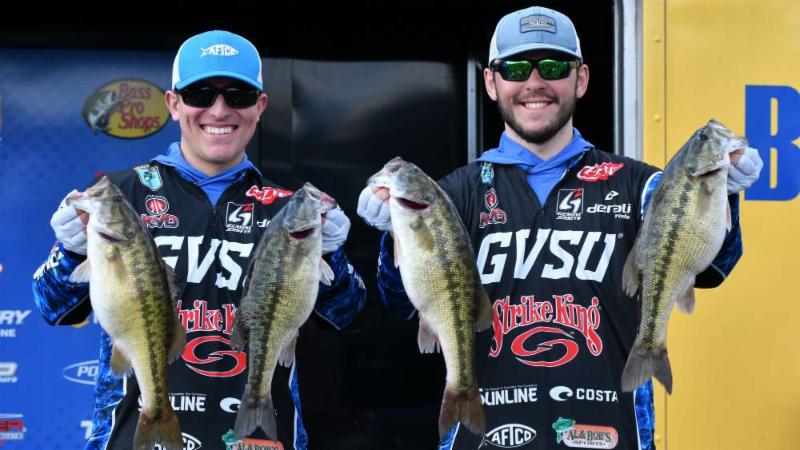
Lucas Murphy and Mitchell Gunn-College Anglers
College angling continues to grow year after year, with over 600 reported teams competing on the Carhartt Bassmaster Collegiate Series, FLW College Series and US Collegiate Bass Championship trails in 2019. Many schools have started to support fishing teams by assisting with expenses, equipment costs, and some even offering scholarships. While select programs assist with these costs, others have to pay for all tournament expenses on their own. Grand Valley State is a program that has had good success, while paying their own expenses to travel and fish. They receive very little funding from their school, and if they do, it cannot be used for lodging or gas, which are the two largest expenses they have while competing. The entire team works to find sponsors to help them at any level. They have very few cash sponsors and only occasionally get monetary donations. Whenever they do receive a donation it is primarily used for lodging.
They most often try to stay with friends or share lodging with other teams to split the expense and save money. The team typically pays all of their expenses out of pocket and support their tournament fishing by working part time jobs while attending classes. They do also receive free products and discounts from companies for tackle and equipment. We caught up with these two successful anglers to see what it cost them to fish a recent event. They traveled all the way to Alabama and won the recent Carhartt Bassmaster Collegiate Series on Lake Martin.
Entry: $40
Food: $160
Lodging: $400 per team for the week. (Split Air bnb with four teams)
Gas: $600
Licenses: 2 x $30
Lures: $300
Total: $1560
|
|
5. Baits Not Being Talked About
|
|
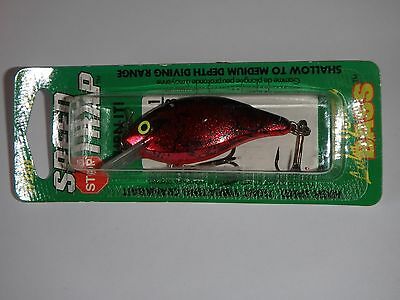
You've probably heard all about the Pre-Rapala Wiggle Wart, but are you in the know about the Pre-Rapala Luhr Jensen Speed Trap? The front decks of angler's boats at the recent Bassmaster Classic in Knoxville, TN looked like a vintage lure show, with the wide array of "old school" crankbaits that were on dispaly. The Pre-Rapala Speed Trap was certainly a tool in most of the competitor's arsenals on the Tennessee River, and has been a well guarded secret for years. While the bait is still made today, most pros hold to the theory that the older ones are better baits, which makes them a highly sought after commodity. They periodically show up on online auction sites like ebay, bringing anywhere from $15 to $50 depending on the size, condition, and color.
|
|
6. What We're Watching & Listening To
|
|
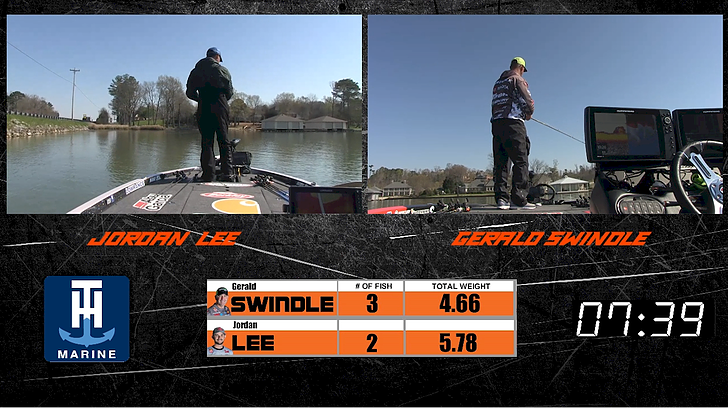
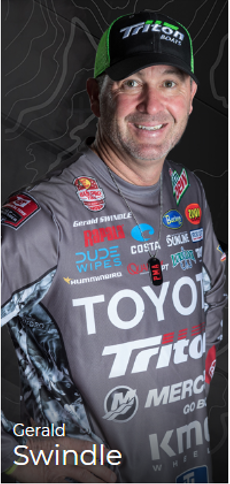
Gerald Swindle vs Jordan Lee
|
|
The latest edition of
Bass Zone's
1 ON 1 LIVE series presented by
TH Marine
took place on March 20th on the famed Lake Guntersville. The matchup featured veteran pro Gerald Swindle taking on arguably the hottest angler in professional fishing right now, Jordan Lee. The format pits two anglers against one another in a three hour shootout, which takes place in a designated area of the particular body of water. In case you missed the live event you can check out the
replay
anytime.
|
|
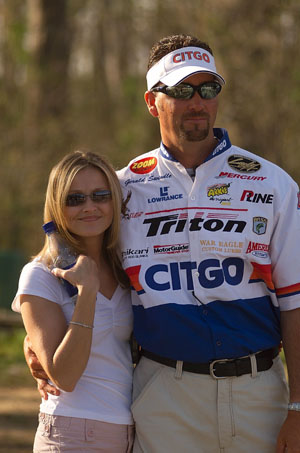
Pro angler jerseys used to have to be made using embroidery stitching. Some of the larger or more complicated logos would require in excess of 20,000 stitches just for one logo, so making a full tournament jersey with embroidery could take over 20 hours to complete. Also, with all that stitching the jerseys were often very rigid and heavy. If a jersey like that was made today, the process would be the same and cost would likely be in excess of $250-$300 per jersey.
|
|
Photo Major League Fishing.
By contrast anglers today are wearing dye sublimation jerseys. This process turns a water-based dye ink into a gas that bonds with polyester fabric. It dyes the fabric, resulting in a vibrant graphic that never fades. This process can typically create a jersey in an hour or less and it also makes the jersey much softer and flexible for greater comfort. Average dye sub jerseys typically cost around $75.
|
|
8. Regional Recommendations
|
|
Traveling to a lake and looking for the best place to stay, launch your boat, get gas or buy tackle? See the top choices for Santee Cooper here:
|
|
|
|
Marion- John C Landing
Moultrie- Black's Fish Camp
Moultrie- Anglers BP
Marion- Santee General Store
Bell's, Mac Daddy's, Black's Fish Camp
Sweatman's BBQ, Bell's Marina
Moultrie-Black's Fish Camp
Marion-Holiday Inn
Moultrie-Above and Beyond
Marion-Santee Lake Service Ctr
Moultrie-Berkeley Outdoors of Moncks Corner
Marion-Berkeley Outdoors of Manning
Moultrie-Anglers Sporting Goods, Shortstay Naval Rec
Marion-Santee General Store
|
|
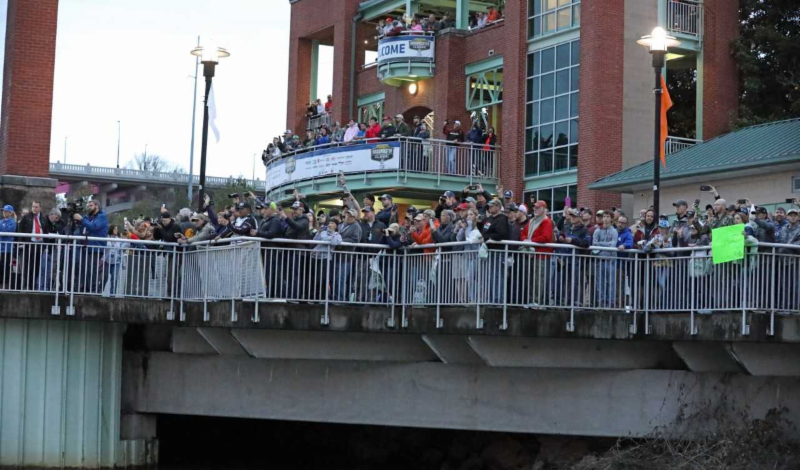
The 2019 Bassmaster Classic certainly set attendance records. B.A.S.S. reported a record attendance of 153,809 to the event over three days. The Expo reportedly drew 92,819 according to their turnstile counts. Crowds were packed inside the facilities and it was often difficult to walk the aisles. Vendors we spoke with reported considerable sales increases over previous Classics with some having sales in excess of 2X more than previous years.
|
|
Have ideas or business news you would like to see in the next issue, let us know at info@bestontour.net
|
|
|
|
|
|
|